

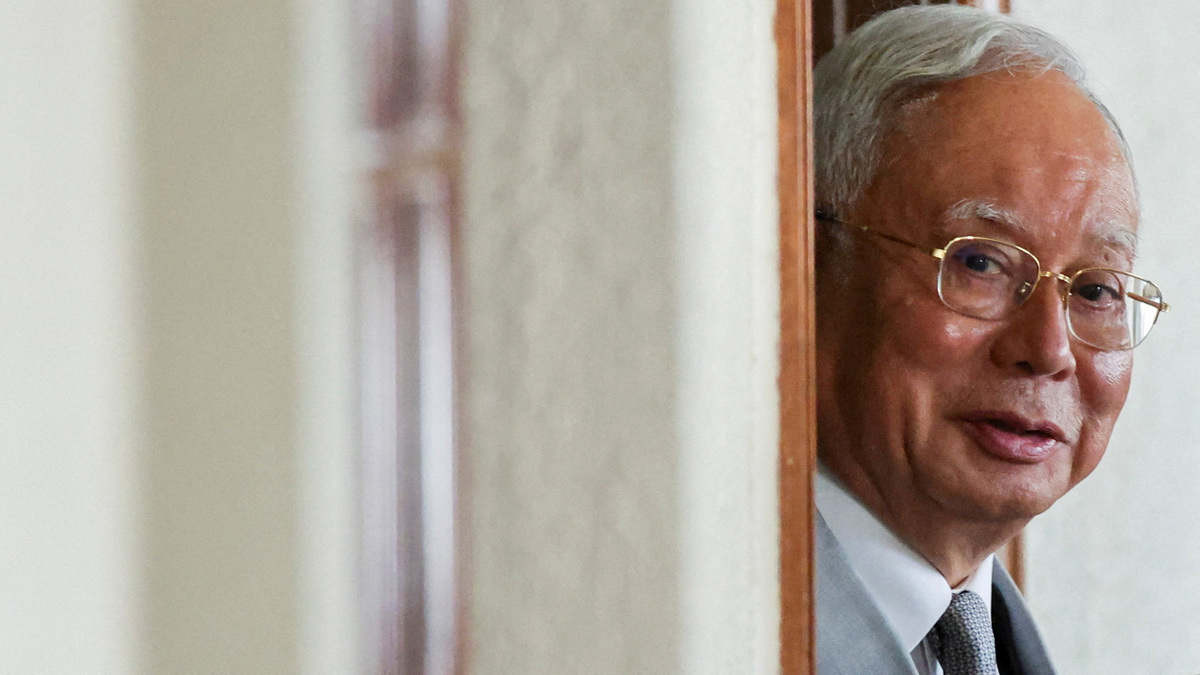
 "What’s the 1MDB scam in which ex-Malaysian PM Najib Razak has been found guilty?")
Najib Razak, the former Prime Minister of Malaysia, has been found guilty in another case in the 1Malaysia Development Berhad (1MDB) scam.
Najib, who was prime minister from 2009 to 2018, was convicted on four counts of abuse of power and nearly two dozen money laundering charges.
He has been sentenced to 15 years’ imprisonment and fined $2.82 billion (Rs 2.53 lakh crore). Najib, 72, is already in prison for six years over earlier abuse and money laundering charges related to another 1MDB case.
But what do we know about the 1MDB scam, which is said to be among the biggest financial crimes in history?
Let’s take a closer look.
Early years of the 1MDB fund
First, let’s take a look at the 1MDB fund. The 1MDB was a Malaysian state-owned strategic development company, essentially a sovereign wealth fund. The scheme was set up by then prime minister Najib, himself the son of Malaysia’s second prime minister, in 2009. The idea behind the fund was to manage the country’s resources and invest the money strategically. It was also set up to promote economic development via global partnerships and foreign direct investment.
Najib, who was chairman of the fund’s board, described it as a “strategic development company driving new ideas and new sources of growth”. What began as a regional initiative was taken nationwide by Najib. The fund invested in projects in energy, real estate, tourism and agribusiness.
In 2009, 1MDB initially inked a deal with PetroSaudi International to set up a joint venture. The firm took a 40 per cent stake in the joint venture for a $1 billion (Rs 0.90 lakh crore) cash investment. PetroSaudi, with assets worth around $1.5 billion (Rs 1.35 lakh crore), took the rest.
In 2012, Najib launched the 1MDB’s Tun Razak Exchange in Kuala Lumpur. Najib claimed the first phase of the new financial district would attract $856.8 million (Rs 0.77 lakh crore) in foreign direct investment (FDI). 1MDB then sold bonds worth $3.5 billion (Rs 3.14 lakh crore) via Goldman Sachs. The next year, 1MDB raised another $3 billion (Rs 2.69 lakh crore) by selling even more bonds. This was aimed at “new strategic economic initiatives” between Malaysia and Abu Dhabi.
In 2013, Najib’s stepson Riza Aziz’s Red Granite Pictures released The Wolf of Wall Street, made by Martin Scorsese and starring Leonardo DiCaprio. The smash hit ended with a thank you to Jho Low, a young Malaysian businessman. Low would later emerge as a key player in the scam.
The red flags begin
It was British journalist Clare Rewcastle-Brown who first uncovered the staggering fraud. Rewcastle-Brown, who ran the Sarawak Report website, was given 227,000 leaked documents. The Wall Street Journal, which was also handed documents, reported on the matter. Both outlets reported that $700 million (Rs 0.63 lakh crore) went from the fund’s coffers into Najib’s account.
It was only in 2015 that the Malaysian government itself began investigating the matter. The first domino to fall was after the fund, which owed over $11 billion (Rs 9.87 lakh crore), missed a $550 million (Rs 0.49 lakh crore) payment to banks and bondholders. This led to an inquiry by a Malaysian parliamentary committee. The Malaysian government had no choice but to set up a special task force to investigate the fund.
However, Najib attempted to shut down the investigation by sacking the country’s attorney general as well as deputy prime minister Muhyiddin Yassin, among others. The politician then heading up the parliamentary inquiry was made a deputy minister. The new attorney general gave Najib a clean chit, claiming he had received a $680 million (Rs 0.61 lakh crore) donation from a Saudi prince.
The ball gets rolling
But events continued overseas. The reports caused investigations to be opened in nearly a dozen nations including the US, Switzerland and Germany. In 2016, the US Department of Justice opened a civil investigation into the matter. It initially estimated that up to $3.5 billion (Rs 3.14 lakh crore) was siphoned off from 1MDB. However, it later pegged that amount at $4.5 billion (Rs 4.04 lakh crore).
“A number of corrupt officials,” said then US Attorney General Loretta Lynch, “treated this public trust as a personal bank account.”
The lawsuit named several perpetrators including one designated as “Malaysian Official 1”. This later turned out to be Najib, which the Malaysian government confirmed.
The Justice Department claimed that 1MDB had been nothing but a slush fund for these high-ranking officials. It said that the sovereign wealth fund’s money was spent on luxury homes and properties in Beverly Hills, New York and London, a 300-foot superyacht, art by Monet and Van Gogh, a boutique hotel in Beverly Hills, a movie production company that made The Wolf of Wall Street, the redevelopment of the Park Lane Hotel in Manhattan, and shares in EMI, the largest private music rights holder.
The Justice Department accused several high-level Malaysians including government officials, politicians and senior executives of governmental entities, their associates, and Low Taek Jho, also known as Jho Low, of misappropriating funds belonging to 1MDB via a criminal scheme. They were also accused of international money laundering, embezzlement and paying bribes to various government officials.
Najib loses power, cases get rolling
Then, in 2018, disaster struck for Najib when he and his United Malays National Organisation (UMNO) lost the general election. The UMNO had been ruling Malaysia since its independence in 1957. The 1MDB scandal and a spike in inflation were among the reasons for the defeat. Najib and his wife, Rosmah Mansor, were then ordered not to leave Malaysia.
It was then that action against Najib began. Several of Najib’s apartments were raided and police took away many luxury items and $28.6 million (Rs 0.26 lakh crore) in cash. Najib in 2019 was then charged with corruption, money laundering and abuse of power. He continued to insist upon his innocence. Najib’s wife Rosmah was also charged with money laundering and tax evasion.
In July 2020, Najib was sentenced in Malaysia to 12 years in prison after being found guilty of criminal breach of trust, abuse of power and money laundering for illegally receiving about $10 million (Rs 0.09 lakh crore) from SRC International, a former 1MDB subsidiary.
That verdict was upheld by an appellate court in 2021, and in August 2022, Najib began serving his sentence. The Pardons Board halved his sentence to six years and reduced his fine in 2024.
In a separate trial over the tampering of the 1MDB audit report, Malaysia’s High Court acquitted Najib and 1MDB’s former CEO Arul Kanda in March 2023. In another case, Najib and former treasury secretary Irwan Serigar Abdullah faced charges for allegedly misappropriating billions in government funds meant for payments to Abu Dhabi’s International Petroleum Investment Company.
Najib last year apologised for mishandling the scandal while in office, saying repeatedly that he was misled by 1MDB officials and the fugitive financier, Jho Low, about the source of the funds. Najib has maintained he was misled by Low and other 1MDB officials into believing that funds deposited into his account were donations from the Saudi royal family.
However, the judge described Najib’s argument as “implausible” and dismissed letters on the donations produced by Najib that allegedly originated from the Saudi royal family, saying they were not corroborated by evidence and were probably forgeries.
“The irresistible conclusion is that the Arab donation narrative is not meritorious … the evidence pointed unmistakably to the fact that the monies were, in fact, derived from 1MDB funds,” the judge said.
Low, the businessman, has been charged in the United States. He is on the run and his whereabouts remain unknown. He was said to have been indulging on a Thai island and fled after Najib lost power. His yacht was seized in Bali. There are claims he was staying in Macau, in Bangkok and in Taiwan. Malaysia previously said he is in China, but Beijing denies it.
With inputs from agencies

 "Homs mosque explosion kills 8; Syria calls it 'desperate attempt' to destabilise country")
 "Nigeria provided intelligence for US strikes on Islamic State militants, says foreign minister")
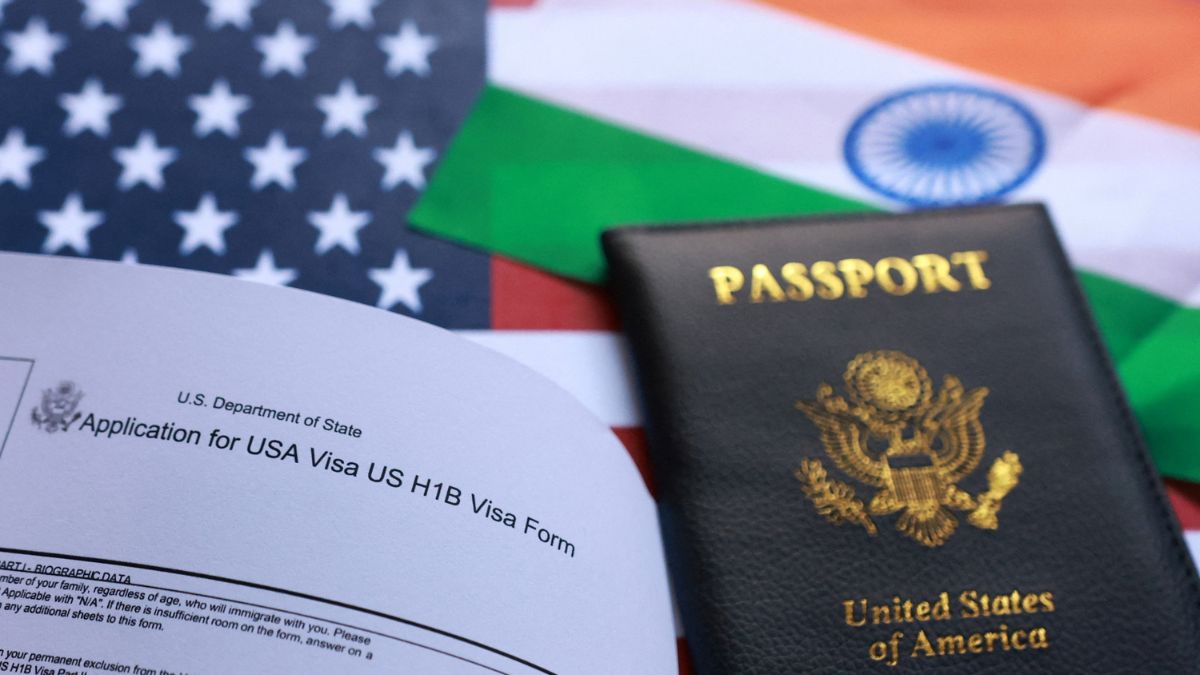 "‘Flagged our concerns to the US’: MEA on H-1B visa appointment delays")
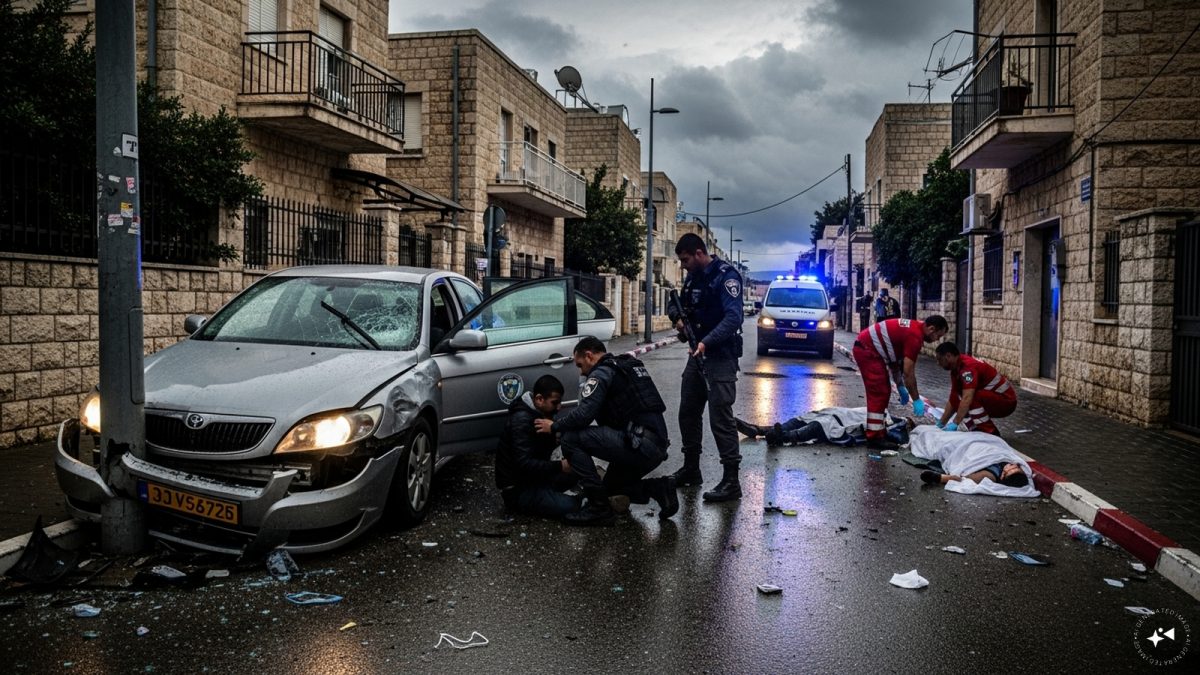 "Stabbing and car-ramming in Northern Israel kill two, Palestinian attacker wounded")
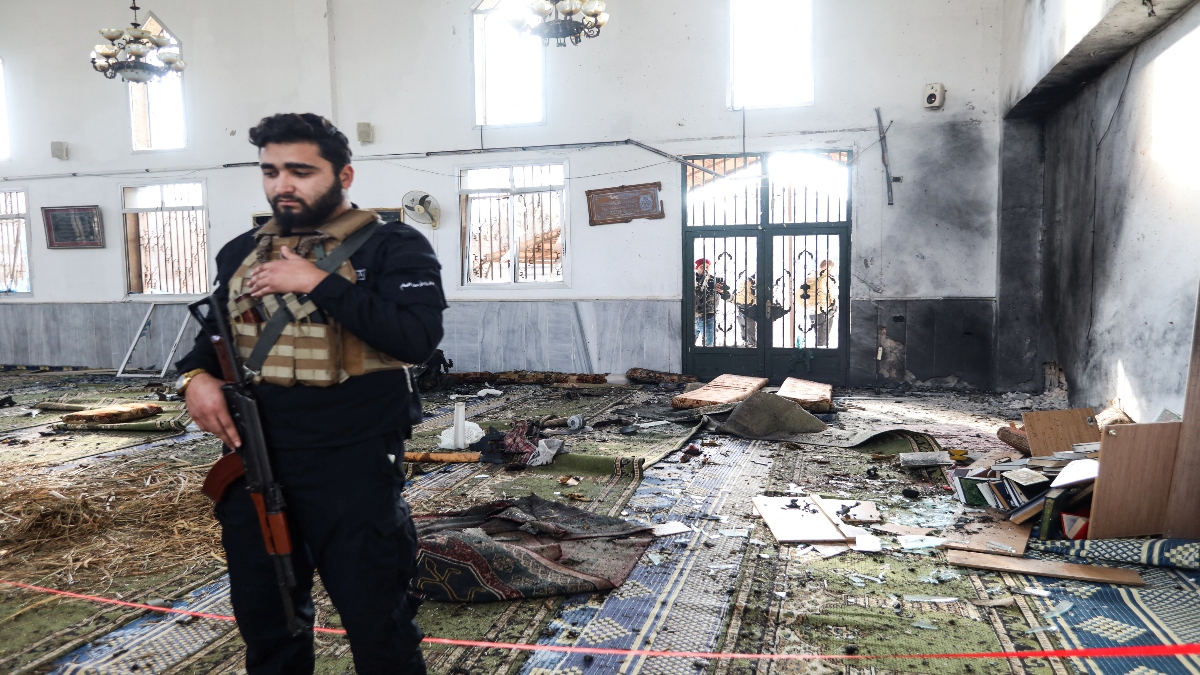 "Homs mosque explosion kills 8; Syria calls it 'desperate attempt' to destabilise country")
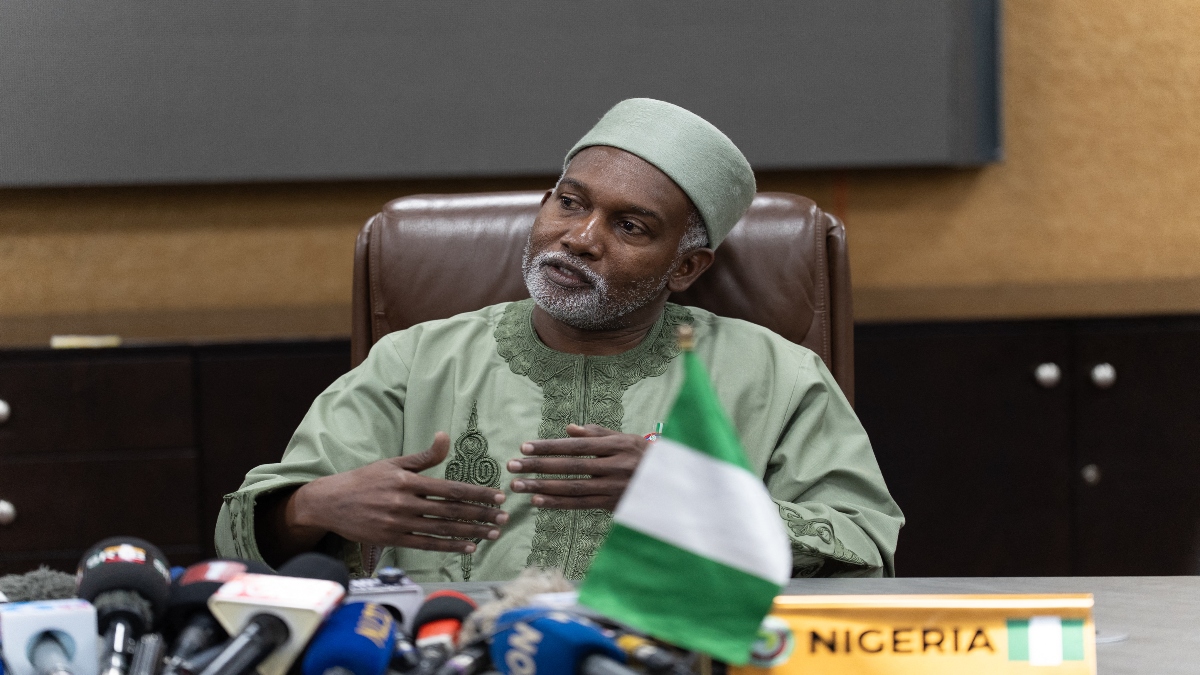 "Nigeria provided intelligence for US strikes on Islamic State militants, says foreign minister")
 "‘Flagged our concerns to the US’: MEA on H-1B visa appointment delays")
 "Stabbing and car-ramming in Northern Israel kill two, Palestinian attacker wounded")



