

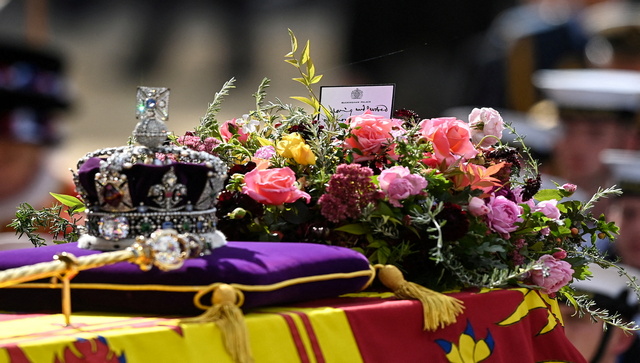
 "What is the Star of Africa set in King Charles' royal sceptre? Why are South Africans demanding its return?")
The royal sceptre King Charles will wield at his coronation on Saturday has become the subject of much talk. Specifically, the massive, blinding diamond that is set within it. Let’s take a closer look at the Star of Africa and why some South Africans want it returned: What is it? Known as Cullinan I, the Star of Africa weighs 500 carats. Set in the Sovereign’s Sceptre, it is the world’s second-largest colourless cut diamond. It was cut from the massive 3,106.75 carat Cullinan diamond – the largest gem-quality uncut diamond ever found – mined at Pretoria Premier Mine in 1905, according to the website Natural Diamonds.
The Cullinan diamond, which weighed 621 grammes in its raw state, was named after Premier Mine president Thomas Cullinan, according to Marca.com.
The Cullinan diamond was handed to the Royal Family in 1907 by the colonial government in South Africa which was under British rule. It was given to King Edward VII as a gift by the Transvaal government, according to Historic Royal Palaces. The Royal Family initially turned it down, but deputy minister Winston Churchill interceded and had it delivered to Britain, as per the website. It was sent to London by ordinary post while a replica was sent with detectives. Edward VII gave the diamond to Joseph Asscher in Amsterdam. Asscher cut the massive Cullinan diamond was into nine major gems – the two biggest named the Cullinan I and Cullinan II (placed in the Sovereign’s Crown) and another 96 smaller brilliants. The Imperial State Crown is worn by British monarchs on ceremonial occasions. The Sovereign’s Sceptre The Star of Africa was added to the Sovereign’s Sceptre – used in every coronation since 1661 – in 1910 by Edward’s successor King George. It was George who redesigned the royal sceptre with the Star of Africa as its showcase. The diamond sceptre represents the monarchy’s “god given” power, according to the Natural Diamonds website.
It is kept with the other crown jewels in the Tower of London.
Now amid a global conversation about returning artwork and artefacts that were pillaged during colonial times, some South Africans are calling for the diamond to be brought back. Since the end of apartheid there have been repeated calls for the gems to be returned, which have grown louder around flashpoint events such as Queen Elizabeth II’s first visit to the country in 48 years in 1995. Meanwhile international momentum has grown for the restoration of African artefacts from former colonial powers such as Britain, France, Germany and Belgium. “We want #StarOfAfrica…together with ALL the rest of the diamonds, gold & other minerals, that the #BritishEmpire stole from SA back, WITHOUT COMPENSATION,” firebrand politician Carl Niehaus tweeted after Elizabeth’s death in September. “One does not pay for stolen goods!” An online petition urging King Charles to return the Cullinan diamonds has been signed by more than 8,000 people. “As South Africans, we would like our diamonds returned and displayed in a South African museum,” the petition reads. “All the mineral wealth in South Africa belongs to the people of South Africa, not the British palace,” lawmaker Vuyolwethu Zungula, who heads the African Transformation Movement (ATM), a small Opposition party, told AFP on Thursday. “People had to die, blood had to be spilt for those diamonds to find their way to Britain.” “The diamond needs to come to South Africa. It needs to be a sign of our pride, our heritage and our culture,” said Mothusi Kamanga, a lawyer and activist in Johannesburg who has promoted an online petition, which has gathered about 8,000 signatures, for the diamond to be returned. “I think generally the African people are starting to realise that to decolonise is not just to let people have certain freedoms, but it’s also to take back what has been expropriated from us.” A replica of the whole Cullinan diamond, which is about the size of a man’s fist, is displayed at the Cape Town Diamond Museum. “I believe it should be brought back home because at the end of the day, they took it from us while they were oppressing us,” said Johannesburg resident Mohamed Abdulahi. Others said they didn’t feel strongly about it. “I don’t think it matters anymore. Things have changed, we’re evolving,” said local resident Dieketseng Nzhadzhaba. “What mattered for them in the olden days about being superior… it doesn’t matter to us anymore.” With inputs from agencies Read all the Latest News , Trending News , Cricket News , Bollywood News , India News and Entertainment News here. Follow us on Facebook, Twitter and Instagram.

 "Russian drones over Poland: Trump’s tepid reaction a wake-up call for Nato?")
 "As Russia pushes east, Ukraine faces mounting pressure to defend its heartland")
 "Why Mossad was not on board with Israel’s strike on Hamas in Qatar")
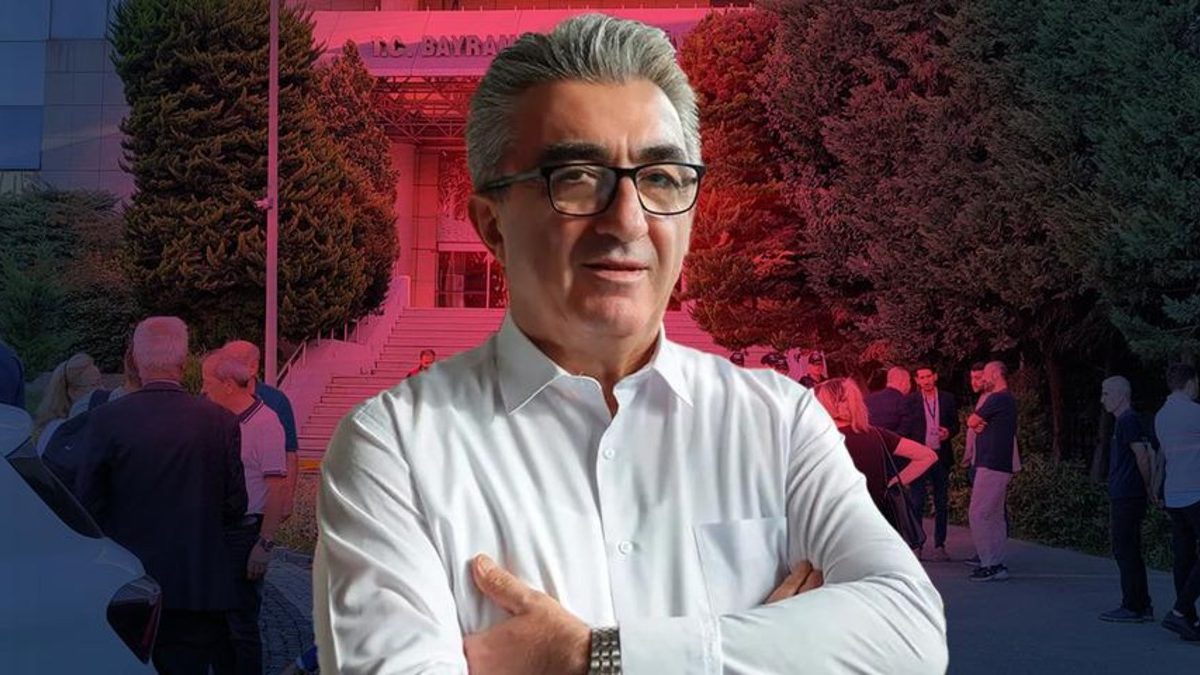 "Turkey: Erdogan's police arrest opposition mayor Hasan Mutlu, dozens officials in corruption probe")
 "Russian drones over Poland: Trump’s tepid reaction a wake-up call for Nato?")
 "As Russia pushes east, Ukraine faces mounting pressure to defend its heartland")
 "Why Mossad was not on board with Israel’s strike on Hamas in Qatar")
 "Turkey: Erdogan's police arrest opposition mayor Hasan Mutlu, dozens officials in corruption probe")



