

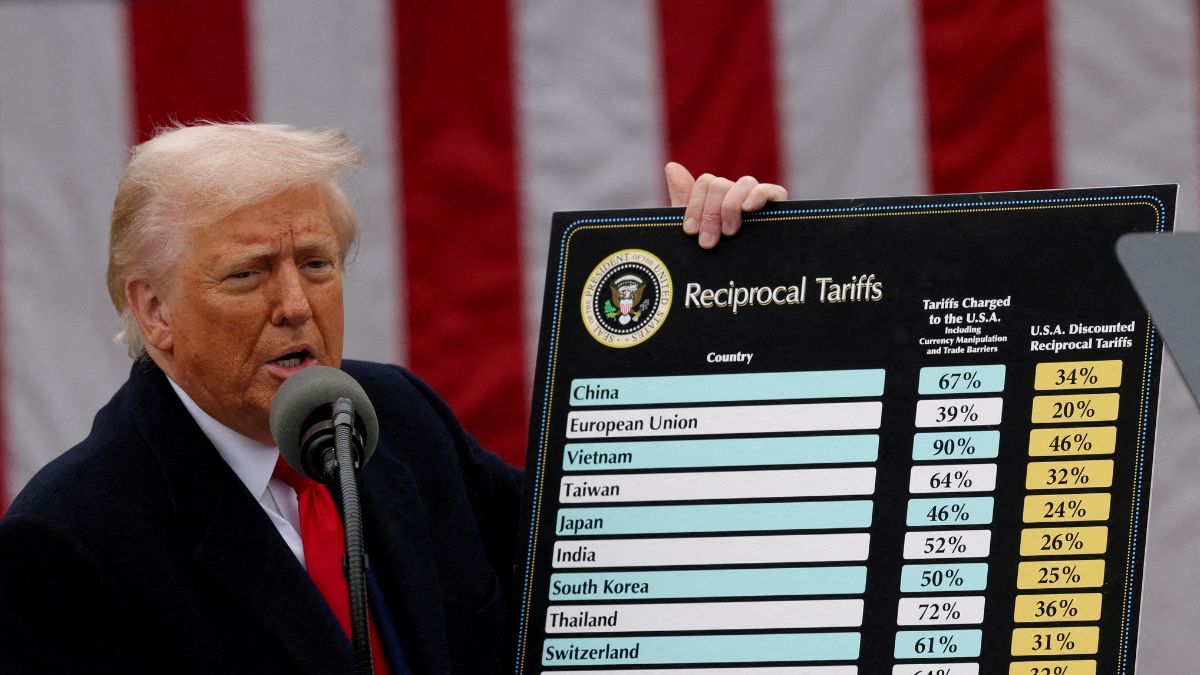
 "Tariff wars, retaliations: Retracing Trump’s trade actions in 2025")
United States President Donald Trump’s return to the White House has been tumultuous for the world. His new tariffs pushed America into trade wars with almost every country, with many slapping the US with retaliatory duties.
Trump justified the steep taxes on goods entering the US, claiming they are needed to stop trade imbalances and to take back wealth “stolen” by other countries. However, his various flip-flops on duties also puzzled the globe, triggering widespread uncertainty for businesses as well as consumers.
Trump used tariffs as a weapon amid personal grudges or while responding to political critics. He imposed 50 per cent tariffs on Indian imports, with 25 per cent as a penalty for buying Russian oil. India is among the countries facing the highest US tariff rates in the world.
We take a look at how Trump’s tariffs unfolded this year, disrupting decades of US trade policy.
January-March
In his first few months back in office, Trump focuses his new tariffs on America’s three biggest trading partners: Canada, Mexico and China. On-again, off-again levies and responding retaliation begin to bubble up.
Worldwide, the US also heightens import taxes on steel and aluminium to 25 per cent — expanding Trump’s previously-imposed 2018 import taxes.
April
Trump’s trade wars escalate to new heights in April. The president unveils sweeping “Liberation Day” tariffs on almost every country in the world — sending the stock market tumbling. And more turbulence follows after he tells investors that it’s a “great time to buy” mere hours before postponing dozens of steeper import taxes.
China is the exception. Washington and Beijing trade more and more sky high, tit-for-tat levies — reaching 145 per cent and 125 per cent, respectively.
Separately, Trump’s 25 per cent auto tariffs begin, plunging the industry into uncertainty and bringing more retaliation from trading partners like Canada.
May-July
The Trump administration spends much of the summer boasting about trade “framework” deals with countries like China, the UK and Vietnam. But his administration sends letters to dozens of other nations promising that heightened levies are on the way — and notably escalates trade wars with Brazil and India.
Otherwise, Trump continues to expand sector-specific tariffs, hiking steel and aluminium taxes to a punishing 50 per cent.
Quick Reads
View AllMeanwhile, a key legal challenge over Trump’s tariffs gains traction. A federal court blocks Trump from imposing some of his most sweeping levies under an emergency-powers law — but an appeals court temporarily halts the order, allowing tariff collections to continue as the case wends through court.
August
Heightened US tariffs on more than 60 countries and the European Union kick in. After several delays, most of these rates span from April’s “Liberation Day” — but separately, Trump hikes import taxes on Canada to 35 per cent.
Punishing 50 per cent levies on goods from Brazil and India also take effect, along with a new 50 per cent rate on most imported copper worldwide. And low-value imports coming into the US lose their duty-free status with the end of the “de minimis” rule.
Separately, the US extends its trade truce with China. And a US appeals court rules that Trump went too far when he declared national emergencies to justify his tariffs — but doesn’t strike them down entirely, allowing the administration to take its case to the Supreme Court.
September-December
The Trump administration officially takes its tariff fight to the Supreme Court. In initial oral arguments, the justices appear sceptical about the president’s authority to impose such sweeping levies.
Meanwhile, Trump continues to promise more sectoral tariffs — and 25 per cent levies on kitchen cabinets and other furniture take effect. But other threats get delayed. Amid rising price pressures, the president also lowers or scraps a few previous tariffs, notably for goods like beef and fruit. He also suggests that Americans will receive a $2,000 (Rs 1.8 lakh) dividend from new tariff revenue — but details remain very scarce.
With inputs from AP


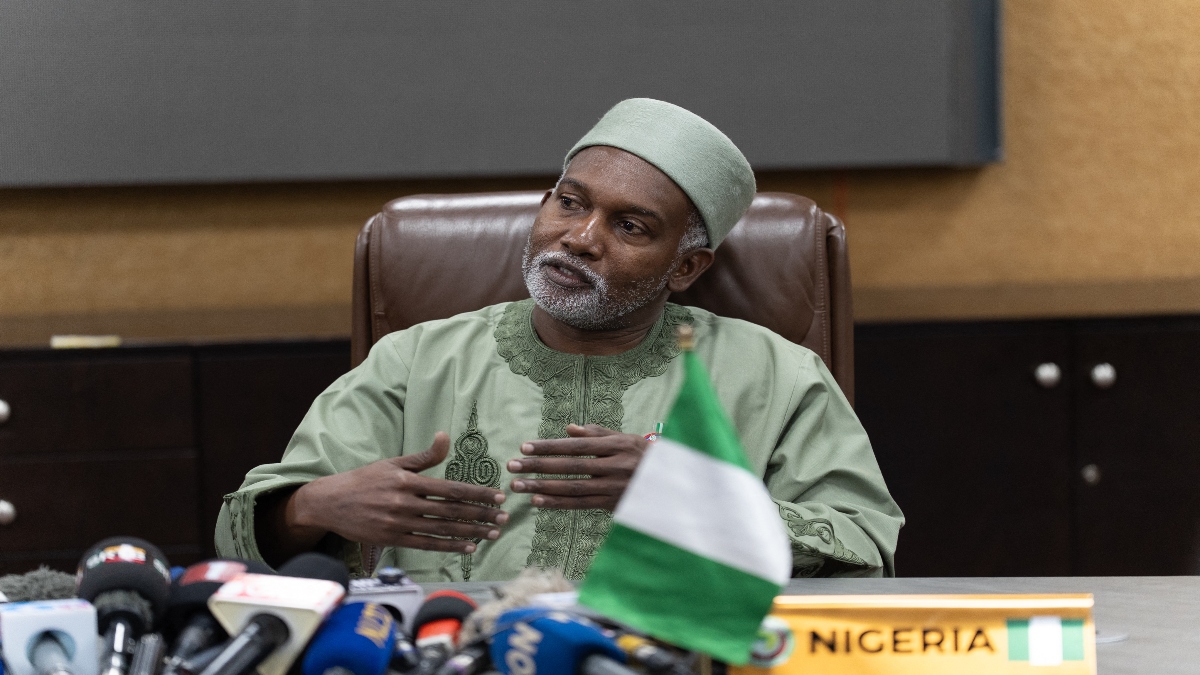 "Nigeria provided intelligence for US strikes on Islamic State militants, says foreign minister")
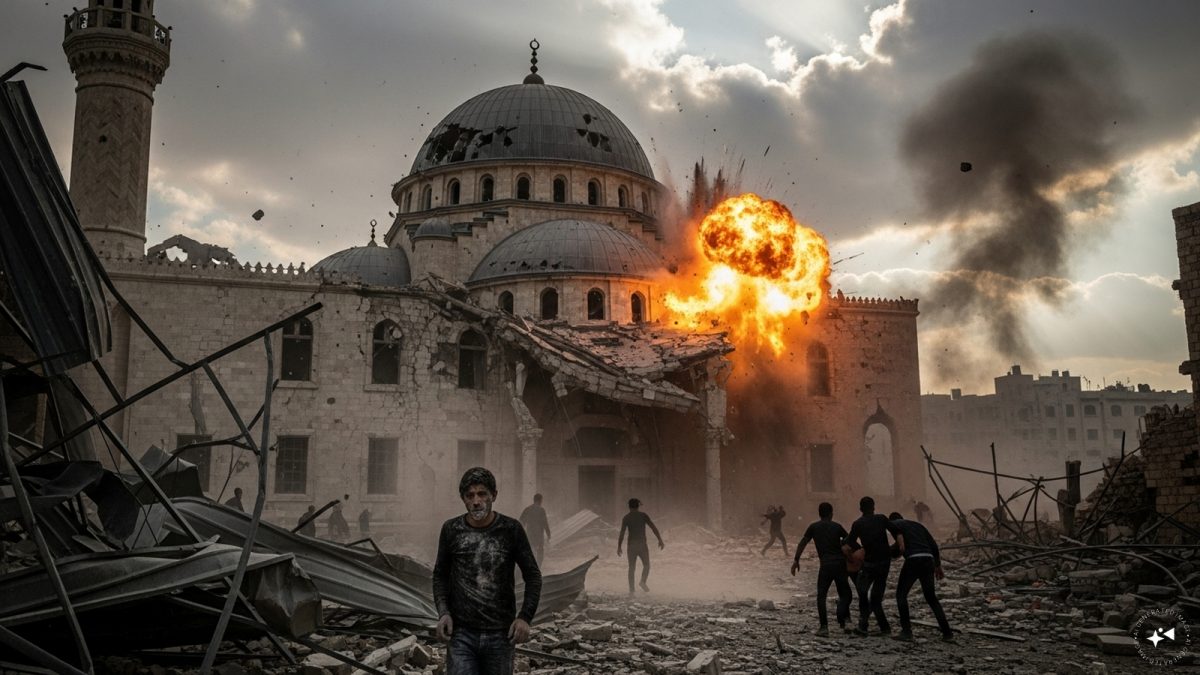 "Homs mosque explosion kills 8; Syria calls it 'desperate attempt' to destabilise country")
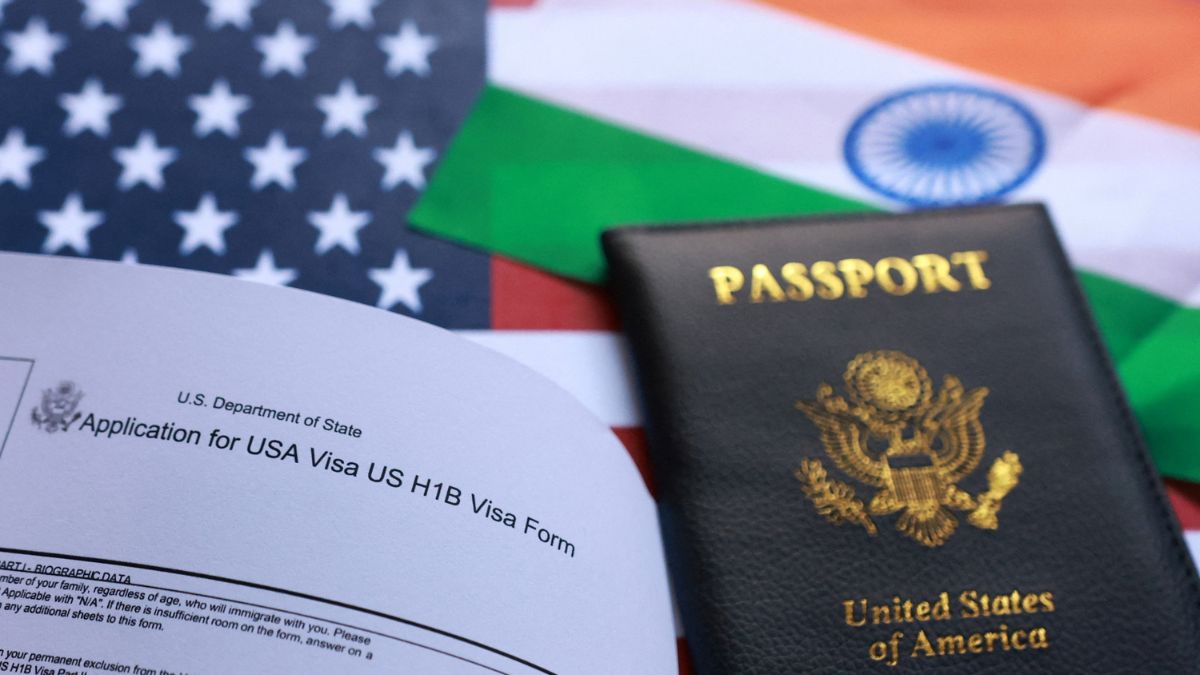 "‘Flagged our concerns to the US’: MEA on H-1B visa appointment delays")
 "Stabbing and car-ramming in Northern Israel kill two, Palestinian attacker wounded")
 "Nigeria provided intelligence for US strikes on Islamic State militants, says foreign minister")
 "Homs mosque explosion kills 8; Syria calls it 'desperate attempt' to destabilise country")
 "‘Flagged our concerns to the US’: MEA on H-1B visa appointment delays")
 "Stabbing and car-ramming in Northern Israel kill two, Palestinian attacker wounded")



