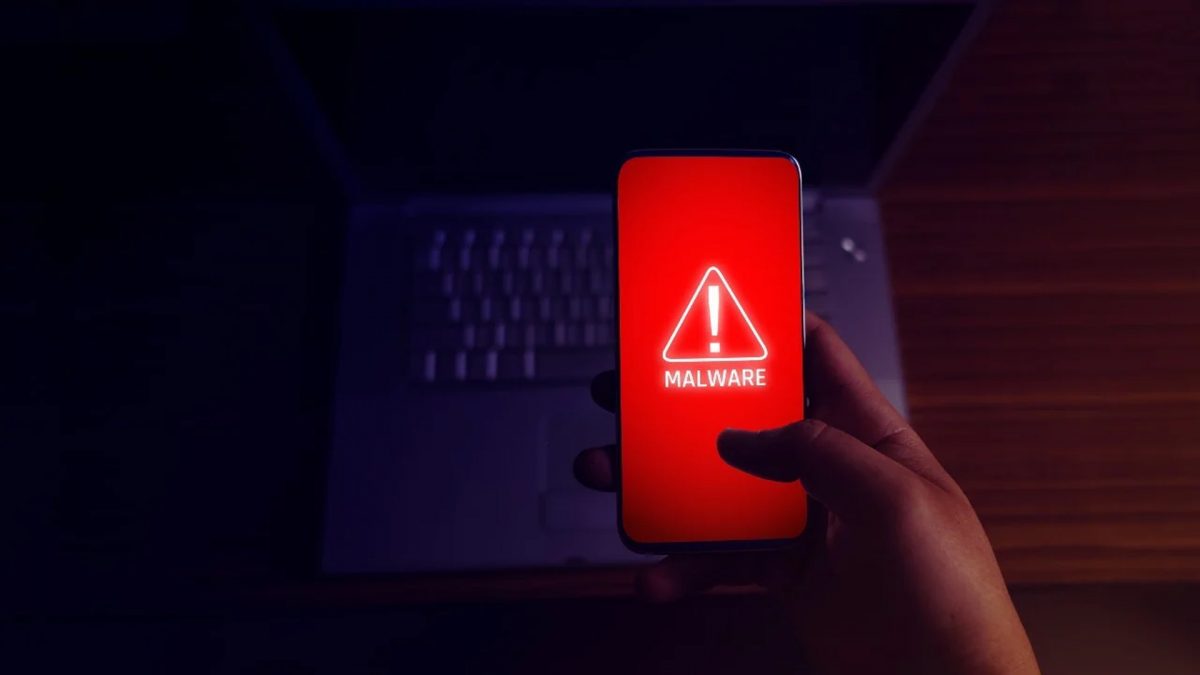
 "The Federal Trade Commission (FTC) has also warned that if a similar text is sent on a user’s phone, “it’s probably a scam.” Pexels")
As more technology emerged, scams have gradually evolved.
In the latest development, the US Federal Bureau of Investigation (FBI) has again asked Android and iPhone users to remove any text that even slightly resembles a scam.
“The scam may be moving from state-to-state,” the federal agency cautioned.
It went on to say that if it was not already present in the city where you live, there is a good chance it will be there shortly.
Let’s take a closer look.
The toll payment scam
The scammers’ method is basic.
A toll agency initially sends the recipient a harmless-looking text message informing them that they owe money for unpaid tolls that must be paid right away.
The victim is directed to a page asking them to enter their credit card or bank account details after clicking on the aforementioned payment link.
The texts, the bureau says, “claim the recipient owes money for unpaid tolls and contain almost identical language. The ‘outstanding toll amount’ is similar… However, the link provided within the text is created to impersonate the state’s toll service name, and phone numbers appear to change between states.”
In January, the FBI had said the latter group of bad actors has specifically targeted journalists, politicians, and those in various branches of government. It had also warned everyone to be on guard.
Also read: New Year, New Scam: 2025 sees Online ‘Brushing Scam’ pick momentum
FBI’s warning
The Federal Trade Commission (FTC) has also warned that if a similar text is sent on a user’s phone, “it’s probably a scam.”
“Scammers are pretending to be tolling agencies from coast to coast and sending texts demanding money.”
The repercussions are severe.
“Not only is the scammer trying to steal your money, but if you click the link, they could get your personal info (like your driver’s license number) – and even steal your identity.”
Great Falls is among the most recent cities to advise residents about the scam; on Thursday, the city put an alert on X.
“This is a SCAM and is not coming from the City of Great Falls. Please do not click the link in the message.”
Also read: Meet Daisy, the ‘AI Granny’ who is outwitting scammers with her endless chatter
The likely culprit
According to Forbes, these “commercial phishing kits” are most likely being developed and updated by Chinese cybercriminal groups.
These kits include templates designed specifically to impersonate toll operators in multiple states.”
“Apart from the toll authority scam, these cybercriminals have used similar tactics to impersonate shipping companies, tax agencies, and immigration services, often targeting individuals new to a country or in vulnerable positions. Their only goal is to steal payment card details, add them to mobile wallets, and make fraudulent purchases or launder money through shell companies.”
Last month, FBI Assistant Special Agent In Charge Jay Patel had said these bad actors fall into two categories: “One (group) would be the financially motivated, loosely organised groups that are here in the US and overseas in different countries. And then the other part would be nation state threat actors that are funded and backed by established governments.”
Notably, Chinese hackers are currently engaged in the sophisticated fraud network. In order to spy on consumers, a group of criminals known as “Salt Typhoon”—who are thought to be located in China—infiltrated major US telecom corporations in December, including AT&T, T-Mobile, and Verizon.
Also read: How telecom fraud became China’s big problem in Myanmar
A common occurrence
New reports of toll scams are now flooding in practically every day.
Media outlets from Massachusetts, California, North and South Carolina, Illinois, Colorado, Florida, and other states reported on the matter in the past month.
According to the FBI, since March last year, thousands of people have been “reported smishing texts advertising road toll collecting agencies.”
Forbes cited KnowBe4 as saying, “Similar scams have been reported in other states, including Florida (targeting SunPass users), Texas (North Texas Toll Authority), California, Colorado, Connecticut, Minnesota, and Washington. These phishing attacks often involve realistic-looking websites that mimic official toll authority sites but only function on mobile devices, making them, even more convincing to unsuspecting users.”
Staying alert
Simple tips from the FBI will help you avoid being tricked.
“Check your account using the toll service’s legitimate website (or) contact the toll service’s customer service phone number.”
Crucially, you should then remove any of the SMS you have received. These harmful links should not be on your phone.
If you have already fallen victim, “take efforts to secure your personal information and financial accounts (and) dispute any unfamiliar charges.”
If you have already made a payment, this may entail getting in touch with your bank or credit card. If you have provided your address, be cautious of any new credit or other service applications made in your name.
FBI authorities advised anyone looking to improve communication security to use accounts secured by phishing-resistant two-factor authentication, devices with responsibly managed encryption, and cell phones that undergo regular operating system updates.
With inputs from agencies