

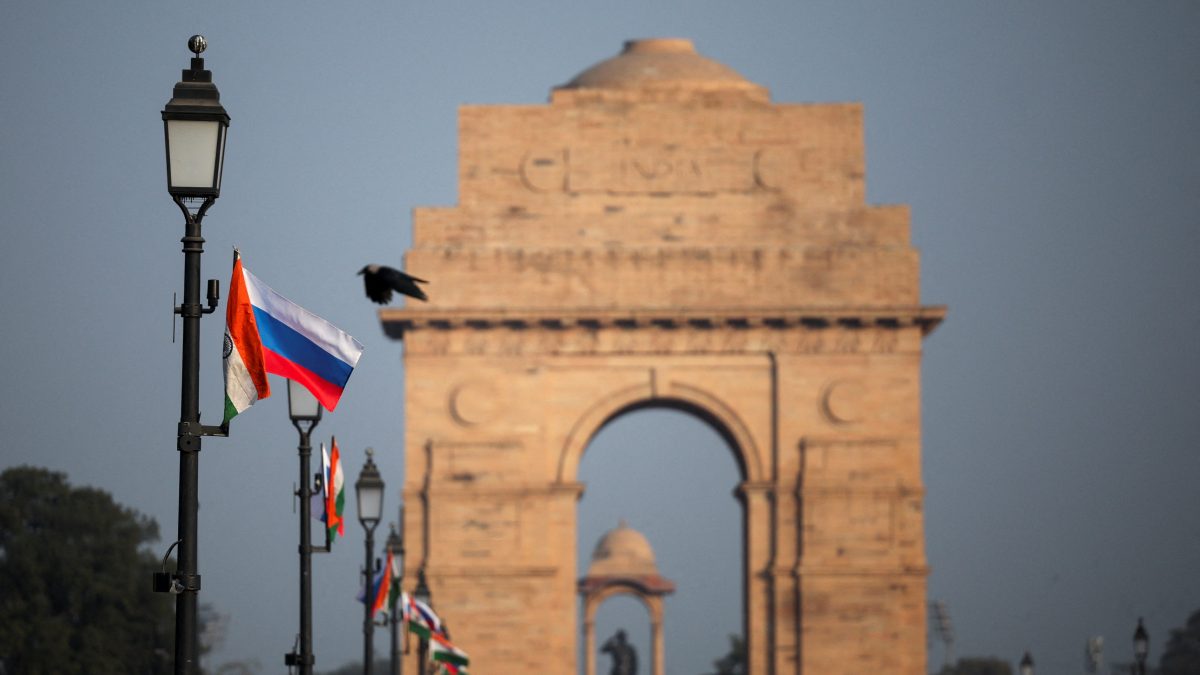
 "Why Putin’s visit brings good news for Indians eyeing jobs in Russia")
Russian President Vladimir Putin’s India trip is underway.
Putin, who is in town for the 23rd India–Russia Annual Summit, has signed a string of deals with Prime Minister Narendra Modi. This includes a mobility pact between the two nations that will make it easier for Indian professionals to work in Russia.
India also has similar agreements with Israel, Japan, Germany, and some Gulf nations.
But what do we know about the agreement? Why is it important?
The India–Russia mobility agreement
Of all the pacts signed between India and Russia, the labour mobility is amongst the most anticipated and exciting. It will open up avenues for Indian professionals to work in a wide variety of sectors in Russia.
_Find the complete coverage of Vladimir Putin's India visit here_This includes both white- and blue-collar jobs such as construction, engineering, textiles, manufacturing, and electronics. Around 70,000 Indians will likely be employed in Russia under the terms of a new labour mobility agreement.
It also comes as Russia is facing an acute shortage of workers. This comes as birth rates are at a 200-year low and the population shrank by 0.08 per cent. After 300,000 reservists were called up for the Ukraine war in 2022, the country witnessed thousands of young men leaving. Meanwhile, as Western sanctions bite, Russia is only ramping up its industrial production.
There are reports that Russia’s Ural region, the industrial heartland of the country, is in dire need of workers. According to reports, Russia needs to fill as many as 3.1 million jobs by the end of the decade.
Alexander Vedyakhin, First Deputy CEO of Russia's largest bank Sberbank, has said that it is working to increase industrial imports and labour migration from India. Vedyakhin also highlighted demand for Indian workers amid record-low unemployment in Russia and a projected shortage of at least 3 million workers by 2030. “This is a skilled workforce, and it is one of the areas of our cooperation. We help our companies here to bring in labour from India,” he said.
Vedyakhin told TASS that negotiations are on to utilise skill development centres in India, including in Maharashtra, to train workers to be deployed to Russia, particularly in Saint Petersburg.
As per observers, India’s demographic surplus works to its advantage, with around 11 to 12 million young people entering the workforce every year. By 2030, India will have around 68.9 per cent of its population as working age – the largest in the world. Indians already comprise around six per cent of migrants. While many Indian blue-collar workers favour the Gulf, Russia is slowly becoming a more attractive destination.
Around 100,000 Indian workers are now employed in Russia. In the final quarter of 2024, around 9,400 Indian nationals arrived in Russia seeking jobs, around 2.5 times more than in 2023.
Why it is important
Because India and Russia have agreed upon increasing bilateral trade to $100 billion (Rs 9 lakh crore) by 2030. Trade between the two countries is currently mainly driven by energy supplies. In this fiscal year, India imported goods worth $63.8 billion (Rs 5.74 lakh crore) from Russia, while it exported just $4.8 billion (Rs 0.43 lakh crore).
Cooperation in the field of labour can add another avenue to the relationship, protect Indian workers, and cut down on the trade deficit. It also comes as Western countries such as the United States and Canada tighten their own immigration norms.
Experts say Russia needs to do more to entice Indian workers. “Russia has not been one of the primary destinations for Indian middle classes,” Harsh V Pant, Vice President of Foreign Policy at think-tank Observer Research Foundation, told CNA.
“I think it will be incumbent on Russia to, in some ways, provide those incentives that would be required for this kind of mobility to work because other countries are doing that,” he added. “So, there is also competition among major countries in the world at the moment and among India’s partners.”
They also say the pact coupd potentially include provisions that would safeguard against civilian workers being drawn into Russia’s war with Ukraine.
“I think it can be insisted on and it can be built into the framework, because that would be a good way of providing some degree of insurance to people who may decide to move,” Pant added.
They said the visit is a good sign when it comes to the relationship.
“This visit is a signal from both countries that, particularly in the context of the current international flux, they attach value to the relationship,” added former Indian ambassador to the US Arun Kumar Singh. “They have valued historically how strong and stable the relationship has been. There are options and ways to deepen the partnership in different areas, and they will both benefit from that.”
With inputs from agencies.

 "Thailand launches airstrikes on Cambodia in a setback to Trump's ceasefire deal")
 "'Not hawkish or dovish': 5 key things for Asia in Trump's new national security policy")
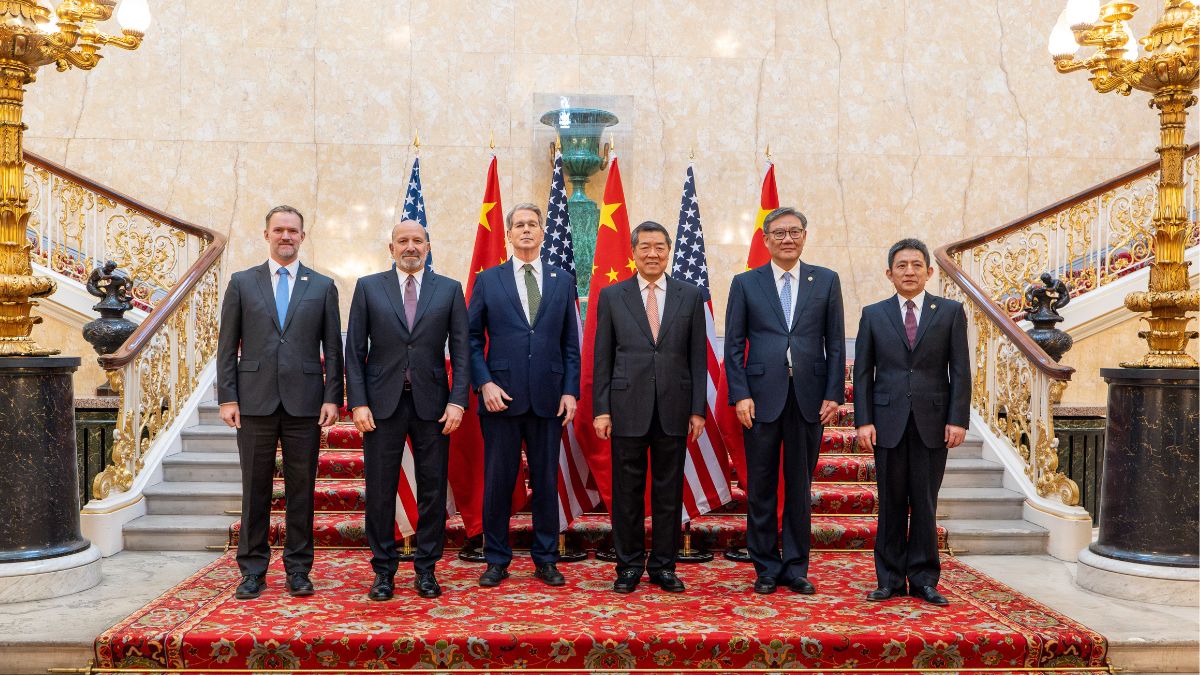 "'With China, it's always we verify': Trump's top aide on trade deal with Beijing")
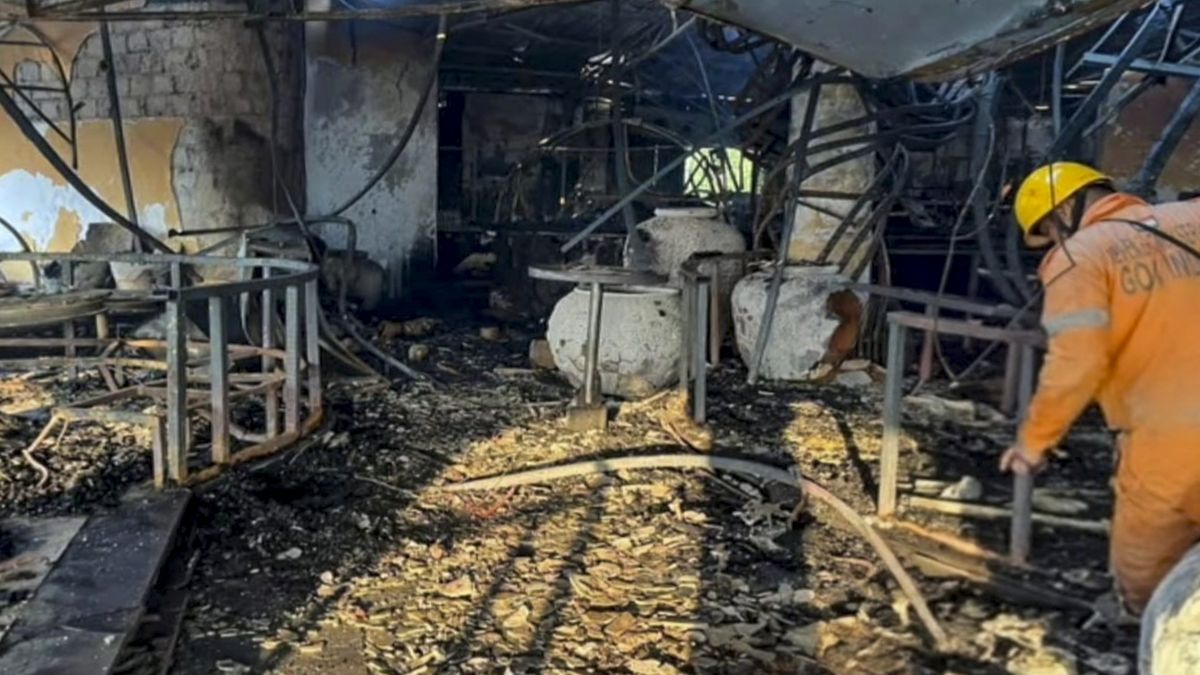 "Why the Goa nightclub fire, which killed 25, was so difficult to contain")
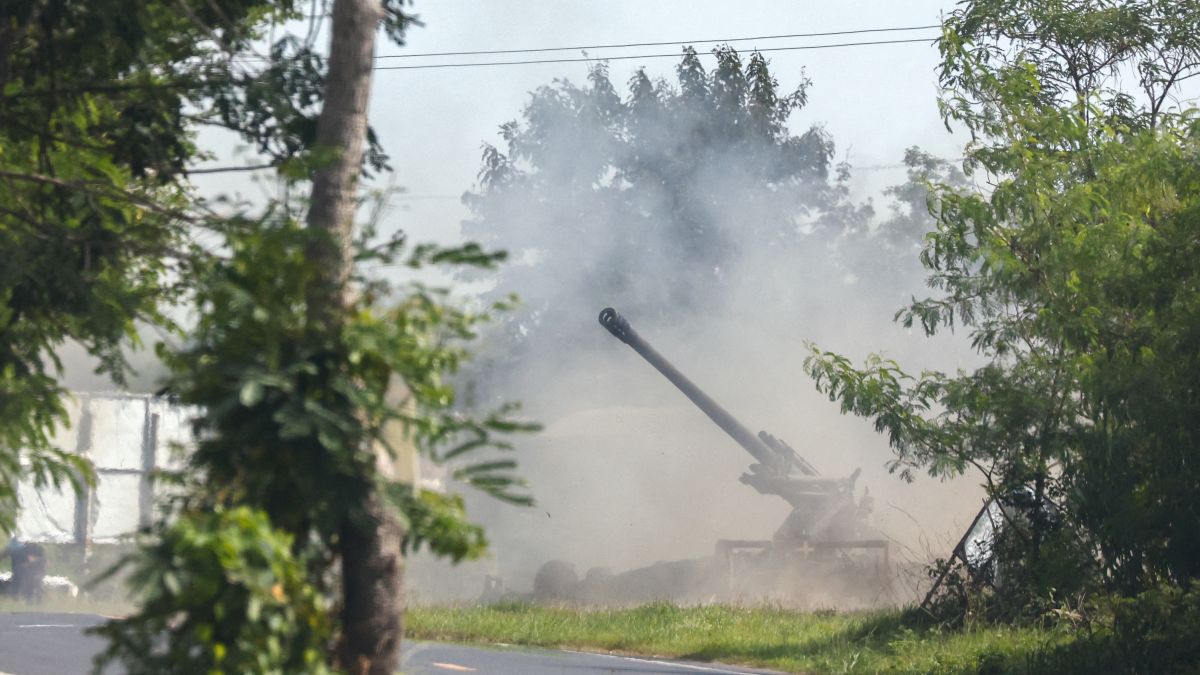 "Thailand launches airstrikes on Cambodia in a setback to Trump's ceasefire deal")
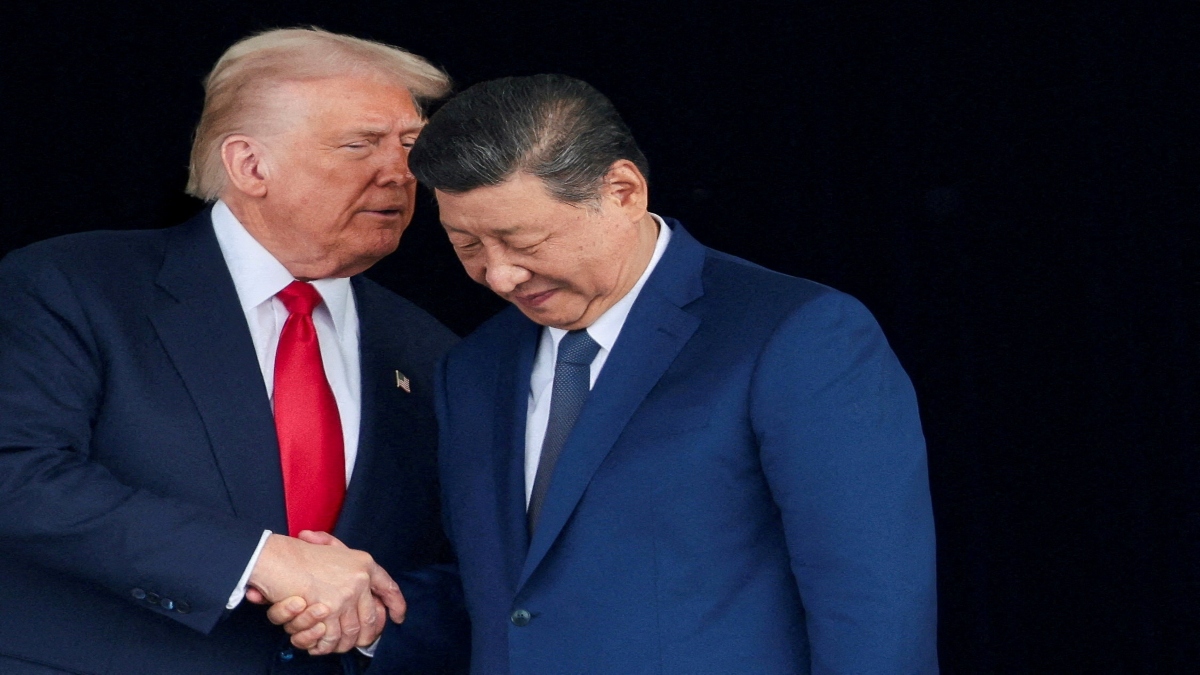 "'Not hawkish or dovish': 5 key things for Asia in Trump's new national security policy")
 "'With China, it's always we verify': Trump's top aide on trade deal with Beijing")
 "Why the Goa nightclub fire, which killed 25, was so difficult to contain")



