 "Onion is the New Gold: How a shortage is making the world cry")
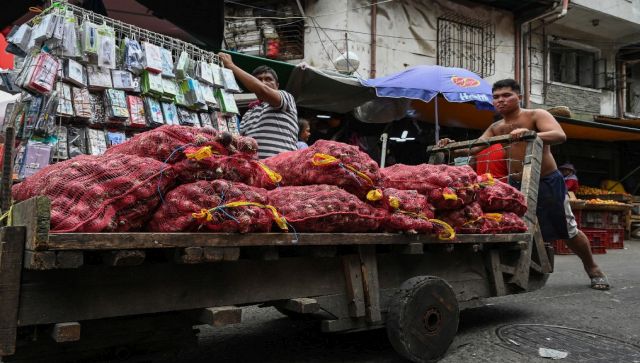
It started in the Philippines, where onions are so expensive that some have compared them to gold. They are a luxury that the common man can no longer afford. But now the food staple is making the world cry. From Turkey to Kazakhstan, the rising prices and the shortage of the ubiquitous vegetable are fuelling inflation. Onions have become a symbol of the global food crisis. If experts are to be belived, the worst is yet to come.
Last year, the Russia-Ukraine war saw the prices of wheat and other grains surge. It further contributed to a sharp rise in food prices worldwide. In recent months the costs of wheat and grains have fallen but now the global vegetable market is facing disruption. The problem goes beyond onions, but the vegetable that is used in everything from salad to curries is where the problem begins.
The Philippines, where onions are smuggled
In the Philippines, onions are more expensive than meat. The crisis has been ongoing for months; the average price has been far above the world average since last September. The cost of onions has quadrupled over the last four months, according to media reports.
The cost of red onions, which is a mainstay in almost all Philippine dishes, shot up from around pesos 70 pesos (Rs 105.18) a kilo in April to as much as 700 pesos (Rs 3512) in December, reports Reuters. By mid-January, the prices came down a bit. Onions cost 550 pesos (Rs 2,476) per kg, according to the country’s Department of Agriculture. This makes it nearly three times costlier than chicken in Filippino markets and 25 per cent more expensive than beef.
The shortage and consequent price surges come after billions of pesos worth of crops were destroyed by a series of typhoons in 2022. This, alongside global food, fuel and fertiliser crises pushed the country’s inflation rate to 8.1 per cent in December 2022 – a 14-year high.
Quick Reads
View AllPer kilogram of red onion remains at 300-400 pesos in the public market of San Jose, Occ. Mindoro.
— Dennis Datu (@Dennis_Datu) January 23, 2023
The town of San Jose is one of the largest producers of onions in the Philippines. pic.twitter.com/8NPgdyucls
According to reports in the local media, it is also possible that a syndicate is hoarding onions, thus driving the hike in its prices. Now the country has ordered a probe into the role of a cartel.
The onion shortage led to a rise in smuggling. In December 2022, authorities found 50,000 kilogrammes hidden among imported pastries and bread products. On January 22 and 23, customs officers intercepted nearly 9.5 million pesos worth of red onions at the Port of Zamboanga, according to a report on France24.
Also read: The shortage of onions in the Philippines, explained
After protests, President Ferdinand Marcos Jr approved a plan to import 21,060 metric tonnes of onions. According to the country’s Department of Agriculture deputy spokesman Rex Estoperez, this is a “temporary” solution. It’s not foolproof.
Importing onions will affect local onion growers as they prepare for harvest, which typically begins in February and lasts until April, according to Danilo Fausto, president of the Philippine Chamber of Agriculture and Food.
The Philippines is one of the most food-insecure countries in Asia, which consumes around 17,000 metric tonnes of onions a month. But now the shortage and the expenses are hurting people, forcing some to change their food habits.
Lalaine Basa, who runs a catering business in Manila told Bloomberg, that she would buy a kilo of onions to make spring rolls. But she has been forced to change her recipe to use half the amount.
Another restaurant manager Ely Cundangan, who has refused to cut down on the use of onions in her signature beef marrow, told Reuters that profits have been hit. “Our ingredients have become so expensive that we are almost earning nothing,” the 76-year-old said.
Ban on onion exports
While the Philippines might be the worst hit is not alone. There’s panic in Turkey, Kazakhstan, and Morrocco among other nations over the now-elusive allium.
There has been a rise in the demand for onions in the global market because of the poor harvest in European Union countries and drought. Last year, parts of Europe experienced drought and the Netherlands, which is the world’s largest exporter of onions, was hit. This led to a rise in the prices of onions in the country and as of late January-early February wholesale prices reached a record high of $0.70 (Rs 58) per kg, according to a report in East Fruit.
The weather has played a big role. Forst has destroyed huge stocks of unions in Uzbekistan, Tajikistan, Kazakhstan, and Kyrgyzstan. Now Kazakhstan banned the export of onions fearing a shortage in the domestic market along with Kyrgyzstan, Uzbekistan, and Tajikistan.
Amid the fear of shortage, Turkey has also halted some exports. Prices have also skyrocketed in the country, which is already coping with a deadly earthquake.
The war and the weather
In Morocco, crop yields have been affected by floods and storms have led to ferries being delayed and cancelled. The country barred exports of onions, tomatoes, and potatoes to West Africa earlier this month while it tried to protect exports to Europe, reports the BBC.
The poor weather has hit farmers in the country and despite the ban prices of vegetables remain high. Onions and tomatoes have become unaffordable. Fatima, a resident of the Moroccan capital Rabat, told Bloomberg, “We are eating more lentils, white beans and fava beans and soon we will settle for rice.”
According to the Bloomberg report, the jump in prices (worldwide) is a knock-on effect from disastrous floods in Pakistan, frosts damaging stockpiles in Central Asia and Russia’s war in Ukraine. In North Africa, meanwhile, farmers have battled severe droughts and an increase in the cost of seeds and fertilizers.”
The Pakistan floods destroyed a huge part of the onion crop and the country which exports the vegetable was forced to import from Iran, Uzbekistan, and Turkey. Onion production in Ukraine has been hit because of the conflict with Russia. It had to import onions from Poland, Romania, Moldova, Kazakhstan, and Turkey. Before the war, it regularly exported onions to some of these nations and this has shaken up the market.
While onions are the centre of the food crisis, the UK is also experiencing a vegetable shortage with supermarkets rationing the sale of tomatoes, cucumbers and other salad ingredients.
A shortage of vegetables and soaring inflation are making healthy meals unaffordable. The Bloomberg report quotes recent figures from United Nation according to which three billion people cannot afford a nutritional meal.
Tim Benton, research director in emerging risks at Chatham House in London, told Bloomberg that the world produces too much starchy grains, sugar and vegetable oils than the nutritional needs, but only about a third of the fruit and vegetables needed.
Now that’s a reason to worry.
_
With inputs from agencies_
Read all the Latest News, Trending News,
Cricket News, Bollywood News,
India News and Entertainment News here. Follow us on
Facebook,
Twitter and
Instagram.


 "In Republic Day parade, India flies Rafale BS-022 Pakistan claimed to have shot down during Op Sindoor")
 "India, EU conclude talks on ‘mother of all deals’, formal announcement likely on Tuesday")
 "‘It’s no secret’: Russia says Ukraine must cede all of Donbas for truce as part of Putin-Trump formula")
 "Pakistan's Board of Peace dilemma: Will it disarm Hamas, attack Houthis when Trump orders a strike?")
 "In Republic Day parade, India flies Rafale BS-022 Pakistan claimed to have shot down during Op Sindoor")
 "India, EU conclude talks on ‘mother of all deals’, formal announcement likely on Tuesday")
 "‘It’s no secret’: Russia says Ukraine must cede all of Donbas for truce as part of Putin-Trump formula")
 "Pakistan's Board of Peace dilemma: Will it disarm Hamas, attack Houthis when Trump orders a strike?")