

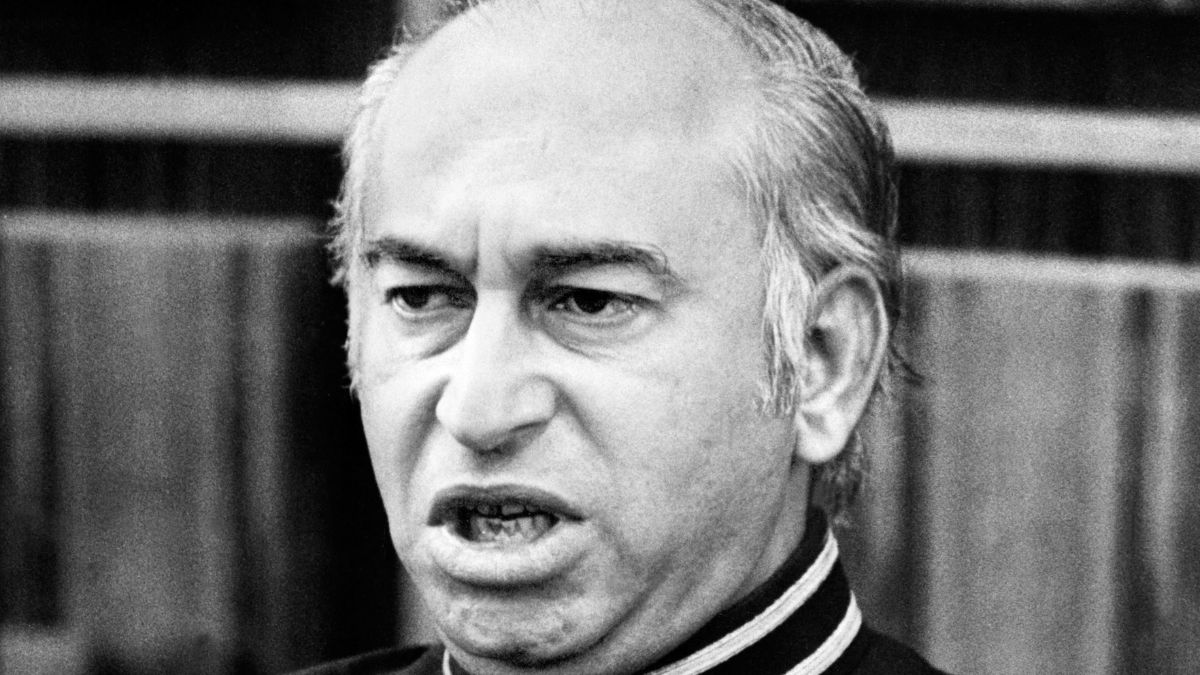
 "History Today: How Zulfikar Ali Bhutto took charge of Pakistan after losing 1971 war")
Pakistan was grappling with the shame and aftereffects of losing East Pakistan in the Bangladesh Liberation War. It was during this time that Zulfikar Ali Bhutto took over the presidency of the nation on December 20, 1971. He succeeded General Yahya Khan, whose popularity had taken a dip after the war.
If you are a history geek who loves to learn about important events from the past, Firstpost Explainers’ ongoing series, History Today will be your one-stop destination to explore key events.
On this day in 1957, the King of Rock’ n Roll, Elvis Presley, was drafted into the US Army at the peak of his fame.
Here is all that happened on this day across the world.
Zulifkar Ali Bhutto takes over the presidency of Pakistan
Zulfiqar Ali Bhutto took over as president of Pakistan on December 20, 1971, in the aftermath of the country’s devastating defeat in the Bangladesh Liberation War. The war had ended just days earlier with the surrender of Pakistani forces in Dhaka on December 16, leading to the creation of Bangladesh and one of the deepest crises in Pakistan’s history.
The military loss shattered the authority of President General Yahya Khan, whose rule had already been weakened by political unrest and international pressure. Facing widespread anger and protests, Yahya Khan stepped down, clearing the way for Bhutto, the leader of the Pakistan Peoples Party (PPP), to assume power. Bhutto became both president and the country’s first civilian Chief Martial Law Administrator.
Pakistan had lost half its population, significant territory and much of its international standing. The economy was struggling, morale was low, and the military’s credibility had been badly damaged. Bhutto moved quickly to consolidate authority and present himself as a leader capable of rebuilding the country.
In his early days as president, Bhutto promised reforms and national renewal. He released political prisoners, lifted some restrictions on civil liberties and sought to restore civilian rule. On the global stage, he worked to secure the release of Pakistani prisoners of war held in India and to re-establish Pakistan’s diplomatic position. His leadership at the 1972 Shimla Agreement talks with Indian Prime Minister Indira Gandhi was seen as crucial in stabilising relations after the war.
Bhutto’s rise marked a major turning point in Pakistan’s political history. His populist style, emphasis on socialism and promise of “Islamic democracy” reshaped national politics.
Elvis Presley was drafted into the US Army
In a moment that stunned fans around the world, the King of Rock n Roll, Elvis Presley, was drafted into the US Army on this day in 1957. His induction notice made clear that even the biggest star in the country was not exempt from military service.
Presley reported to the draft board in Memphis, Tennessee, where he was classified 1-A which meant he was eligible for immediate service. Unlike some entertainers who sought special treatment, Presley did not request deferment or a safer assignment. His decision to serve as an ordinary soldier earned him respect from critics who had once viewed him as a bad influence on youth.
He was formally inducted into the Army on March 24, 1958, and later sent to Germany, where he served with the 3rd Armored Division. During his time in uniform, Presley kept a relatively low profile. His service temporarily paused his music career, but his popularity endured as pre-recorded songs and films were released while he was away.
The draft marked a turning point in Presley’s public image. His military service softened his rebellious reputation and helped him gain broader acceptance in mainstream American culture. When he returned in 1960, he came back as a more polished entertainer, shifting toward movies and a smoother musical style.
This Day, That Year
The Space Force was established on this day in 2019 by US President Donald Trump.
In 1974, Ethiopia was declared a socialist state.
South Carolina became the first US state to secede from the Union on this day in 1860.
With inputs from agencies


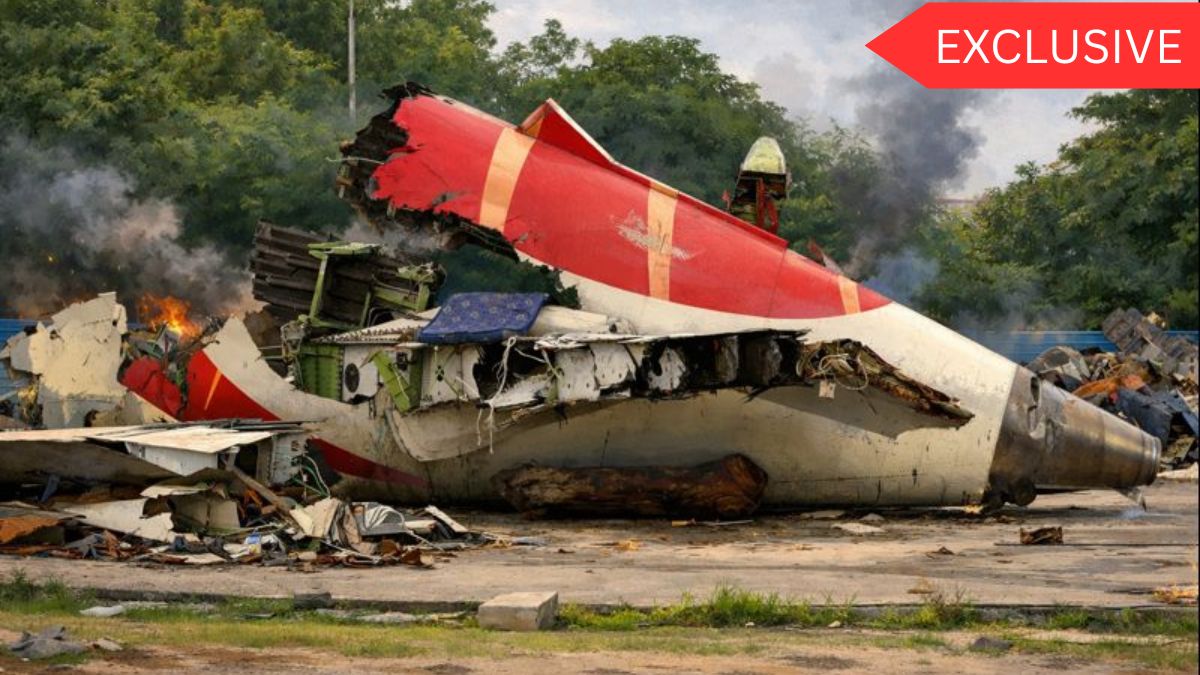 "'Don’t blame the pilots’: Boeing whistleblower calls 787 an ‘electrical monster’ after Air India crash")
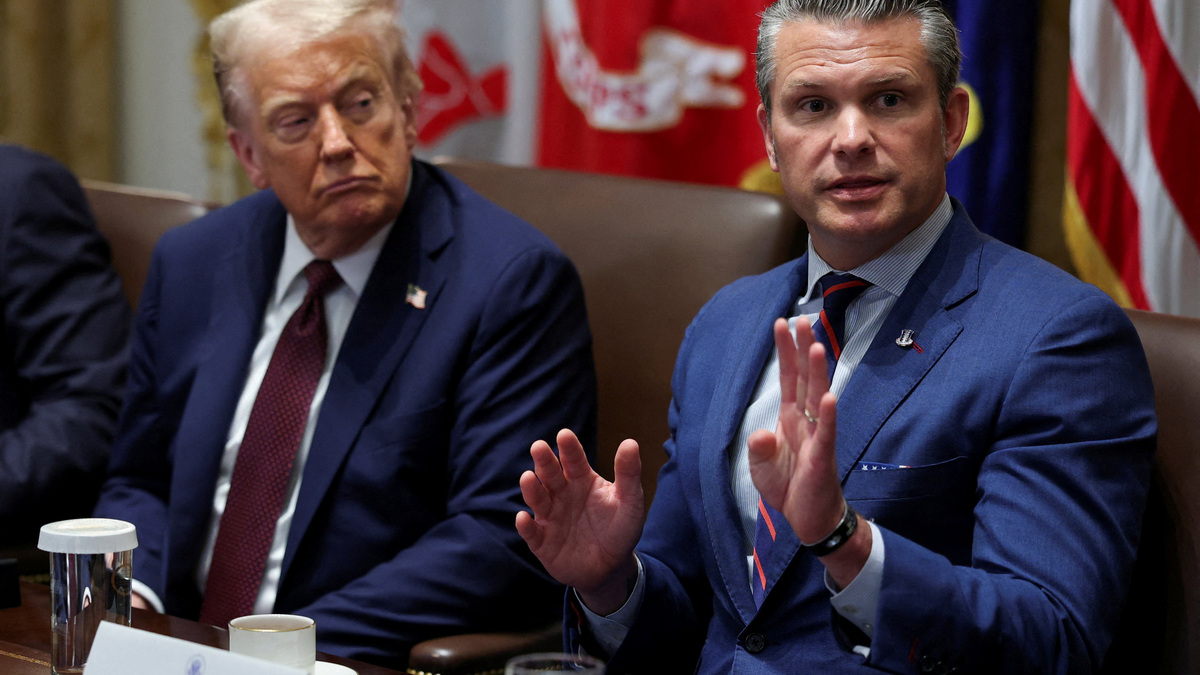 "US launches massive airstrike against Isis targets in Syria, Trump calls it 'serious retaliation'")
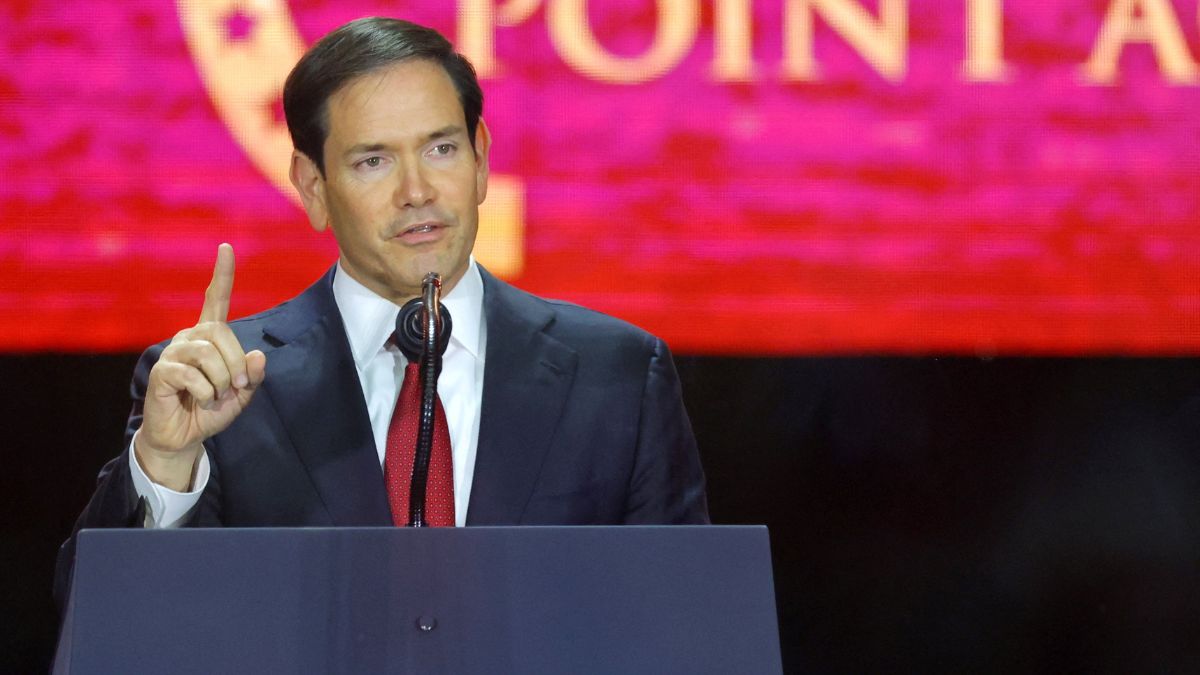 "Rubio says US will establish Gaza governance board, International stabilisation force to be deployed soon")
 "Why Europe went for a loan to help Ukraine instead of frozen Russian assets")
 "'Don’t blame the pilots’: Boeing whistleblower calls 787 an ‘electrical monster’ after Air India crash")
 "US launches massive airstrike against Isis targets in Syria, Trump calls it 'serious retaliation'")
 "Rubio says US will establish Gaza governance board, International stabilisation force to be deployed soon")
 "Why Europe went for a loan to help Ukraine instead of frozen Russian assets")



