

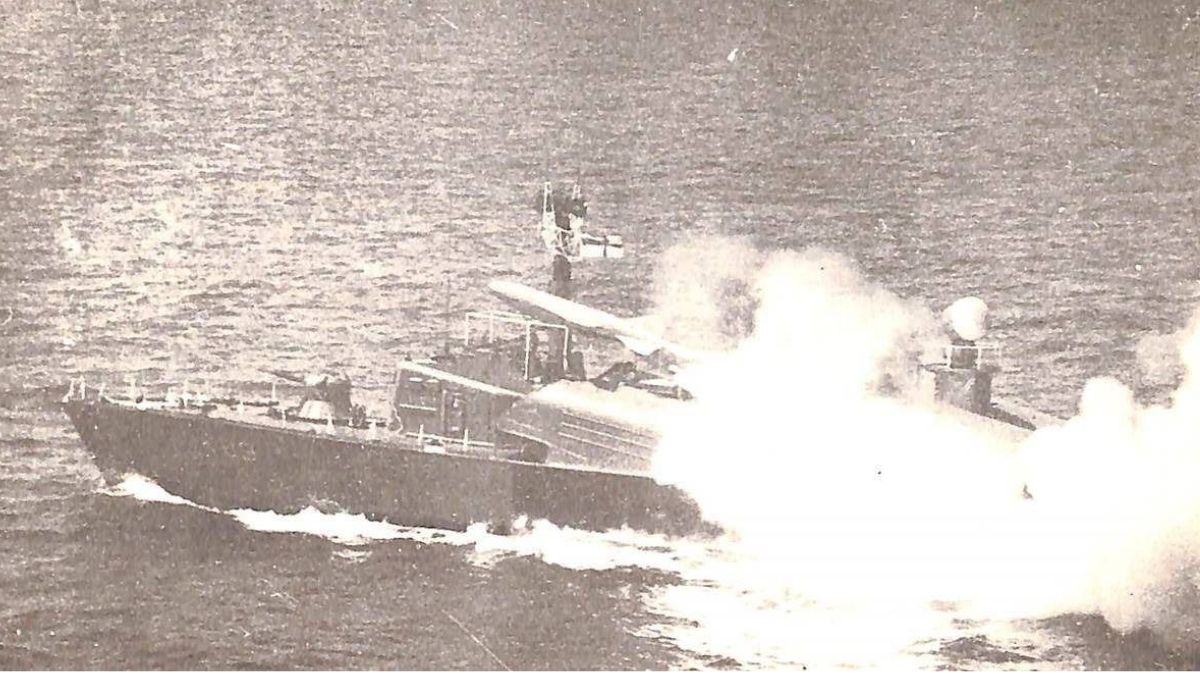
 "History Today: When the Indian Navy struck Karachi during the 1971 war")
Fifty-four years ago, on December 4 1971, a remarkable operation took place when the Indian Navy launched ‘Operation Trident’ during the Indo-Pakistani War.
It was a daring naval offensive and a testament to courage and precision, which crippled Pakistan’s Karachi harbour, inflicting significant damage on its ships and installations.
In this edition of Firstpost’s ongoing series of History Today, we recall ‘Operation Trident’, a testament to legacy.
Remembering Operation Trident
Each year, on December 4, India celebrates the crucial role of the Indian Navy during the 1971 India-Pakistan War as Navy Day. The success of the operation known as Trident marked a turning point, showcasing the skill and bravery of the Indian Navy. This operation handicapped the Pakistani navy, inflicting a significant blow to its war efforts.
It also earned several gallantry awards, including the Maha Vir Chakra. Since 1972, Navy Day has been celebrated to honour this victory and the role of the Indian Navy in protecting our nation’s interests.
Commodore Babru Bhan Yadav was the first recipient of the Maha Vir Chakra in the Indian Navy for his astounding bravery and actions in the 1971 Indo-Pak war
But what was the operation all about?
On December 4, 1971, the Indian Navy launched a surprise attack on Karachi harbour. The strike destroyed Pakistani naval vessels and fuel storage, crippling Pakistan’s naval strength.
The mission was carried out in phases. In the first, at 10.45 pm, the radar on INS Nirghat picked up PNS Khaibar, a Battle-class destroyer, patrolling the approaches to Karachi.
At 10.50 pm, Nirghat launched missiles, striking down Khaibar with devastating accuracy. One missile hit the starboard side near the boiler room; the second tore into her hull aft. Within minutes, the destroyer was engulfed in flames and sinking.
Quick Reads
View AllWithin minutes, INS Nipat picked up another contact — the destroyer PNS Shah Jahan. The ship launched three missiles this time. Shah Jahan attempted some evasive action but was hit squarely. The explosions crippled the ship, leaving her burning and dead in the water. She would never return to combat.
Later, approximately 11.20 pm, Nipat moved to the next phase — hitting Karachi itself. The vessel fired two missiles at the Kemari Oil Storage Tanks, a strategic reserve that held nearly half of Pakistan’s wartime fuel. The missiles slammed into the tanks, triggering huge explosions that lit up the night sky for miles on end. Flames rose hundreds of feet, turning the coastline into a fiery silhouette.
Meanwhile, INS Veer picked up a smaller contact, moving eastward. It was PNS Muhafiz, a minesweeper. At close range, Veer fired one Styx missile, which ripped the ship apart. She sank rapidly, with a large loss of life.
In less than an hour, three Pakistani warships had been destroyed; Karachi was in flames and the Indian task group remained unharmed.
Amanda Knox convicted of murder in Italy
On this day in 2009, a 22-year-old American exchange student, Amanda Knox, was convicted of murdering her British roommate, Meredith Kercher, in 2007 in Italy’s Perugia.
According to prosecutors, Kercher’s throat had been slashed, with multiple stab wounds as well as signs of sexual assault. Kercher shared the room with other women in Perugia, the capital city of the Umbria region in central Italy.
Knox, a Seattle native, was arrested after questioning by police. However, she denied any wrongdoing, stating that she was at computer science student Sollecito’s house the night when this horrific incident occurred. The suspicion rose after she gave conflicting statements about her whereabouts at the time of the crime.
The third person, Rudy Guede, an Ivorian native, was also convicted of taking part in the killing along with others. He was sentenced to 30 years in prison, which was later reduced to 16 years after an appeal.
In October 2011, a verdict that made several international headlines after an Italian court reversed the murder convictions of both Knox and Sollecito. They were released from prison.
China adopted its current constitution
China’s current constitution, the “82 Constitution”, was adopted on December 4, 1982, by a vote at the National People’s Congress.
It has had a total of four constitutions to date. In 1954, the constitution formulated was the first constitution that was established after the founding of New China.
The “82 Constitution” is closely related to the country’s Reform and Opening-up process, which is broadly divided into three stages.
The nationwide discussion, deliberation, adoption and proposal of the constitutional amendment draft.
With inputs from agencies


 "Putin India Visit LIVE Updates: India and Russia sign Vision 2030 to boost economic cooperation, explore FTA with EEU, says PM Modi")
 "India, Russia agree to boost trade, investments after Modi-Putin talks")
 "DGCA puts new pilot rest rule behind IndiGo flight cancellations on hold")
 "'India is not neutral...': How Modi's diplomacy has triumphed amid the Russia-Ukraine war")
 "Putin India Visit LIVE Updates: India and Russia sign Vision 2030 to boost economic cooperation, explore FTA with EEU, says PM Modi")
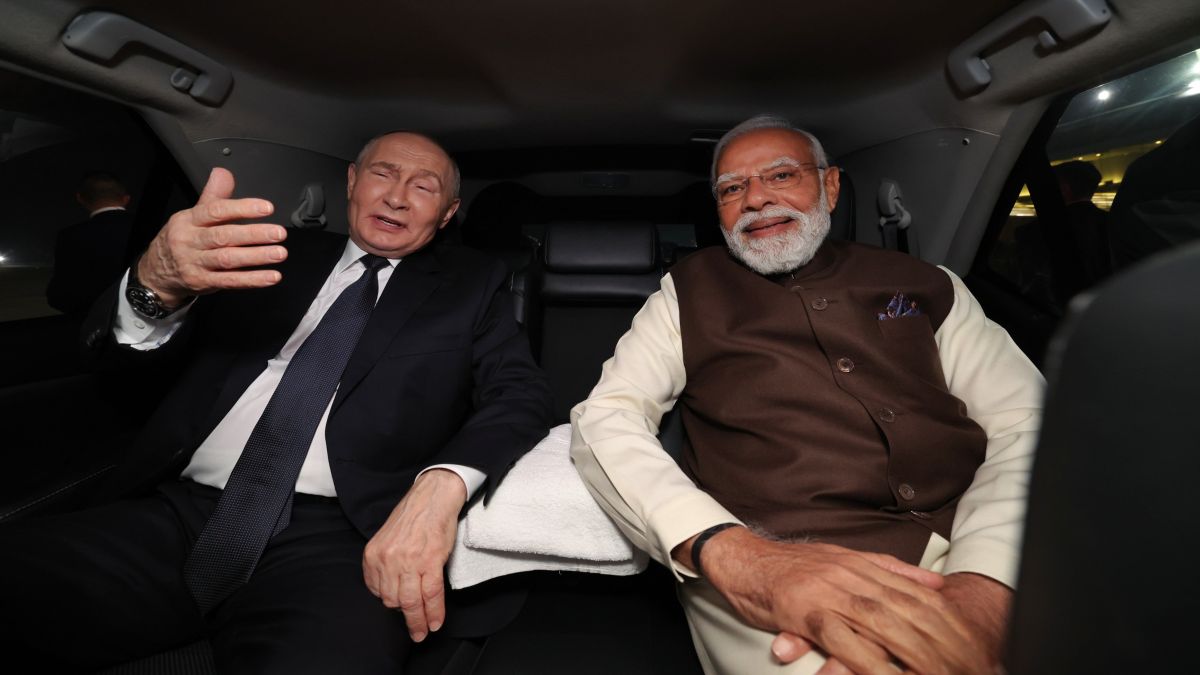 "India, Russia agree to boost trade, investments after Modi-Putin talks")
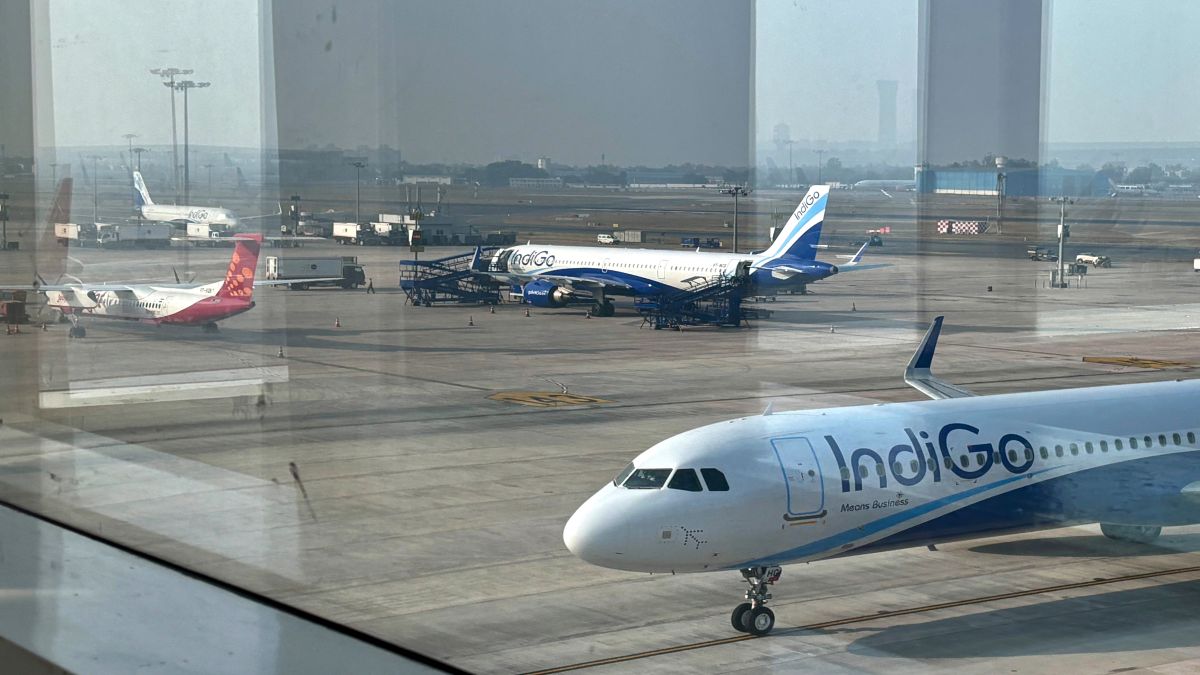 "DGCA puts new pilot rest rule behind IndiGo flight cancellations on hold")
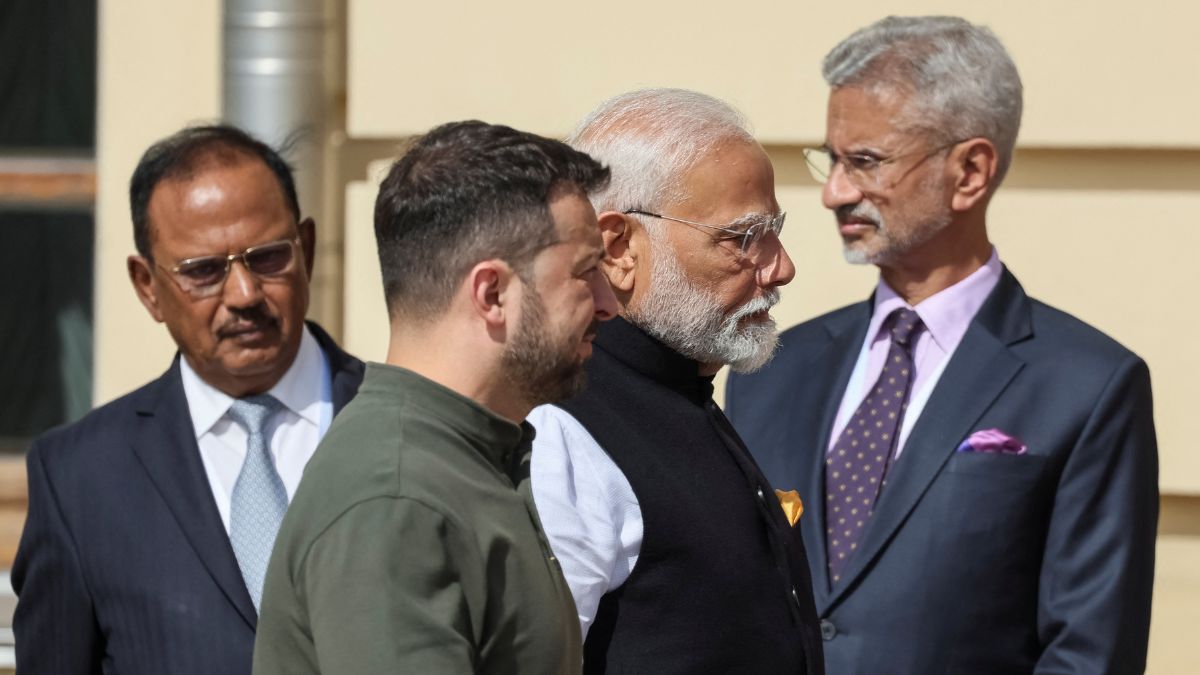 "'India is not neutral...': How Modi's diplomacy has triumphed amid the Russia-Ukraine war")



