Firstpost
  • Video Shows
    Vantage Firstpost America Firstpost Africa First Sports
  • World
    US News
  • Explainers
  • News
    India Opinion Cricket Tech Entertainment Sports Health Photostories
  • Lifestyle
  • India-EU Summit
Trending Donald Trump Narendra Modi Elon Musk United States Joe Biden

Sections

  • Home
  • Live TV
  • Videos
  • Shows
  • World
  • Entertainment
  • India
  • Explainers
  • Opinion
  • Sports
  • Cricket
  • Lifestyle
  • Health
  • Tech/Auto
  • Web Stories
  • Business
  • Impact Shorts

Shows

  • Vantage
  • Firstpost America
  • Firstpost Africa
  • First Sports
  • Fast and Factual
  • Between The Lines
  • Flashback
  • Live TV

Events

  • Putin in India
  • Bihar Election
  • Raisina Dialogue
  • Independence Day
  • Champions Trophy
  • Delhi Elections 2025
  • Budget 2025
  • Firstpost Defence Summit
Trending:
  • Russia-Ukraine-US trilateral
  • Republic Day 2026
  • Trump vs Nato
  • Winter storm in US
  • Ishan Kishan
  • Border 2 review
fp-logo
History Today: When India entered the nuclear club with 'Operation Smiling Buddha'
Whatsapp Facebook Twitter
Trending

Sections

  • Home
  • Live TV
  • Videos
  • Shows
  • World
  • Entertainment
  • India
  • Explainers
  • Opinion
  • Sports
  • Cricket
  • Lifestyle
  • Health
  • Tech/Auto
  • Web Stories
  • Business
  • Impact Shorts

Shows

  • Vantage
  • Firstpost America
  • Firstpost Africa
  • First Sports
  • Fast and Factual
  • Between The Lines
  • Flashback
  • Live TV

Events

  • Putin in India
  • Bihar Election
  • Raisina Dialogue
  • Independence Day
  • Champions Trophy
  • Delhi Elections 2025
  • Budget 2025
  • Firstpost Defence Summit

History Today: When India entered the nuclear club with 'Operation Smiling Buddha'

FP Explainers • May 18, 2025, 09:32:51 IST
Whatsapp Facebook Twitter

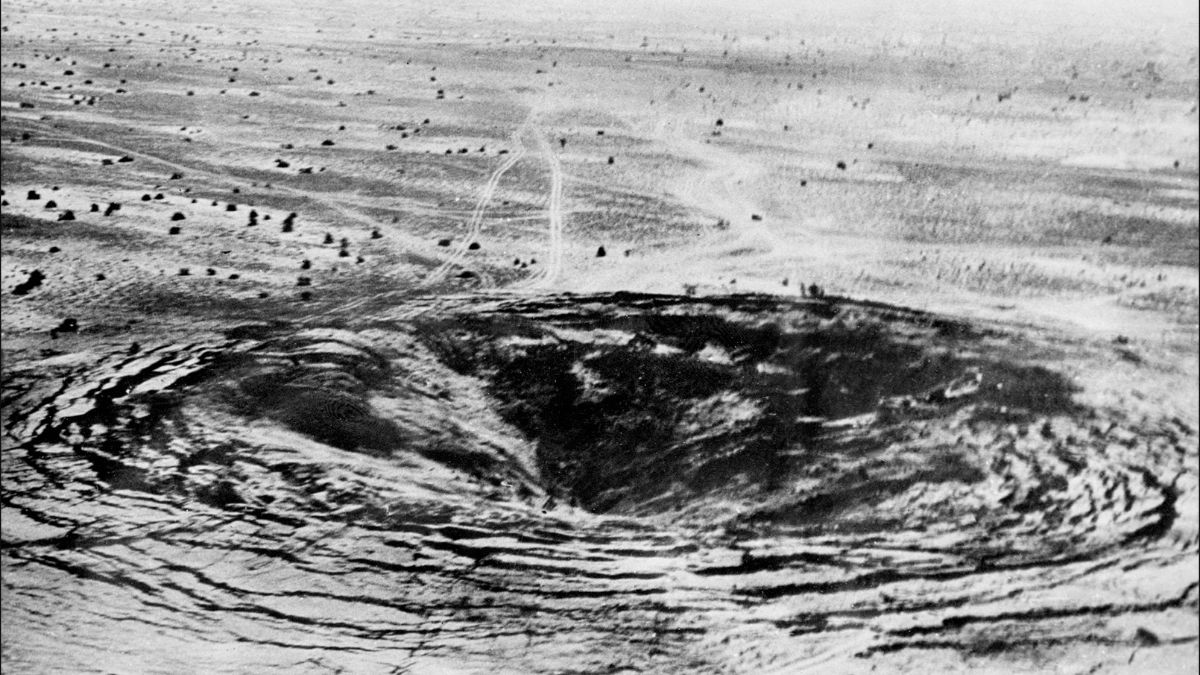
On May 18, 1974, India made history by conducting its first nuclear test in the Pokhran desert of Rajasthan. Code-named ‘Smiling Buddha’ on the occasion of Buddha Purnima, the test marked India’s formal entry into the league of nuclear-capable nations

Advertisement
Subscribe Join Us
+ Follow us On Google
Choose
Firstpost on Google
History Today: When India entered the nuclear club with 'Operation Smiling Buddha'
A crater marks the site of the first Indian underground nuclear test conducted 18 May 1974 at Pokhran in the desert state of Rajasthan. AFP

May 18 marks a defining moment in India’s journey to becoming a global power.

In 1974, India surprised the world by entering the nuclear age with its first atomic test at Pokhran, dubbed “Smiling Buddha.” Despite international criticism and suspension of nuclear cooperation, India remained resolute and continued to build its nuclear capabilities.

Just six years later, in 1980, the United States faced one of the deadliest natural disasters in its modern history—the catastrophic eruption of Mount St. Helens. As many as 57 people lost their lives in the incident.

STORY CONTINUES BELOW THIS AD

Here’s a closer look at the moments that made history on May 18 in  Firstpost Explainers’ ongoing series, History Today.

India conducts its first nuclear test

On May 18, 1974, India made history by conducting its first nuclear test in the Pokhran desert of Rajasthan. Code-named Smiling Buddha, the test marked India’s formal entry into the league of nuclear-capable nations, becoming the first country outside the five permanent members of the UN Security Council to do so.

More from Explainers
Despite bumps on the road, 5th round of US-Iran nuclear talks set for Friday in Rome Despite bumps on the road, 5th round of US-Iran nuclear talks set for Friday in Rome Moody’s cuts US rating to Aa1, cites debt and governance issues Moody’s cuts US rating to Aa1, cites debt and governance issues

The journey to this test began decades earlier. In 1954, India set up the Department of Atomic Energy under the leadership of Dr Homi J Bhabha. The programme was initially focused on peaceful uses of nuclear energy, but the geopolitical situation took a shift. China’s nuclear test in 1964 heightened security concerns in India.

Further, the 1968 Nuclear Non-Proliferation Treaty (NPT) came into being. The treaty allowed the five declared nuclear states—US, UK, Russia, France, and China—to retain their weapons, while restricting others from developing the same capabilities. India termed the move as discriminatory and believed this denied it the right to strategic autonomy and technological progress.

Editor’s Picks
1
Explained: How many nuclear weapons do India and Pakistan have?
2
Did India’s Operation Sindoor cause a nuclear leak in Pakistan? What’s behind the rumours?

“Scientists like Homi Bhabha, who played a critical role in nuclear testing, advocated retaining at least the option of developing Peaceful Nuclear Explosives (PNEs) for civilian purposes like mining and earth-moving projects,” according to the Observer Research Foundation (ORF).

Then, PM Indira Gandhi took a strong stance against the discriminatory NPT and authorised the efforts of the Indian nuclear establishment “to achieve a functional nuclear explosive capability over the next several years, in pursuit of the peaceful option if needed,” states ORF.

STORY CONTINUES BELOW THIS AD
It is being said that after the test was successfully done, Dr. Ramanna called the then Prime Minister Indira Gandhi and told her, “The Buddha has smiled”. (Image: Twitter/Congress)
It is being said that after the test was successfully done, Dr. Ramanna called the then Prime Minister Indira Gandhi and told her, “The Buddha has smiled”. (Image courtesy: X/Congress)

Over the next several years, Indian scientists worked in secret to prepare for a test. Finally, on Buddha Purnima in 1974, an underground detonation was successfully carried out in Pokhran. The yield was estimated to be between 10 and 15 kilotons.

While the government described it as a peaceful nuclear explosion, the test sent shockwaves across the world. It invited condemnation from Canada, which had supplied the reactor used for the test, and the United States, which suspended nuclear cooperation. Pakistan too expressed alarm, accelerating its own nuclear ambitions. Some critics also suggested it was a political move by the Gandhi government to deflect attention from the economic crisis.

Yet, despite the backlash, Smiling Buddha marked India’s arrival as a nuclear-capable state—and rewrote the rules of global power.

The eruption of Mount St Helens

On the same day in 1980, Mount St Helens in Washington State, US, erupted violently in the deadliest and most economically damaging volcanic event in the nation’s history.

STORY CONTINUES BELOW THIS AD

Triggered by a 5.1 magnitude earthquake, the north face of the volcano collapsed, causing the largest landslide ever recorded. This released a lateral blast of hot gas and rock that swallowed everything in its path, flattening over 230 square miles (595 sq km) of forest.

The massive eruption column rose 15 miles into the sky, and ash was carried eastward by the prevailing winds, reaching as far east as the central United States and even Canada.

Mount St Helens in Washington State, US, erupted violently in the deadliest and most economically damaging volcanic event in the nation’s history. File image.AFP

Fifty-seven people were killed, including volcanologist David Johnston and photographer Reid Blackburn. The financial cost exceeded $1 billion, with entire communities, ecosystems, and transport networks disrupted.

“There were indirect and intangible costs of the eruption as well,” the USGS website states. “Unemployment in the immediate region of Mount St Helens rose tenfold in the weeks immediately following the eruption and then nearly returned to normal once timber salvaging and ash cleanup operations were underway.”

The disaster marked a turning point in how the US approached volcanic hazards. It led to improvements in monitoring and disaster preparedness, with Mount St Helens now serving as one of the most studied volcanoes in the world.

STORY CONTINUES BELOW THIS AD

With input from agencies

Follow Firstpost on Google. Get insightful explainers, sharp opinions, and in-depth latest news on everything from geopolitics and diplomacy to World News. Stay informed with the latest perspectives only on Firstpost.
Tags
India United States of America
  • Home
  • Explainers
  • History Today: When India entered the nuclear club with 'Operation Smiling Buddha'
End of Article
Latest News
Find us on YouTube
Subscribe
  • Home
  • Explainers
  • History Today: When India entered the nuclear club with 'Operation Smiling Buddha'
End of Article

Quick Reads

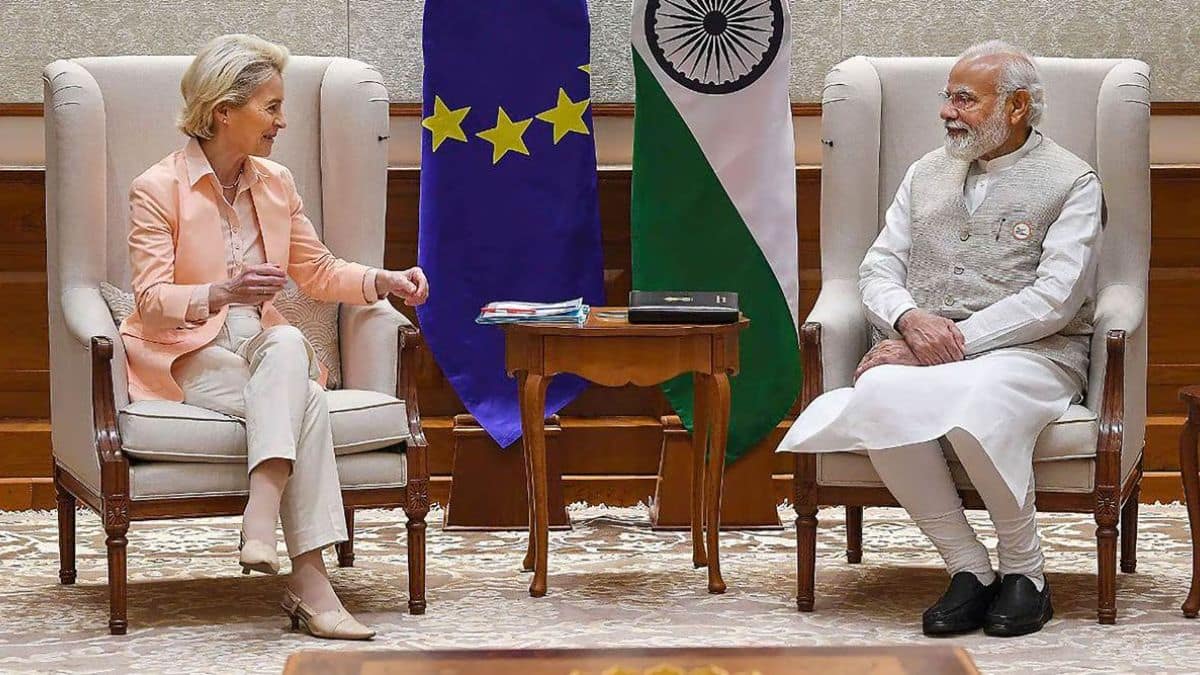
India, EU on cusp of historic trade deal: What’s agreed, what are the sticking points?

India, EU on cusp of historic trade deal: What’s agreed, what are the sticking points?

India and the EU are nearing a historic trade agreement that could create a combined market of two billion people and nearly a quarter of global GDP. The deal aims to cut tariffs on European cars and wine, boost Indian exports like textiles and chemicals, and expand bilateral trade exceeding $190 billion. Key sticking points include phased tariff cuts, data security, and concerns over the EU's carbon border levy and non-tariff barriers, with ratification potentially facing parliamentary hurdles.

More Quick Reads

Top Stories

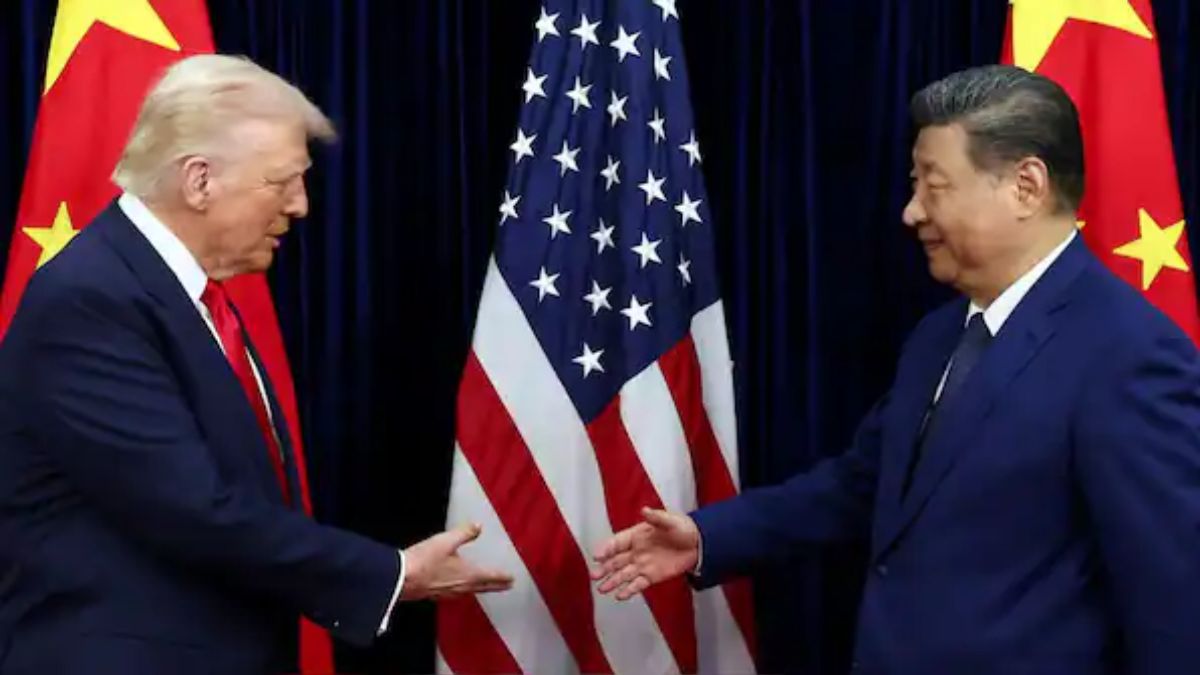
Pentagon no longer views China as top threat, offers 'more limited' support to US allies

Pentagon no longer views China as top threat, offers 'more limited' support to US allies

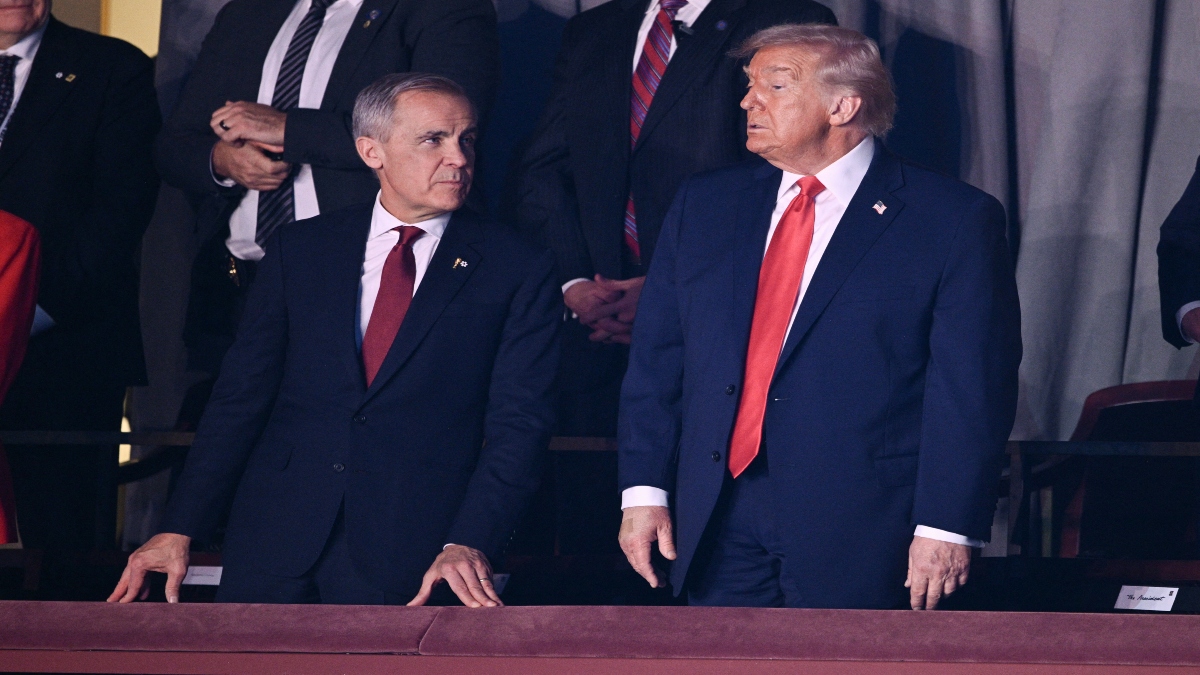
'Governor Carney sorely mistaken': Trump threatens 100% tariff on Canada over its potential China trade deal

'Governor Carney sorely mistaken': Trump threatens 100% tariff on Canada over its potential China trade deal

Bangladesh out of 2026 T20 World Cup, announces ICC; Scotland named replacement team

Bangladesh out of 2026 T20 World Cup, announces ICC; Scotland named replacement team

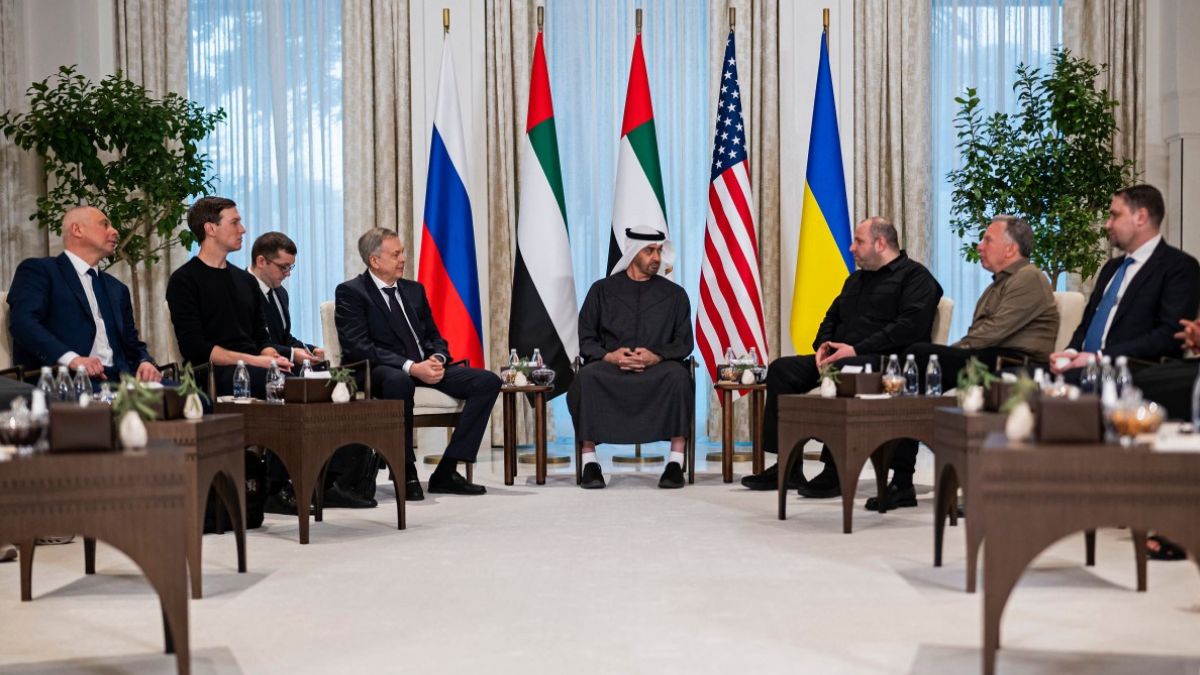
Ukraine peace talks conclude in Abu Dhabi as Donbas issue remains unresolved

Ukraine peace talks conclude in Abu Dhabi as Donbas issue remains unresolved

Pentagon no longer views China as top threat, offers 'more limited' support to US allies

Pentagon no longer views China as top threat, offers 'more limited' support to US allies

'Governor Carney sorely mistaken': Trump threatens 100% tariff on Canada over its potential China trade deal

'Governor Carney sorely mistaken': Trump threatens 100% tariff on Canada over its potential China trade deal

Bangladesh out of 2026 T20 World Cup, announces ICC; Scotland named replacement team

Bangladesh out of 2026 T20 World Cup, announces ICC; Scotland named replacement team

Ukraine peace talks conclude in Abu Dhabi as Donbas issue remains unresolved

Ukraine peace talks conclude in Abu Dhabi as Donbas issue remains unresolved

Top Shows

Vantage Firstpost America Firstpost Africa First Sports
Enjoying the news?

Get the latest stories delivered straight to your inbox.

Subscribe
Latest News About Firstpost
Most Searched Categories
  • Web Stories
  • World
  • India
  • Explainers
  • Opinion
  • Sports
  • Cricket
  • Tech/Auto
  • Entertainment
  • Photostories
  • Lifestyle
NETWORK18 SITES
  • News18
  • Money Control
  • CNBC TV18
  • Forbes India
  • Advertise with us
  • Sitemap
Firstpost Logo

is on YouTube

Subscribe Now

Copyright @ 2024. Firstpost - All Rights Reserved

About Us Contact Us Privacy Policy Cookie Policy Terms Of Use
Home Video Quick Reads Shorts Live TV