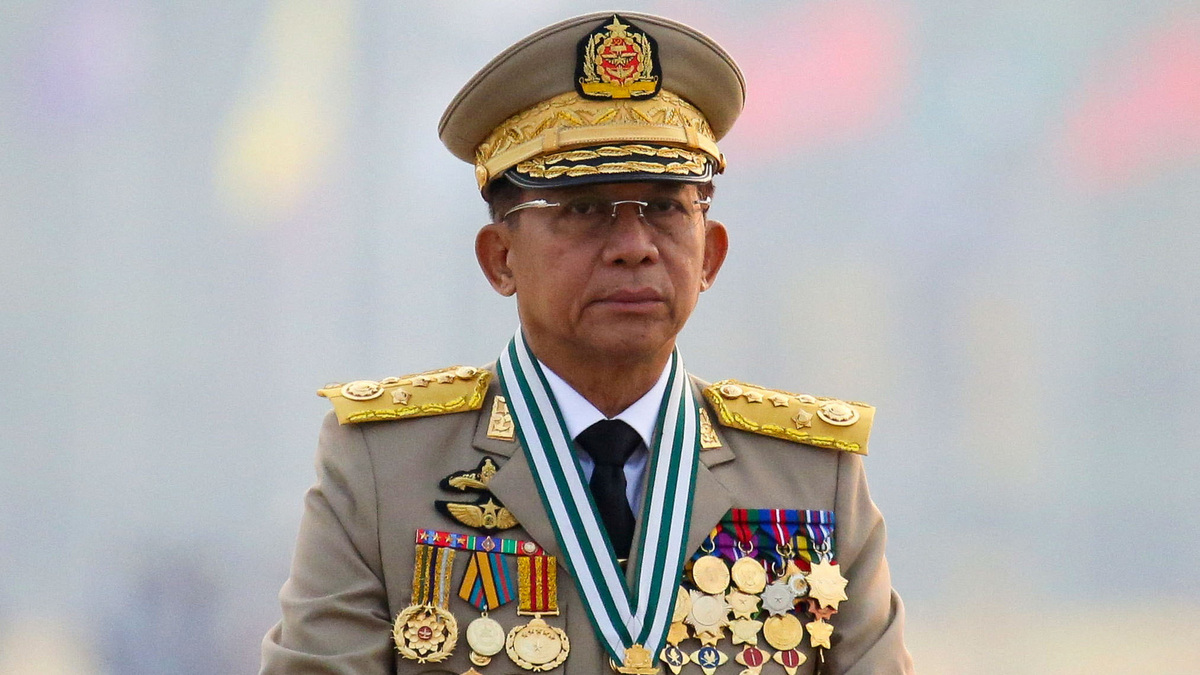
 "General, coup leader and now president: Meet Myanmar's Min Aung Hlaing")
Min Aung Hlaing has been sworn in as the president of Myanmar.
It marks a dramatic shift for Min, who served for decades in the military, including 15 years as commander-in-chief.
In 2021, just months before his planned retirement, he stunned many by launching a coup that ousted Nobel Peace Prize laureate Aung San Suu Kyi and other leaders. Today, Myanmar remains gripped by civil strife.
Early days
Min Aung Hlaing is a member of the Dawei ethnic group, often seen as part of Myanmar’s Burmese majority but with a distinct cultural identity.
He spent his early childhood in central Myanmar, where his father was head of the arts department at a teacher training college, he said in a 2020 interview.
He studied law at university before joining the military in 1974 and enrolling in an officer academy, reportedly on his third attempt.
Rise through the ranks
Rising through the ranks, he built his credentials by leading a campaign against an ethnic rebel insurrection around key trade crossings with China.
His predecessor, Than Shwe, ruled Myanmar for nearly two decades. However, Min Aung Hlaing had the unusual experience of serving as a top general under civilian leadership, albeit with the military still playing a dominant role in politics.
Even before the 2021 coup, he had become persona non grata in many countries for commanding the 2017 military crackdown on the Rohingya ethnic minority, which forced around 750,000 people to flee to Bangladesh.
He was banned from Facebook for stoking hate speech, heavily sanctioned, and the International Criminal Court’s chief prosecutor is seeking his arrest for crimes against humanity.
He has consistently denied all allegations of human rights abuses.
Min Aung Hlaing was just months away from mandatory retirement when he carried out the coup, deposed the democratic government and installed a military junta under his leadership.
After more than 50 years in the military, including 15 as commander-in-chief, he was elected to the civilian role of president on Friday.
The bespectacled officer became head of the armed forces in 2011, just as Myanmar began moving away from decades of strict military rule and towards democracy.
He spent a decade in a power struggle with civilian leaders before launching the coup five years ago, jailing Aung San Suu Kyi and triggering a brutal civil war that continues today.
Most recently, his official title in state media has been:
“State Security and Peace Commission Chairman Commander-in-Chief of Defence Services Senior General Thadoe Maha Thray Sithu Thadoe Thiri Thudhamma Min Aung Hlaing”.
Rise to president
Friday’s presidential election followed a series of coordinated moves after pro-military parties secured a landslide victory in a tightly controlled poll overseen by the junta.
He was first replaced as commander-in-chief, then nominated as vice-president in the lower house. Parliament—dominated by military officers and allies—subsequently elected him president by an overwhelming majority.
The junta, officially known as the “State Security and Peace Commission”, effectively dissolved upon his appointment, giving his continued rule a civilian facade.
A former spymaster, often described as his “eyes and ears”, succeeded him as military chief, ensuring a loyal ally remains in control of the armed forces.
The developments followed Myanmar’s annual Armed Forces Day parade, where tanks, multiple rocket launchers, and even mini-submarines were displayed in one of the military’s largest shows of force in recent years.
Min Aung Hlaing said the incoming government had been “legitimately elected by the people” and that the military would support it to “strengthen and sustain the multi-party democracy system”.
However, the vote was widely condemned as illegal.
According to the Asian Network for Free Elections, parties that won 90% of seats in the 2020 elections—including Suu Kyi’s National League for Democracy—were barred from participating after being dissolved.
There is no official death toll for Myanmar’s civil war, and estimates vary widely.
According to the Armed Conflict Location & Event Data (ACLED), as many as 90,000 people may have been killed since the coup, including conscripts forcibly recruited by the military.
FAQs
1) Who is Min Aung Hlaing?
Min Aung Hlaing is a Myanmar military leader who led the 2021 coup. He has now become the country’s president.
2) Why is he controversial?
He is accused of human rights abuses, particularly during the 2017 Rohingya crackdown, and faces international sanctions and legal scrutiny.
3) What is the situation in Myanmar now?
Myanmar remains in civil conflict following the 2021 coup, with tens of thousands believed to have been killed and widespread political instability.
With inputs from agencies

 "Iran Israel War Live News: Italian PM Meloni begins Gulf visit amid Iran war and energy security concerns")
 "Trump seeks $1.5 trillion defence budget as Iran war costs near $2 billion a day")
 "US launches search for missing crew after fighter jet reportedly downed in Iran")
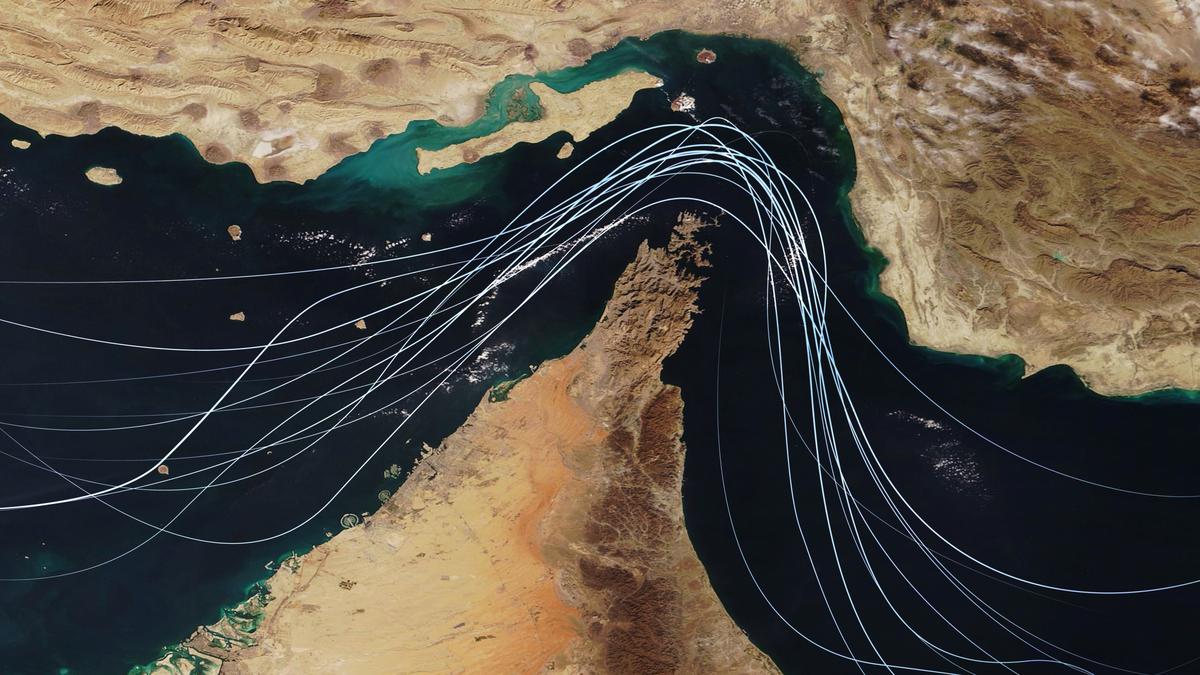 "Trump says US can 'easily' open Hormuz, take oil and 'make a fortune,' but needs more time")
 "Iran Israel War Live News: Italian PM Meloni begins Gulf visit amid Iran war and energy security concerns")
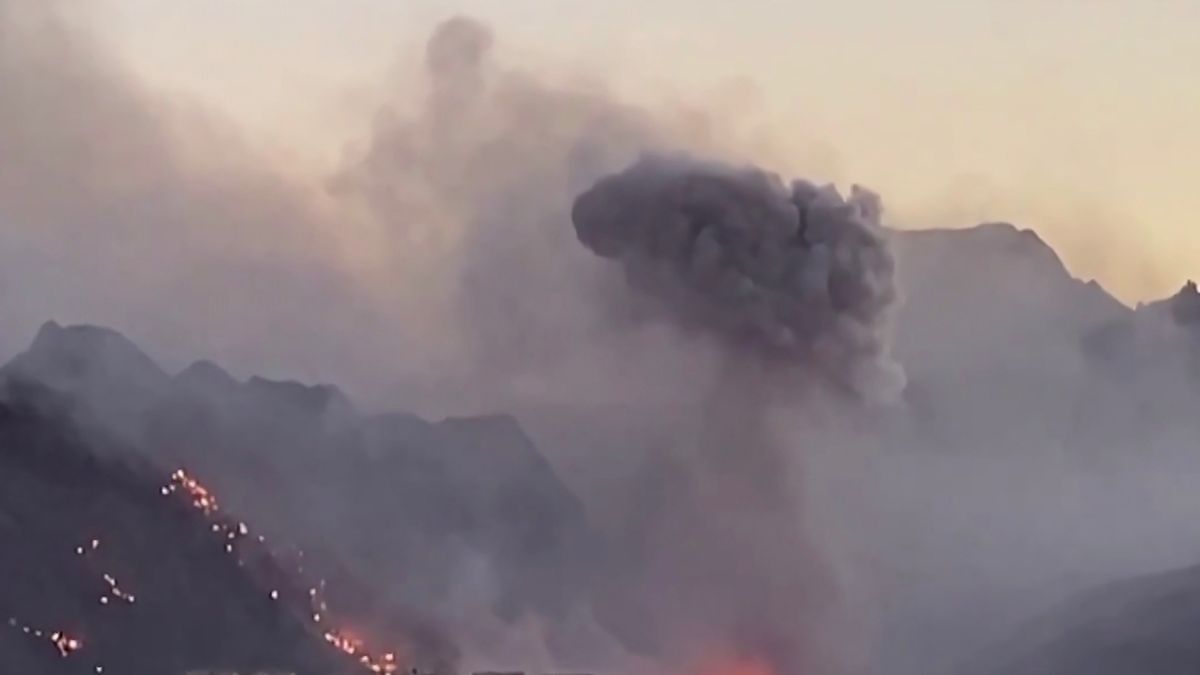 "Trump seeks $1.5 trillion defence budget as Iran war costs near $2 billion a day")
 "US launches search for missing crew after fighter jet reportedly downed in Iran")
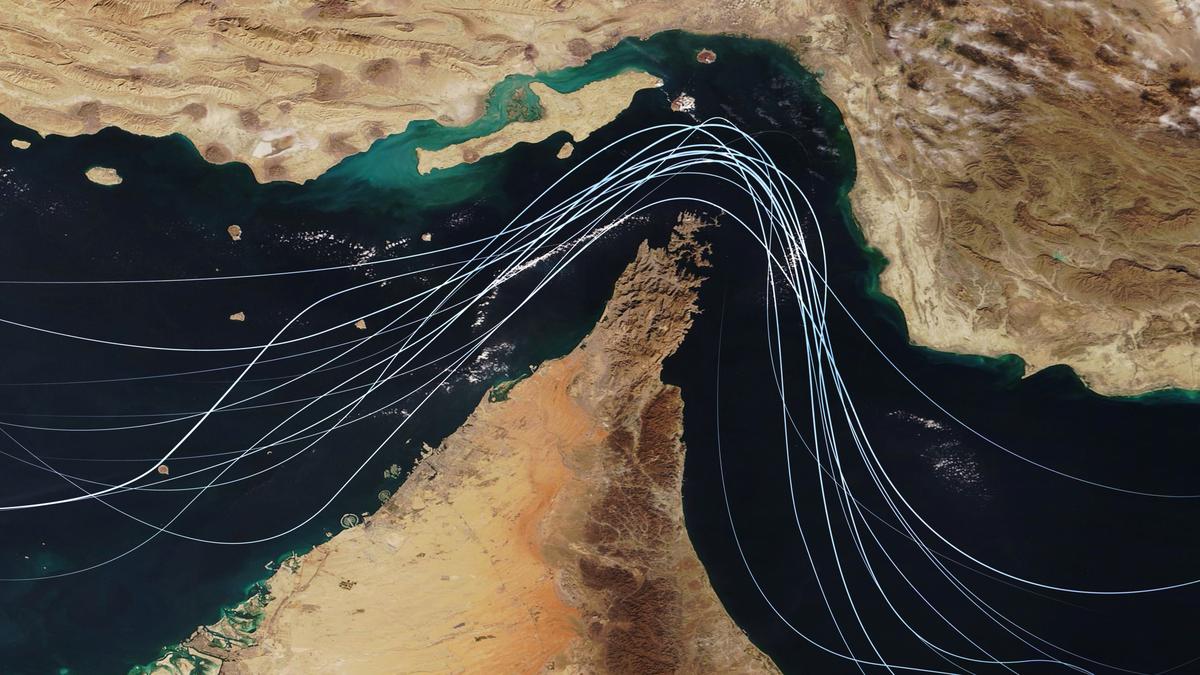 "Trump says US can 'easily' open Hormuz, take oil and 'make a fortune,' but needs more time")