 "Gallup to stop tracking US presidential ratings after 88 years. Is there a Trump link?")
Gallup has announced it will no longer track presidential ratings.
The famed pollster has been doing so for eight decades. The development comes as US President Donald Trump has railed against his declining popularity ratings with the public.
But what do we know? What did Gallup say? Is there a Trump link?
Let’s take a closer look.
A brief look at Gallup
First, let’s take a brief look at Gallup.
The agency was founded in 1958 by George Horace Gallup, an American statistician. At the time, Dwight D Eisenhower was serving as the 34th President of the United States. However, George’s involvement in polling preceded the founding of the agency.
As per Britannica, George founded the American Institute of Public Opinion in 1935. This agency gained popularity after predicting that Franklin D Roosevelt would beat Alf Landon during the 1936 presidential election. This prediction ran counter to many of the other polls at the time.
George also established the Gallup International Research Institutes (GIRI) in the 1930s, an international polling team that had members in almost 15 nations. The Gallup agency would eventually replace GIRI.
Though the agency would eventually expand into business and marketing research, it remains synonymous with presidential polling. So much so that it is the most widely cited pollster by different media companies. It claims to be used by over 4,000 organisations across the world.
It was Gallup that measured George W Bush’s popularity at a massive 90 per cent approval in the aftermath of the 9/11 attacks. As per Axios, President John F Kennedy, at a 70 per cent approval, has had the highest average rating of all presidents.
What is the agency saying?
The Washington DC-based firm has said its move is “solely based on Gallup’s research goals and priorities”.
The company has said it is halting charting the favourability rating of individual political figures and that the move “reflects an evolution in how Gallup focuses its public research and thought leadership.”
“Leadership ratings have been part of Gallup’s history,” the statement read. “At the same time, the context around these measures has changed. Leadership approval ratings are now widely produced, aggregated and interpreted, and no longer represent an area where Gallup can make its most distinctive contribution,” the statement continued.
The agency said it would continue its work in other areas.
“Our commitment is to long-term, methodologically sound research on issues and conditions that shape people’s lives,” a spokesperson for the agency has said. “That work will continue through the Gallup Poll Social Series, the Gallup Quarterly Business Review, the World Poll, and our portfolio of US and global research.”
Is there a Trump link?
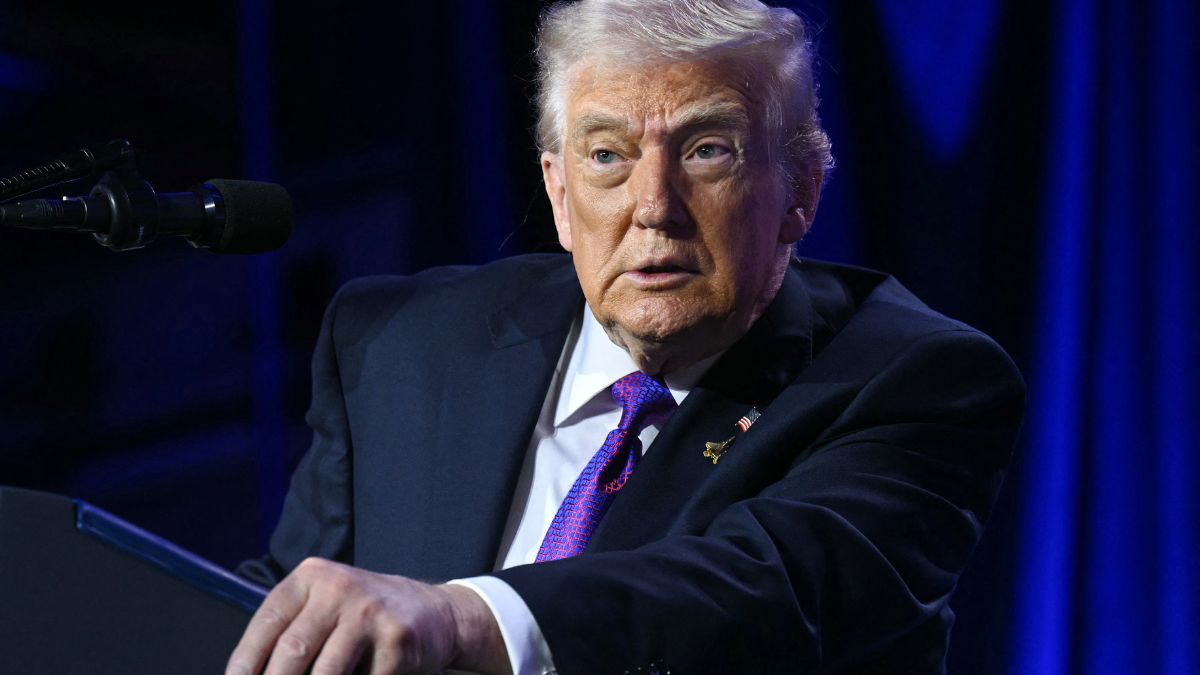
The development comes as Trump’s approval slid to 36 per cent in December, according to Gallup. Trump, who is serving his second and final term in office, has seen his popularity numbers fall over issues such as immigration and the economy. This has been particularly true with young people and independents.
A new Harvard/Harris poll shows most Americans now say Trump is doing a worse job than former president Joe Biden. Around 63 per cent of voters blame the state of the economy on Trump. More than half say the economy is worse under Trump than Biden.
A new Economist/YouGuv poll shows Trump’s populariry tumbling with Gen-Z. The poll, conducted February 6 to 9 among 1,730 US adult citizens, shows Trump’s approval rating at just 25 per cent among voters aged 18 to 29. Around 67 per cent of respondents disapprove of the job he is doing.
The US President has alternated between acknowledging and dismissing the polls.
“Well, I don’t believe the polls for one thing, because how can you not have – I saw a poll on the border where I’m at 55 per cent, okay?” Trump said during a recent interview. “How can I be at 55 per cent when everybody agrees that the border is totally, beautifully closed and nobody’s coming in unless they come in legally, etc, etc. It couldn’t be better. I should be at 100 per cent.”
Trump, in another interview, dismissed his poll numbers as “fake” and added that he would “have to do a better job of promoting his achievements”.
However, Trump during the same interview claimed, “we shouldn’t even have an election,” which many pointed towards as a sign of frustration about his poor polling numbers. The remark sent alarm bells ringing among many experts.
Trump wrote on Truth Social, “The highest Poll Numbers I have ever received. Obviously, people like a strong and powerful Country, with the best economy, EVER!”
Trump has long gone after polling firms that showed poor numbers. In January, after a poll from The New York Times showed his approval rating at 40 per cent, Trump threatened to expand the lawsuit against the newspaper to include defamation.
“The Times Siena Poll, which is always tremendously negative to me, especially just before the Election of 2024, where I won in a landslide, will be added to my lawsuit against The Failing New York Times,” Trump wrote.
The New York Times’ spokesperson Charlie Stadtlander responded, “President Trump likes polls that appear favourable to him and dislikes polls that do not. But whether a poll is good or bad for the president has no bearing on our methodology.”
Trump in December sued the Des Moines Register, its parent company Gannett, and pollster Ann Selzer for predicting that Kamala Harris would win Iowa.
With inputs from agencies


 "India, Israel elevate ties to special strategic partnership; PM Modi calls it ‘reflection of aspirations of both nations’")
 "India vs Zimbabwe LIVE Score, T20 World Cup 2026: Kishan falls for 38 after Abhishek completes fifty")
 "Who is Borge Brende, World Economic Forum chief who quit over Epstein files?")
 "US-Iran tension: Third round of nuclear talks begin in Geneva — can it avoid war?")
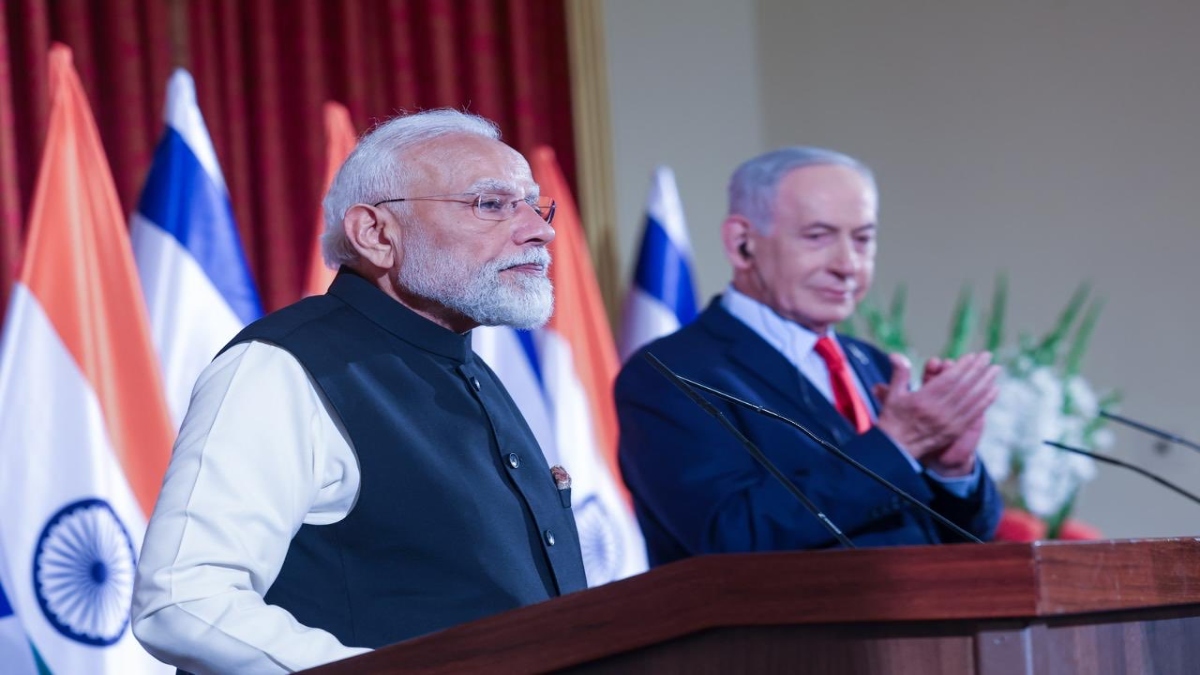 "India, Israel elevate ties to special strategic partnership; PM Modi calls it ‘reflection of aspirations of both nations’")
 "India vs Zimbabwe LIVE Score, T20 World Cup 2026: Kishan falls for 38 after Abhishek completes fifty")
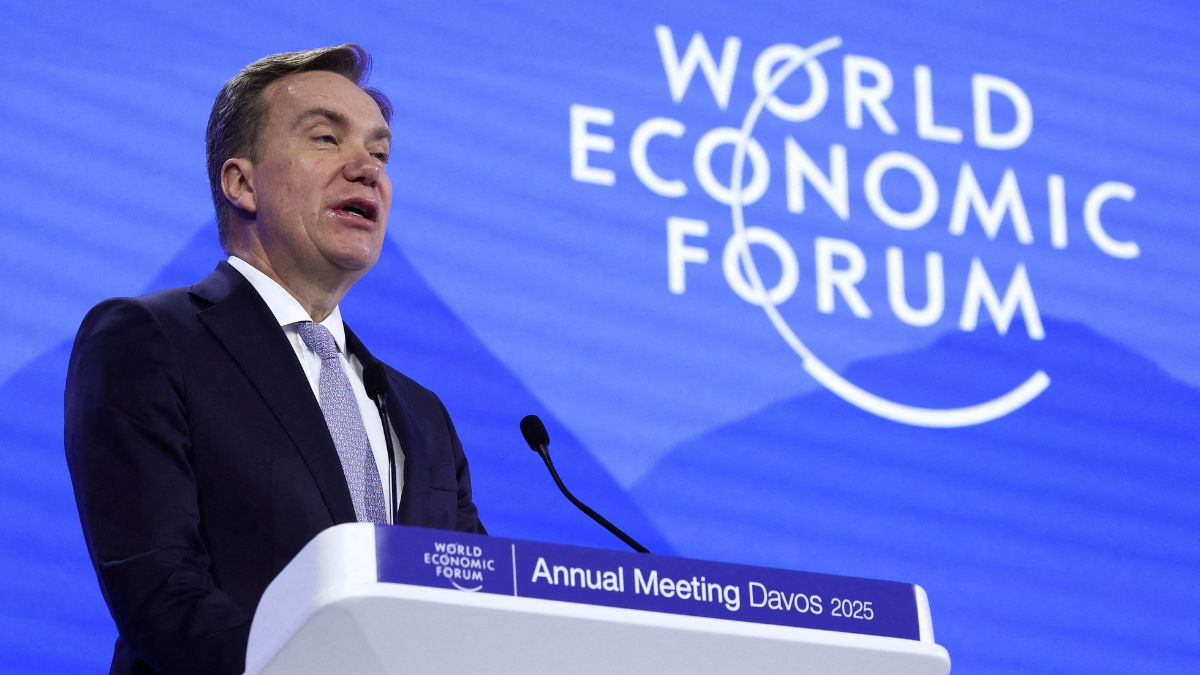 "Who is Borge Brende, World Economic Forum chief who quit over Epstein files?")
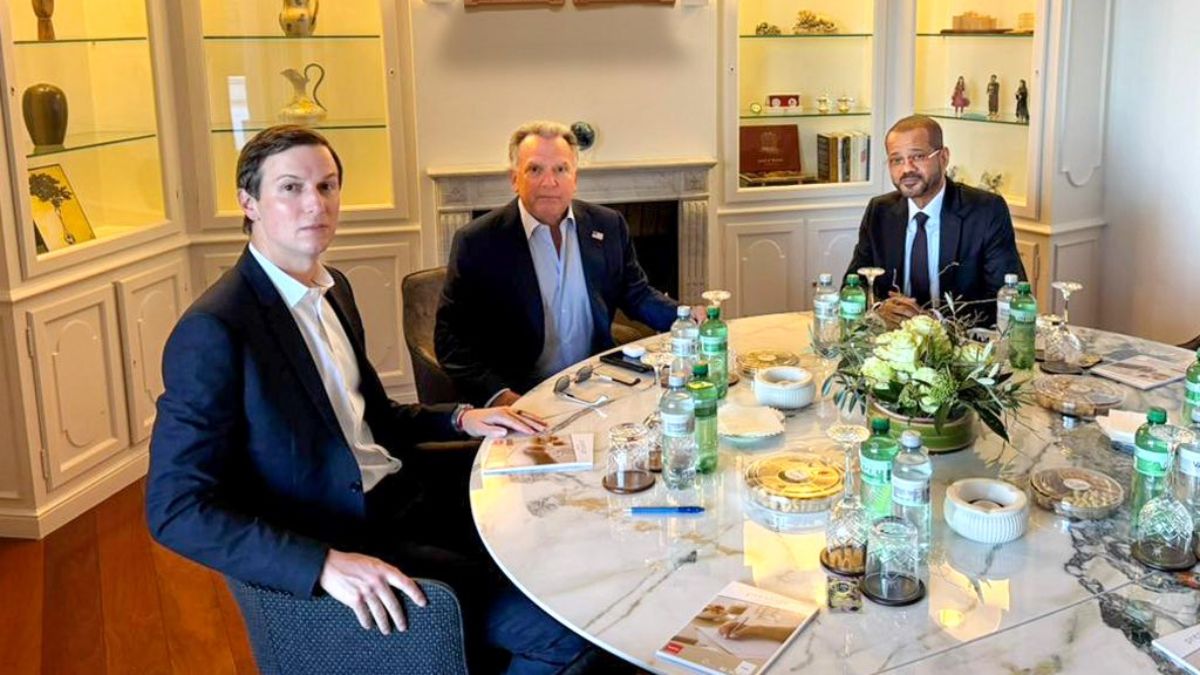 "US-Iran tension: Third round of nuclear talks begin in Geneva — can it avoid war?")