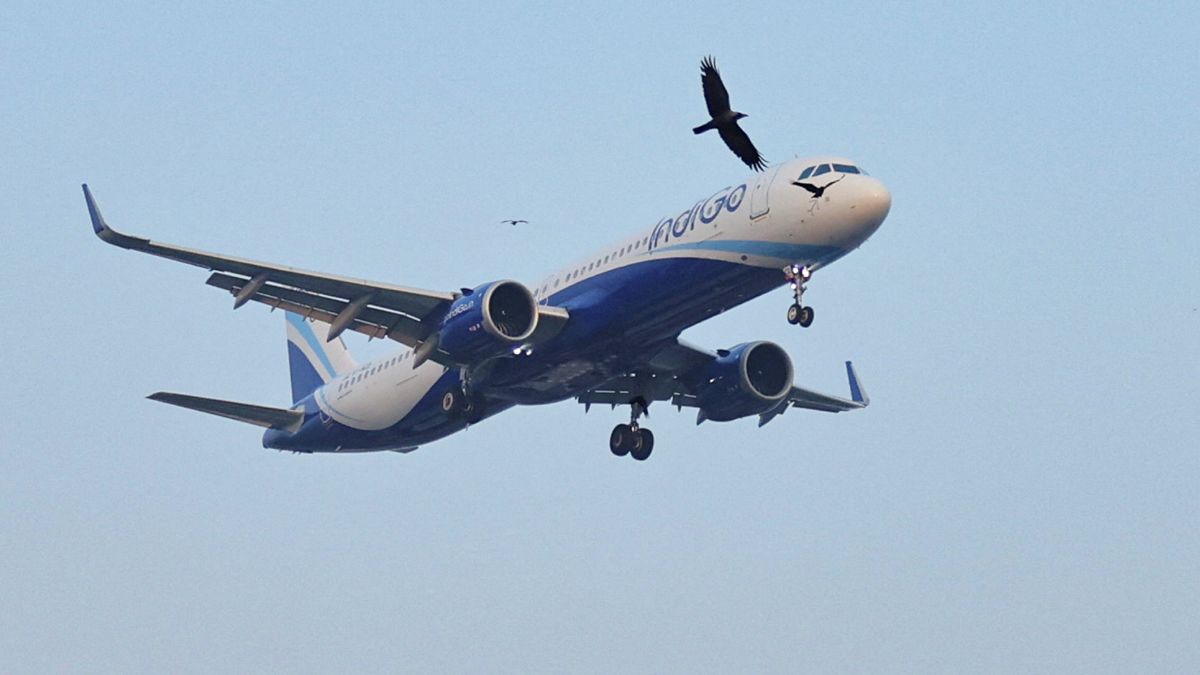
 "Airfares headed higher? How much could tickets cost as Iran war continues?")
Jet fuel prices have also shot up due to a perfect storm in West Asia. On Monday (March 30), aviation turbine fuel prices (ATF) were revised following a surge in global crude oil rates.
So, if you are planning a long-haul trip this summer? You may want to complete the booking before midnight tonight, as IndiGo is tweaking its fuel charge on tickets starting today (April 2).
The disruption in the Strait of Hormuz, the world’s most critical oil artery amid ongoing conflict, has sent jet fuel prices skyrocketing by a staggering 130 per cent month-on-month, according to IATA’s Jet Fuel Monitor, raising concerns about a steep rise in ticket costs.
We take a closer look.
Airfares to see a sharp hike?
The initial data released by Indian Oil Corporation suggested a sharp spike in ATF prices, prompting concerns of a significant increase in ticket costs. As the global situation remains dire, the government, however, stepped in to clarify that the increase for domestic airlines would be partial and staggered.
ATF is a deregulated product, and its prices have been moving in line with global crude oil trends. However, oil marketing companies have passed on only a partial price increase for domestic scheduled operations, as per the Ministry of Petroleum and Natural Gas.
At present, domestic airline fuel hikes stand at around Rs 21 per litre, whereas international routes are experiencing a far steeper hike of about Rs 110 per litre, reflecting rising global fuel prices.
To cushion the burden on domestic passengers, the government, through the ministry, allowed only a partial, staggered 25 per cent increase in fuel costs to be passed on to domestic airlines.
“The Indian aviation industry has welcomed this important decision and strategic decision by the Government of India to implement this limited increase of 25 per cent on aviation turbine fuel prices for domestic schedule carriers on domestic routes," said Asangba Chuba, joint secretary at the Ministry of Civil Aviation following the announcement of 25 per cent staggered increase on base price of ATF for domestic airlines.
What is IndiGo’s ticket price announcement?
Following this, on Wednesday (April 1), IndiGo announced that the airline would increase fuel charges across domestic and international routes starting today, citing a “sudden and substantial" shift in global operating costs.
“All bookings made from 0001 hrs on 02 April 2026 will include revised fuel charges,” IndiGo said.
The airline stated that it has adjusted fuel charges for domestic routes based on distance bands, following the government’s decision to permit only partial pass-through of increased costs.
“Thankful for timely intervention,” the airline also acknowledged the government’s role in cushioning the impact for domestic travel.
According to IndiGo, only a portion of the increased cost burden has been passed on to travellers. “Although fully offsetting the fuel price increase would require substantial fare revisions, we have passed on a relatively smaller amount to customers,” the airline noted, ensuring to continue to monitor fuel prices and make further adjustments if needed.
Domestic fuel charges vs International
All bookings made from April 2 will include revised fuel charges, and your ticket will reflect “new fuel charges” depending on how far you’re flying.
Domestic IndiGo flights:
0 – 500km: Rs 275
501 – 1,000km: Rs 400
1001 – 1,500km: Rs 600
1501 – 2,000km: Rs 800
Above 2,000km: Rs 950
International IndiGo flights
If you are heading abroad, the impact will be significantly greater, as international ATF prices have more than doubled in the last 30 days.
IndiGo has introduced a significant revision for new bookings:
UK & Europe: Prepare to pay an extra Rs 10,000 per sector.
CC & Middle East: Charges will range from Rs 3,000 to Rs 5,000, depending on the distance band.
Southeast Asia & China: Expect extra Rs 3,500 to Rs 5,000.
Africa: A flat Rs 5,000 hike per sector.
Airfares under pressure?
For airlines, fuel is one of the biggest expenses. When ATF prices soar, airlines usually attempt to pass on some of that cost to travellers. However, concerns have intensified as global fuel prices have soared sharply amid the ongoing bombing campaign in West Asia.
In fact, global ATF prices have nearly doubled within a month, rising from about $99 (around Rs 9,260) per barrel in late February to around $195 (around Rs 18,368) per barrel by the end of March. This steep jump is making airline operations significantly more expensive, India Today reported.
The ruling government is also attempting to prevent a sharp rise in ticket prices, with Civil Aviation Minister Ram Mohan Naidu reaching out to state governments, asking them to consider reducing Value Added Tax (VAT) on ATF, which may help lower overall fuel costs, according to sources.
Why VAT matters for airfares?
In India, VAT is not fixed. It varies from state to state and can be quite high. Airlines have repeatedly emphasised that reducing this tax can give them breathing space, particularly at a time when global prices are soaring.
If states agree to reduce VAT, it could ease the pressure for airlines and help prevent airfares from rising too sharply.
More hikes ahead?
The situation remains uncertain and could change soon.
Sources at oil marketing companies suggest that ATF prices could be revised in phases over the coming days, depending on how the conflict in West Asia evolves.
There are early signs that premium variants of petrol and diesel could see calibrated price increases if crude oil prices remain elevated.
As of now, domestic flyers have been partly shielded, whereas international passengers remain more exposed to rising fuel costs. How much of this ultimately translates into higher ticket prices will be based on the direction of global oil markets and currency movements.
With inputs from agencies

 "Iran Israel War News Live: India waives customs duty on key petrochemicals to shield industries amid US–Iran tensions")
 "‘Regime change not our goal’: Trump shifts Iran goalpost — with Ghalibaf in talks, Pahlavi in the wings")
 "Iran war is ending, but when? What Trump's speech answers and what it does not")
 "Did Obama send $1.7 billion in cash to Iran as Trump claims?")
 "Iran Israel War News Live: India waives customs duty on key petrochemicals to shield industries amid US–Iran tensions")
 "‘Regime change not our goal’: Trump shifts Iran goalpost — with Ghalibaf in talks, Pahlavi in the wings")
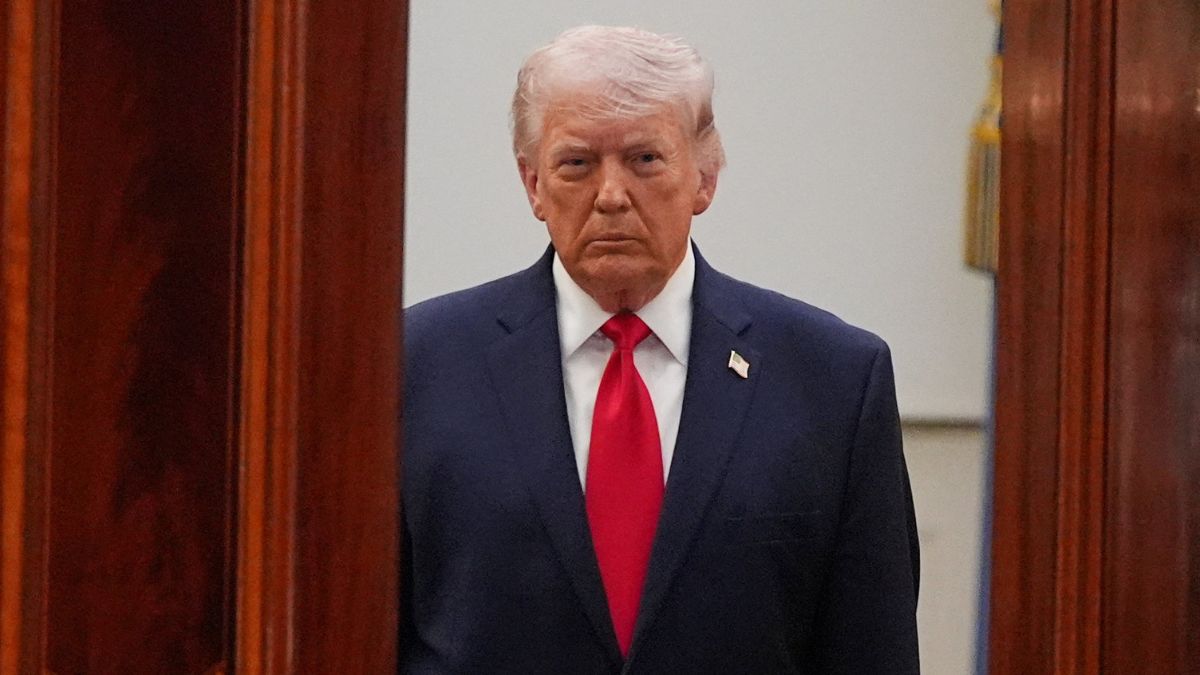 "Iran war is ending, but when? What Trump's speech answers and what it does not")
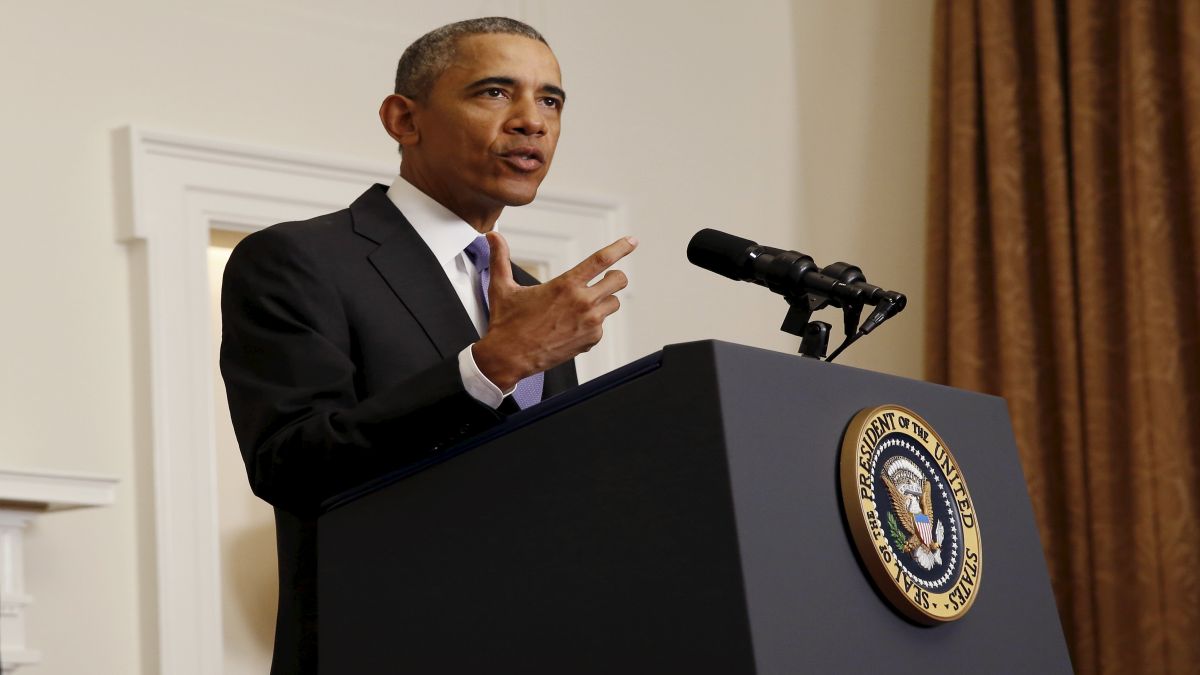 "Did Obama send $1.7 billion in cash to Iran as Trump claims?")