

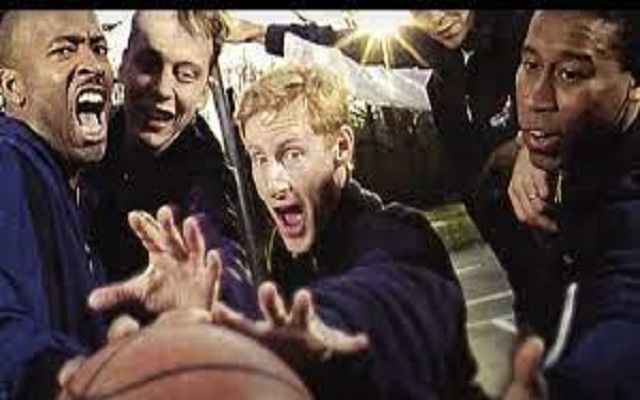
 "Untold: The Rise and Fall of AND1 transcends the journey of an iconic sports brand")
The latest documentary in Netflix’s Untold series tells the story of a landscape-altering movement that went viral before the internet age. Untold: The Rise and Fall of AND1, directed by Oscar-nominated film-maker Kevin Wilson Jr., feeds into the modern streaming trend of boom-to-bust startup narratives. AND1 was an underdog sports brand that came from nowhere to challenge the Goliath-sized likes of Nike, filling the void between pro-basketball and artistic expression before getting consumed by its own freestyle ambition. The fast-moving documentary does in 68 minutes what dramatized shows like WeCrashed , The Dropout and Inventing Anna struggle to do over multiple episodes: It transcends the ‘characters’ and conveys the essence of a cultural moment. By the end, there are no heroes and villains. There are just victors and victims of time. It is nobody’s triumph and everybody’s tragedy. The film-making mirrors the rollercoaster ride of AND1 as a downside-up phenomenon, replicating its energetic and decade-long rise in American consciousness for nearly 55 minutes of its running time. As someone completely oblivious of AND1 and its legacy in my formative (South Asian) years, I was hooked by the sheer audacity of the brand to be all idealistic and creative in the face of its multi-billion dollar rivals. The editing and pace make the viewer feel a lot like the streetball game endorsed by the brand: breathless, stylish, raw, relentless. Then comes the swift 13-minute decline, where all the tropes of overnight fame and internal conflict come to the fore. The disproportionate narrative might seem awkward at first, but it’s almost as though the makers hope to evoke the sudden absence of a cult like AND1 by celebrating – and amplifying – its clutter-breaking presence. And what a presence that was. The documentary works as both an extended introduction and a dizzying journey into the bowels of Western mythbuilding. Perhaps the beauty of the AND1 tale is that it used popular sport as a boiler to deconstruct all the best dimensions of the American Dream. We see the capsule of a startup story when three Ivy League graduates and basketball nerds cofound AND1 as a trash-talking t-shirt-quote company in a pizza parlour. We see the vision of not only tapping into the elusive street basketball aesthetic but also taking the grassroots of the game mainstream – the equivalent of turning the unrestrained skills and brilliance of Indian gully cricket into a cultural spectacle bigger than the IPL or international cricket. We see the hoop stars of this touring bandwagon – streetball legends like Hot Sauce, The Professor, Shane the Dribbling Machine, Skip 2 My Lou – living out their childhood dreams in an alternate language after being rejected by the big-boy leagues. We also see the fans who deflect from the exclusive Nikes and NBAs of America to reclaim the sultry soul of the game they love: packed stadiums, pandemonium for their local post-Jordan heroes, the AND1 Mixtape tour, the glorified exhibition games. A majority of the documentary focuses on the Mixtape tour and the players’ ground-level celebrity status, in a way admitting that AND1 was so synonymous with the freedom of streetball that it unknowingly embraced its conflicts as well. The ego battles are emblematic of a group that was torn between being grateful for unlikely fame and resentful for not being valued enough. Not to mention the racial undercurrents between a largely Black Mixtape team and the privileged White founders who positioned an empire on their talent. The documentary could have done a slightly better job of exploring the chronology of the downfall instead of presenting multiple reasons at once: Was it Nike co-opting the streetball movement? Was it contract problems with the stars? Or was it burnout for one of the founders? It’s never clear, though the narrative does suggest that AND1 flew too close to the sun without being prepared for the consequences. As a viewer and long-time sports nut, it really is quite a rush to, first of all, recognize the existence of this retro era, and secondly, realize that imagination was once the currency of success. The tricksters and showboaters of the AND1 Mixtape circuit didn’t play the game; they spoke through it. They spread joy and wonder with their moves, leaving viewers marveling at how they handled the ball and rather than how much they scored with it. The result was almost inconsequential to the visual gratification of watching self-trained players make the game look accessible and magical at once. They brought fans closer to a street-rooted game that had become cold, distant and too rich for the average American’s liking. Perhaps it’s no coincidence that the end of AND1 somewhat coincided with the demise of Brazil as a global footballing giant. The Samba superstars won their last World Cup in 2002, after which the beautiful game has been steadily erasing the ‘beautiful’ from its identity. Ever since, Brazil’s trademark street fluidity has been steadily replaced by the clinical and moneyed technicalities of European football. Money can buy everything – except, perhaps, the unfiltered DNA of a sport on the brink of industrial evolution. AND1 was symbolic of a limitlessness that lay between amateur and professional sport, between picking up a skill and being consumed by it. For lack of a better analogy, it created an ecosystem where a film-maker was paid to flaunt the foolish genius of their first film over and over again. This documentary might be about a once-in-a-lifetime brand, but it’s really about the last time life could simultaneously be composed of loving something and setting it free. Rahul Desai is a film critic and programmer, who spends his spare time travelling to all the places from the movies he writes about. Read all the Latest News , Trending News , Cricket News , Bollywood News , India News and Entertainment News here. Follow us on Facebook, Twitter and Instagram.
The latest Untold documentary does a fine job of merging sports, pop culture and artistic expression
Advertisement
End of Article

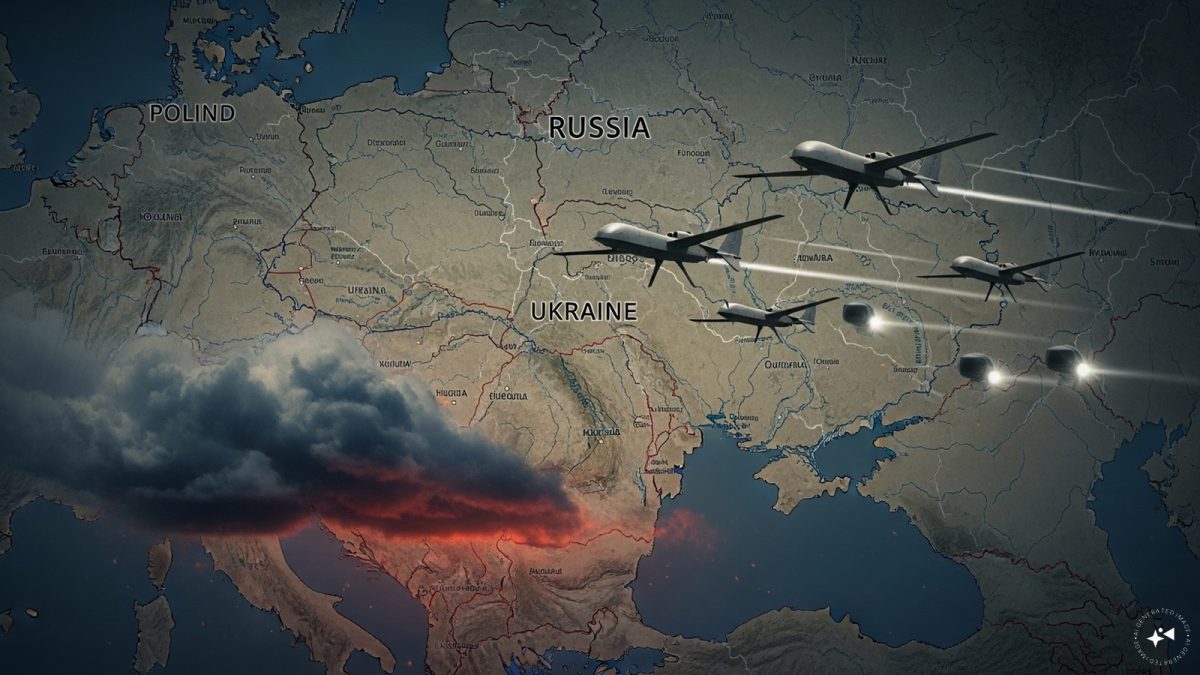 "Russian drones over Poland: Trump’s tepid reaction a wake-up call for Nato?")
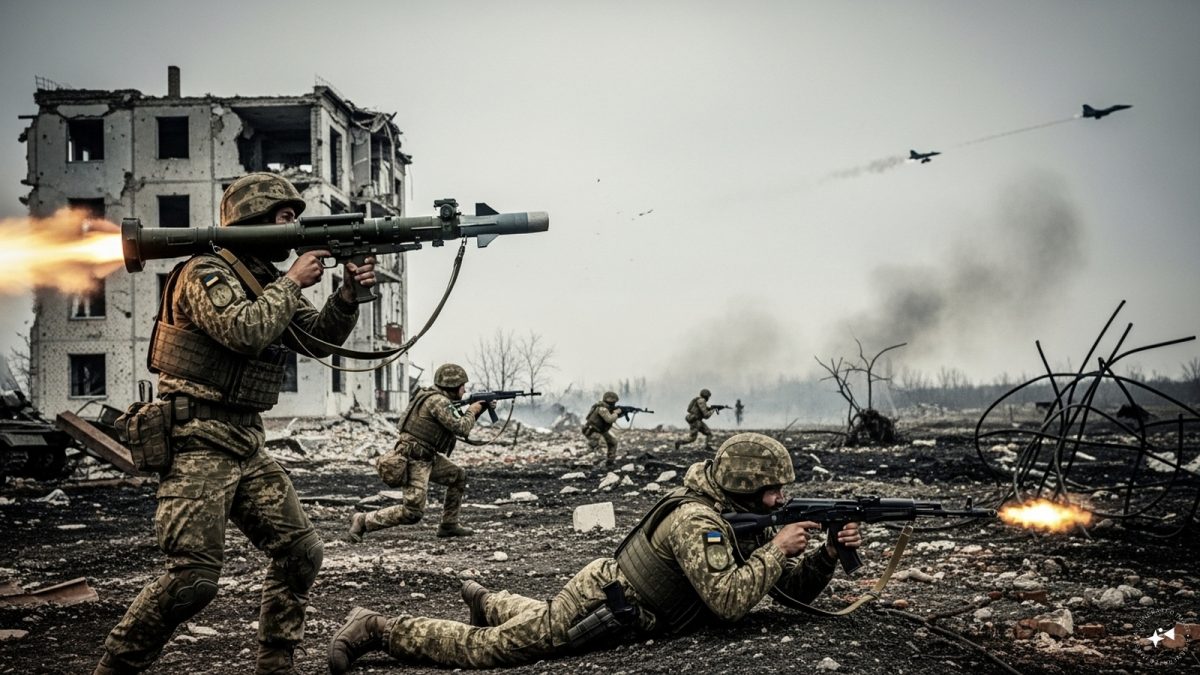 "As Russia pushes east, Ukraine faces mounting pressure to defend its heartland")
 "Why Mossad was not on board with Israel’s strike on Hamas in Qatar")
 "Turkey: Erdogan's police arrest opposition mayor Hasan Mutlu, dozens officials in corruption probe")
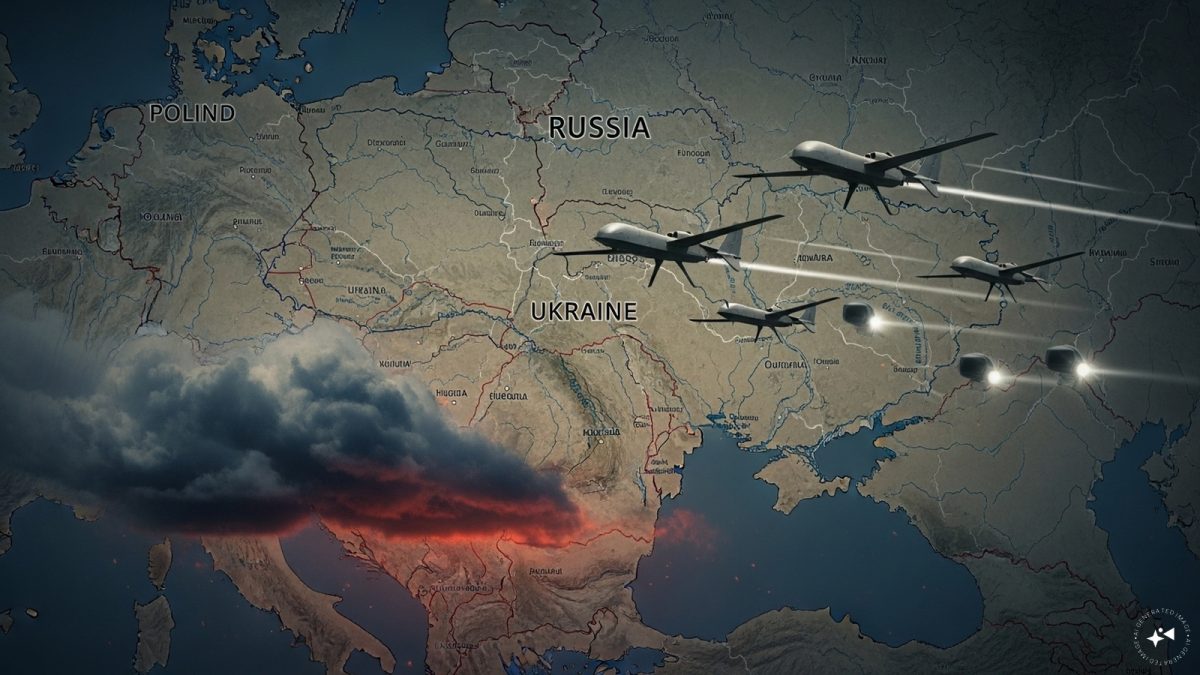 "Russian drones over Poland: Trump’s tepid reaction a wake-up call for Nato?")
 "As Russia pushes east, Ukraine faces mounting pressure to defend its heartland")
 "Why Mossad was not on board with Israel’s strike on Hamas in Qatar")
 "Turkey: Erdogan's police arrest opposition mayor Hasan Mutlu, dozens officials in corruption probe")



