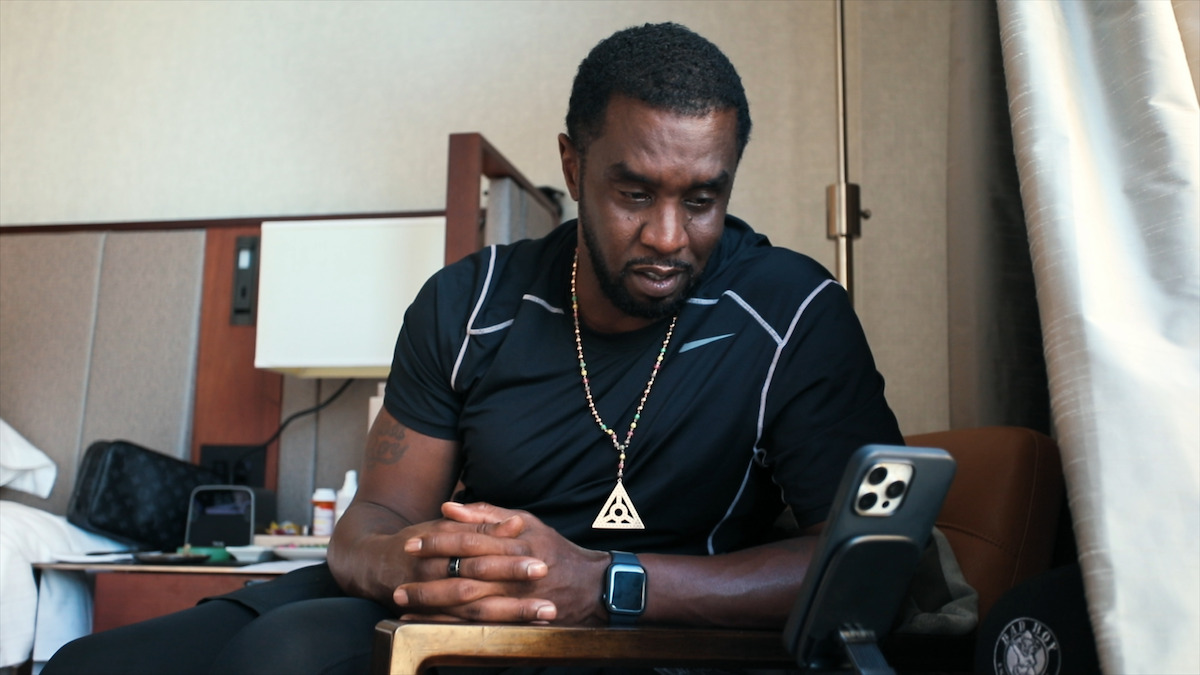
 "Rapper Sean 'Diddy' Combs slams Netflix for using 'stolen footage' of his docu-series, streaming giant says 'We obtained the footage legally and...'")
Earlier this year in October, American hip hop artist Sean ‘Diddy’ Combs was sentenced to four years and two months in prison after he was convicted of prostitution-related charges. A New York federal judge handed down the judgment. The ruling came just months after a federal jury in July acquitted the 55-year-old music mogul of the most serious charges against him.
New controversy in the rapper’s life
Combs has accused streaming giant Netflix for using ‘stolen footage’ that is ’not authorized to be showcased’ from his docu-series Sean Combs: The Reckoning. This was reported by CNN. The teaser of the project was released recently.
The cease-and-desist letter that Combs has issued to the streaming giant says “He will not hesitate to do so against Netflix,” which suggests a legal action could be taken if the matter intensifies.
Director of Netflix’s docu-series breaks silence
Alexandra Stapleton, director of the docuseries, said in a statement, “We have obtained the footage legally and have the necessary rights.”
Stapleton also stated that they moved “heaven and earth to keep the filmmaker’s identity confidential.”
Diddy found guilty
The jury found him guilty of two counts of transportation to engage in prostitution. It is pertinent to note that each count carried a maximum sentence of 10 years. Combs had already pleaded not guilty to all the charges brought against him and had been held at the Brooklyn Metropolitan Detention Centre since his arrest in September 2024.
While he has already served 13 months in custody heading into the Friday hearing, Diddy still would have to serve three more years in prison. In the Friday ruling, the American musician was also ordered to pay a $500,000 fine, and the judge ordered five years of supervised release after he completes his prison term.
Combs’ lawyers had requested a sentence of no more than 14 months in prison, which, given time already served, would have allowed him to walk free before the end of the year. However, federal prosecutors investigating the case pushed for a significantly longer sentence, asking the court to impose a sentence of at least 135 months (11 years and three months) and a $500,000 fine.