

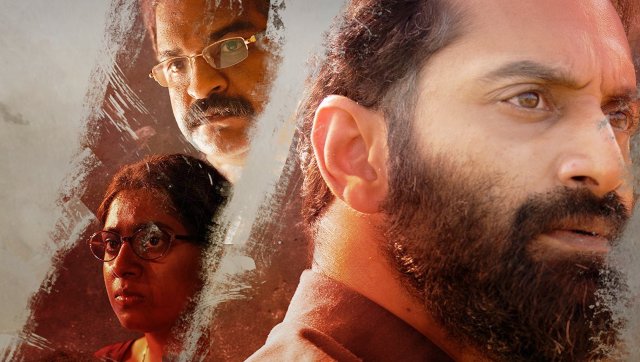
 "Malik movie review: It’s Fahadh Faasil vs Vinay Forrt in a grand, gripping saga on tricky communal ground")
Language: Malayalam “This is a work of fiction.” This disclaimer at the start of Malik might matter little in the face of the raging
speculation in Kerala that this hugely anticipated Fahadh Faasil-Nimisha Sajayan starrer is based on what has come to be known as the Beemapally shooting of 2009 that left six people dead and a trail of distrust in its wake. Director-writer-editor Mahesh Narayanan has nixed this assumption on the record, but a reading of the basic facts does suggest that Malik is his off-the-record interpretation of this embittering episode. Setting aside how the communities involved –Muslims and Christians – might react, here again, is an example of Indian cinema other than Bollywood confronting a government (in this case, the governing coalition of Kerala that was in power in 2009 too) while Bollywood currently cowers before the Centre. The only safety net Malik secures for itself here is a slight change in dates –the shooting in the story is in 2004 when another party was in government in reality, but those who spot Beemapally in Malik are hardly likely to be thrown off by this. In an India where films are getting shorter to accommodate falling attention spans, I am happy to report (and pleasantly surprised to note) that I sat through Malik’s 2 hours and 41 minutes without my interest ever waning. That said, this is a challenging film, demanding as much from the viewer as it offers. Glancing away for a second could cost you, which is fair enough, but in one sphere the script could have done better: for a viewer who is particular about facts and who is aware that the Terrorist and Disruptive Activities (Prevention) Act (TADA) was repealed almost two decades back, the scenes in which it is mentioned are confusing unless you have superhuman powers of concentration and a lawyer at hand. Be that as it may, Malik is grand, but its grandeur is not soulless or over-stylised in the manner of that other recent larger-than-life Malayalam political thriller,
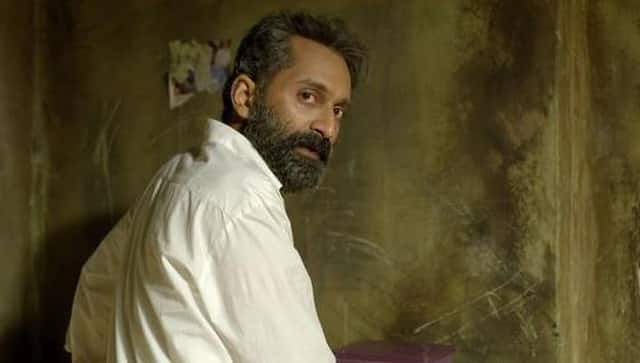
_Lucifer_ . It is star-studded, but its stars do not overwhelm the storytelling. Its leading man is a pan-India darling, yet each actor in the ensemble is allowed to hold their own and others get to spearhead the plot at different phases in the storyline. The narrative begins with law-enforcement agencies taking an ageing Ahammadali Sulaiman (Fahadh Faasil) into custody while he is leaving Kerala on a Haj in 2018. This graying man who walks with measured steps is being picked up on an old terrorism charge. The arrest happens all these years later because this is when the police have got him outside his domain, Ramadapally. It has already been established by then that Ali Ikka is an overlord of sorts in this Muslim-dominated coastal town where he is revered as Malik (Master). The police are hoping for testimony from his estranged mother Jameela (Jalaja) to put him away for as long as possible.
Fahadh Faasil, Vinay Forrt and Nimisha Sajayan in a still from Malik[/caption] In an India where inter-marriages are being used to malign Muslims, it is good that Malik does not skirt the issue of religious conversion in a relationship between a Muslim man and a Christian woman. The hypocrisy of ‘love jihad’ campaigners is that their wives change their surnames, shift their homes, give their offspring the father’s and not the mother’s surname and, in the case of an inter-community alliance, often change their faith too, yet the same people object if a woman from their own community quits the religion of her birth on marrying a Muslim. I won’t specify the path Roseline takes here in Malik, but it is important to comment on the film’s portrayal of the proprietorial attitude a husband and a brother display towards the children a woman bears. (Minor spoilers in this paragraph) A seemingly progressive man and his feisty wife in Malik both draw the line at decisions regarding their progeny, as she subsumes her spirit in the patriarchy intrinsic to the institution of marriage. Roseline’s unquestioning acceptance of Sulaiman’s desire to bring up their children as Muslim is out of character, as is her sheep-like acquiescence to a unilateral decision David takes in this context. Here too, Fahadh and the script give Sulaiman a veneer of niceness that manages to absolve him of the patriarchal mindset reflected in his desire, while David’s actions in this passage are projected as what they are: obnoxious. (Spoiler alert ends) The universe of the film is Muslim and Christian. The point being made, that enemies and well-wishers can both come from within minority communities, is well made. Besides, there is a larger system – a network of government, police, bureaucracy and capitalist enterprise – holding the puppet strings in the film, and unequivocal accountability is placed on the doorstep of that system, though the facelessness of its top rung is frustrating. The tendency while analysing a film of this nature is to liken it to Francis Ford Coppola’s Godfather series. This tired comparison is, however, an injustice to the engrossing detail in the politicking portrayed in Malik, and the illustration it provides at every turn of how an unintended spark may set off a communal fire, one mindless misdeed may set off a life-long avalanche beyond the control of anyone involved.
Malik, with its intricate even if occasionally faltering account of community relations and top-notch acting, is an excellent addition to Mahesh Narayanan’s filmography
Advertisement

End of Article

 "Charlie Kirk, shot dead in Utah, once said gun deaths are 'worth it' to save Second Amendment")
 "From governance to tourism, how Gen-Z protests have damaged Nepal")
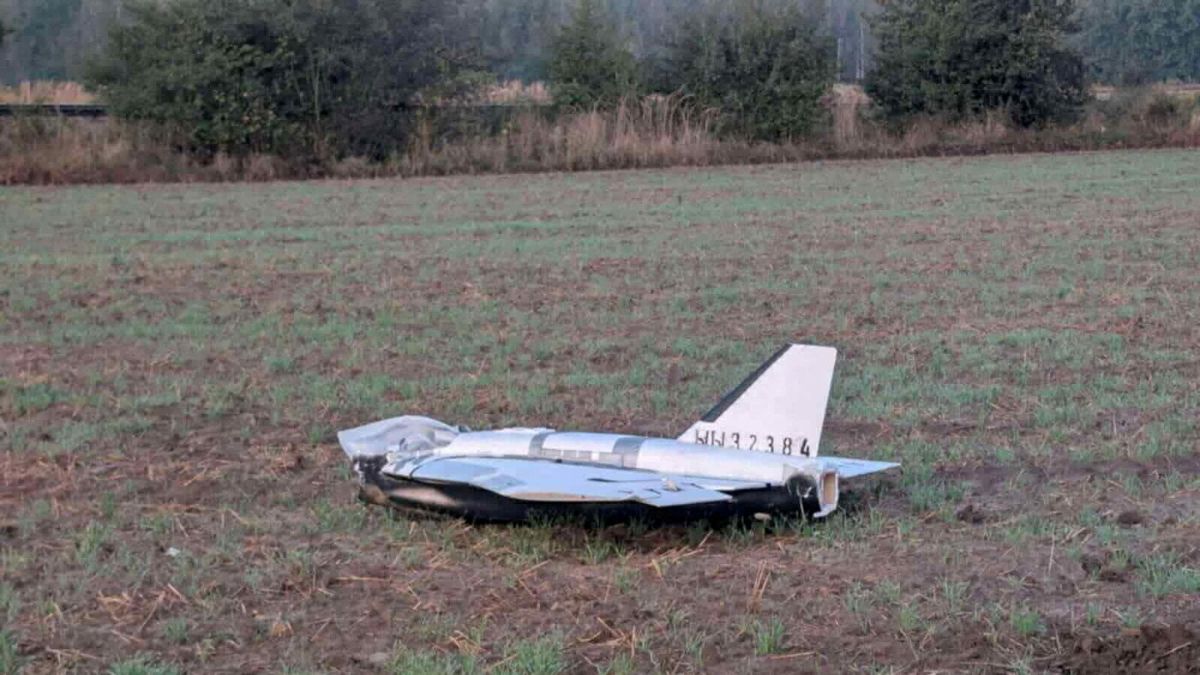 "Did Russia deliberately send drones into Poland’s airspace?")
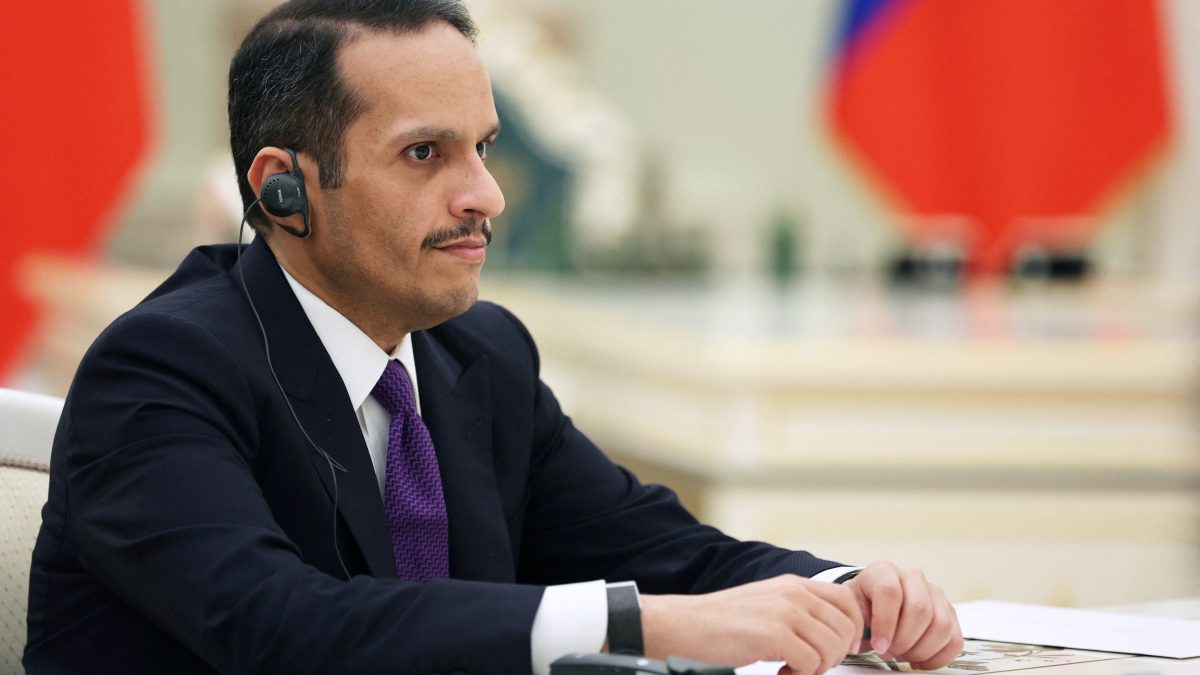 "Netanyahu ‘killed any hope’ for Israeli hostages: Qatar PM after Doha strike")
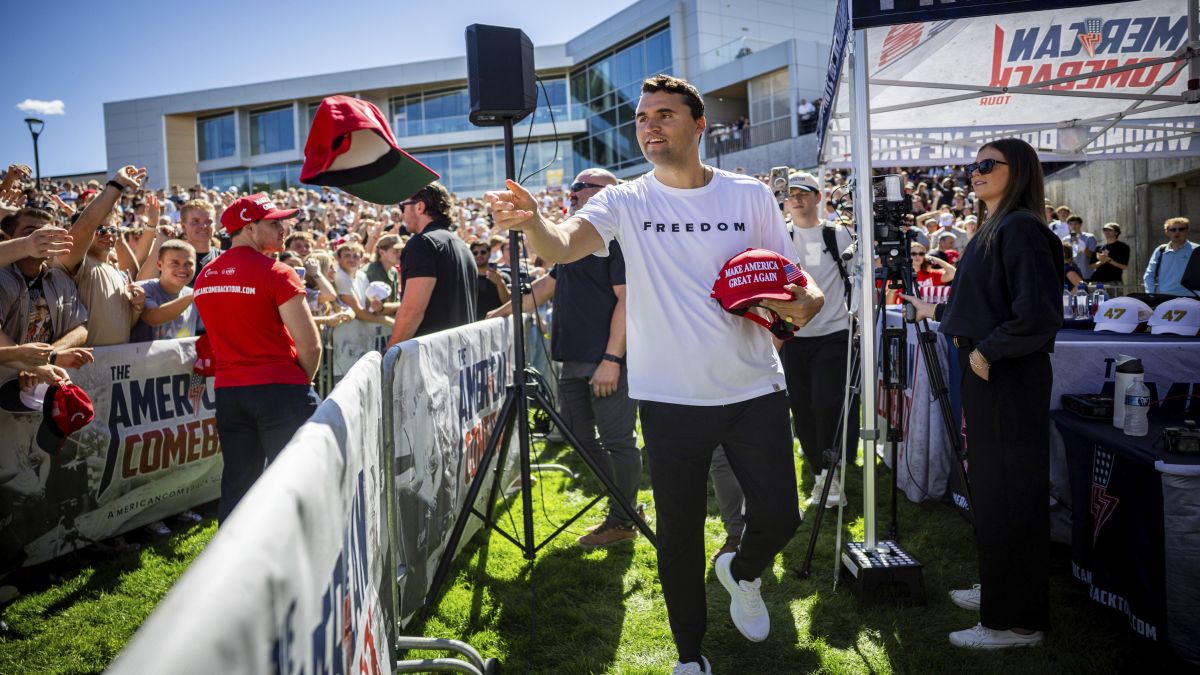 "Charlie Kirk, shot dead in Utah, once said gun deaths are 'worth it' to save Second Amendment")
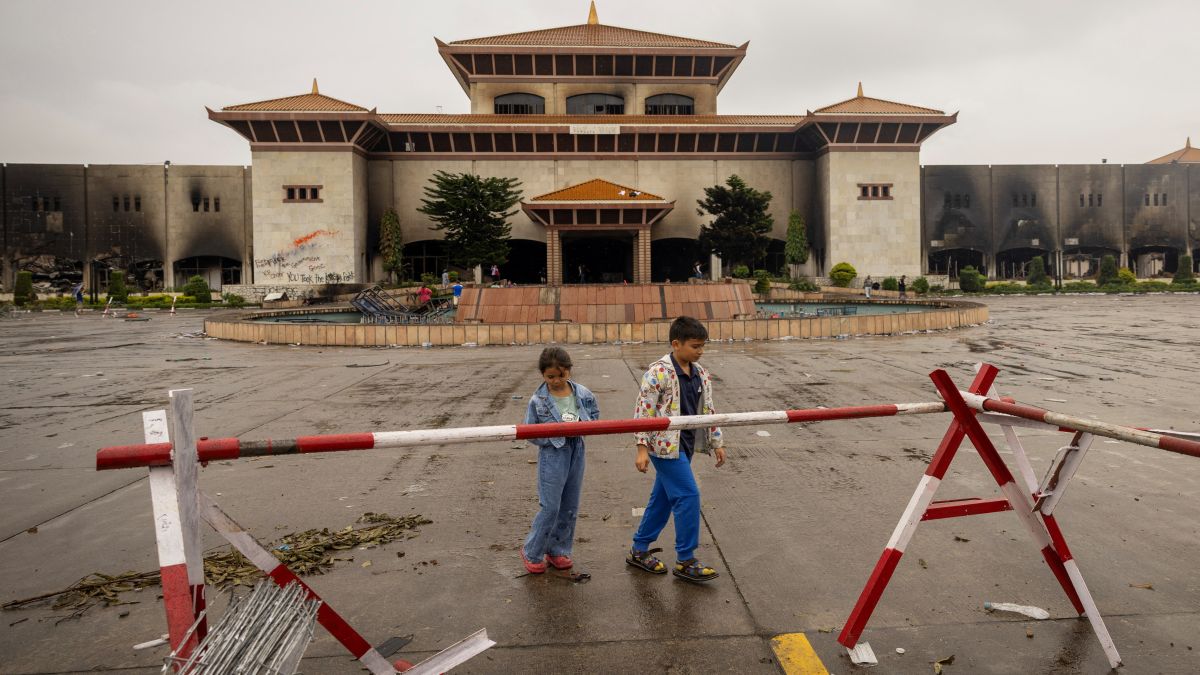 "From governance to tourism, how Gen-Z protests have damaged Nepal")
 "Did Russia deliberately send drones into Poland’s airspace?")
 "Netanyahu ‘killed any hope’ for Israeli hostages: Qatar PM after Doha strike")



