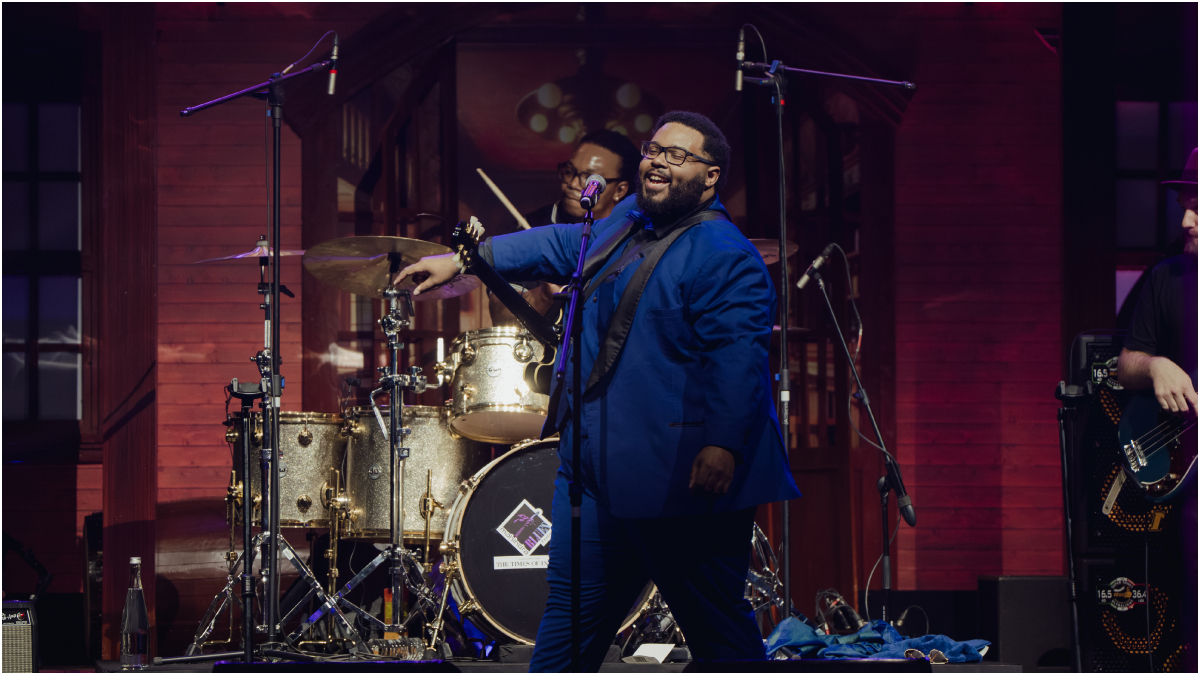
 "EXCLUSIVE | D.K. Harrell on music, ICE, and the politics of truth: 'Blues has always been political'")
At just 27, D.K. Harrell has emerged as one of the most compelling voices in contemporary blues, carrying forward a tradition forged in the crucible of pain, resistance, and survival. Hailing from Louisiana, the music of Harrell is steeped in the lineage of Southern blues, drawing inspiration from legends like B.B. King, Albert King, and Buddy Guy. His music is raw, emotive, and deeply rooted in lived experience and has quickly earned him recognition across the globe.
He views Blues as a language of vulnerability. Having gone through a childhood with an absent father, and having faced homelessness later in his early twenties, Harrell found solace in this genre of music. in fact, for him, Blues arrived even before he had learnt to speak. As he grew up, he veered more towards traditional Blues. And traditional Blues, as it has widely been believed, stems from people who were brought in as slaves as faced oppression, lack of identity and yet had the zeal of keep singing about life.
At a time when conversations around immigration, identity, and racial justice are once again at the centre of public discourse in the United States, Harrell believes that the genre’s political soul is more relevant than ever. In an exclusive interview with Firstpost’s Zinia Bandyopadhyay, Harrell spoke passionately about how blues has always been a language of protest, a vessel for collective memory, and a powerful mirror to society’s deepest wounds. Harrell was in India for the Mahindra Blues Festival in Mumbai, where he performed alongside other Blues artists like matt Schofield, Shemekia Copeland, Eric Gales and the Altered Five Blues Band.
Games
View AllDK Harrell on Blues as the language of protest
“Blues has always been political,” Harrell said, pointing to Nina Simone’s Backlash Blues as a timeless example of musical resistance. “She spoke openly about racism, about injustice. Some people don’t want to hear that truth, but it is right in front of us. You can’t hide it.” For Harrell, blues has never been just about heartbreak or melancholy. It has always been about naming oppression, confronting power, and refusing to look away,a tradition that stretches from the plantation fields of the Deep South to the civil rights movement, and into today’s fractured political landscape.
**’**What’s happening in America today with immigration policies breaks my heart’
Reflecting on contemporary America and the aggressive stance of immigration enforcement agencies, Harrell drew chilling parallels with the country’s traumatic past. “What’s happening in America today with immigration policies breaks my heart. It reminds me of when African Americans were dragged from their homes. History repeats itself,” he said. “Blues reflects what society doesn’t want to confront. It forces us to look at the pain we try to bury.” His words resonate amid intensifying debates around ICE raids, border control, and racial profiling, where communities of colour and migrant families often bear the brunt of state power, fear, and uncertainty.
Harrell believes that the emotional honesty of blues makes it uniquely suited to articulate political and social unrest. Unlike other genres that may mask discomfort in abstraction or aggression, blues, he argues, places vulnerability and truth at the centre. “Blues teaches unity,” he said. “If Martin Luther King Jr., Rosa Parks, and Mahatma Gandhi could mobilise millions peacefully, why can’t we do that now? Fear has made people cautious, careful, and silent. But blues reminds us to speak, to feel, and to stand together.”
Music as a language of protest
Historically, musicians across genres and geographies have risen to moments of crisis, from the protest anthems of the US civil rights era and the anti-war songs of the Vietnam period, to global responses against apartheid in South Africa, authoritarianism in Latin America, and more recently, movements like Black Lives Matter. In the US, artists have long used music to challenge injustice, document suffering, and imagine alternatives- whether through folk, hip-hop, jazz, or blues. Harrell situates himself firmly within this continuum, seeing his role not merely as an entertainer but as a chronicler of collective truth.
For Harrell, the genre’s enduring power lies in its refusal to sanitise reality. In exposing suffering, it also opens the door to empathy, connection, and collective healing. “Blues is about telling the truth, even when it hurts,” he said. “That honesty is what gives it strength. That’s why it still matters.”
Musicians protest against ICE
Musicians have become the public face when it comes to protesting against the immigration policies of the US. It was the highlight of this year’s Grammy, where several singers like Billies Eilish, Bad Bunny, and Kehlani, among others, used the stage to criticise the U.S. Immigration and Customs Enforcement (ICE). In fact, Bad Bunny delivered a big love letter to Peurto Rico with his setlist, guestlist and bilingual speech at the much-discussed Superbowl Half Time Show.
Bruce Springsteen released the protest song “Streets of Minneapolis” to condemn the violent actions of ICE agents.
Recently Brandi Carlile raised a whopping 600,000 dollars for families of those affected by ICE.

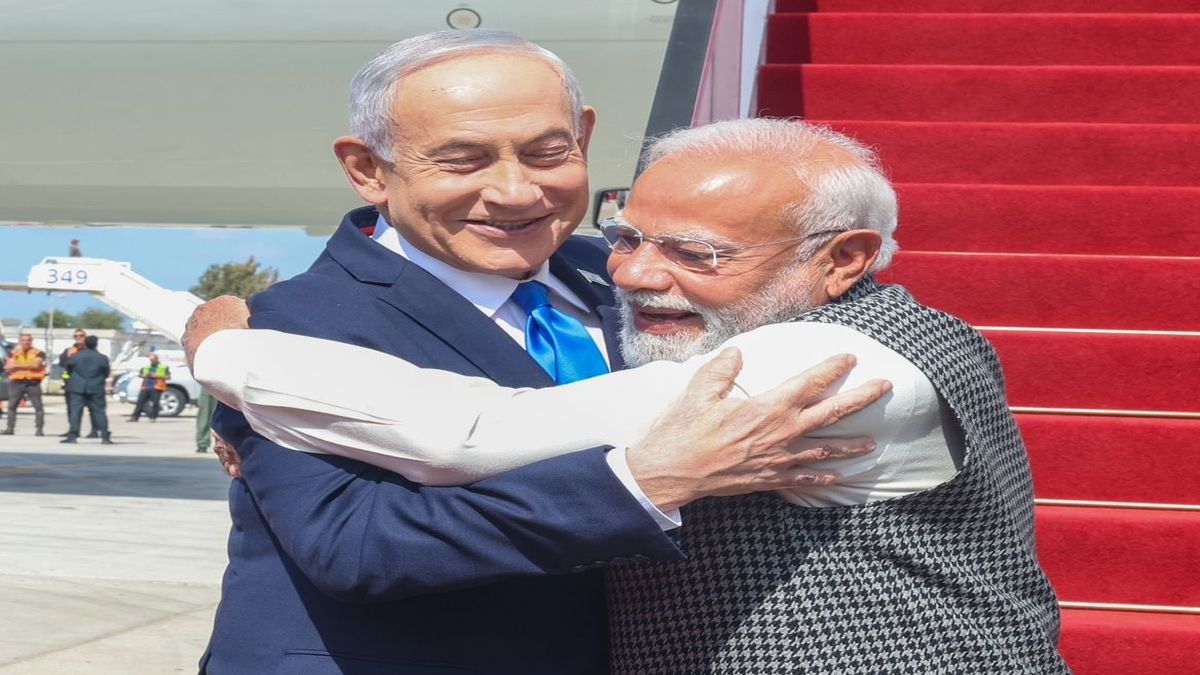 "Hugs, praise and more… The Modi-Netanyahu friendship looks solid")
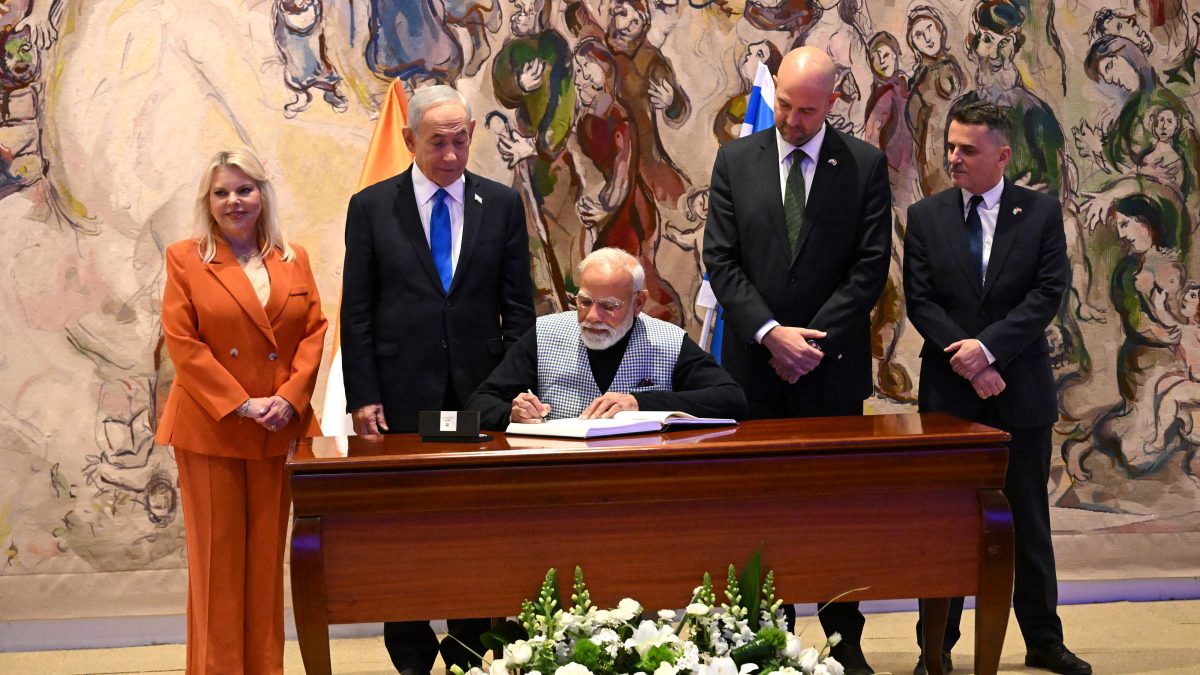 "PM Modi Israel Visit Live Updates: PM Modi to visit Holocaust memorial in Israel; hold meetings with President Herzog, Netanyahu")
 "India vs Zimbabwe: Why Chepauk could boost Samson; Axar in contention for must-win clash")
 "Canada tones down accusations linking India to violent crimes ahead of Carney's visit")
 "Hugs, praise and more… The Modi-Netanyahu friendship looks solid")
 "PM Modi Israel Visit Live Updates: PM Modi to visit Holocaust memorial in Israel; hold meetings with President Herzog, Netanyahu")
 "India vs Zimbabwe: Why Chepauk could boost Samson; Axar in contention for must-win clash")
 "Canada tones down accusations linking India to violent crimes ahead of Carney's visit")