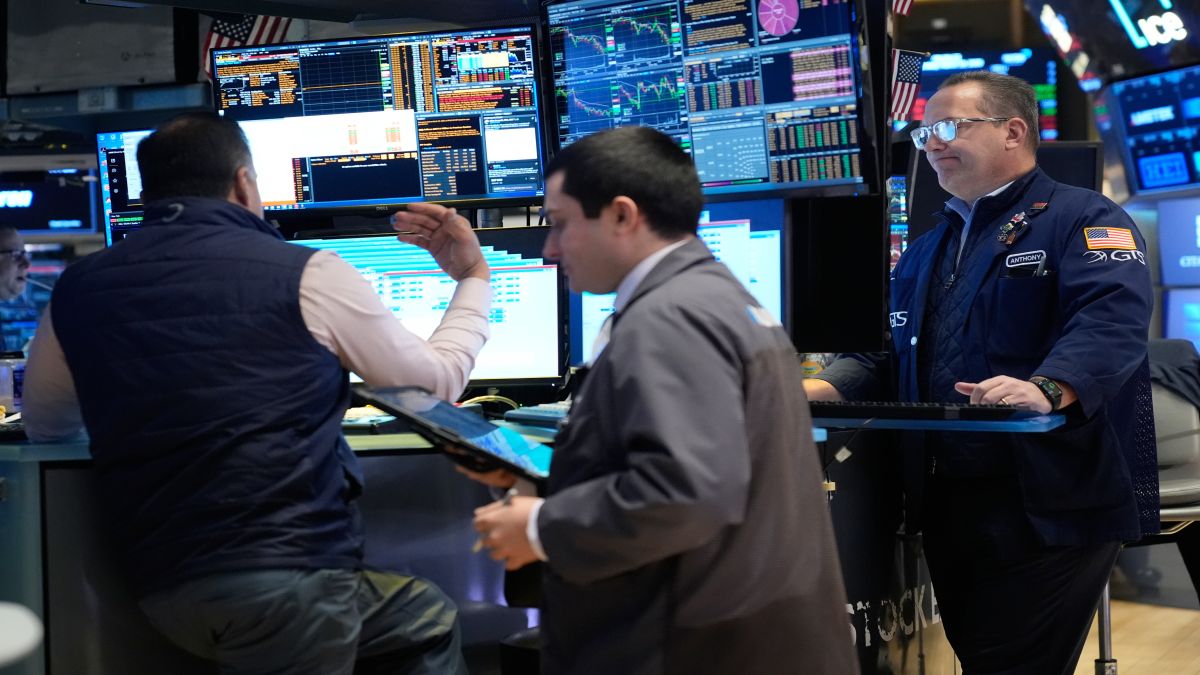
 "US oil surges to highest level since mid-2022 after Trump escalates Iran rhetoric")
US oil prices soared to their highest levels in nearly four years on Thursday, as fresh threats from Donald Trump over Iran fuelled fears of a prolonged conflict in West Asia and potential disruptions to global energy supplies.
Benchmark US crude, West Texas Intermediate (WTI), settled 11.4 per cent higher at $111.54 a barrel — its biggest single-day gain since early March and the highest closing level since June 2022. International benchmark Brent crude also rallied sharply, rising 7.8 per cent to settle at $109.03 per barrel.
The sharp surge followed a televised address by Trump on Wednesday night, in which he signalled an aggressive stance against Iran. The US president said Washington would achieve its war objectives “very shortly” but warned that the United States would hit Iran “extremely hard” in the coming weeks if necessary.
Supply fears intensify
Markets reacted swiftly to the escalation in rhetoric, with traders increasingly pricing in the risk of supply disruptions, particularly through the strategically critical Strait of Hormuz — a key artery for global oil shipments.
Although there were tentative signs of continued shipping activity — including reports of an Omani-managed liquefied natural gas carrier transiting the strait — investor confidence remained fragile.
Further underscoring supply concerns, the price of “Dated Brent” — which reflects physical cargoes of oil ready for immediate delivery — surged to $141.36 per barrel, its highest level since July 2008, according to S&P Global. This metric is closely watched as an indicator of real-time supply-demand dynamics in physical markets.
Traders said the sharp rise in spot prices suggests growing anxiety that a prolonged conflict could disrupt actual oil flows in the weeks and months ahead, beyond just futures market speculation.
Quick Reads
View AllWar premium returns to oil markets
Trump reiterated on Thursday that the US could escalate military action unless Iran agrees to a deal, reinforcing what analysts describe as a “war premium” returning to oil markets.
The latest price action mirrors earlier geopolitical shocks — including the aftermath of Russia’s invasion of Ukraine — when energy markets reacted sharply to supply uncertainty.
Markets remain volatile
Despite the surge in oil prices, US equity markets managed to recover from early losses triggered by the geopolitical tensions.
Wall Street’s benchmark S&P 500 edged up 0.1 per cent, while the Nasdaq Composite gained 0.2 per cent after a volatile trading session. Both indices had opened lower following Trump’s remarks before staging a modest rebound.
Diplomatic tensions persist
Meanwhile, diplomatic efforts to ease tensions showed little immediate progress. Sergei Lavrov discussed “initiatives and proposals” to stabilise the region in a call with his Iranian counterpart, Abbas Araghchi.
However, Iran signalled resistance to external intervention. Araghchi cautioned that any move by the United Nations Security Council to address shipping access through the Strait of Hormuz could complicate matters further, rather than resolve them.

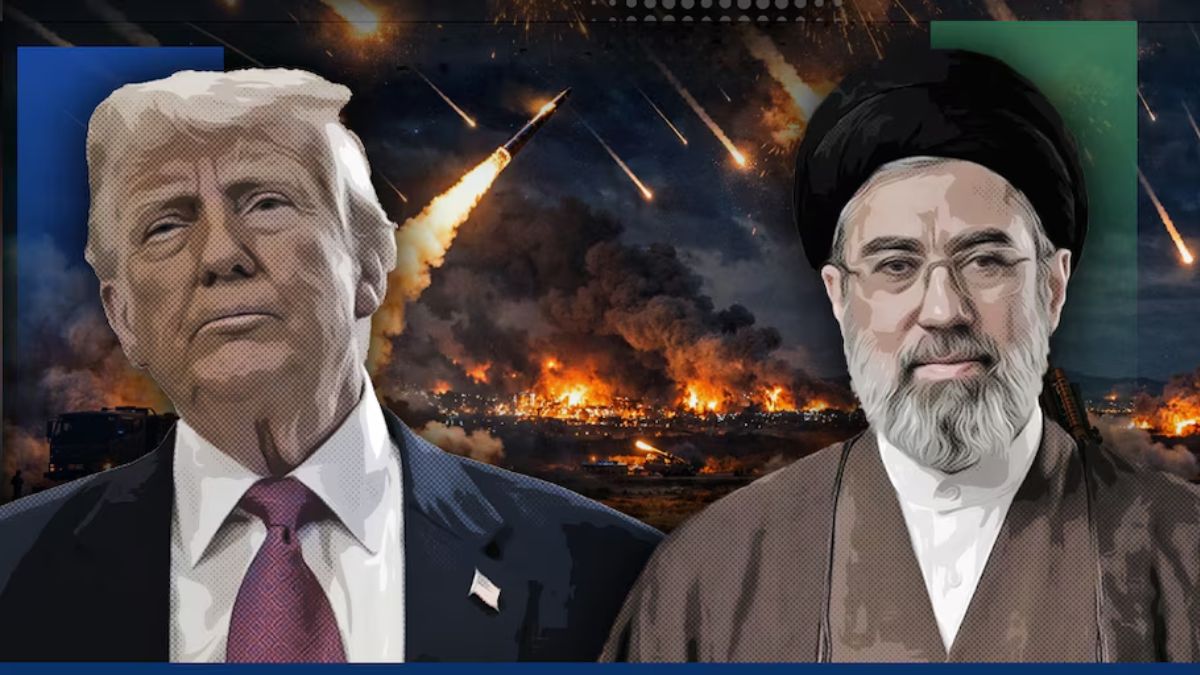 "Iran Israel War Live Updates: Trump shares Karaj bridge strike video, warns Tehran to make a deal 'before it is too late'")
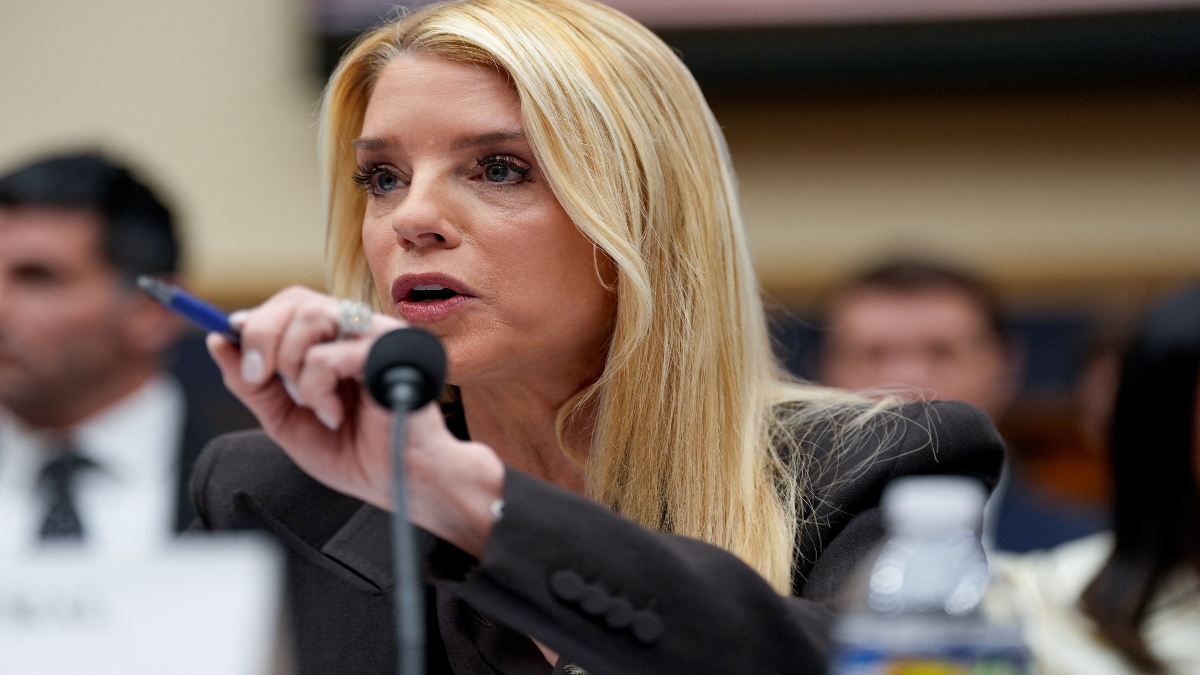 "Trump fires attorney general Pam Bondi, names Todd Blanche as interim replacement")
 "Sudan's army names new chief of staff in biggest wartime military shakeup")
 "PM Modi meets Russia’s Deputy PM Manturov, discusses trade and bilateral cooperation")
 "Iran Israel War Live Updates: Trump shares Karaj bridge strike video, warns Tehran to make a deal 'before it is too late'")
 "Trump fires attorney general Pam Bondi, names Todd Blanche as interim replacement")
 "Sudan's army names new chief of staff in biggest wartime military shakeup")
 "PM Modi meets Russia’s Deputy PM Manturov, discusses trade and bilateral cooperation")