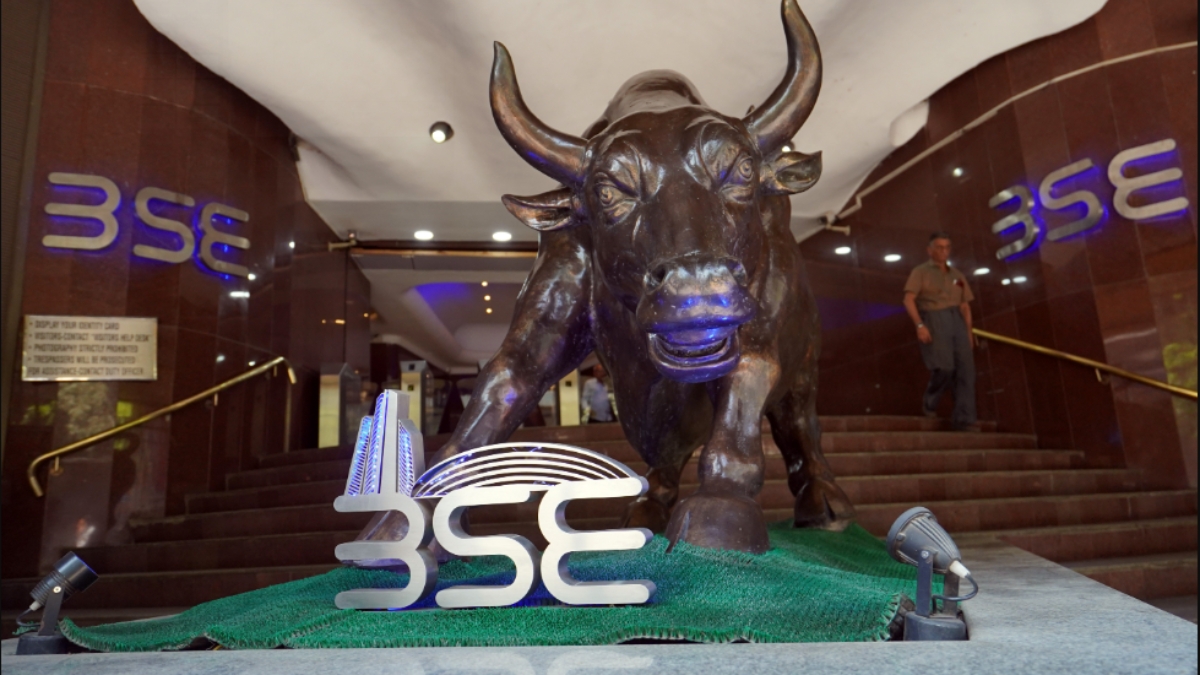
 "Sensex slides 500 points as Fed hawkishness, pre-Budget jitters rattle Dalal Street")
Indian equity benchmarks opened sharply lower and extended losses through the morning trade as global risk appetite weakened following the US Federal Reserve’s latest policy signal, while investors at home stayed cautious ahead of the Union Budget.
At around 10:32 am, the Sensex was down about 535 points, or 0.65 per cent, at 81,809.27, while the Nifty slipped 142.20 points to 25,200, falling below key intraday support levels. The decline comes a day after markets ended on a strong note, underlining the volatility gripping traders this week.
The immediate trigger for Thursday’s sell-off was the Fed’s decision to keep interest rates unchanged in the 3.5 per cent–3.75 per cent range, coupled with a clear message that the central bank is in no hurry to begin cutting rates. Fed Chair Jerome Powell said the US economy is entering 2026 on a firm footing, with inflation still elevated enough to warrant caution.
That stance pushed the dollar higher and lifted US bond yields, prompting foreign investors to turn risk-averse. Emerging markets, including India, bore the brunt as portfolio flows turned tentative.
On Dalal Street, sectors with higher foreign investor exposure came under pressure first. Financial and IT stocks led the decline, while the rupee hovered near record lows, adding to the nervousness. A weaker currency often amplifies outflow risks and dampens sentiment in globally linked sectors.
Domestic factors added another layer of caution. With the Union Budget just days away, traders preferred to pare positions rather than take fresh bets. Uncertainty around capital gains taxation, fiscal consolidation, divestment plans, and shifts in government spending priorities has kept volatility elevated.
Quick Reads
View AllForeign institutional investor exposure to Nifty stocks has already retreated from peak levels after heavy selling last year, and the guarded approach has continued into early 2026 as global and local cues remain mixed.


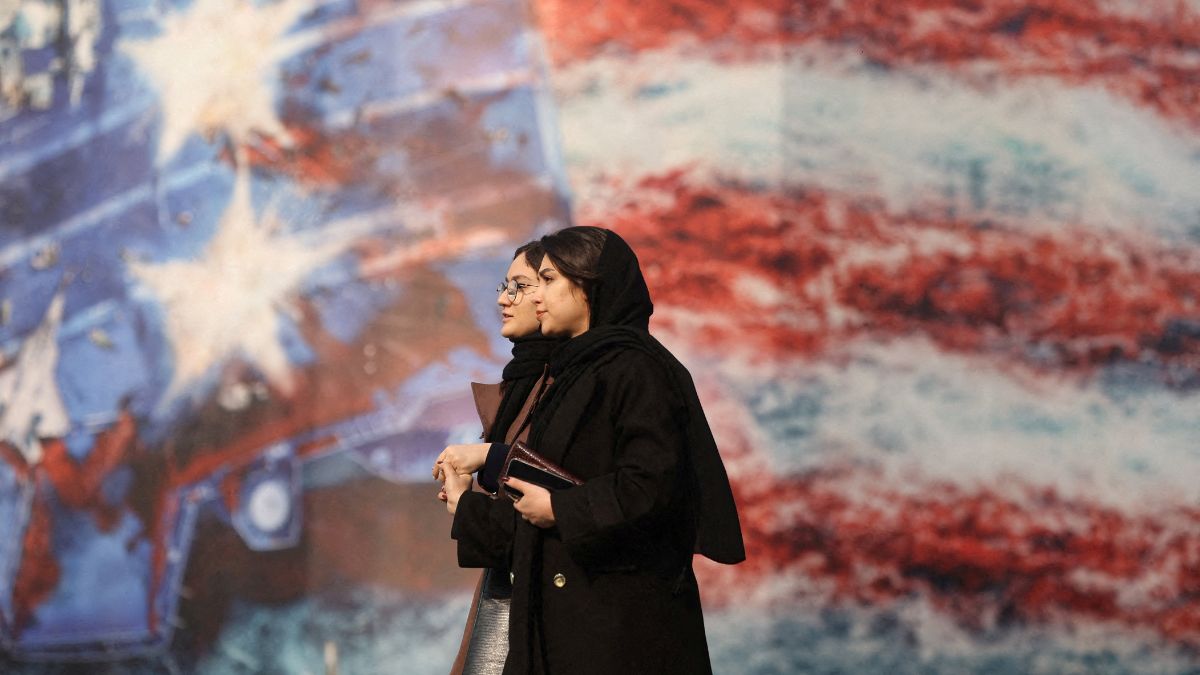 "Is a US-Iran conflict imminent as Trump issues nuclear ultimatum?")
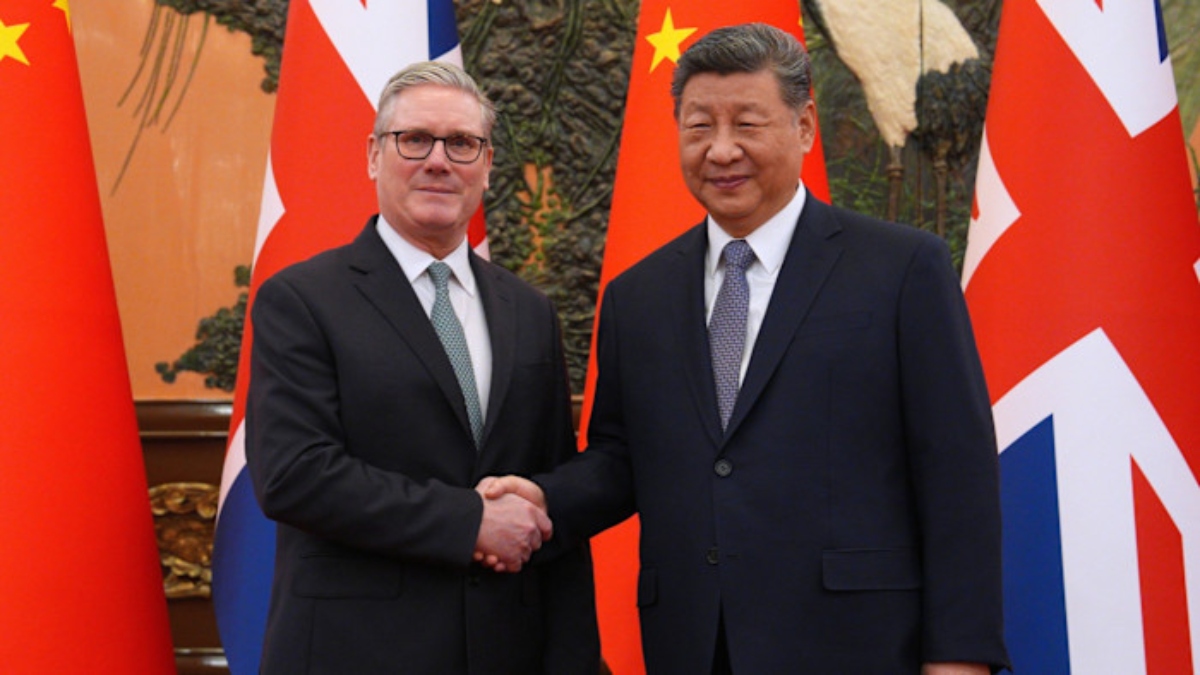 "Starmer meets Xi, calls Beijing 'vital player' on global scale as UK and China reset ties")
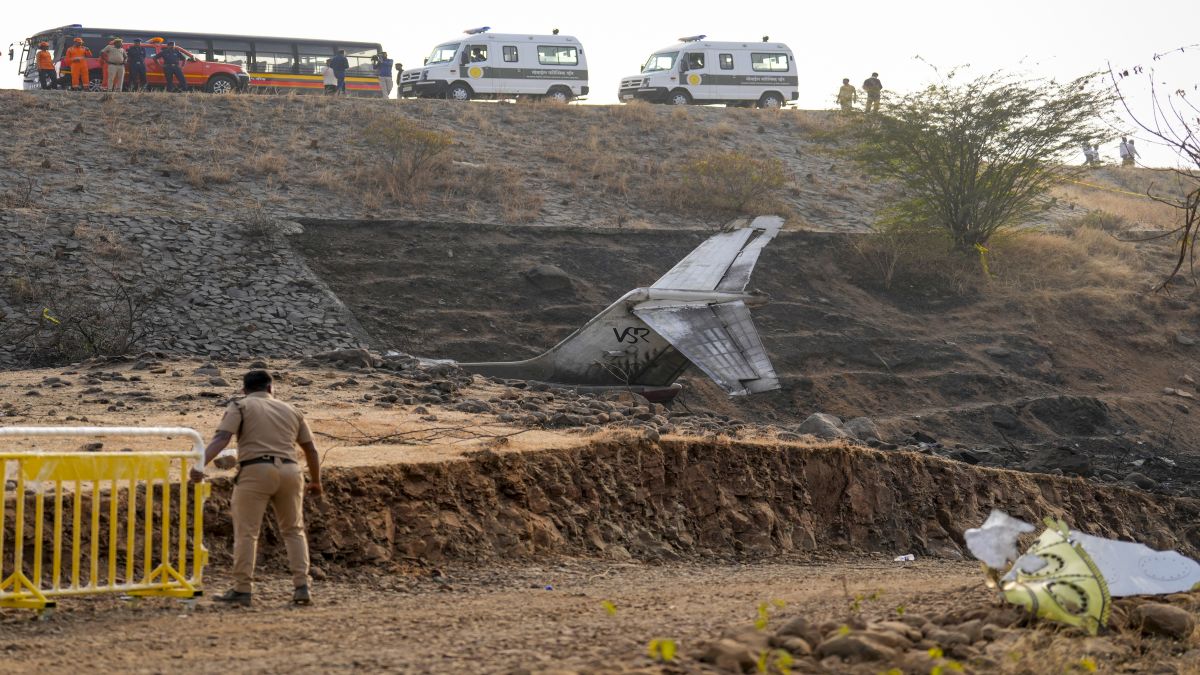 "Tilting to left and then crash… The moments before Ajit Pawar’s plane crashed and turned into a fireball")
 "Economic Survey 2026 Live Updates: PM Modi marks start of new 25-year phase as FM Sitharaman readies historic 9th Budget")
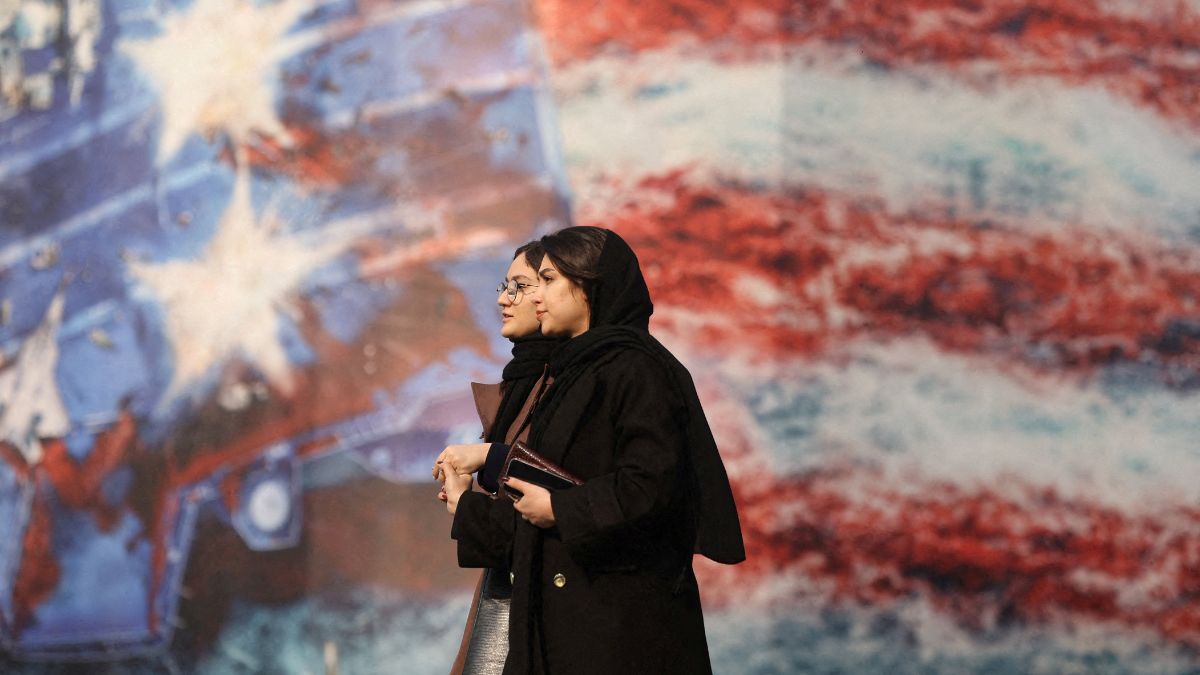 "Is a US-Iran conflict imminent as Trump issues nuclear ultimatum?")
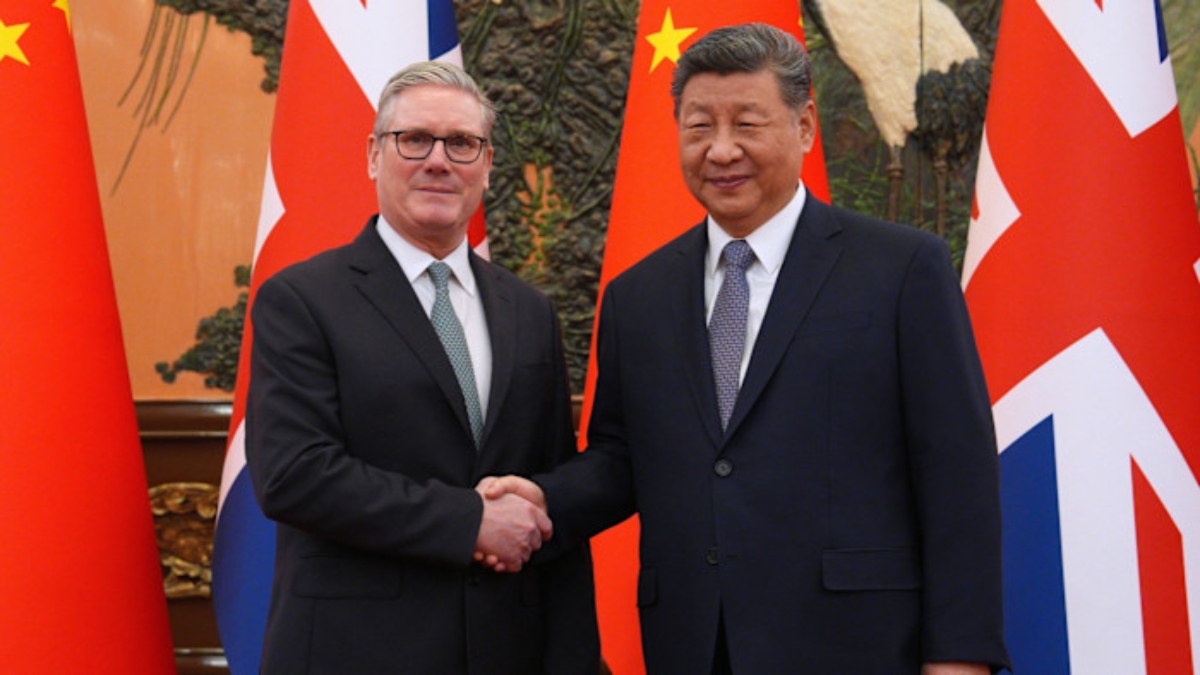 "Starmer meets Xi, calls Beijing 'vital player' on global scale as UK and China reset ties")
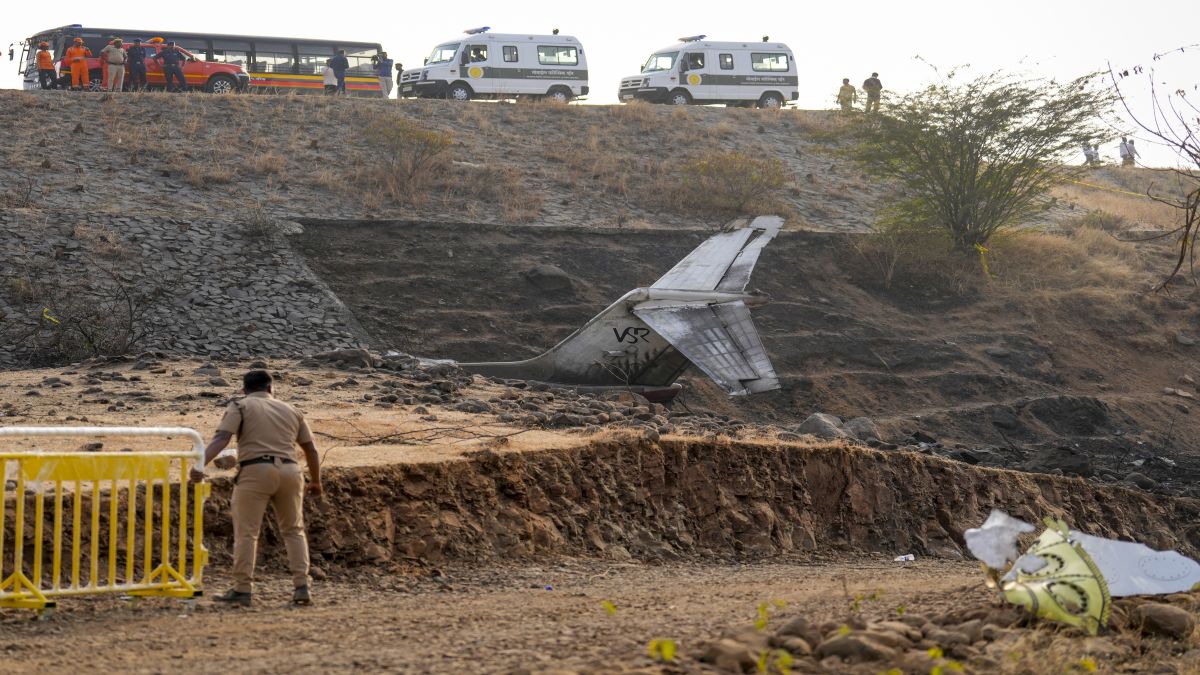 "Tilting to left and then crash… The moments before Ajit Pawar’s plane crashed and turned into a fireball")
 "Economic Survey 2026 Live Updates: PM Modi marks start of new 25-year phase as FM Sitharaman readies historic 9th Budget")