 "Oil’s $114 to $96 slide: How Trump’s Iran pause eased the geopolitical risk premium")
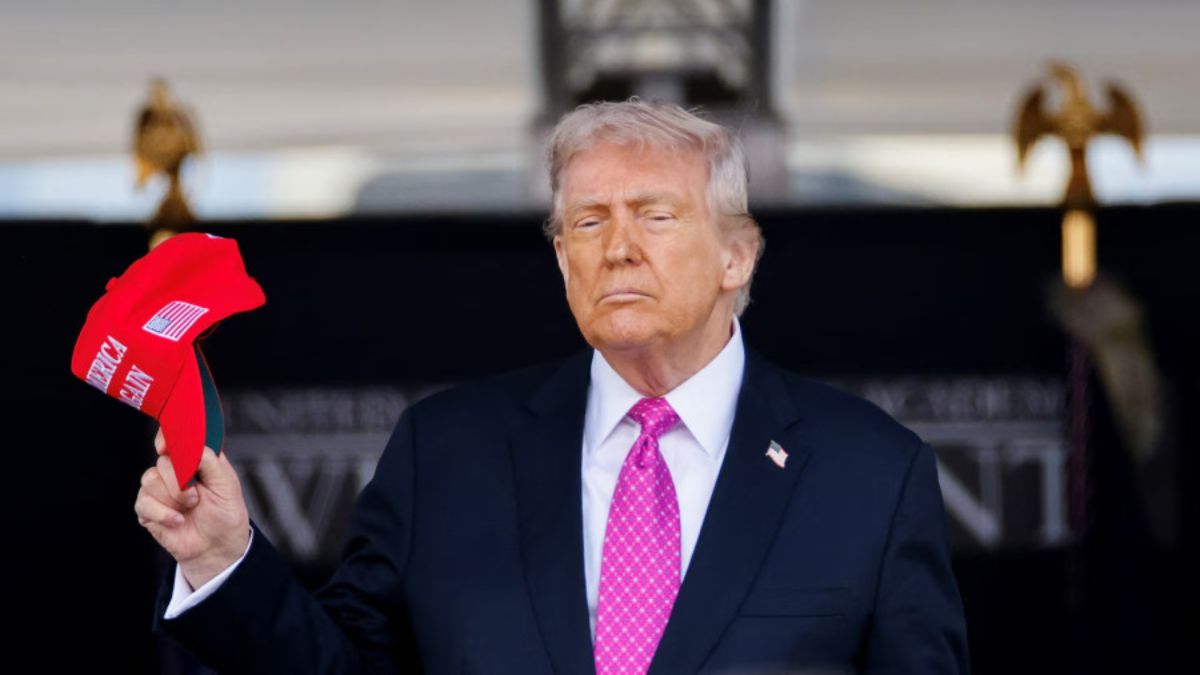
Brent crude futures fell sharply on Monday, dropping nearly 10 per cent intraday after Donald Trump signalled a pause in US military escalation against Iran, triggering a swift global repricing of geopolitical risk across asset classes. According to market data, Brent May 2026 futures were last trading at $101.48 per barrel, down $10.71 or 9.55 per cent, after opening at $113.76 and swinging within a wide intraday range of $96.00 to $114.43 — one of the most volatile sessions in recent months.
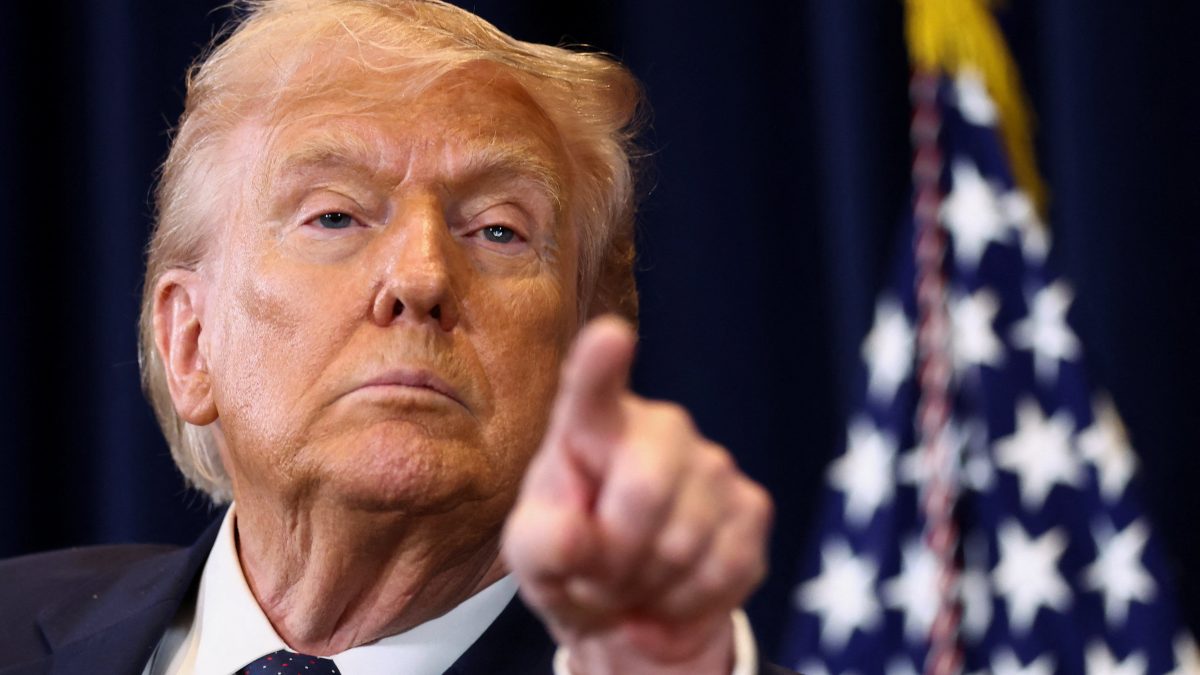
The sharp decline followed Trump’s statement that the United States and Iran had engaged in “very good and productive conversations,” alongside an announcement postponing planned strikes on Iranian power plants and energy infrastructure for five days. The statement by Trump comes after 36-hours of his warning to Iran on opening Strait of Hormuz.
The reaction in oil markets was immediate and concentrated during peak global trading hours. Brent fell from $112.98 at 7:00 AM Eastern Time to $99.08 by 7:05 AM, while US benchmark WTI crude dropped from $98.59 to $86.18 in the same window, highlighting the speed at which geopolitical expectations were repriced.
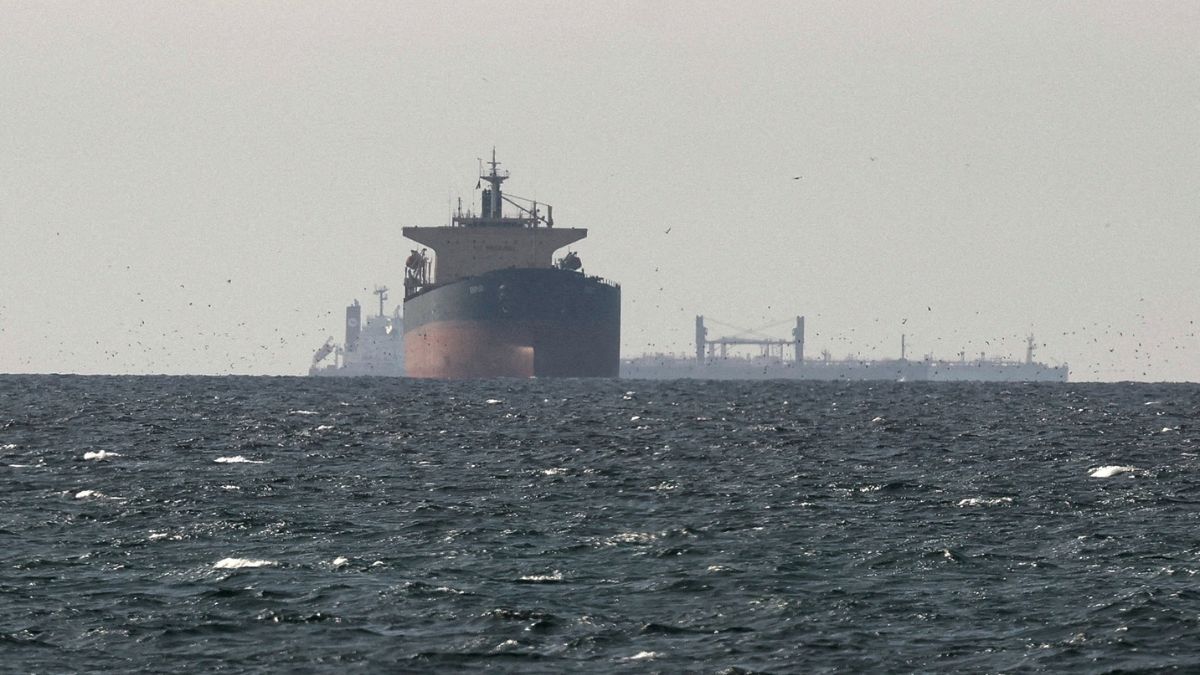
The move effectively erased a significant portion of the risk premium that had built into oil prices amid fears of supply disruption in the Middle East, particularly around the Strait of Hormuz—a critical transit route for global crude flows. Based on price stabilisation near the $100–$105 range, analysts estimate that roughly $10–$15 per barrel of geopolitical premium was unwound following the de-escalation signal, with the brief dip to $96 reflecting a short-lived overshoot driven by algorithmic selling and liquidity gaps.
Quick Reads
View AllCurrency markets saw the dollar weaken, with the euro rising over 1 per cent to around $1.158, as investors rotated out of safe-haven assets following the easing of immediate geopolitical risks.
The dollar’s decline was driven by two key factors. First, the de-escalation signal reduced demand for the US dollar as a safe-haven currency, prompting flows into risk assets such as equities and emerging market currencies. Second, the sharp drop in oil prices eased near-term inflation expectations, reducing pressure on US interest rates and further weighing on the dollar index, which slipped after earlier gains.
Bond markets reflected this shift in expectations. US 10-year Treasury yields rose to around 4.44 per cent, an eight-month high, while UK 10-year yields eased from earlier peaks, indicating that investors were lowering expectations of energy-driven inflation spikes. In India, the 10-year yield declined to 6.83 per cent from 6.89 per cent, mirroring the global easing in inflation concerns.
The energy complex, however, showed mixed signals. While crude benchmarks such as Brent and WTI declined by around 10–12 per cent, refined products like gasoline and heating oil fell less sharply, and European gas prices—which had initially risen on supply concerns—later reversed gains. This divergence suggests that the sell-off was driven primarily by the removal of geopolitical risk rather than a broader deterioration in energy demand or structural supply conditions.
Despite the sharp correction, Brent remains significantly elevated over a longer horizon, with prices still up 30.41 per cent over one month, nearly 40 per cent over three months, and over 40 per cent year-to-date, reflecting the cumulative impact of recent geopolitical tensions and supply concerns.
The episode highlights oil’s continued role as the most sensitive barometer of geopolitical risk in global markets. As Fatih Birol of the International Energy Agency has noted, maintaining stable flows through key supply routes remains critical, with emergency stock releases offering only temporary relief.
For now, markets have priced in a near-term easing of tensions. However, with the announced pause in military action limited to five days and uncertainty around negotiations persisting, the risk premium could return just as quickly as it disappeared, reinforcing the volatility that continues to define global energy markets.


 "Trump halts power plant strikes for 5 days as US, Iran talk peace")
 "Iran Israel War Live Updates: Trump says ‘regime change’ underway in Iran, warns bombing will continue if talks fail")
 "Iran says Trump’s ‘good talks’ remark aimed at cooling energy prices amid West Asia war: Reports")
 "Brent crude slips 10% after Trump signals pause in Iran strikes amid ‘constructive talks’")
 "Trump halts power plant strikes for 5 days as US, Iran talk peace")
 "Iran Israel War Live Updates: Trump says ‘regime change’ underway in Iran, warns bombing will continue if talks fail")
 "Iran says Trump’s ‘good talks’ remark aimed at cooling energy prices amid West Asia war: Reports")
 "Brent crude slips 10% after Trump signals pause in Iran strikes amid ‘constructive talks’")