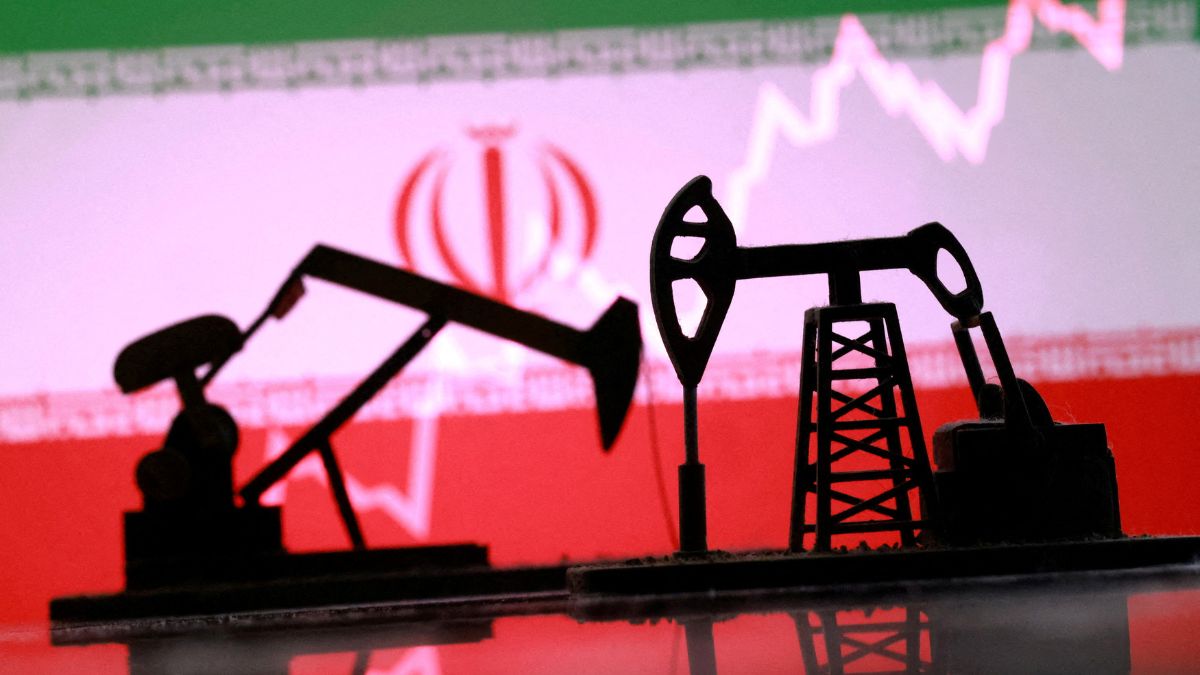
 "Oil spikes over 5% as Trump doubles down on Iran strikes, no ceasefire in sight. File image")
Global oil prices surged sharply on Thursday after Donald Trump signalled that the United States would press ahead with military attacks on Iran, offering no clear timeline for de-escalation and stoking fears of prolonged supply disruptions.
Benchmark Brent crude jumped $6.33, or 6.3 per cent, to $107.49 per barrel in early trade, while US West Texas Intermediate (WTI) rose $5.28, or 5.3 per cent, to $105.40 per barrel. The spike followed initial losses earlier in the session, as markets reacted swiftly to the tone of Trump’s televised address.
In his remarks, Trump struck a confident note on the military campaign but avoided any commitment to a ceasefire or diplomatic resolution. “We are going to finish the job, and we’re going to finish it very fast. We’re getting very close,” he said, adding that the conflict could conclude within two to three weeks — though without offering specifics.
The absence of a clear exit strategy rattled markets.
At the heart of these concerns is the vulnerability of maritime routes in West Asia, particularly around the Strait of Hormuz — a critical artery for global crude flows. Any disruption here has immediate ripple effects across energy markets.
Those fears deepened after an oil tanker leased to QatarEnergy was struck by an Iranian cruise missile in Qatari waters on Wednesday, according to the country’s defence ministry. The incident underscores the growing risks to shipping lanes as the conflict escalates.
The International Energy Agency has also sounded the alarm, warning that supply disruptions could begin to weigh on Europe’s economy as early as April. The region had so far been cushioned by pre-war cargo contracts, but that buffer appears to be fading.