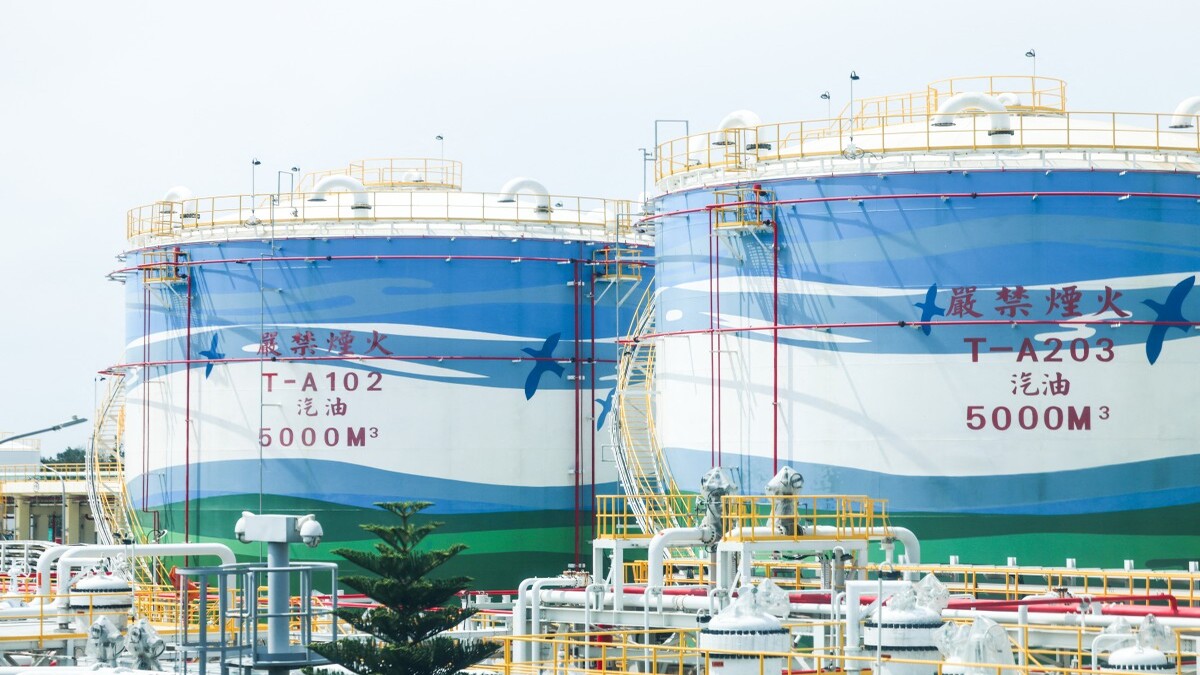
 "India cuts petrochemical import duty till June 30 as West Asia war disrupts supply chains. File/AFP")
India has temporarily waived customs duty on select petrochemical imports until June 30, as the government moves to cushion domestic industries from supply disruptions and rising input costs triggered by the escalating conflict in West Asia.
The finance ministry’s decision comes at a time when global petrochemical flows have been unsettled by the ongoing tensions involving Iran and heightened risks around critical shipping routes such as the Strait of Hormuz, a vital artery for energy and chemical shipments.
Officials said the duty exemption is a targeted and time-bound intervention aimed at stabilising availability of key feedstocks used across sectors including plastics, packaging, textiles, and chemicals manufacturing. The move is expected to ease cost pressures for downstream industries already grappling with elevated crude-linked input prices.
Supply shock and cost pressures
India, one of the world’s largest importers of petrochemical derivatives, has been facing tightening supplies as freight rates rise and shipments are rerouted or delayed due to security concerns in West Asia. The disruption has pushed up prices of essential raw materials such as polymers and intermediates, squeezing margins for domestic manufacturers.
Industry executives have warned that without policy support, rising input costs could quickly cascade into higher prices for consumer goods, affecting everything from packaged foods to automobiles.
“The exemption is meant to ensure that short-term supply constraints do not translate into broader inflationary pressures,” a senior government official said, adding that the situation is being closely monitored.
Relief for manufacturers
The waiver is expected to benefit a wide range of industries, particularly micro, small and medium enterprises (MSMEs), which are more vulnerable to price volatility. By lowering import costs, the government aims to maintain production continuity and prevent disruptions in supply chains.
Analysts say the move could also help Indian exporters remain competitive at a time when global demand remains uneven and input costs are rising.
Temporary measure amid uncertainty
Officials emphasised that the exemption is not a structural policy shift but a calibrated response to extraordinary geopolitical conditions. The government is likely to review the measure closer to the June 30 deadline, depending on how the situation in West Asia evolves.
The conflict has already driven volatility in crude oil markets and raised concerns over energy security for major importing nations like India. Any prolonged disruption in the region could further tighten petrochemical supplies and keep input costs elevated.