

 "Slowdown: Why govt's critics are protesting too much")
Given that the economy is not doing well and nothing apparently seems to be happening beyond statements and optimistic forecasts, it is but natural that a lot of impatience has crept in. There has been a tirade against inaction on the policy front, where the underlying assumption is that if they were done then things would have been different and there would have been a turnaround.
In fact, some have even disparaged our past growth saying it was a fluke. Are we over-reacting? The answer could be yes.
The problem really is that after getting used to 9 percent growth for a prolonged period of time, it was expected that the number could only get better and a double-digit rate was not far off. At that time no one had any problem with any of the policies not being implemented. The great middle class story as well as the young working class were said to be scoring points for the growth story even globally.
But now that the story has gone haywire, the needle of concern has pointed towards the government which has not been able to enact “bold” reforms. But, we need to recalibrate our judgment here.
Growth has slowed to one of its lowest levels - which did come as a shock. Industrial slowdown is the major concern since this sector does provide the foundation for further growth as the progress of the services sector is dependent finally on a robust manufacturing base. In the last two years, high interest rates and lower government expenditure have come in the way of growth directly, while limited or no movement on the policy front has thwarted expansion. Or so the story goes.
When we look at the policies relating to land, foreign direct investment (FDI) in retail, pensions, foreign banks, tax laws, subsidies and so on, we need to distinguish between those that improve sentiment and those that bring about a change in the growth pattern . And more importantly, the timeframe is important. The view here is that all these policy reforms are tough ones to tackle as they involve contradictions, for which there are no easy solutions. Also their resolution helps only in the medium run and cannot be a quick-fix solution. Therefore, we need to be even handed when judging policy-making and not exaggerate the effects on the economy.
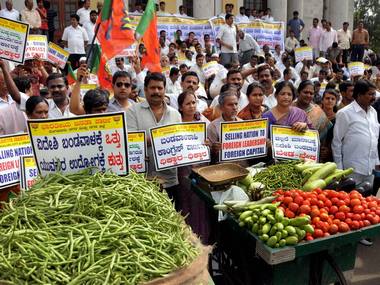
Land reforms are a trade-off between farmers and working labourers and development. Mining is a conflict between industry and environment, not to speak of tribals who may be living on that land. FDI in retail challenges the small shopowner while yielding a benefit with the supply chain. Remember, both the US and UK have stringent employment rules to ensure that labour from emerging markets does not displace domestic jobs. Should we be making exceptions when it comes to FDI? Do we need FDI to improve systems or just for the dollars?
Getting in FDI in insurance could get us dollars and help the debt markets, but it will not bring about better penetration in rural areas. The goods and services tax (GST) affects states which could lose revenue, so any hurry to push through such reforms could lead to their fiscal balances going awry. Therefore, surely, there are no easy answers here, and while industry would be naturally impatient for decisions to go in its favour, governments have to balance the interests of all sections of society.
Similarly, there is too much attention being diverted to the excessive fuel subsidy. Having market-oriented prices is prudent policy, but given the social structure, governments have to do a balancing act. The argument here is that the high fiscal deficit has become an issue as it crowds out private sector investment. And subsidy is one reason for this action.
[caption id=“attachment_341935” align=“alignleft” width=“380” caption=“Getting in Wal-Mart will not change the structure of agriculture immediately and the process is gradual. PTI”]  [/caption]
However, it must be noted here that even as the fiscal deficit overshot the target by 1.2 percent of GDP last year, the government, through the Reserve Bank of India (RBI), has actually funded the same. The total open market operations of the RBI were Rs 1.4 lakh crore and this financed around 27 percent of the gross borrowing of Rs 5.1 lakh crore. Therefore, while it is tempting to blame the government, we should note that there are certain inbuilt mechanisms that ensure that funding is never a major issue.
Add to this another Rs 1 lakh crore provided by the RBI through the repo window on a near continuous basis when required, and the system should not be complaining really. And if there is a complaint on high interest rates, the cause was inflation and not government borrowing.
Going back then to the issue of whether these reforms will turn around the economy theoretically, the answer is yes, but only in the medium run, which is three to five years away. Getting in Wal-Mart will not change the structure of agriculture immediately and the process is gradual. The same holds for FDI in insurance. Land reforms will help expedite infrastructure projects, but given the gestation period, it will take time to deliver returns for the economy. Lowering subsidies can release some money, but will they be used for project expenditure or just produce a better looking fiscal deficit number?
However, the benefit could be a change in the sentiment in terms of the perception that the government means business, which can help increase FII investment. But, FDI is already high and growing at $ 36 billion in 2011-12, when conditions were adverse.
Then where is the solution? The answer lies in improving demand and mitigating supply bottlenecks. The government appears to be keen on expediting the capital projects that have gotten stuck on the way, which will help boost growth. Lower interest rates may not on their own help. The RBI lowered interest rates in April, but it has not raised borrowing levels. Lower rates help sentiment, but for investment to take place, we need to have demand, which is missing.
Government has to take the lead here and spend, which looks difficult given the fiscal constraints. The private sector, too, should work on growing its balance-sheet and add to investment demand. And, most importantly, consumer spending has to increase. Within the Index of Industrial Production (IIP), we need to have the consumer goods and capital goods segments increase as they forge strong links with the other segments.
Looking ahead, the economic conditions will remain tough. Growth estimates vary from sub-6 percent to 7.5 percent. They will more likely settle somewhere in between. Inflation will hopefully be contained as global commodity prices come down. A good monsoon will help ease food inflation. The RBI will lower rates gradually, which is a comfort. The fiscal deficit will be uncertain as a large part on the revenue side depends on GDP growth - if it does not grow, then excise, customs and corporate collections will take a hit.
The external balance will improve on the current account if the oil price holds or eases, and FII flows will remain whimsical. FDI and external borrowings will provide the requisite support, though the rupee’s fall makes borrowing expensive. Hopefully, the Greek elections will throw light on how long this agony will persist. This is the time for industry to get more innovative in managing costs to maintain profit margins while the government works its own way around fuel prices, austerity, project implementation, export promotion and fiscal deficit. They will be baby steps, and the economy will crawl before getting up, but hopefully in the right direction.
Madan Sabnavis is Chief Economist, Care Ratings. These views are personal

 "Israel targets top Hamas leaders in Doha; Qatar, Iran condemn strike as violation of sovereignty")
 "Nepal: Oli to continue until new PM is sworn in, nation on edge as all branches of govt torched")
 "Who is CP Radhakrishnan, India's next vice-president?")
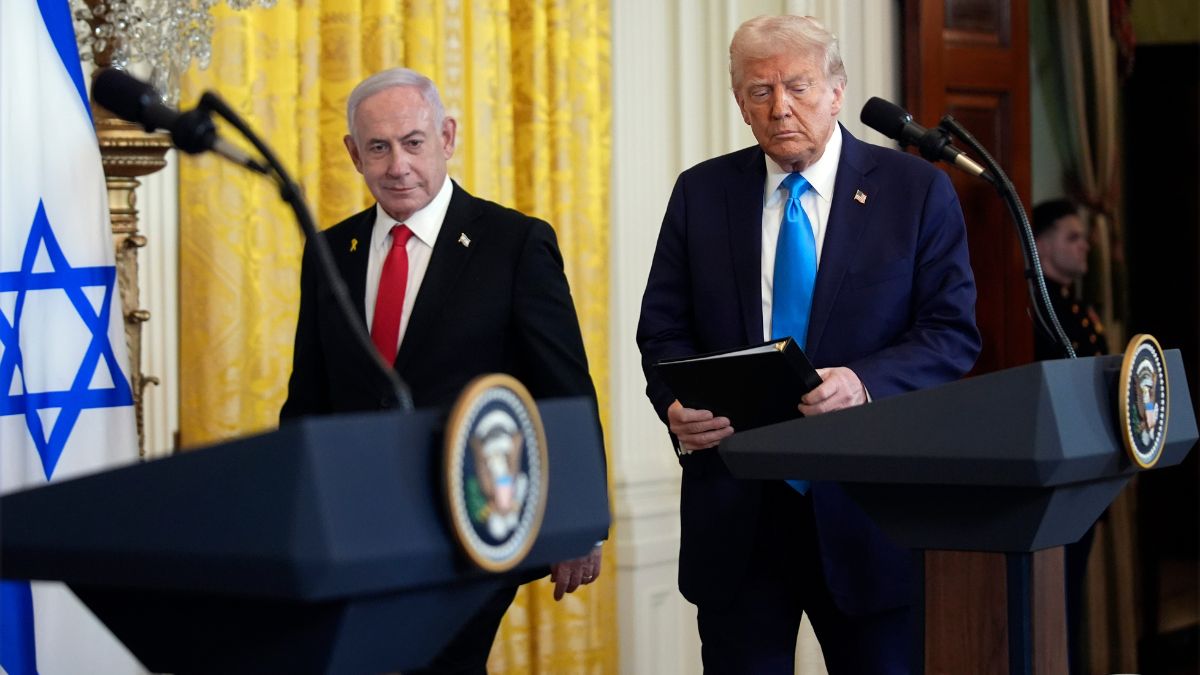 "Israel informed US ahead of strikes on Hamas leaders in Doha, says White House")
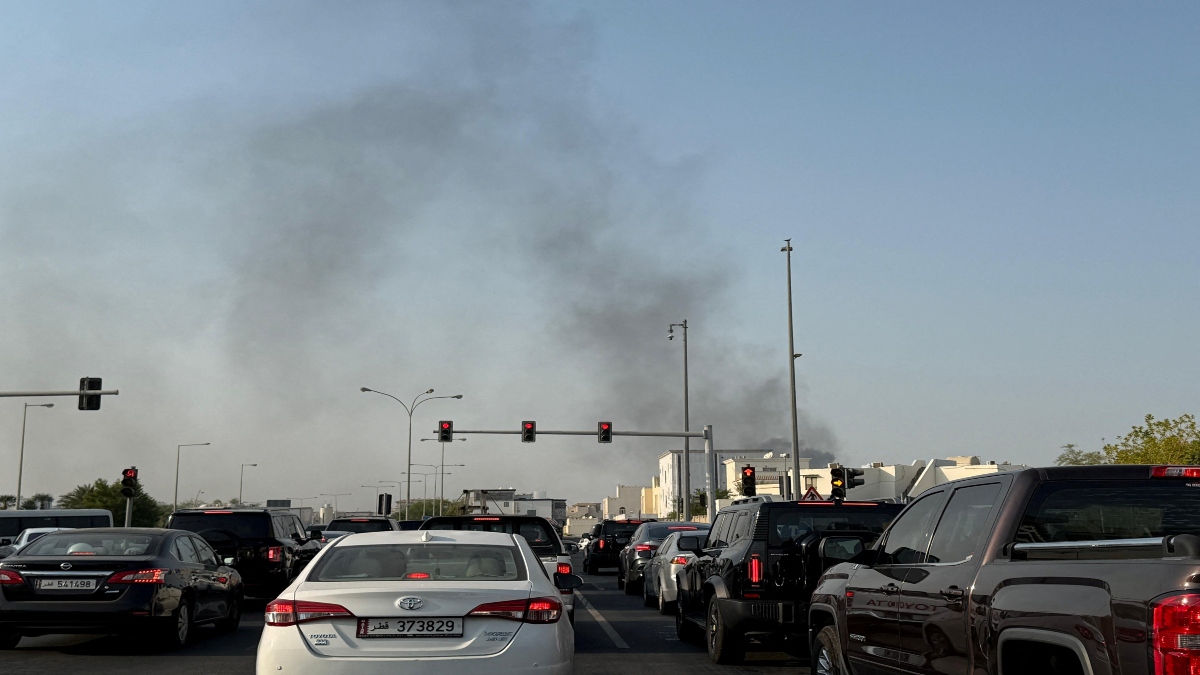 "Israel targets top Hamas leaders in Doha; Qatar, Iran condemn strike as violation of sovereignty")
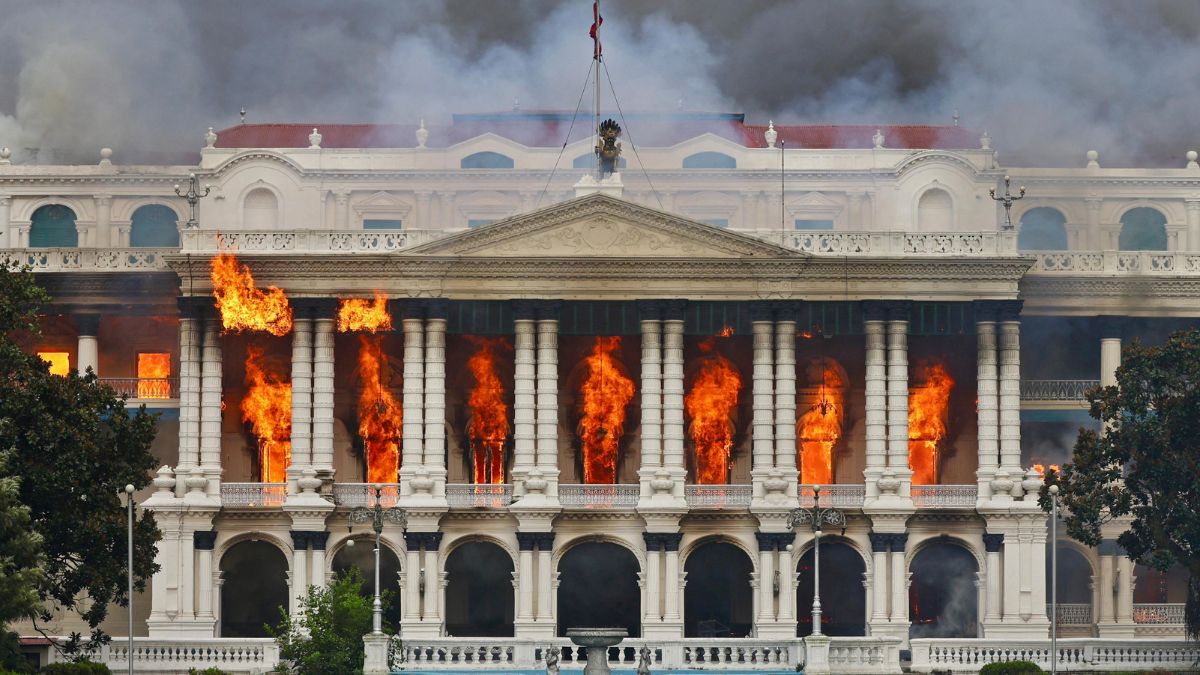 "Nepal: Oli to continue until new PM is sworn in, nation on edge as all branches of govt torched")
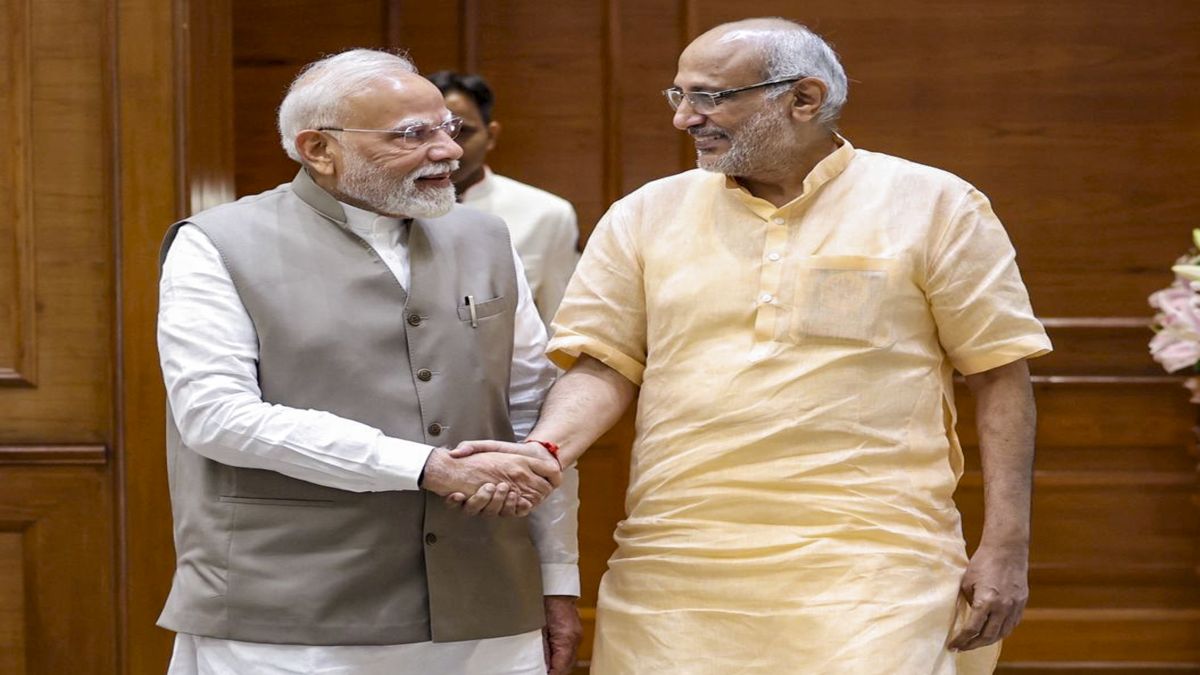 "Who is CP Radhakrishnan, India's next vice-president?")
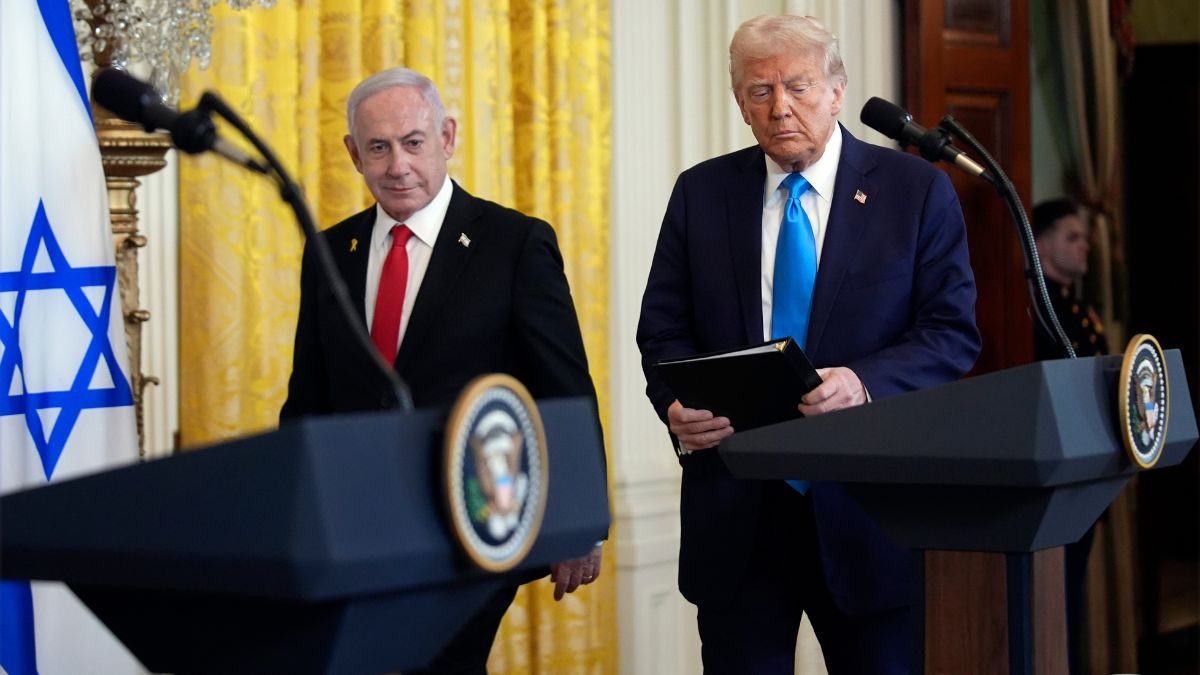 "Israel informed US ahead of strikes on Hamas leaders in Doha, says White House")



](https://images.firstpost.com/wp-content/uploads/2012/06/fdiprotest-pti.jpg)