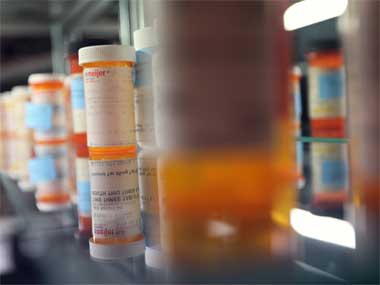
 "Breast cancer drugs: Is UPA succumbing to US pharma pressure?")
On Monday, an innocuous Reuters report from Zurich said that the Kolkata patent office has partly revoked “patents granted to Roche Holding for its breast cancer drug Herceptin.”
For breast cancer patients and health activists, this could have been music to ears because Herceptin, which is Roche’s brand name of a compound Trastuzumab, is a wonder-drug that is not only a significant life-saver, but also is highly effective against the spread of malignancy related to breast cancer to the other parts of the body.
So far, there is no other drug against HER2-positive cancer, which is an aggressive form that is widely prevalent among young women in India and elsewhere, with such efficacy. It can be administered alone, along with chemotherapy and after surgery. In many cases, it even helps avoid surgery, which many find disfiguring.
But, unfortunately the report from Zurich, attributed to multinational drug major Roche, which makes Herceptin, is misleading and is most likely aimed at maligning India.
What in reality happened was the Kolkata patent office dismissed two “divisional” applications, that it had filed on top of its original patent application for the drug, for procedural reasons. The patent on Herceptin or Trastuzumab is intact, and the drug will continue to be priced exorbitantly.
Divisionals are supplementary applications that claim improvements on the original drug filed by crafty drug companies to extent their patent-periods.
Now, read the rest of the report from Zurich to understand the mischief:
“The decision is the latest in a series of rulings on intellectual property and pricing in India that have frustrated attempts by Western drugmakers to sell their medicines in the country’s fast-growing drugs market.”
The message is not new and has been heard from Obama’s men and women in Washington DC, European capitals and MNC boardrooms: India doesn’t respect intellectual properties and innovation. They are copycats.
This language against the country’s “disrespect” for intellectual property rights is part of an increasing, organised and West-backed chorus by MNCs against India, whereas the reality is that the country is strictly within its rights to revoke patents of drugs to “protect public health” under the Doha Declaration on the TRIPS agreement.
This anti-India campaign has been gaining momentum since India broke the patent of an obscenely priced cancer drug called Nexavar early last year. The price of the drug fell from Rs 2.8 lakh to Rs 6000 and also led to cascading prices of a few other cancer drugs.
Since then, there has been a systematic effort by the western media, international business bodies and their trade proxies to malign India. Perhaps the biggest pressure came from the US, both by the government and trade and business organisations.
“Administrative and court rulings have repeatedly ignored internationally recognised rights - imposing arbitrary marketing restrictions on medical devices and denying, breaking or revoking patents for nearly a dozen lifesaving medications,” said a strong letter to Obama signed by heads of 17 trade and business organisations that was aimed to arm-twist India.
Its language sounded as if India was violating international law whereas it was strictly operating within multilateral treaties.
The same lobby, including the western media, played the same game while reporting on the recent punitive action by FDA against Indian generic major Ranbaxy. In almost all the western media stories, the sub-text was a lawless generic anarchy in India, which doesn’t respect intellectual property rights. The Ranbaxy debacle was an additional launchpad for new attacks against India’s drug scene.
Let’s come back to Herceptin or Trastuzumab. The real story is that the patent is fit to be revoked for two reasons:
One, as the Cancer Patients Aid Association argues, India was wrong in granting patent to the drug because it was a pre-1995 drug. According to the Indian patent law, amended in 2005, drugs that existed before 1995 are not patentable.
Two, the huge breast cancer burden amongst women in India (23 per 100,000 and 90,659 annual deaths) makes it a public health emergency. When there is an extremely efficient drug available that the majority of people cannot access because of its exorbitant price (Rs 6-8 lakhs for a full course), India is well within its rights to issue a compulsory license to local manufacturers who can make its generic versions. A generic version should not cost more than 10 per cent of the original price. Indians, and even a vast majority of people in the US, are alive only because of generics.
Noting the seriousness of the situation, in January, the government had reportedly begun steps to issue compulsory licenses on Trastuzumab and two other cancer drugs (Dasatinib and Ixabepilone). In November 2012, the Campaign for Affordable Trastuzumab, a citizens’ collective, wrote an open letter to the Prime Minister, signed by around 200 cancer survivors, women’s groups, human rights and health rights campaigns and treatment activists from around the world, urging the government to make the drug affordable and freely available to patients.
“Drug companies are holding our health hostage to their greed for profits” said Kalyani Menon-Sen, coordinator of the Campaign. “Roche should not be allowed to get away with such predatory prices. Courts and other authorities like the Competition Commission must take suo moto action against Roche for abusing its dominant position in the market.” She also called on Indian manufacturers to expedite the production of bio-similars (generic version) of Trastuzumab.
It’s in this context that Roche has been misleading the world that the Patent office in Kolkata has partially lifted the patent, ostensibly to generate pre-emptive pressure against India. The US and MNC lobbies have been able to slow down the momentum to free more life-saving drugs following the revocation of the patent on Nexavar.
The UPA government, which had indicated a pro-people sentiment early last year, has now developed cold feet under pressure from the US and others. Had it continued to pay attention to the health-security of its people, Herceptin should have been out of patent and some local company should have been making it for a few thousand rupees by now.
In June this year, YK Sapru of the Cancer Patient Aid Association wrote to the Department of Industrial Policy and Promotion (DIPP) of the Ministry of Commerce and Industry asking for a revocation of the patent under Section 66 of the Patents Act. Strangely, the government’s answer was that it couldn’t do anything now because a local drug company (Glenmark) had filed a post grant opposition against the patent. Since it was still pending, the DIPP couldn’t act on the cancer patients appeal.
But what the government did not say was why it was sitting on Glenmark’s petition for five years! At present, it is an useful ruse to keep the Trastuzumab/Herceptin patent going.
Additionally, the DIPP also says that its decision will depend on the applications by generic manufacturers to make bio-similars of Trastuzumab. Doesn’t the DIPP know that no company will make such an effort unless there is an indication that it’s likely to issue a compulsory license.
Ideally, the government could have revoked the patent either based on Glenmark’s opposition (because granting patent to a pre-1995 drug was erroneous) or on the request of the Cancer patients, had it been serious of its people’s health.
Given the huge burden of breast cancer on women in India - in terms of massive treatment costs, morbidity and mortality - it’s indeed shocking that the UPA government is dragging its feet on its legitimate right to ask Roche to take a walk and allow local companies to make it.
Unlike many other drugs that have been generically manufactured, making Trastuzumab through an alternative route is not easy because it’s a biotechnology drug and a parallel process will take a lot of efforts and money. Unless the government gives a clear indication that it’s planning to issue a compulsory license, no Indian company will invest in making its generic version. Thousands of our women will continue to go bankrupt, suffer and die.
It’s such a shame that in its quest for the elusive FDA and anxiety over current account deficit, the UPA government is consistently forfeiting its citizens’ right to survive. As former IMF, World Bank and United Nations “experts” make a beeline to enter India’s policy sphere, it will certainly reach more alarming levels. On top of that, the Swadeshi lobby had been hijacked by a coterie of right-wing economists, accountants and columnists.
We, particularly the poor and middle class of India, are certainly in for hell.


 "Jaishankar meets Sergio Gor ahead of US visit, says discussed 'many dimensions of our partnership'")
 "As Trump shakes up Nato, Europe aims to go self-sufficient in weapon production")
 "EU to list Iran’s Revolutionary Guards as terrorist group alongside al-Qaeda and Hamas")
 "With new security pact, India and EU eye win-win defence ties as US, China rival in arms race")
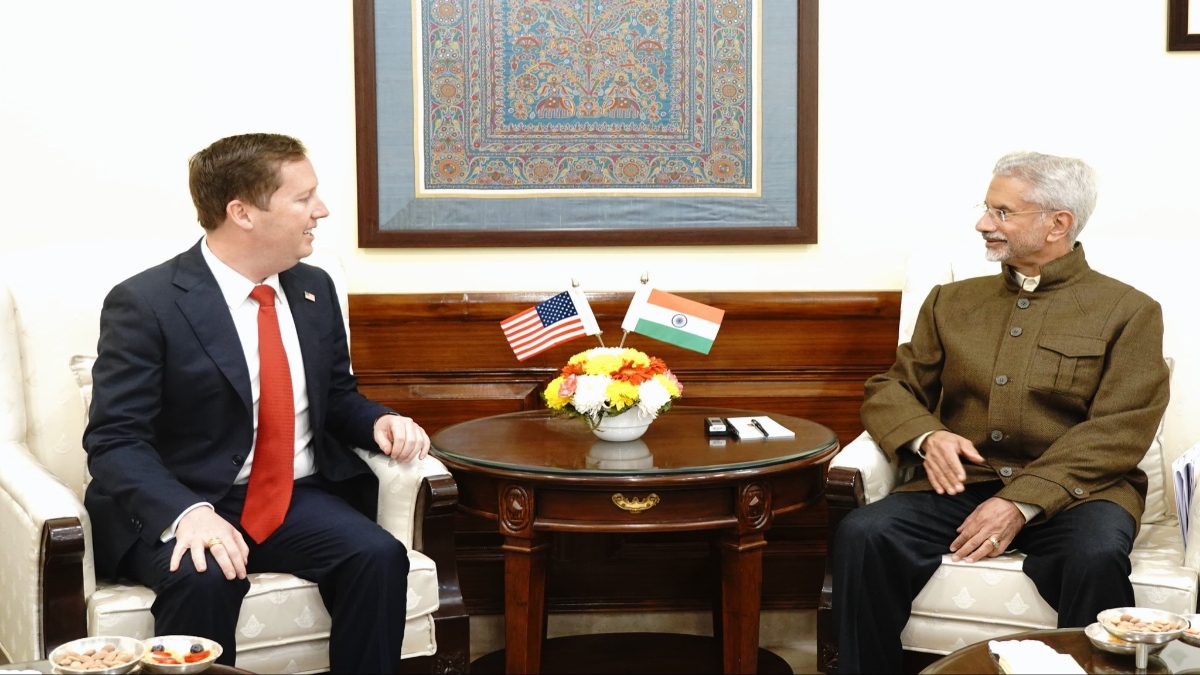 "Jaishankar meets Sergio Gor ahead of US visit, says discussed 'many dimensions of our partnership'")
 "As Trump shakes up Nato, Europe aims to go self-sufficient in weapon production")
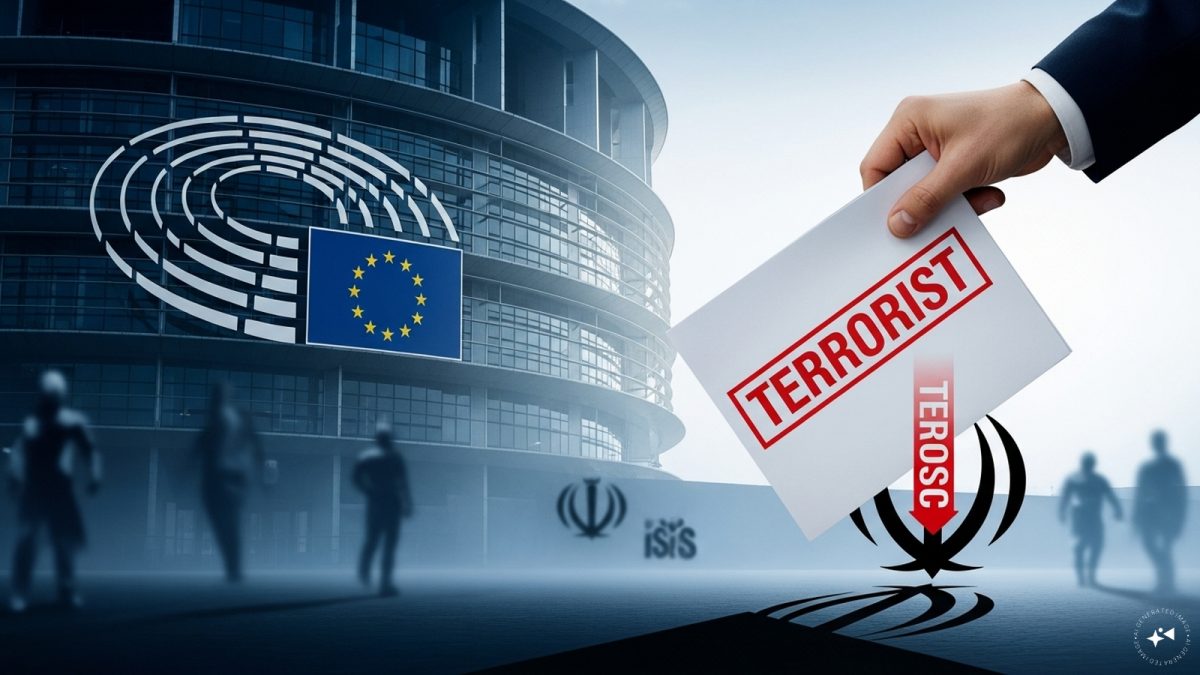 "EU to list Iran’s Revolutionary Guards as terrorist group alongside al-Qaeda and Hamas")
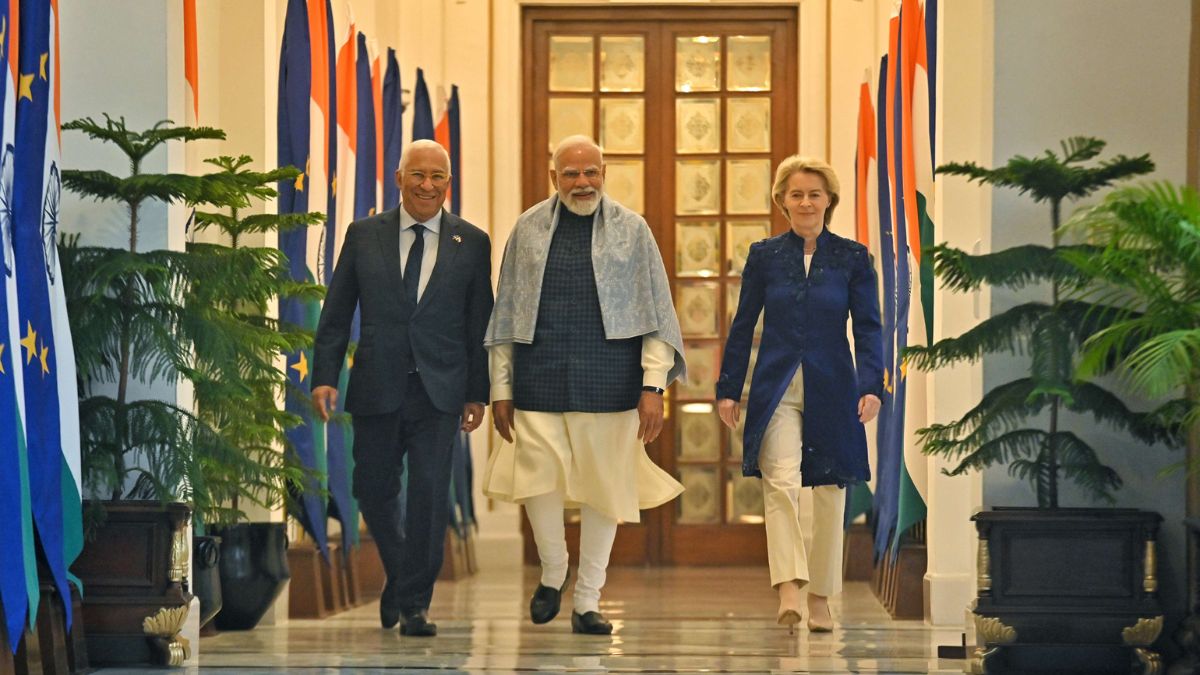 "With new security pact, India and EU eye win-win defence ties as US, China rival in arms race")