

 "SevenHills Health City Is India's First Paperless Hospital")
Ruckus Wireless has announced that SevenHills Hospital has selected and is standardising on the Ruckus ZoneFlex 802.11n Smart Wireless LAN (WLAN) system across its massive ‘SevenHills Health city’ servicing Mumbai.
With the Ruckus ZoneFlex system in place, SevenHills Health City will now be able to automate routine data collection to reduce errors and dependency on paperwork as well as instantly capture real-time patient data, test results, medical records and other life-critical information to accelerate patient evaluation and improve diagnostic accuracy.
SevenHills is deploying 350 ZoneFlex 7962 dual-band smart Wi-Fi access points (APs) and multiple ZoneDirector controllers across its ‘health city.’ SevenHills’ health city is built on 17 acres comprising more than 3 million square feet of space to support a 1500-bed facility, 300 residential complexes and large medical facilities that include 36 modular operation theaters, pharmacies, 120 outpatient consulting chambers, waiting areas and two auditoriums.
SevenHills will also use the new Ruckus Smart Wi-Fi system with wireless handheld devices and patient wrist bands employing radio frequency identification (RFID), making it possible to track the location and status of patients throughout a hospital campus. Real-time location systems (RTLSs) are used for accurate asset tracking and location, driving cost savings and workflow productivity gains. SevenHills also plans to leverage the new Wi-Fi system to enable IP-based voice and video communications among healthcare personnel to improve communications.
According to Suresh Kumar, General Manager of Information Technology at SevenHills Hospital, SevenHills had a mandate to ensure doctors were well equipped with the proper technology to allow them to spend quality time with each patient, as well as to capture and share real time data with other specialists and staff in the hospital. Additionally, each doctor and staff member needs to be equipped with smart handheld devices that allow them to source patient information from wherever they are in the campus.
“Signal coverage and wireless stability were big obstacles in achieving this mandate,” said Kumar. “We looked at a variety of technology in the market but found that only the Ruckus system was purposely designed to address physical layer issues and allow wireless networks to behave more like a wire.”
“Wireless is now considered a strategic imperative within healthcare to lower costs, increase operational efficiency, expedite patient care and gain timely access to life-critical information,” he continued. “The problem is that hospitals create one of the worst environments for Wi-Fi given all the various devices, obstructions, delay-sensitive applications and RF interference found here. Traditional Wi-Fi technology just wouldn’t cut it. This is what led us to more advanced implementations, such as those from Ruckus Wireless.”
Kumar said, “We were looking for a Wi-Fi vendor that would work well in an environment where there are many obstructions and sources of RF interference. Most vendors could handle the environment with lots of APs but couldn’t cope with interference. Ruckus Wireless gave the highest performance in terms of throughput at various distances and stability of signals. Ruckus was also able to demonstrate multi-megabit video streaming across large areas, whereas other vendors were not. These factors, combined with its amazingly simple and easy-to-use management interface, made it the ideal choice for our healthcare organisation.”

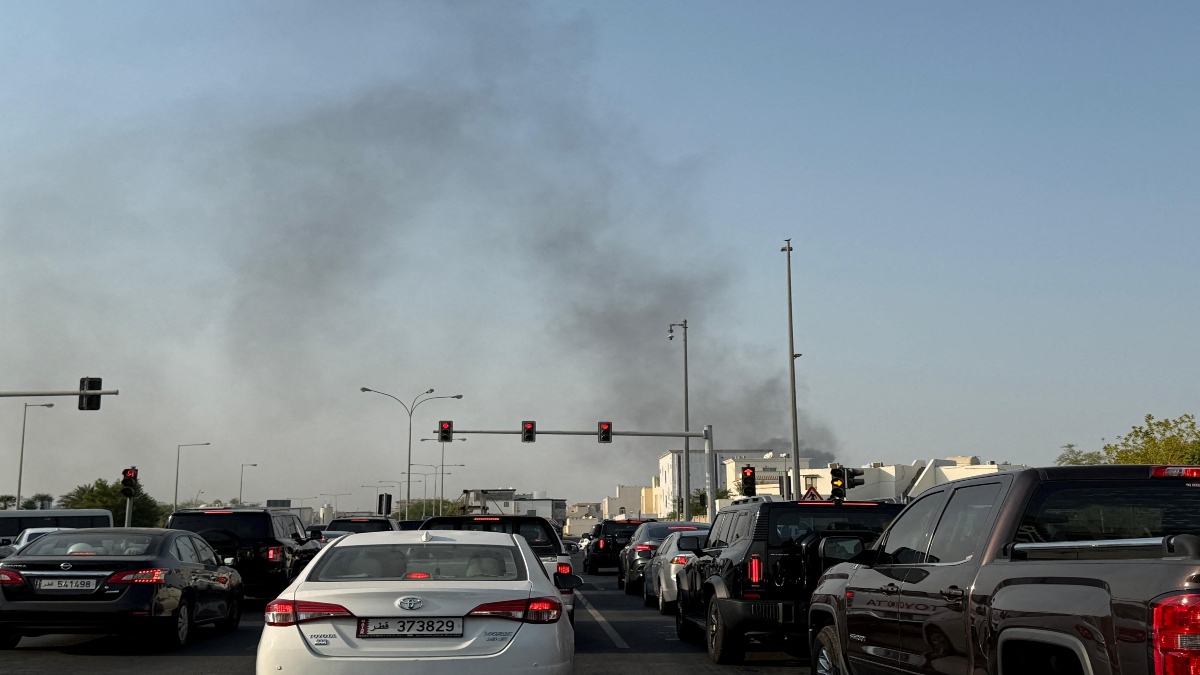 "Israel targets top Hamas leaders in Doha; Qatar, Iran condemn strike as violation of sovereignty")
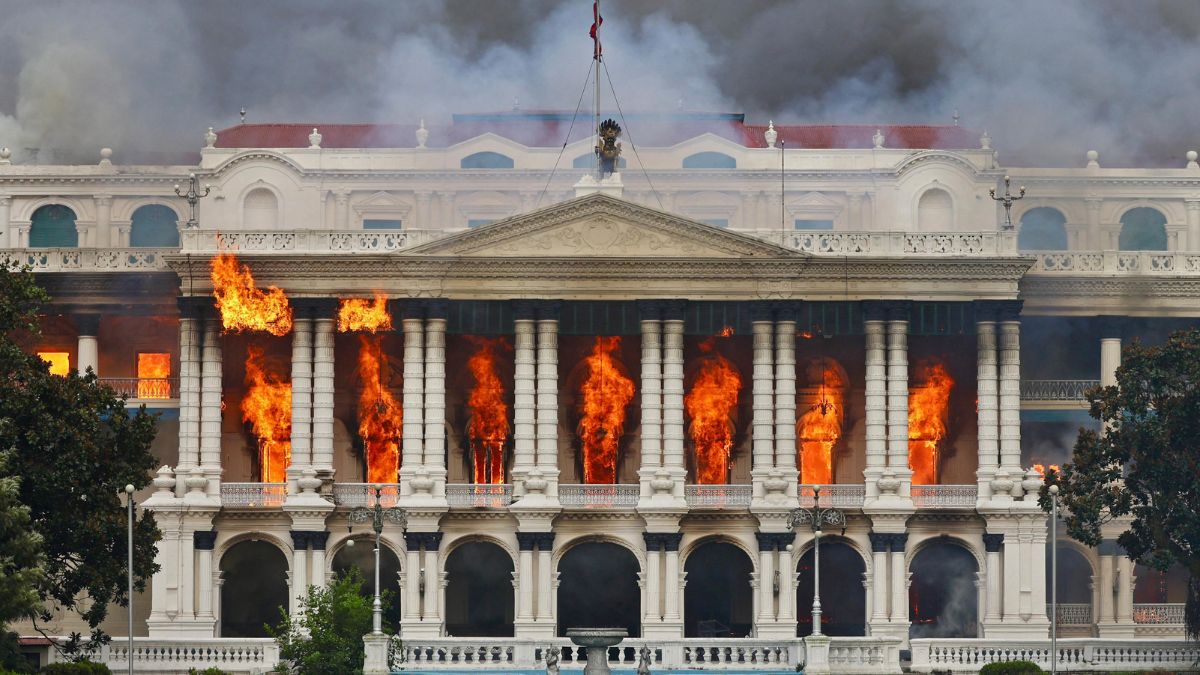 "Nepal: Oli to continue until new PM is sworn in, nation on edge as all branches of govt torched")
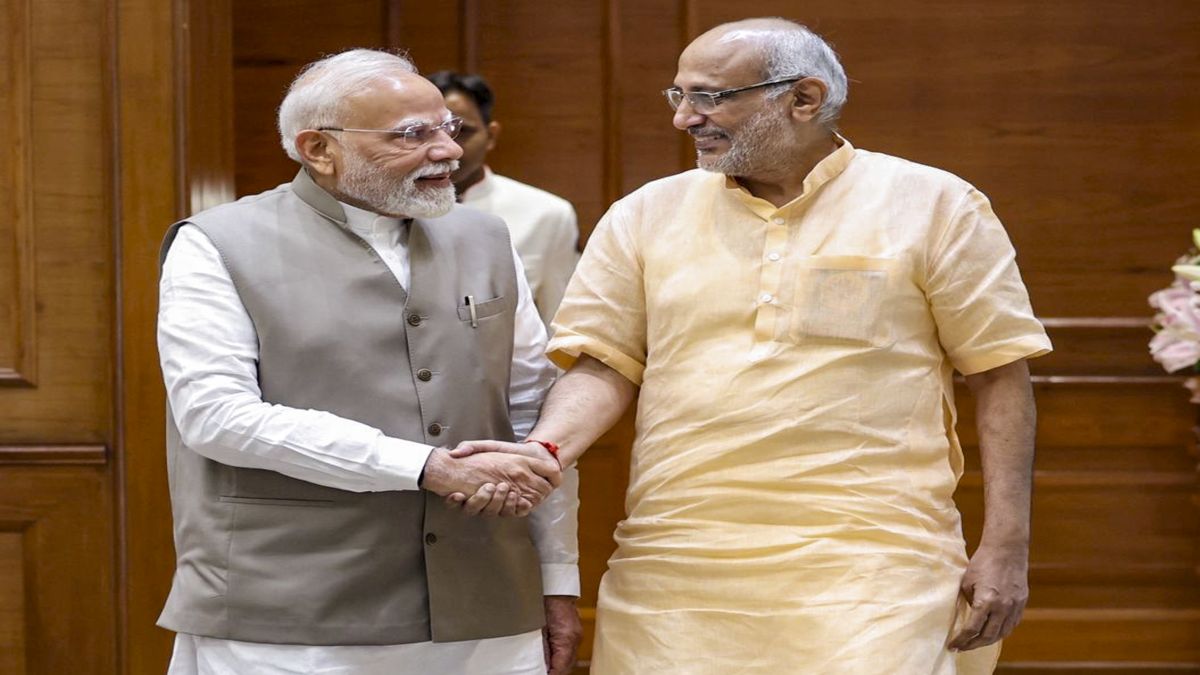 "Who is CP Radhakrishnan, India's next vice-president?")
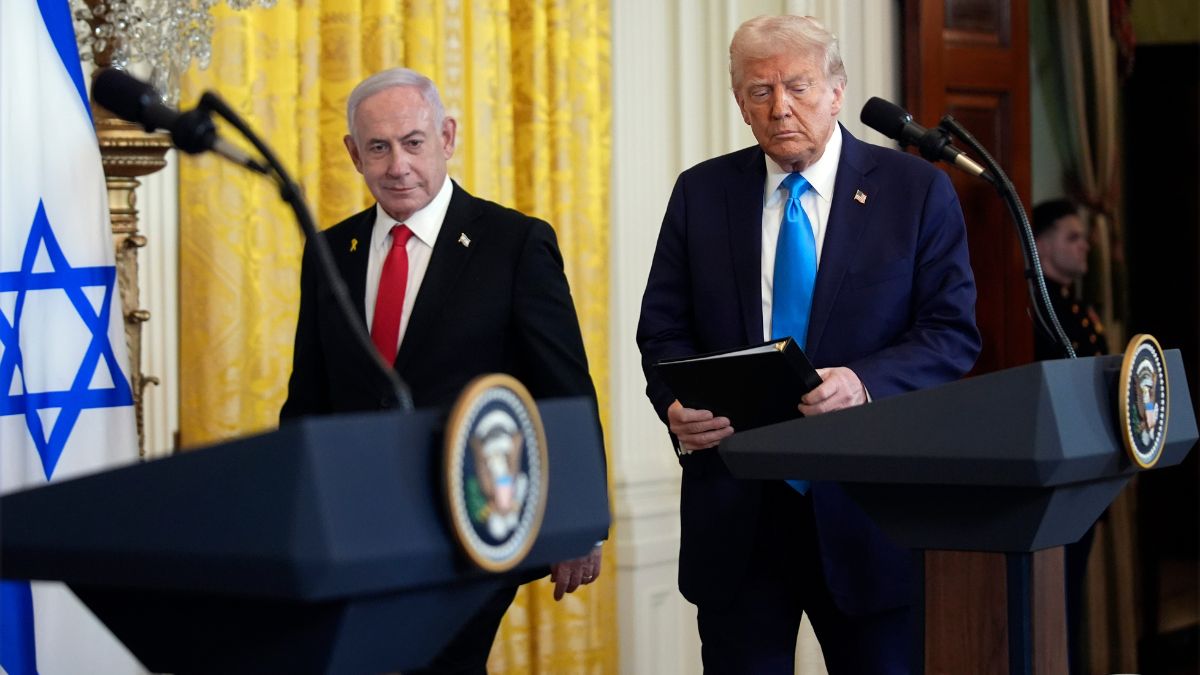 "Israel informed US ahead of strikes on Hamas leaders in Doha, says White House")
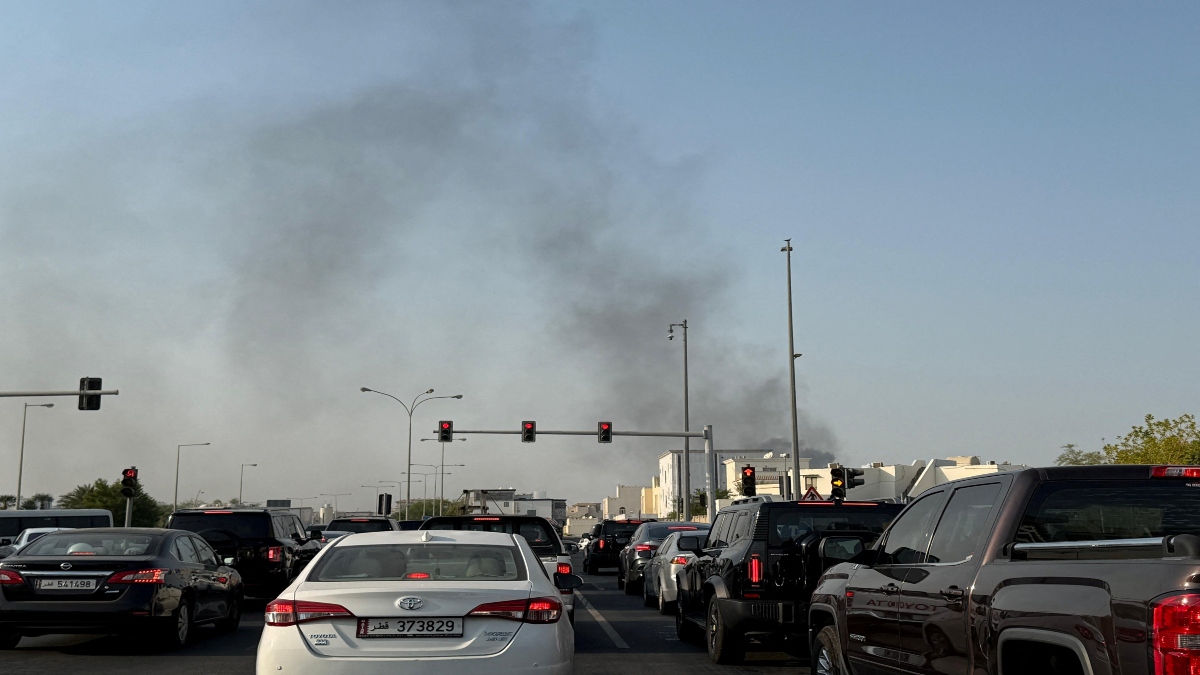 "Israel targets top Hamas leaders in Doha; Qatar, Iran condemn strike as violation of sovereignty")
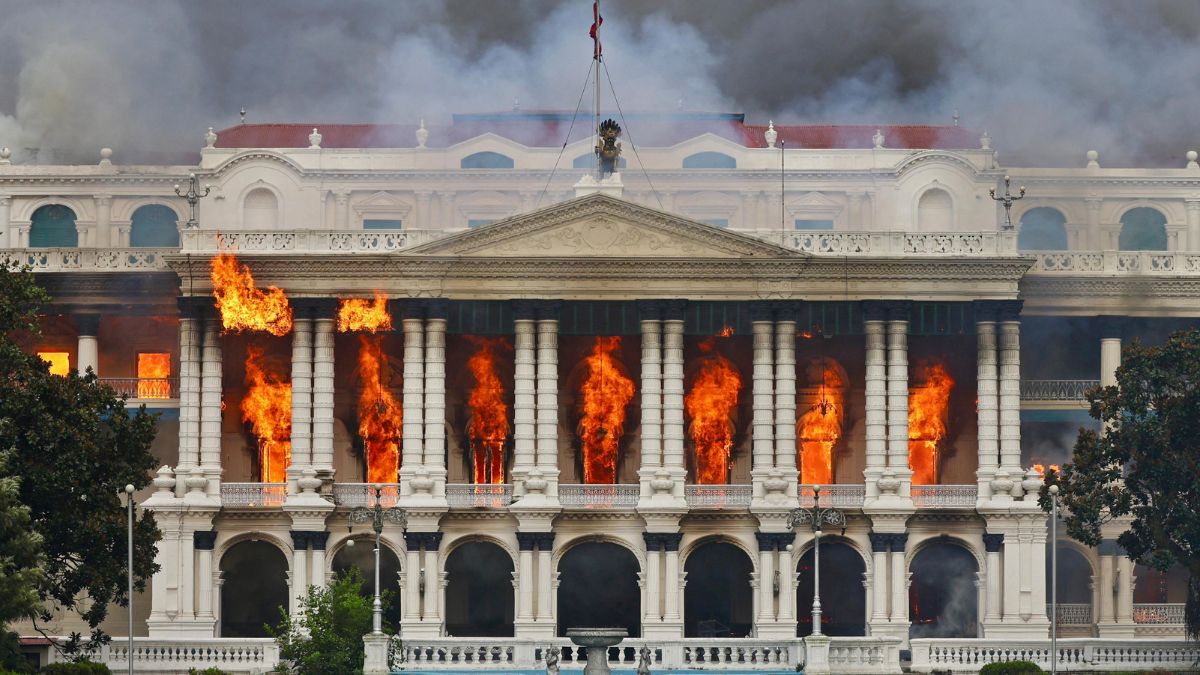 "Nepal: Oli to continue until new PM is sworn in, nation on edge as all branches of govt torched")
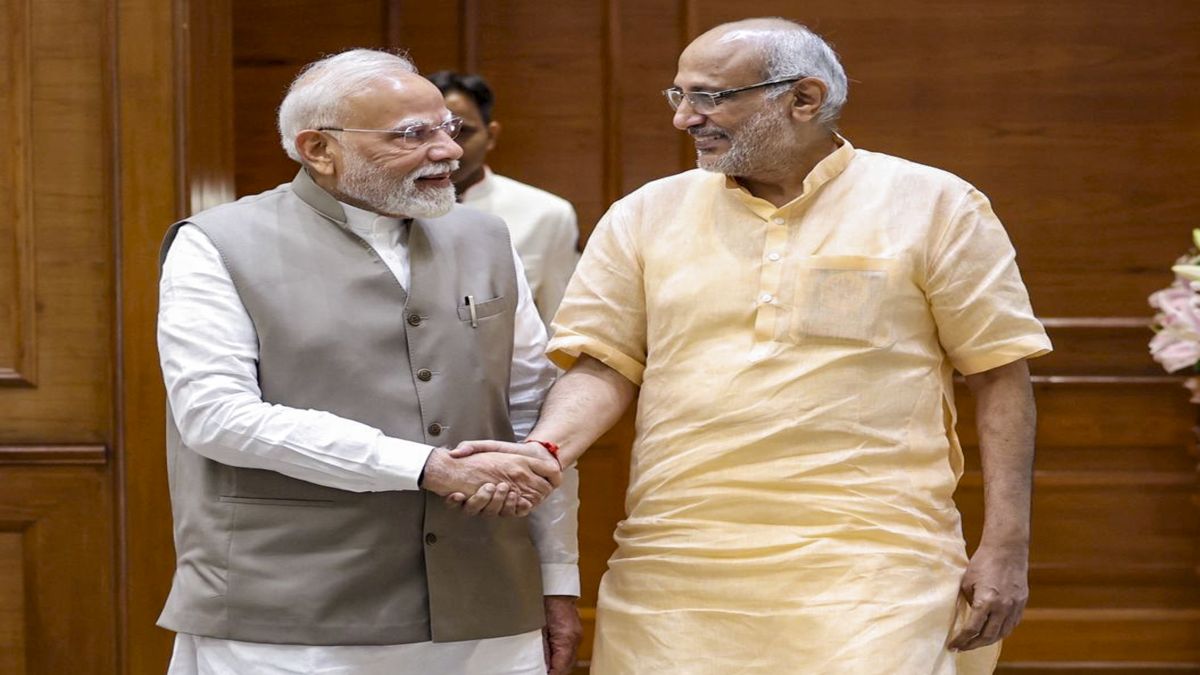 "Who is CP Radhakrishnan, India's next vice-president?")
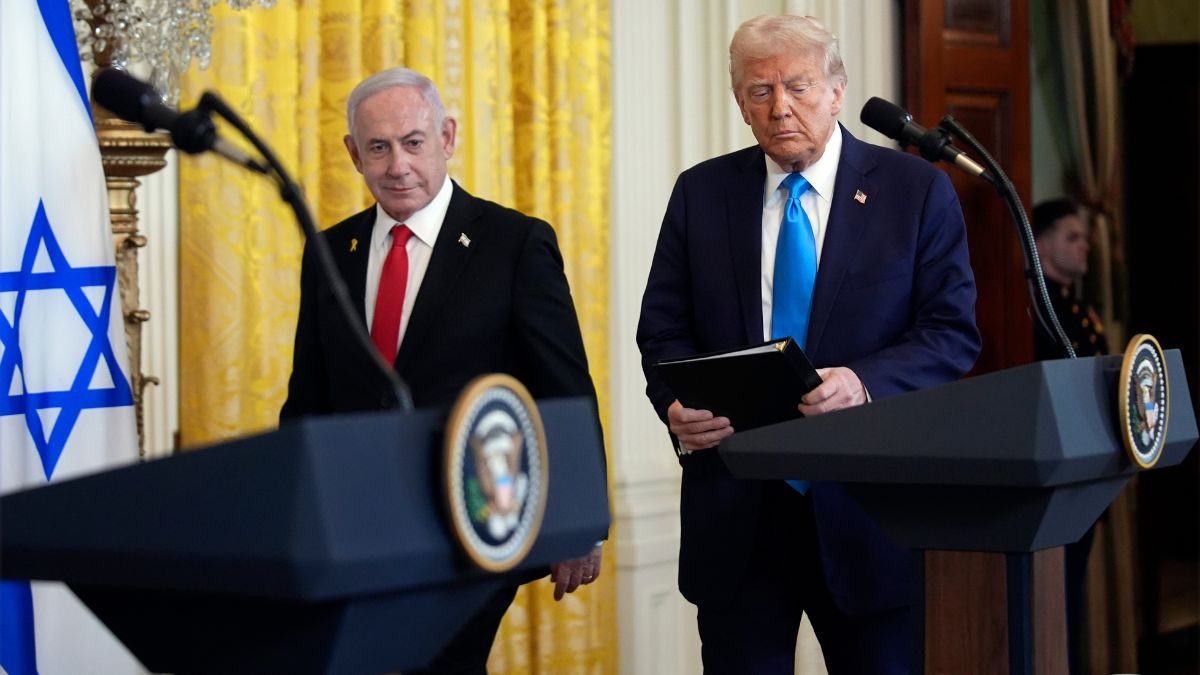 "Israel informed US ahead of strikes on Hamas leaders in Doha, says White House")



