

 "IBM Software, Consulting Practice For "Smarter Commerce"")
IBM has announced new software and the creation a new consulting practice dedicated to the emerging category of “Smarter Commerce” which is focused on helping companies swiftly adapt to rising customer demands in today’s digitally transformed marketplace.
The Smarter Commerce consulting practice extends IBM’s endeavours in business analytics and optimisation. The new software and services offerings, supported by global sales and marketing resources, will address the spectrum of enterprise commerce activities- new ways to buy, sell and secure greater customer loyalty in the era of mobile and social networks.
IBM estimates the Smarter Commerce market opportunity at $70 billion, driven by demand from clients that must bring new levels of automation to marketing, customer engagement and sales, as well as core processes for production, fulfilment and service for much more immediate responses to changes in markets and buying trends.
IBM’s Smarter Commerce initiatives draw on its WebSphere Commerce platform and a $2.5 billion investment in on-premise and cloud-based software from IBM’s acquisitions of Sterling Commerce, Unica and Coremetrics. IBM will deliver new integrated software building on these extensive capabilities, new services, and an education initiative to arm an extensive ecosystem of partners, suppliers and customers with new skills to connect the entire Smarter Commerce ecosystem.
IBM will help organisations deal with the collision of market forces that have empowered customers, to also create powerful tools for businesses. Through new software and services, IBM is enabling clients to respond to market shifts in real-time, automate marketing, selling and fulfilment, while creating a global brand presence.
“It’s a buyer’s world now” said Craig Hayman, General Manager, IBM Industry Solutions. “Businesses require a tighter and highly responsive network of suppliers and partners to ensure they deliver the right product or service at the right price, time and place. The key to business success in this unfolding environment is predicting trends and automating market responses in advance to eliminate the gaps between buy and sell, supply and demand.”
“If they are going to engage with customers that are more connected- but not necessarily more connected to the people making and selling products and services- businesses require a new set of capabilities that start with the ability to hear the global conversations taking place about their products and brands,” said Paul Papas, global Smarter Commerce practice leader, IBM Global Business Services. “This new level of insight has to be followed by an entirely different kind of engagement with these customers, including a tighter and highly responsive network of suppliers and partners”
The sellers, or businesses, are largely unprepared for these changes. As a result, there are massive inefficiencies in the complex network of transactions that make up global commerce and its supply chain, at a time when economic and competitive pressures reduce enterprise margins for error to zero.

 "Israel targets top Hamas leaders in Doha; Qatar, Iran condemn strike as violation of sovereignty")
 "Nepal: Oli to continue until new PM is sworn in, nation on edge as all branches of govt torched")
 "Who is CP Radhakrishnan, India's next vice-president?")
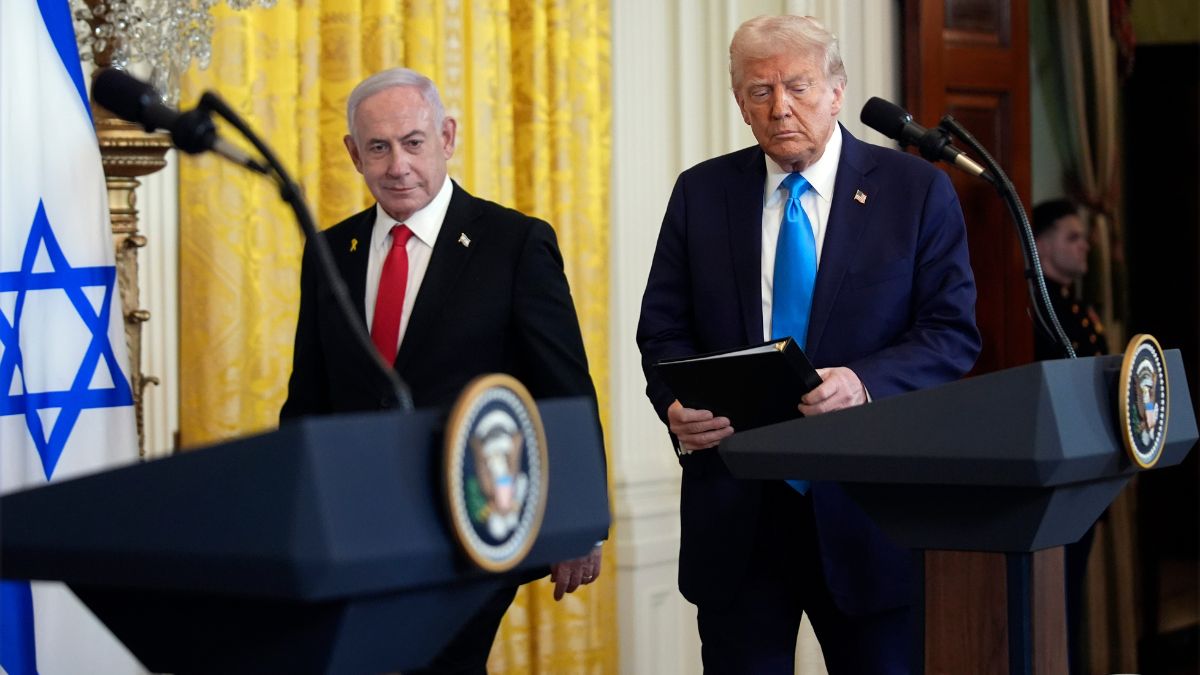 "Israel informed US ahead of strikes on Hamas leaders in Doha, says White House")
 "Israel targets top Hamas leaders in Doha; Qatar, Iran condemn strike as violation of sovereignty")
 "Nepal: Oli to continue until new PM is sworn in, nation on edge as all branches of govt torched")
 "Who is CP Radhakrishnan, India's next vice-president?")
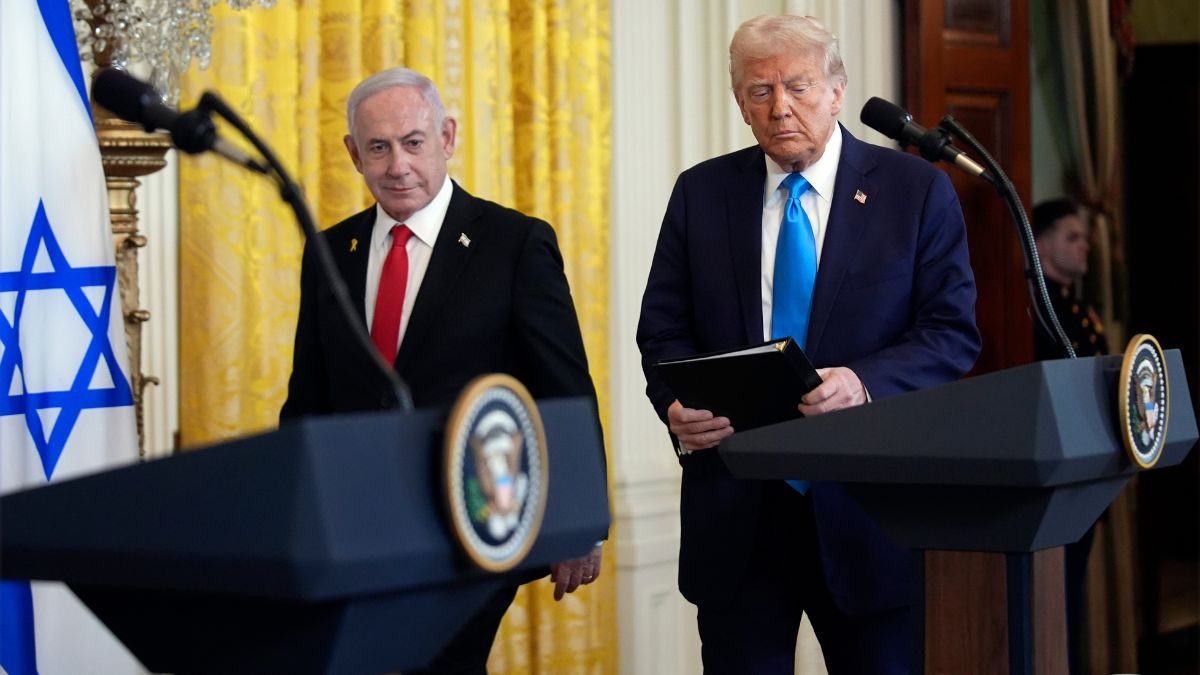 "Israel informed US ahead of strikes on Hamas leaders in Doha, says White House")



