

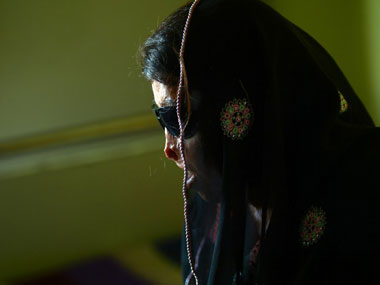
 "Why new rules won't stop acid attacks in India anytime soon")
For a long time, acid attacks in India were not treated as the epidemic that they are. Now, the Centre, finally acting on years of pressure from activists, has placed considerable regulations on the sale and purchase of acid. However, like many other steps taken towards ensuring the safety of women (given acid attacks victims are usually women) by the government, this one has blanket and optimistic assurances that could potentially be unviable. Though reports by NGOs such as the Stop Acid Attacks association pegged the number of attacks at over 1,000 every year, there are no conclusive reports because they were categorised by the police under attempt to grievously harm or attempt to murder. Besides this, it was only in 2013 that a law specifically pertaining to these attacks was enacted, when amendments A and B were inserted in Section 326 of the Indian Penal Code. Acid is as much of a weapon in India as a gun is. But it has been off the policing and legal radar because of the assumption of randomness of these attacks. Acid is so easily available, a substance meant for innocent usage, that the policing of the sale of the substance took years to come into the mainstream legal discourse. With the new law, only heavily-diluted, non-harmful acid will be available over the counter, and whoever does buy it, will be recorded by the shopkeeper and will also have to provide a purpose for the purchase. [caption id=“attachment_963771” align=“alignleft” width=“380”] 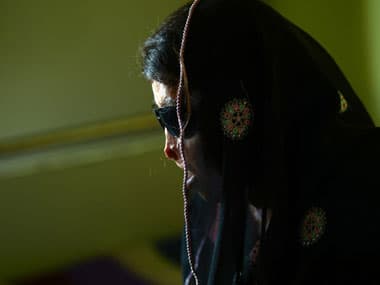 Representational photo of acid attack. AFP[/caption] “Enacting the law is only the first step, implementing it is the marathon where we will falter,” says Smriti Joshi, an acid attacks activist in Delhi. “Bangladesh had the same laws enacted over ten years ago, but not much has changed there.” Acid attacks run in high numbers in India’s neighbours like Pakistan and Bangladesh as well. Pakistan’s laws for acid attacks are almost non-existent (under the Qisas law of Pakistan, the perpetrator may suffer the same fate as the victim, and may be punished by having drops of acid placed in his/her eyes. This law is rarely enforced.) But it is Bangladesh’s laws that most closely mirror the Cente’s suggestions to Supreme Court. Looking at these laws, as well as how the implementation has failed to make any real dent in the number of acid attacks there, allows us to see where India could falter in reducing acid attacks. Bangladesh was a decade ahead of India when it came to enacting laws against acid attacks. It was in 2002 that two acts were passed in the country: the Acid Control Act 2002 and the Acid Crime Prevention Act 2002 (first and second acts), which placed restrictions on the import and sale of acid in the market. Now let’s look at the numbers. Bangladesh doctors say that the numbers have “drastically dipped”. But since 2000, there have been over 3,000 acid attacks in Bangladesh, according to the Acid Survivors Foundation (ASF) of the country. They occur for the same reasons they do in India - revenge, domestic abuse and to “teach a lesson” to the victims. So why are the numbers still so high? Despite the laws, purchasing acid is not difficult. “Enforcement remains weak. Perpetrators are still able to procure acid on the open market,” said ASF executive director Monira Rahman to a UN publication. Goldsmiths who buy acid regularly also tell the publication that they’ve never had to go on record about their purchases, because they only buy small quantities. Besides this, the police often know who attackers are, but won’t arrest them, and if a case did go to court it would take years for a conviction. “Many cases are pending but there are few convictions. Usually the police try to convince or intimidate the woman to withdraw her case,” said Salma Ali, who heads a lawyers’ group in Dhaka. Police intimidation, lack of follow-ups, little enforcement, lack of convictions and slow-moving cases: the hurdles to restrict the sale of acid in Bangladesh are likely to be similar to those that would be faced in India. Besides implementing the law stringently, preventive measures will also need to include levying a heavier penalty on the attackers. Currently, attacking with acid is a bailable offence which can lead to a maximum jail sentence of 12 years. Considering the seriousness of the crime, activists have urged that punishment be placed at par with that meted out with murder cases. Measures to aid the victims would also be victim. After an attack, a victim needs to have normal skin grafted back over the affected area within two days for there to be any chance of recovery. India has no burn unit sufficiently equipped to deal with acid attack victims. Providing even specialised unit meant exclusively to treat the over 1,000 acid burn victims India has every year would go a long way in restoring lives, which otherwise have been permanently thrown off course. The compensation provided by the government to victims is also negligible. Doctors estimate that the total medical costs for a victim would come to a minimum of Rs 50,00,000. The current compensation that ranges between Rs 2 to 2.5 lakh isn’t enough to even cover basic medical expenses. “The act is a very important one, and it might even help a little,” points out Joshi. “But it’s not time to celebrate. It will take years to see the effect of the law. And it’ll only happen if the issue isn’t dropped after a day’s celebration at the ruling.”
the Centre has placed regulations on the sale and purchase of acid. Howeve it has blanket and optimistic assurances that could potentially be unviable
Advertisement
End of Article


 "Russian drones over Poland: Trump’s tepid reaction a wake-up call for Nato?")
 "As Russia pushes east, Ukraine faces mounting pressure to defend its heartland")
 "Why Mossad was not on board with Israel’s strike on Hamas in Qatar")
 "Turkey: Erdogan's police arrest opposition mayor Hasan Mutlu, dozens officials in corruption probe")
 "Russian drones over Poland: Trump’s tepid reaction a wake-up call for Nato?")
 "As Russia pushes east, Ukraine faces mounting pressure to defend its heartland")
 "Why Mossad was not on board with Israel’s strike on Hamas in Qatar")
 "Turkey: Erdogan's police arrest opposition mayor Hasan Mutlu, dozens officials in corruption probe")



