

 "Indian newspapers should look closely at FT and NYT")
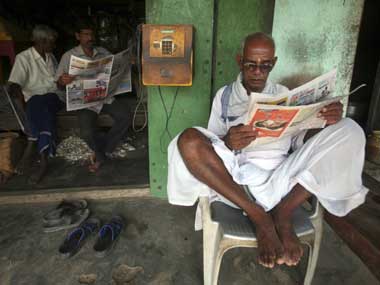
The Financial Times made two big announcements on Friday. One, that digital subscribers outnumbered print subscribers and, two, that digital revenues now accounted for half of the sales of the FT Group, reports Techcrunch. Across the Atlantic, there was another announcement with thought-provoking implications. Advertising revenue for Q2 at the New York Times Company tanked 6.6 percent at the three papers – but circulation revenue was up 8.3 percent. “The historical rebalancing, which occurred at the News Media Group for the first time in Q1, may indicate a sea change in an industry that has long relied on advertising to stay afloat,” reports New York Mag.[caption id=“attachment_394816” align=“alignleft” width=“380”]  Tough read ahead. Reuters[/caption] Both these announcements will be watched closely and analysed intensely by publishers the world over. For Indian publishers of newspapers, it’s the writing on the wall. The unique Indian business model for newspapers, with the low cover prices and low subscription rates, causes a scramble for circulation numbers to satisfy the appetite of the advertisers. Revenue from circulation is almost close to irrelevant – and it is the advertising revenue that all newspapers depend on . Overlay this with the latest readership data. Newspapers had notched up a 1.3 percent CAGR in the IRS survey. However, “The top ten newspapers in India have de-grown by 0.003 percent. Of the 10 publications, seven have registered negative growth, while those who have shown growth have done so in fractions of one percent,” Firstpost had written . When the dependence is so markedly on advertising growth, circulation numbers need to be maintained, as the advertising yields have a direct correlation to readership and circulation. Thanks to the business models, however, the more copies that are sold increases the dependence on circulation, rather than decrease it. With the flattening of the demand for the printed newspaper the pressure on yields is constant and harsh. The only logical way forward is an increase in the cover price and subscription rates so that the dependence on advertisers decreases. No publisher in India wants to bite the bullet – because of the fear of the unknown. How many readers will be lost if Times of India, for example, raised the price to Rs. 10 per copy? Will the increase in circulation revenue offset the possible loss of advertising revenue? What would happen if the price was raised to Rs 15? The mind boggles – but FT and NY Times have certainly proven that the paid digital circulation + shrinking advertising revenues is a model that could work if done right. In India, while the demand in the metros stays flat or shrinks, demand in smaller towns and new publishing centres can be expected to grow for some years to come, and newspaper groups have a unique opportunity – to have differential pricing and revenue models in different markets. For example, the price of the Mumbai and Delhi editions could be raised – while the price of the Kochi and Indore editions, for example, could remain low. The more mature editions will then gradually decrease their dependence on advertising revenue and prepare for the day when the consumer shies away from the physical, printed paper and demands the newspaper in a digital format. That day is not too far away. The same IRS survey which showed print flat at 1.3 percent CAGR shows digital registered a whopping 47.3 percent CAGR.
The same IRS survey which showed print flat at 1.3 percent CAGR shows digital registered a whopping 47.3 percent CAGR.
Anant Rangaswami was, until recently, the editor of Campaign India magazine, of which Anant was also the founding editor. Campaign India is now arguably India's most respected publication in the advertising and media space. Anant has over 20 years experience in media and advertising. He began in Madras, for STAR TV, moving on as Regional Manager, South for Sony’s SET and finally as Chief Manager at BCCL’s Times Television and Times FM. He then moved to advertising, rising to the post of Associate Vice President at TBWA India. Anant then made the leap into journalism, taking over as editor of what is now Campaign India's competitive publication, Impact. Anant teaches regularly and is a prolific blogger and author of Watching from the sidelines. see more

 "Israel targets top Hamas leaders in Doha; Qatar, Iran condemn strike as violation of sovereignty")
 "Nepal: Oli to continue until new PM is sworn in, nation on edge as all branches of govt torched")
 "Who is CP Radhakrishnan, India's next vice-president?")
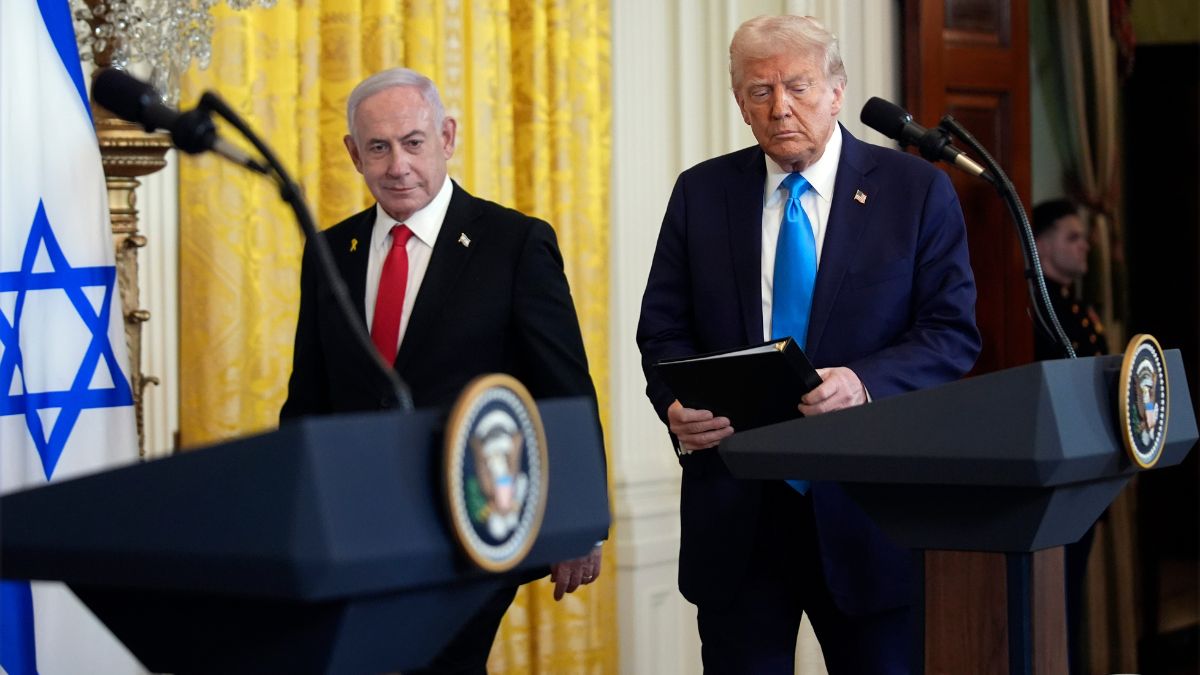 "Israel informed US ahead of strikes on Hamas leaders in Doha, says White House")
 "Israel targets top Hamas leaders in Doha; Qatar, Iran condemn strike as violation of sovereignty")
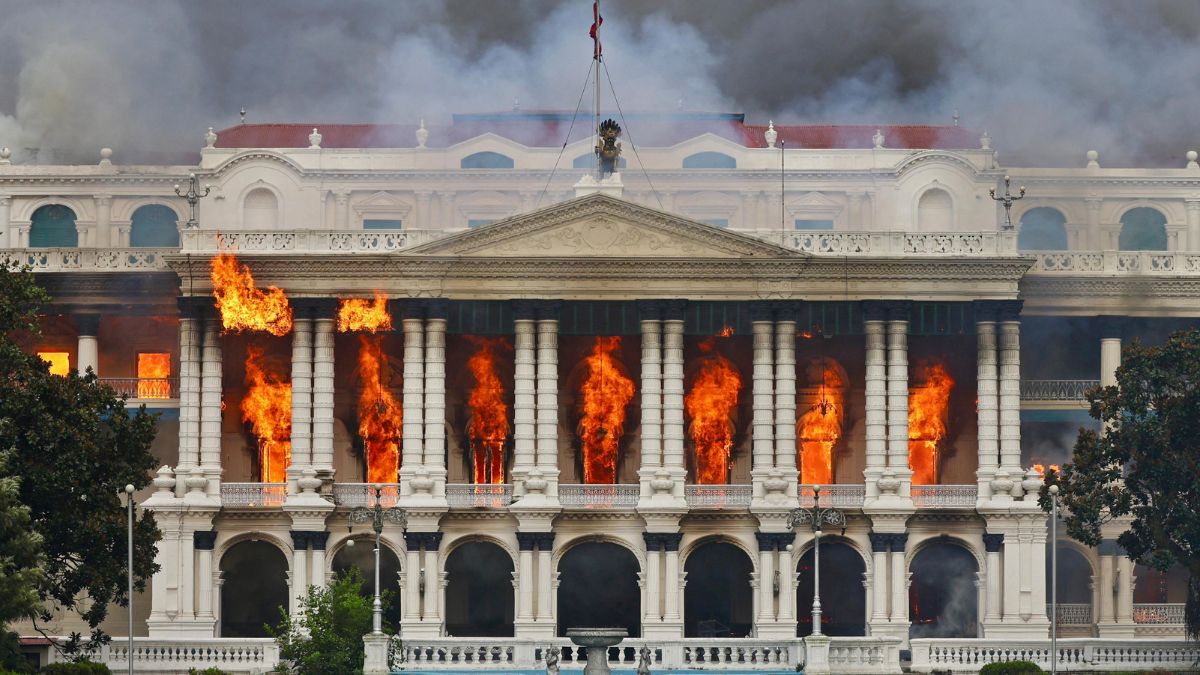 "Nepal: Oli to continue until new PM is sworn in, nation on edge as all branches of govt torched")
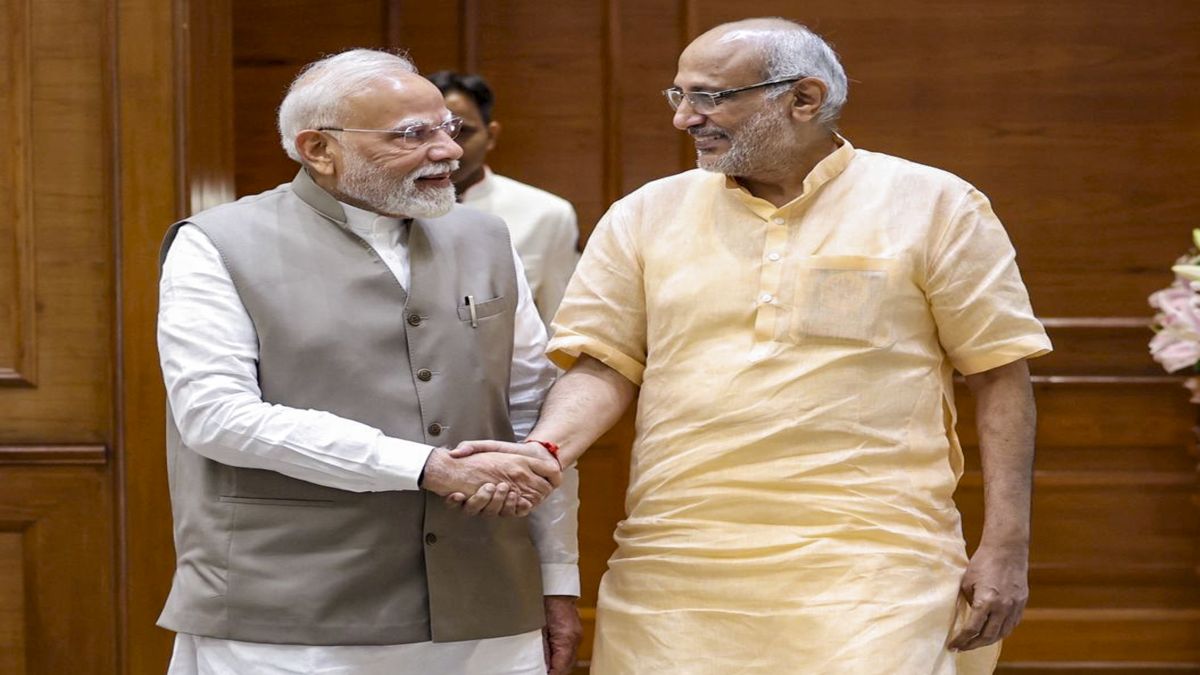 "Who is CP Radhakrishnan, India's next vice-president?")
 "Israel informed US ahead of strikes on Hamas leaders in Doha, says White House")



](https://images.firstpost.com/wp-content/uploads/2012/07/newspaper380_Reu.jpg)