

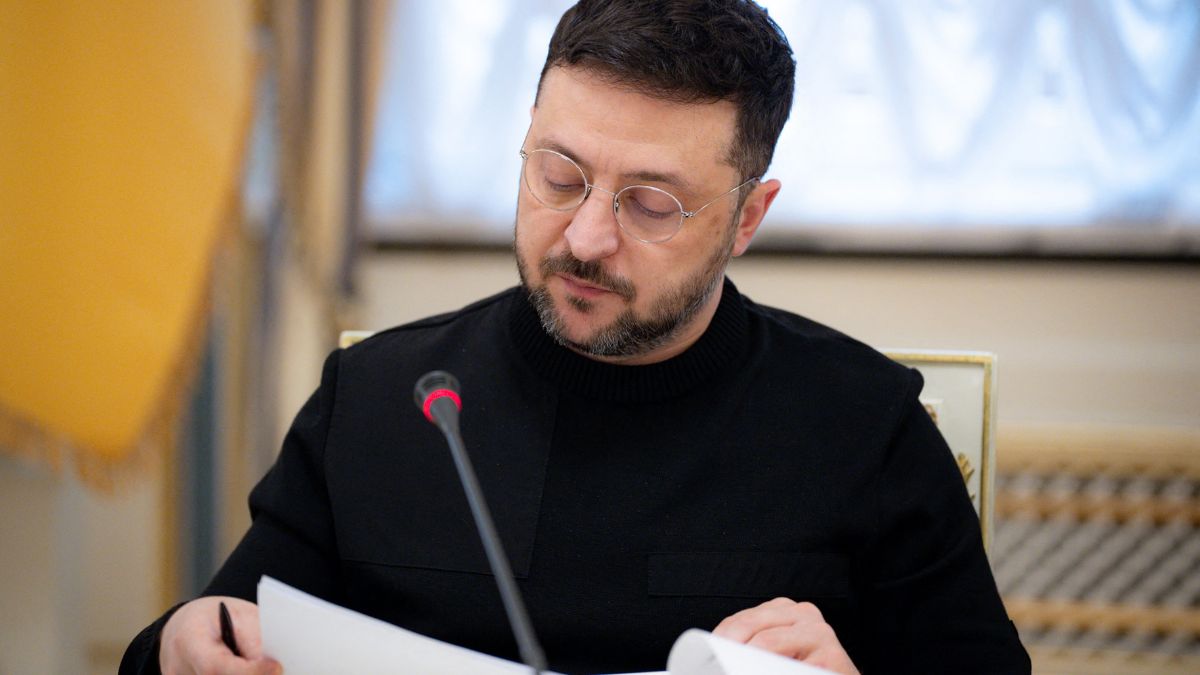
 "Zelenskyy takes a step back to push peace plan with Russia forward, offers a demilitarised Donetsk")
Ukrainian President Volodymyr Zelenskyy has made his clearest bid yet to break the diplomatic deadlock with Russia, indicating a willingness to accept painful compromises in order to move a stalled peace process forward.
By backing a demilitarised zone in parts of eastern Donetsk and embracing a revised 20-point framework jointly discussed with the United States, Kyiv appears to be recalibrating its maximalist war aims in favour of a negotiated pause, one that secures Ukraine’s survival, sovereignty and long-term security even if it falls short of full territorial restitution.
Zelenskyy’s remarks suggest a strategic retreat not from Ukraine’s core principles but from the rigid positions that have prevented talks from gaining traction. The question now is whether Moscow and Washington are prepared to meet Kyiv halfway.
A revised framework shaped by compromise
At the heart of the diplomatic push lies a reworked 20-point peace framework that Zelenskyy described as a “foundational political document” for ending the war. Compared with an earlier 28-point draft, which Ukraine criticised for mirroring Russia’s demands, the new proposal reflects weeks of negotiations aimed at narrowing gaps rather than entrenching them.
Crucially, the framework reaffirms Ukraine’s sovereignty and preserves its armed forces at their current strength of around 800,000 personnel, rejecting earlier calls for deep military reductions. It also envisages security guarantees that resemble NATO’s Article 5, backed by the United States, European countries and NATO allies even though Ukraine would remain outside the alliance.
Economic recovery is another pillar of the plan, with proposals to mobilise up to $800 billion for reconstruction, humanitarian relief and long-term development. Kyiv would gain a defined path to European Union membership, preferential market access and accelerated trade talks with the United States, elements designed to anchor Ukraine firmly within the Western economic and political order.
Quick Reads
View AllYet despite this progress, Zelenskyy acknowledged that two issues remain unresolved: territorial control and the future of the Russian-held Zaporizhzhia nuclear power plant. On both, Kyiv is urging direct leader-level talks with US President Donald Trump to break the impasse.
Demilitarised Donetsk: a tactical retreat
The most striking shift in Ukraine’s position concerns territory, long considered the war’s most intractable fault line. Russia is demanding that Ukraine withdraw entirely from the eastern Donetsk region, parts of which remain under Ukrainian control. Kyiv by contrast, wants fighting frozen along current battle lines.
As a potential bridge, Washington has floated the idea of demilitarised zones and free economic areas in contested parts of Donetsk. Zelenskyy’s openness to such an arrangement marks a notable tactical retreat, even as he insists that any settlement must be legally binding and protected by enforcement mechanisms.
By entertaining a demilitarised Donetsk, Ukraine appears to be prioritising an immediate halt to hostilities and long-term security guarantees over the near-term recovery of every square kilometre. The approach risks domestic backlash, but it also reflects battlefield realities: Russian forces have continued to make incremental gains, advancing several square kilometres a day in 2025, while Ukraine faces mounting strain on manpower and resources.
Russia, Trump and the uncertain next step
On the Russian side, the response has been deliberately opaque. The Kremlin has confirmed that President Vladimir Putin has been briefed on the US-backed proposals following contacts between Trump’s envoys and Russian officials, but has declined to spell out Moscow’s position. Putin’s publicly stated conditions—territorial concessions, Ukrainian neutrality and limits on Kyiv’s military remain far removed from Ukraine’s red lines.
The role of Donald Trump looms large over the negotiations. Keen to cement a peacemaker legacy, Trump is pushing for a deal but has yet to extract decisive concessions from either side. European allies fear that Washington could prioritise a quick settlement over Ukraine’s long-term stability, leaving Europe to shoulder the economic and security burden of a fragile peace.
Zelenskyy’s call for direct talks with Trump reflects both urgency and realism. By signalling flexibility on territory while holding firm on sovereignty and security, Kyiv is attempting to seize the diplomatic initiative rather than be cornered into accepting a settlement dictated by stronger powers.
Whether this recalibrated approach leads to a ceasefire or merely another round of inconclusive talks remains uncertain. But by offering a demilitarised Donetsk, Zelenskyy has made one thing clear: Ukraine is prepared to step back tactically if it helps move the peace process forward so long as the price is not its future as a secure, sovereign state.
With inputs from agencies

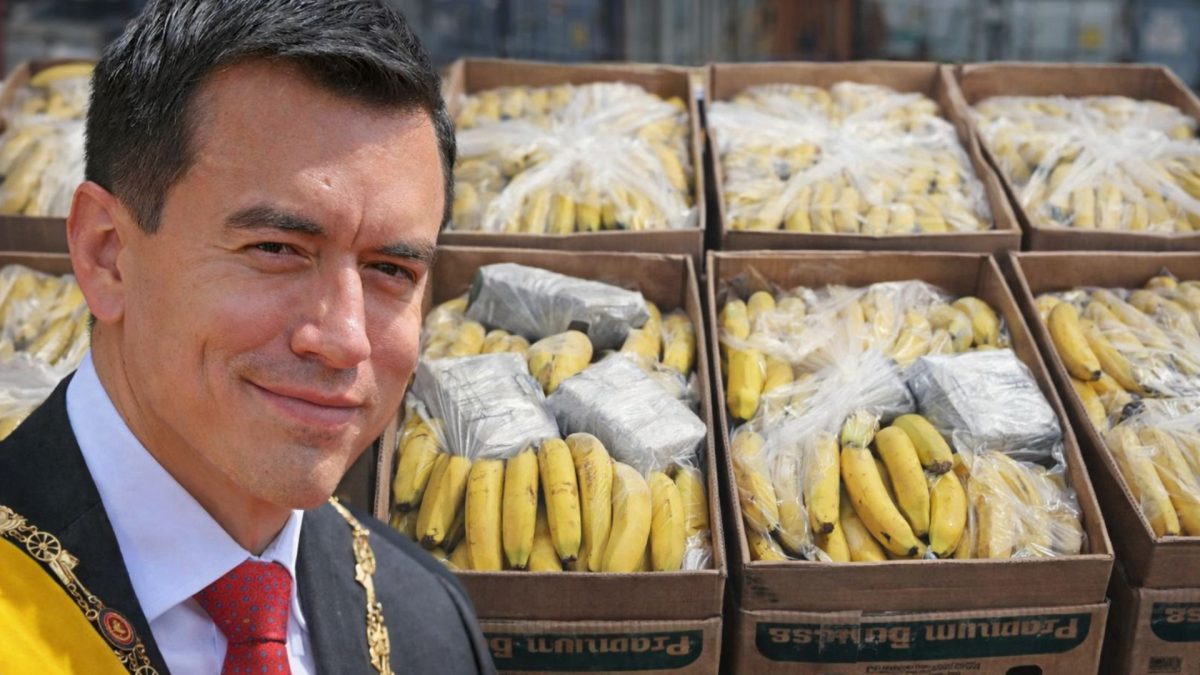 "Bananas, cocaine and power: A scandal shadows Ecuador’s president")
 "Trump revamps H-1B visa lottery system. Will it hurt Indians?")
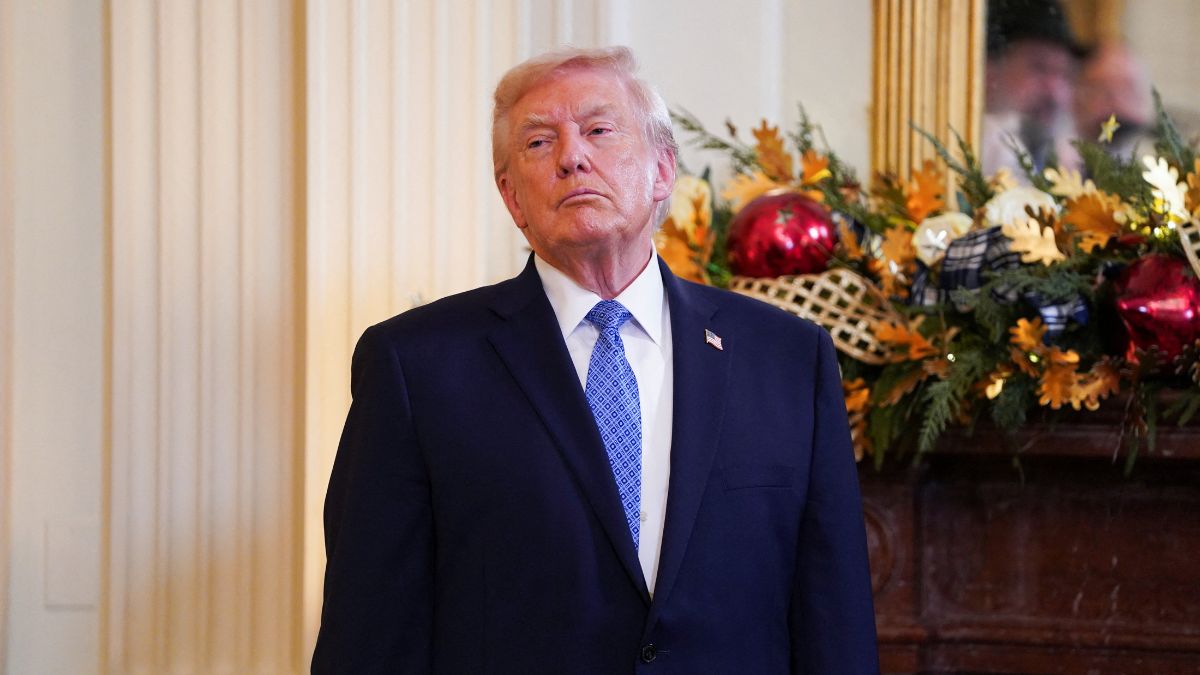 "Trump rewires US asylum system with quiet legal end-runs")
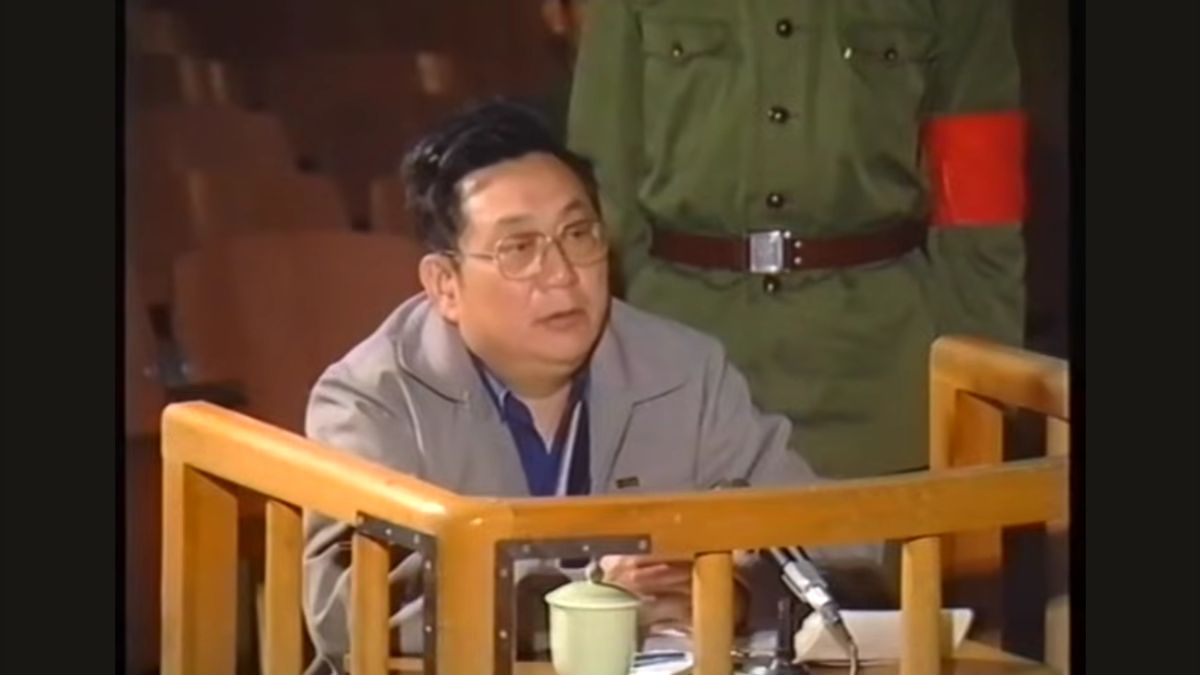 "Watch | Trial video of Chinese general who refused to kill youths at Tiananmen Square surfaces")
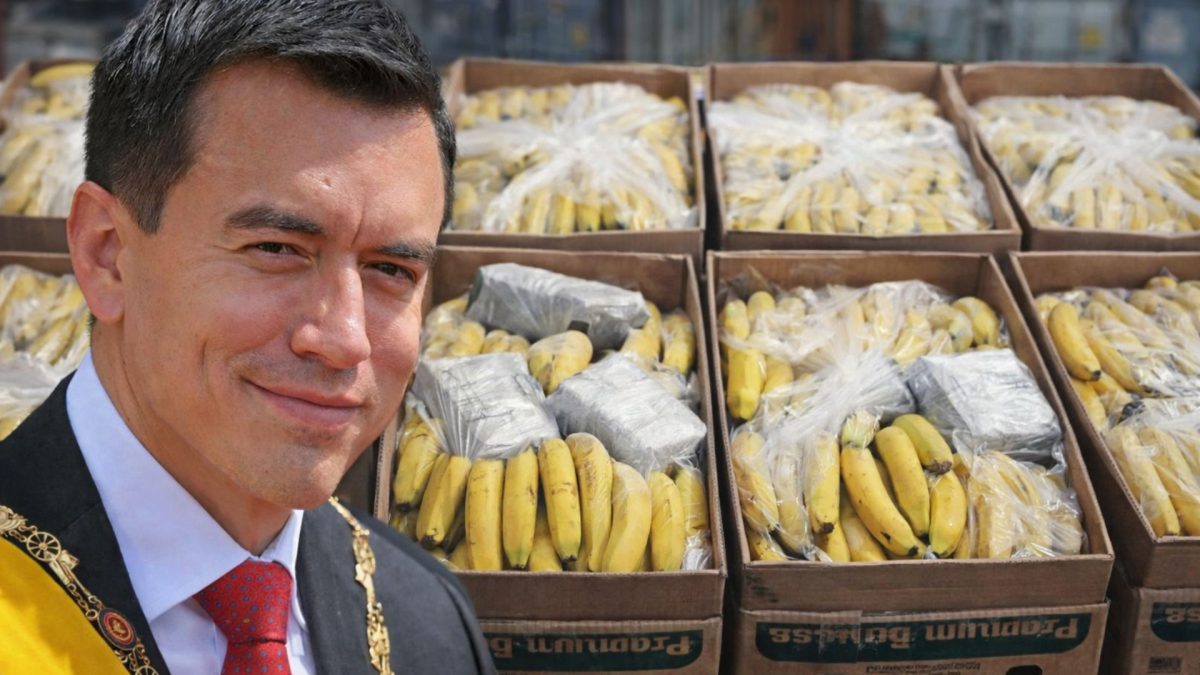 "Bananas, cocaine and power: A scandal shadows Ecuador’s president")
 "Trump revamps H-1B visa lottery system. Will it hurt Indians?")
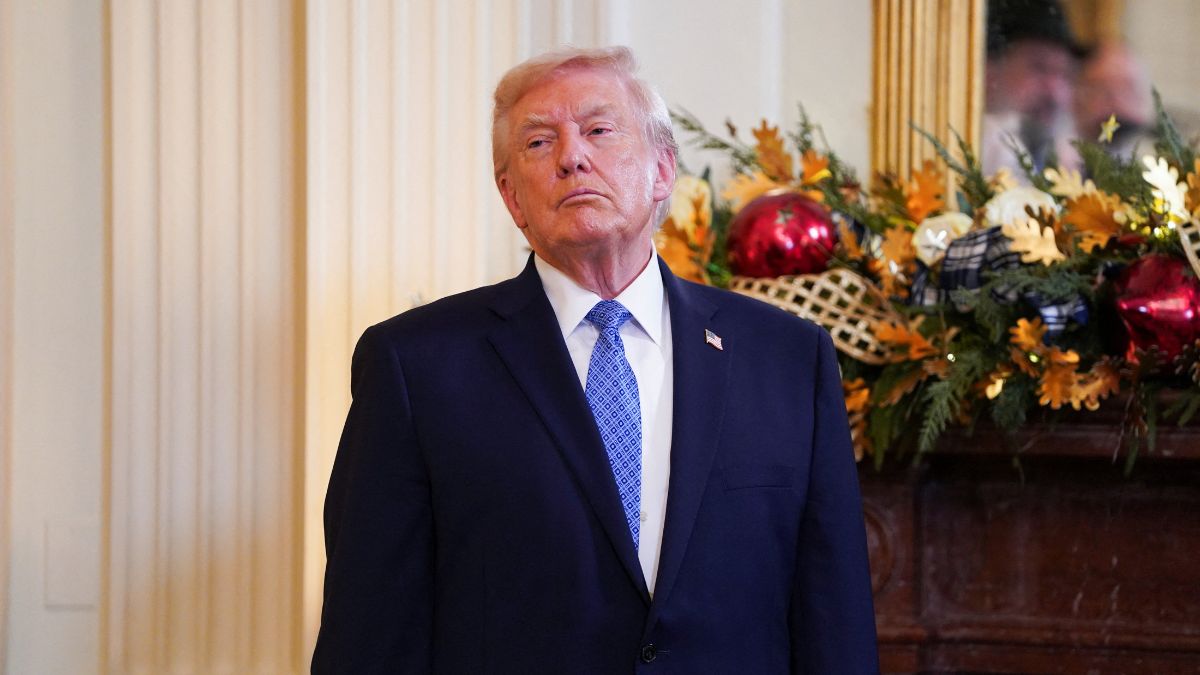 "Trump rewires US asylum system with quiet legal end-runs")
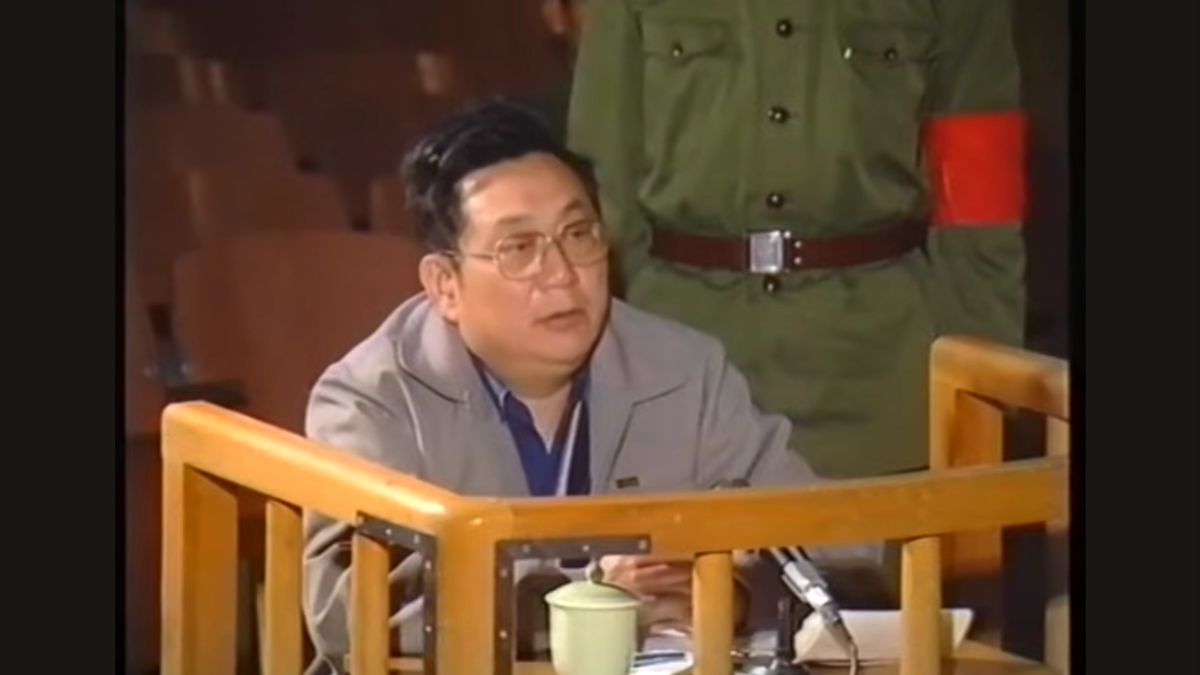 "Watch | Trial video of Chinese general who refused to kill youths at Tiananmen Square surfaces")



