 "The Census Bureau also reported that October retail sales remained flat, the weakest reading in five months.")
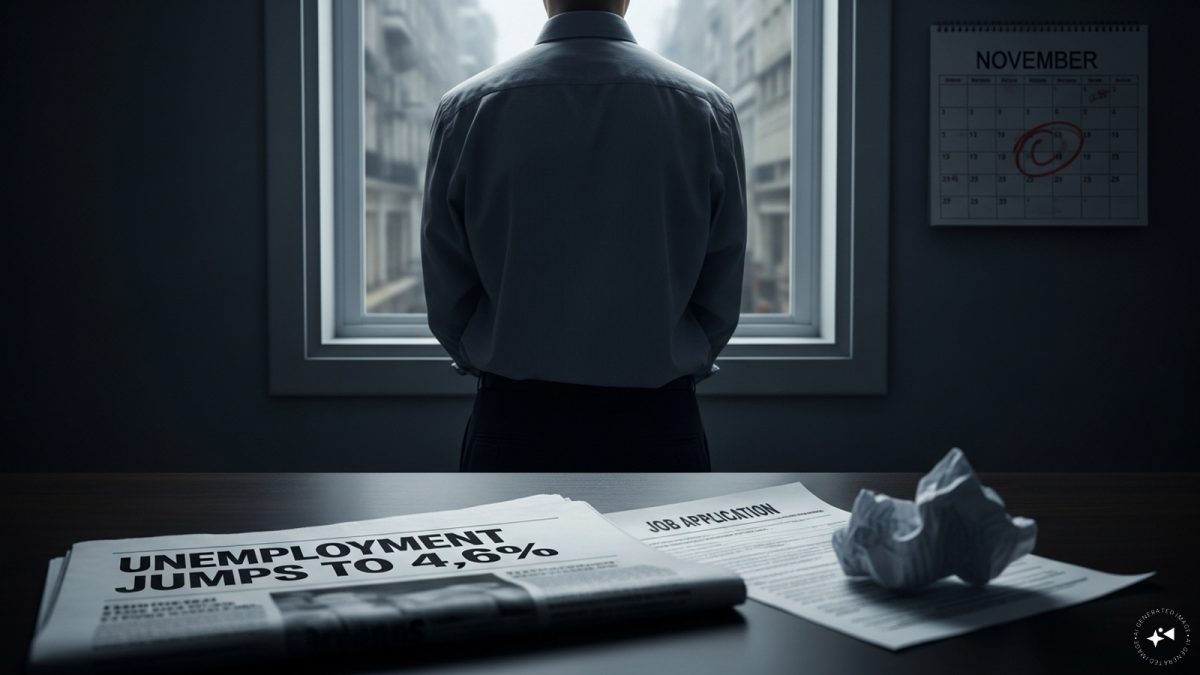
Worries are mounting for President Donald Trump at home after a delayed US jobs report showed unemployment climbing to a four-year high, underlining fresh strain in the labour market. The Bureau of Labor Statistics said the jobless rate rose to 4.6 per cent in November, as the economy struggled to regain momentum following months of disruption linked to the federal shutdown.
According to figures released on Tuesday, the US economy lost 105,000 jobs in October and added 64,000 jobs in November. The unemployment rate increased from 4.4 per cent in September to 4.6 per cent last month. Almost all economic reports from the Bureau of Labor Statistics and the Census Bureau were delayed due to the historically long federal shutdown, which hampered data collection. As a result, the October report marked the first time in nearly eight decades that a monthly snapshot did not include the unemployment rate.
The Census Bureau also reported that October retail sales remained flat, the weakest reading in five months. Employers added 64,000 jobs in November, exceeding many economists’ expectations, following a sharp October decline driven by the loss of 162,000 federal government roles tied to the Trump administration’s push earlier this year to cut government jobs. The Labor Department also said job gains in September and August were lower than initially estimated. The delayed release was the first full snapshot of the labour market since the US government shutdown.
Fed debate deepens as outlook remains unclear
While the data pointed to growing weakness in the labour market, economists cautioned that it was unlikely to settle internal disagreements at the Federal Reserve over the future path of interest rates. The US central bank is balancing a weakening job market against rising prices. It cut interest rates by a quarter percentage point last week, its third cut this year, to support the slowing labour market. Projections released last week showed Fed officials largely expect one rate cut in 2026, though further signs of labour market weakness could strengthen the case for additional cuts next year.
Analysts said the delayed report was unusually difficult to interpret. “For a data-dependent Fed, this morning’s data will only increase the internal debate,” said Chris Zaccarelli, chief investment officer at Northlight Asset Management. “It remains to be seen how attentive they are to the labour market versus the fact that inflation has remained stubbornly above their 2 per cent target.”
Fed Chair Jerome Powell is “likely to view today’s jobs data with a fair degree of scepticism”, said Seema Shah, chief global strategist at Principal Asset Management, adding that data distortions and tighter immigration policies mean the payroll figures “should not be taken at face value”. Still, Shah said the unexpectedly sharp rise in unemployment last month will “trigger some creeping concern within the Fed”.
Quick Reads
View AllKevin Hassett, director of the White House’s National Economic Council, said the figures followed an expected pattern. “I think that from the private sector point of view it’s just about what we’ve been getting all year. It’s solid upward trajectory,” he told CNBC.