

 "Winter storm sweeps Gaza: 800,000 people at flood risk amid doubts over peace plan phase-2")
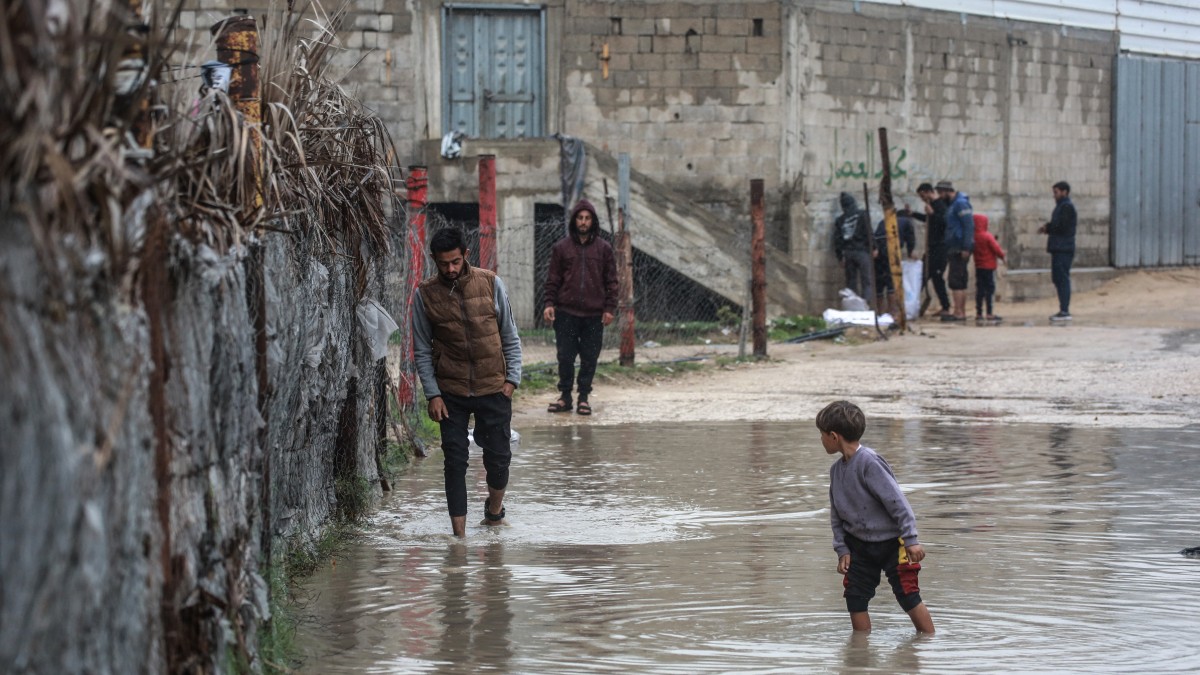
More than 800,000 Gazans face the threat of flooding, according to the UN, as a severe winter storm batters the Strip. Heavy rain has already inundated camps and caused several buildings to collapse.
Two months into an American-imposed ceasefire, Gaza remains stuck in the first phase of President Donald Trump’s peace plan, with its territory divided between the two sides, its people displaced, and rubble everywhere.
Plans for new housing and a new governing structure are in limbo in the next phase of Trump’s plan, as the search continues for Israel’s last remaining hostage, Ran Gvili.
Prime Minister Benjamin Netanyahu has insisted that Hamas must return all Israeli hostages, “living and dead”, before negotiations move to the more difficult next stage.
‘Life of humiliation’
In Gaza City, water seeps constantly through gaps in the tent where Ghadir al-Adham lives with her husband and six children. Still displaced after the war and waiting for reconstruction to begin, her family is struggling to cope.
“Here we are, living a life of humiliation,” she told the BBC. “We want caravans. We want our homes rebuilt. We long for concrete to keep us warm. Every day I sit and cry for my children.”
What’s stopping Israel and Hamas from entering the next phase?
Both Israel and Hamas face major concessions in the next stage. Hamas would have to surrender weapons and authority; Israel would have to hand security responsibilities over to an international stabilisation force.
This, retired General Israel Ziv said, explains the hesitation on both sides.
“Israel and Hamas are sharing the same interests not to move so fast into the second stage,” he told the BBC. “Hamas doesn’t want to lose control, and the Israeli side, for political reasons, also prefers to stay in Gaza, as nobody wants to explain to their base that they have to withdraw.”
Quick Reads
View All“By waiting, I think we might miss the opportunity because Hamas is reorganising and [its] strength is coming back,” he warned. “We have to take a deep breath and go forward with that plan, because staying in the situation as it is, it’s the worst-case scenario.”
A key challenge will be disarming Hamas in a manner both sides accept. Without that, no foreign nation is likely to contribute troops or begin reconstruction in Hamas-run areas.

 "Is Trump mulling a new ‘Core 5’ power bloc that includes India?")
 "US cracks down on ‘birth tourism’. Why Indians will be hit")
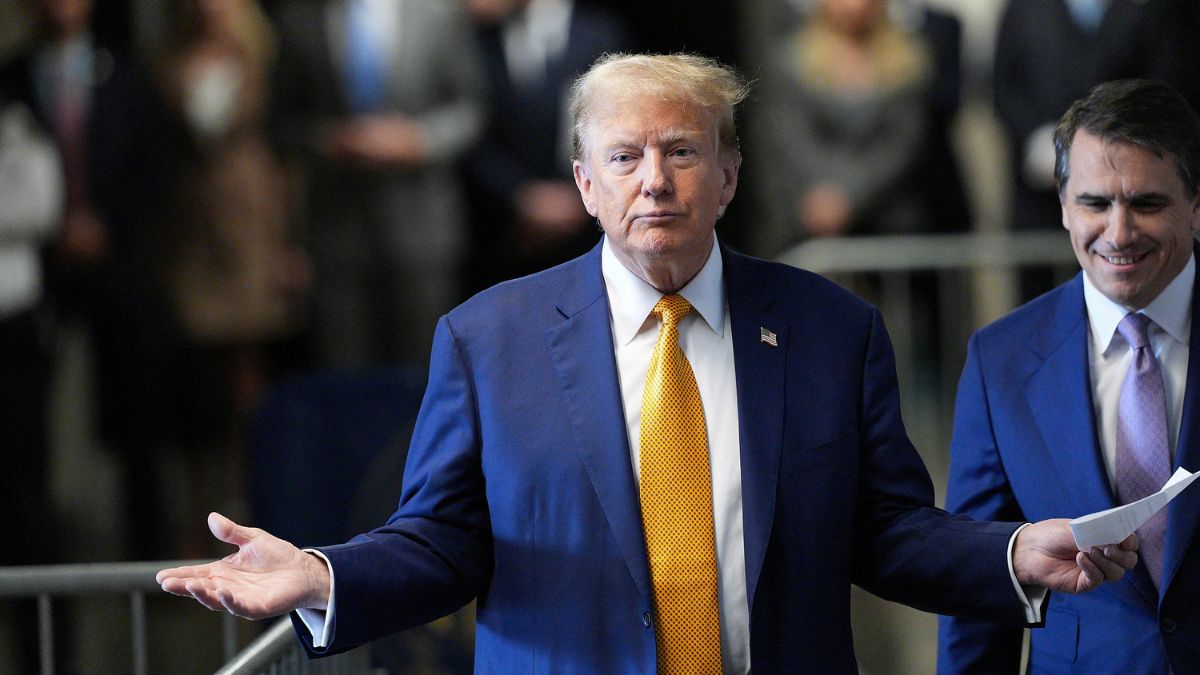 "As Trump gets his way, millions of Americans won’t be able to afford healthcare in 2026")
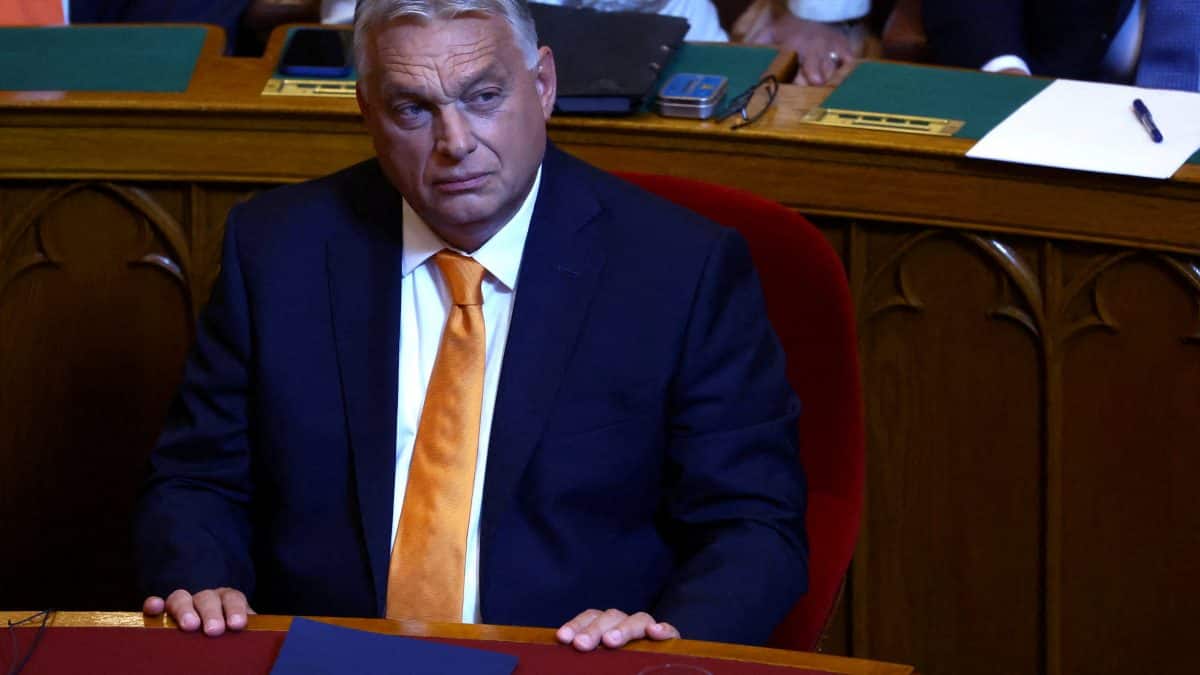
 "Is Viktor Orban, Trump fan and Putin's friend, eyeing new role in Hungary — for life?")
 "Is Trump mulling a new ‘Core 5’ power bloc that includes India?")
 "US cracks down on ‘birth tourism’. Why Indians will be hit")
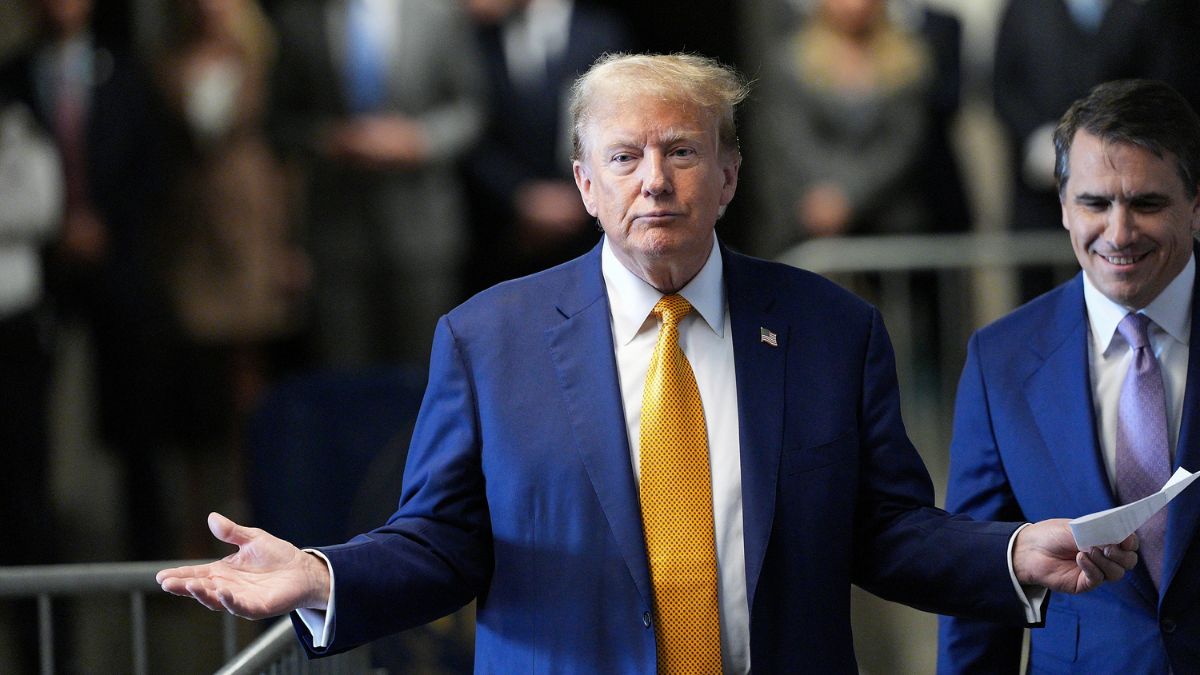 "As Trump gets his way, millions of Americans won’t be able to afford healthcare in 2026")
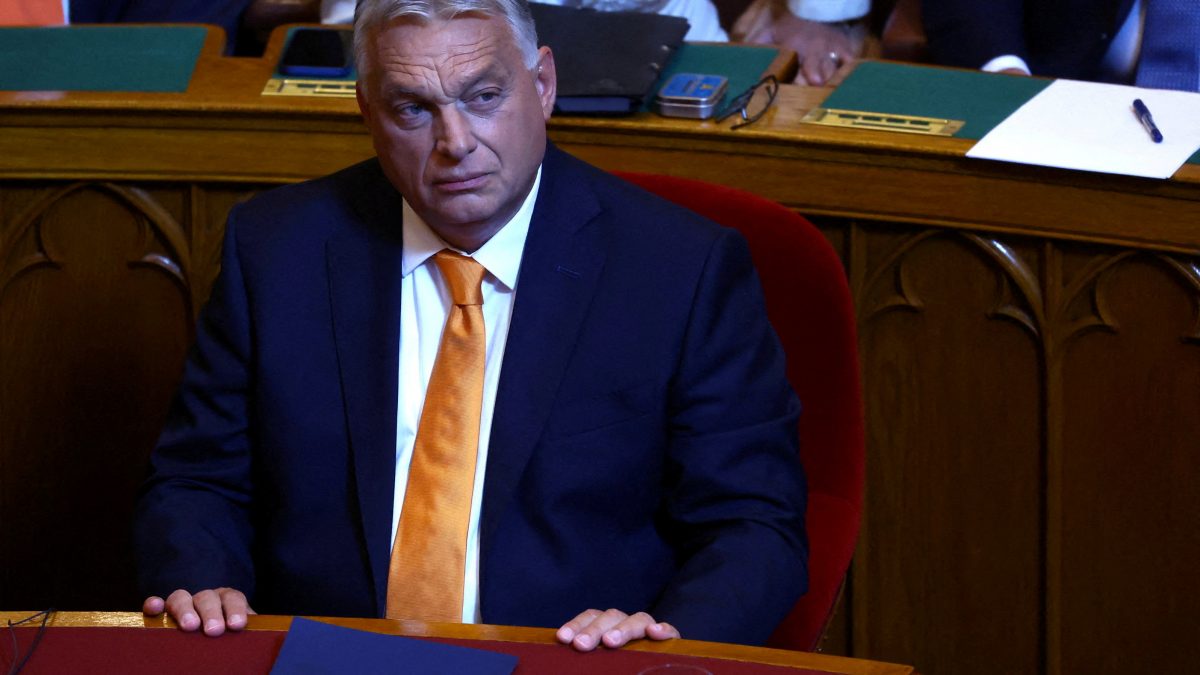 "Is Viktor Orban, Trump fan and Putin's friend, eyeing new role in Hungary — for life?")



