

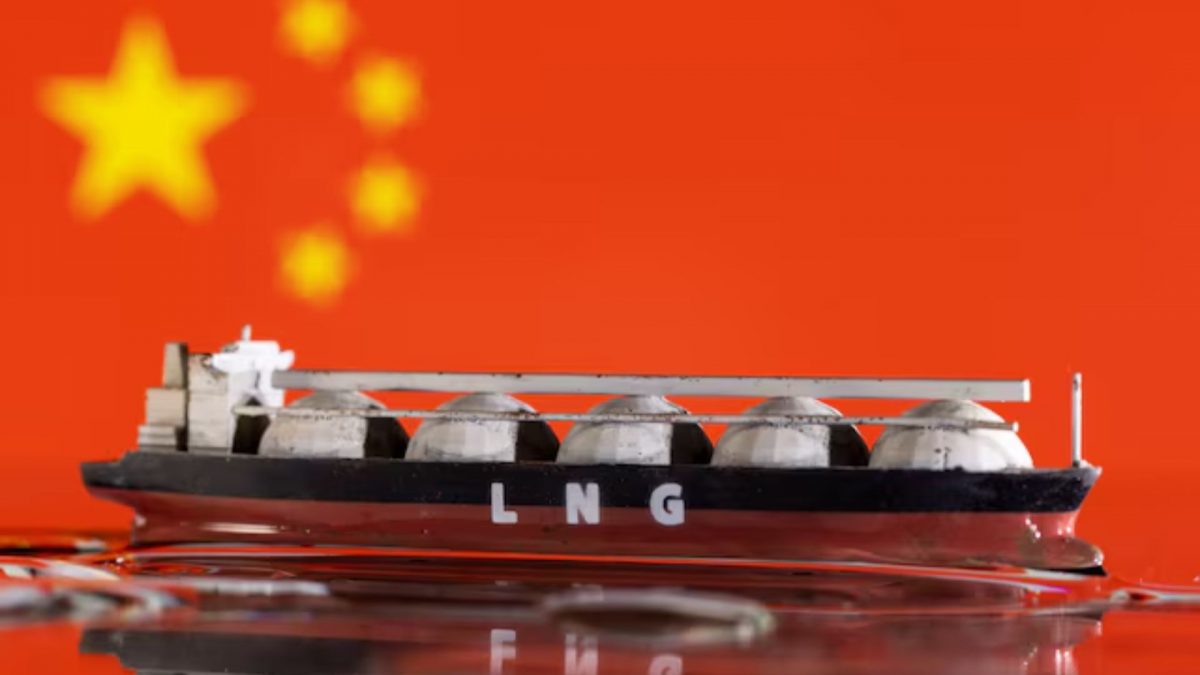
 "Will ‘drill baby, drill’ politics go global in 2026? China’s LPG import figure has a hidden hint")
As 2026 approaches, a familiar political slogan from the US—“drill baby, drill”—may no longer be confined to one country.
Shifts in global energy demand, especially a quiet but telling change in China’s LPG import numbers, suggest the world could be heading into a phase where energy security once again trumps climate-first rhetoric.
At the heart of this shift is a growing realisation: the global economy doesn’t just run on oil and gas anymore, it runs on electricity, and lots of it.
The global scramble for power
Electricity, once taken for granted, is quickly becoming the most contested resource in the energy world.
Data centres powering AI, electric vehicles, chip factories and advanced manufacturing are soaking up power at record rates. Governments are discovering that while renewable capacity has grown, grids, storage and reliable baseload power haven’t kept pace.
This has sparked a renewed push to secure anything that guarantees electrons—whether that’s gas, coal, nuclear, or domestic drilling. The race is less ideological and more practical: without stable power, economic growth stalls.
China’s LPG numbers tell a bigger story
China’s latest LPG import figures may look like a niche data point, but they reveal something larger. Imports have softened, not because China no longer needs energy, but because it’s rebalancing how it sources it. Domestic production has risen, industrial demand has cooled, and Beijing is increasingly cautious about over-reliance on volatile global markets.
This mirrors what’s happening with LNG too. China, once the world’s most aggressive buyer, has cut back sharply, sending ripples through global gas markets. For exporters who built massive new capacity assuming endless Chinese demand, the message is sobering.
Quick Reads
View AllNone of this means the energy transition is dead. Renewables are still expanding rapidly. But what’s changing is the tone. Policymakers are becoming more pragmatic, acknowledging that fossil fuels remain critical backstops in an electrified world.
That’s where “drill baby, drill” politics quietly re-enters the global conversation, not as a rejection of clean energy, but as insurance against blackouts, price spikes and strategic vulnerability.
As elections, economic pressure and power shortages collide, more countries may double down on domestic energy production—even those that once promised rapid fossil-fuel exits.

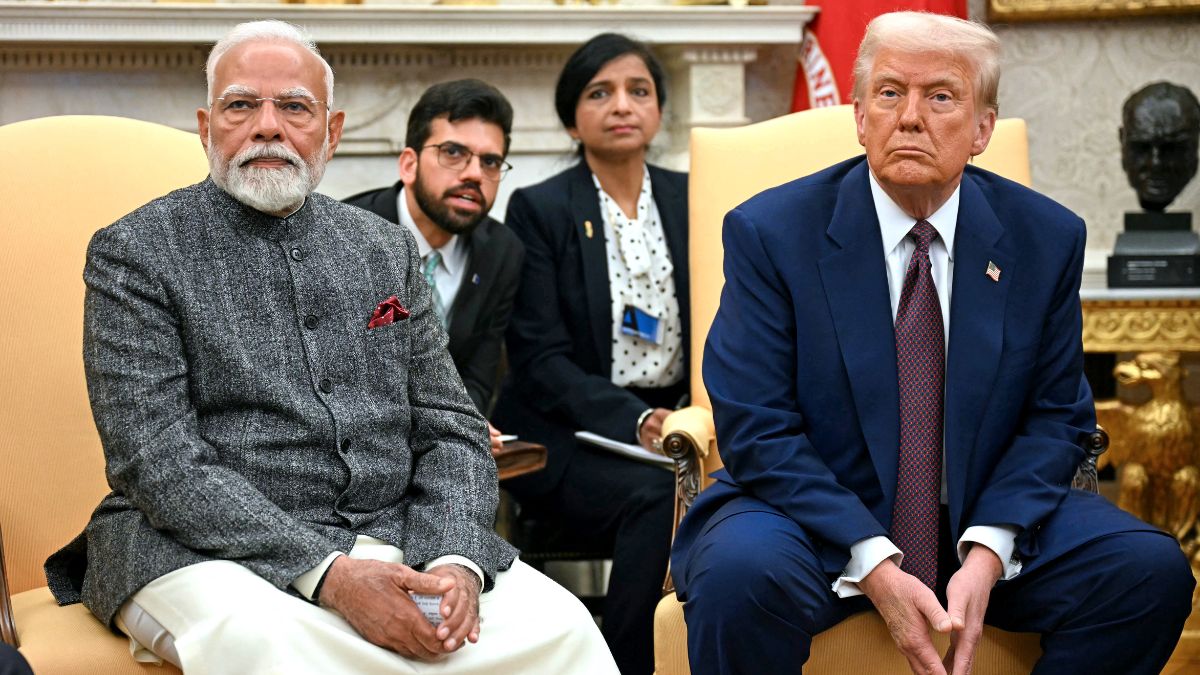
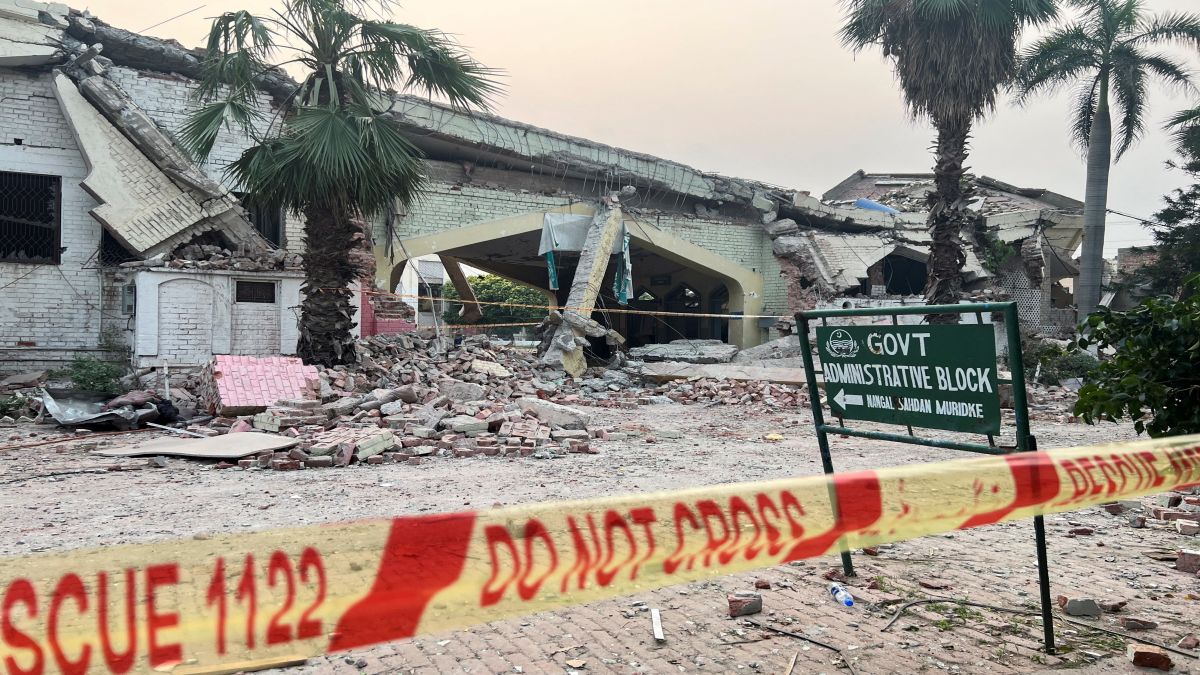 "Will 2026 see another India-Pakistan conflict?")
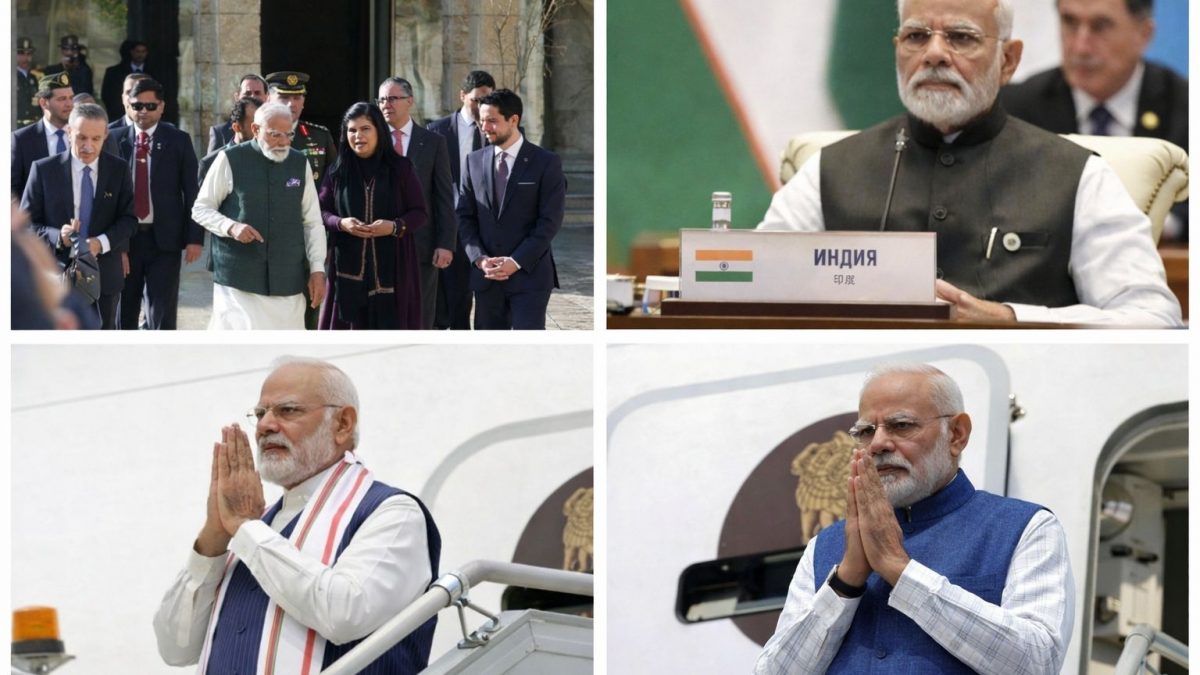 "Op Sindoor, tariffs and mineral hunt drive PM Modi’s busiest travel year since 2015")
 "Magnus Carlsen underlines his chess prowess after World Blitz Championship win, sends message to critics: ‘Ruling me out...'")
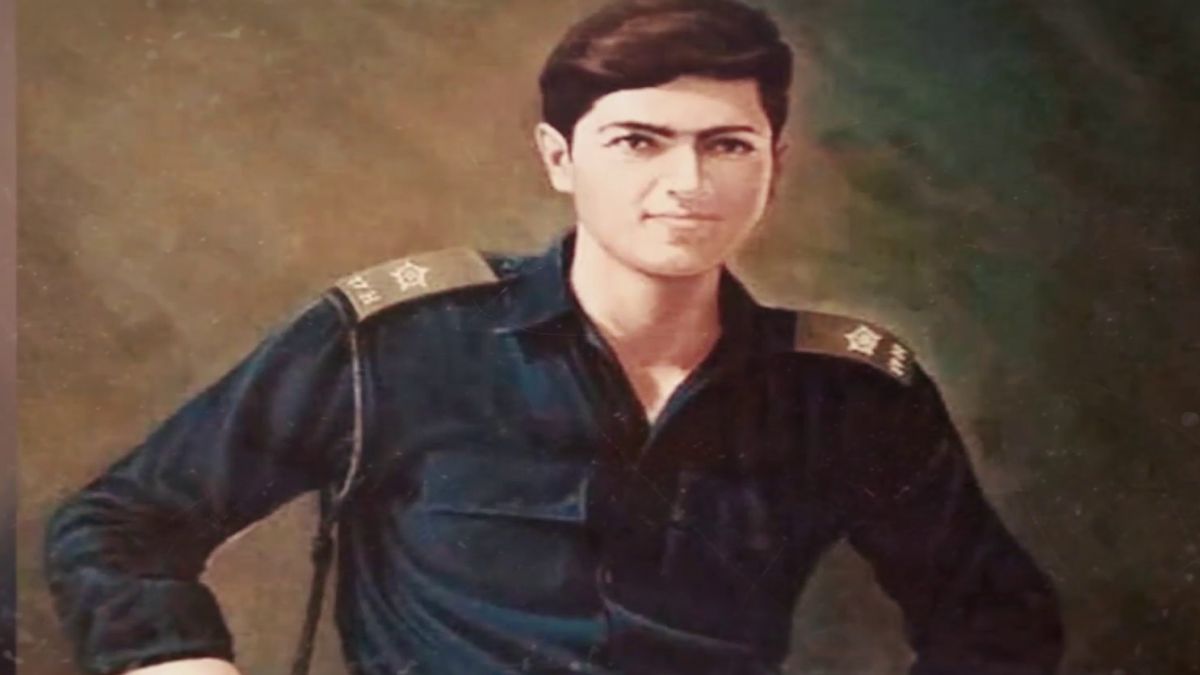 "Meet Arun Khetarpal, the hero of the 1971 Battle of Basantar and inspiration for movie ‘Ikkis’")
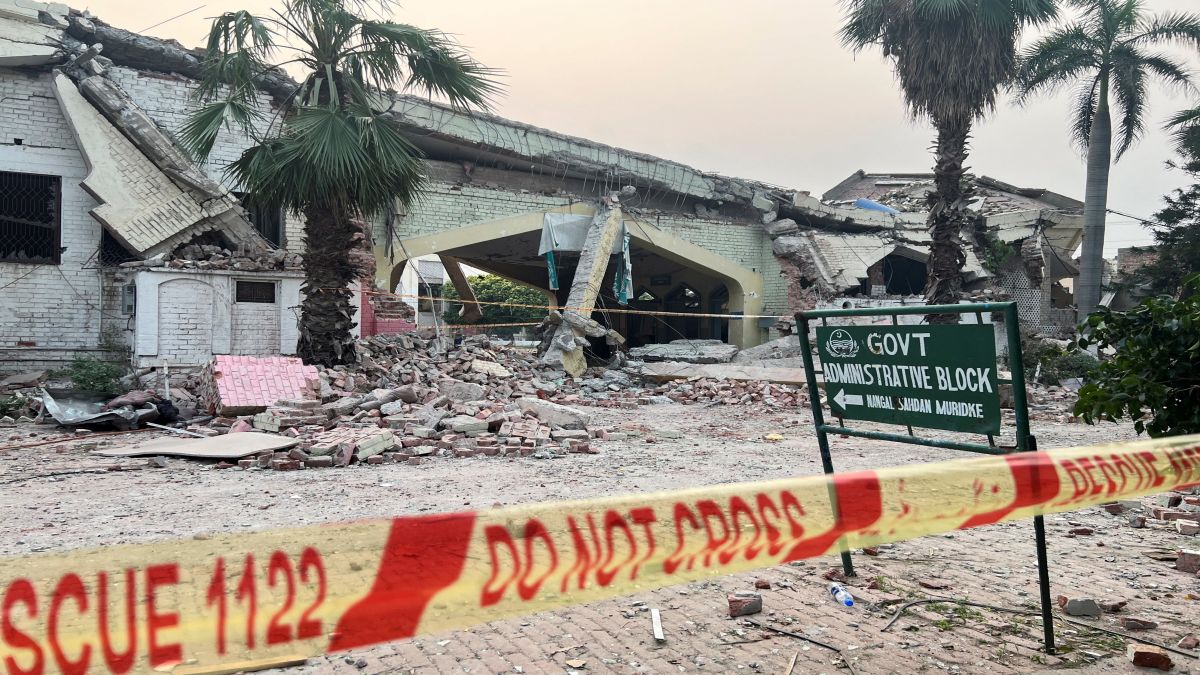 "Will 2026 see another India-Pakistan conflict?")
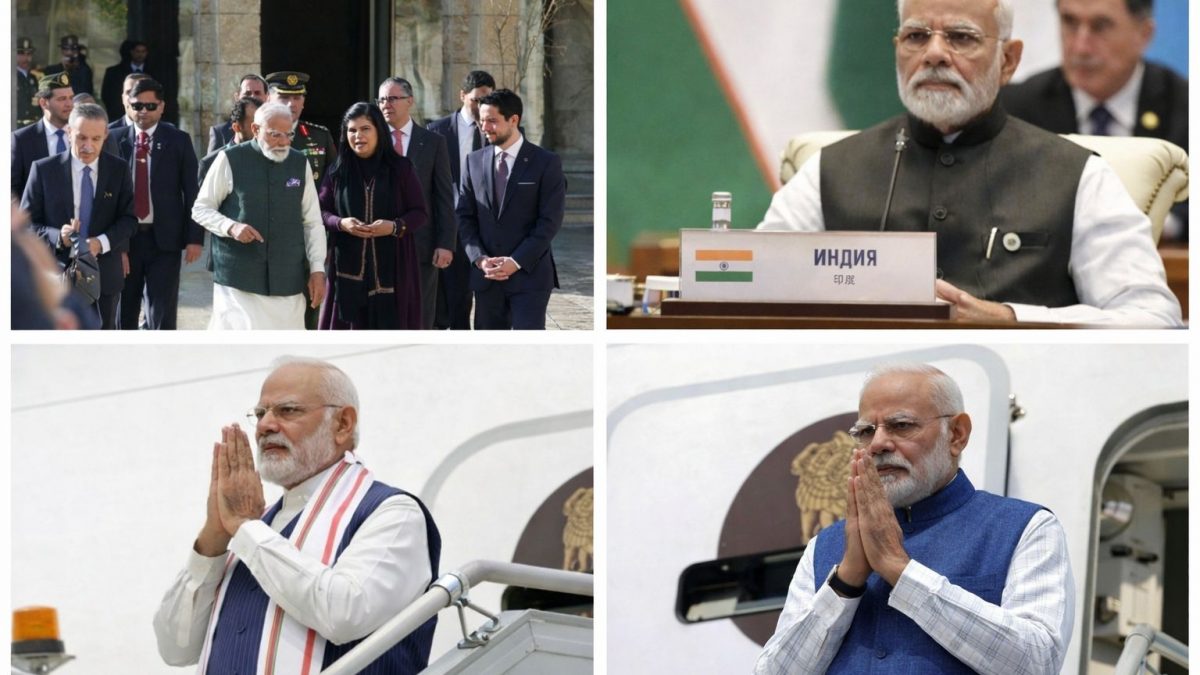 "Op Sindoor, tariffs and mineral hunt drive PM Modi’s busiest travel year since 2015")
 "Magnus Carlsen underlines his chess prowess after World Blitz Championship win, sends message to critics: ‘Ruling me out...'")
 "Meet Arun Khetarpal, the hero of the 1971 Battle of Basantar and inspiration for movie ‘Ikkis’")



