

 "White House defends second strike on Venezuelan boat as legality questioned")
The White House on Monday defended a US admiral’s decision to carry out multiple strikes in September on an alleged Venezuelan drug-smuggling vessel, saying the action was authorised by Defence Secretary Pete Hegseth. The response came after critics questioned the legality of a reported second strike targeting survivors of the initial attack.
According to The Washington Post, the second strike was ordered to kill two survivors and to comply with an alleged instruction from Hegseth that no one should remain alive.
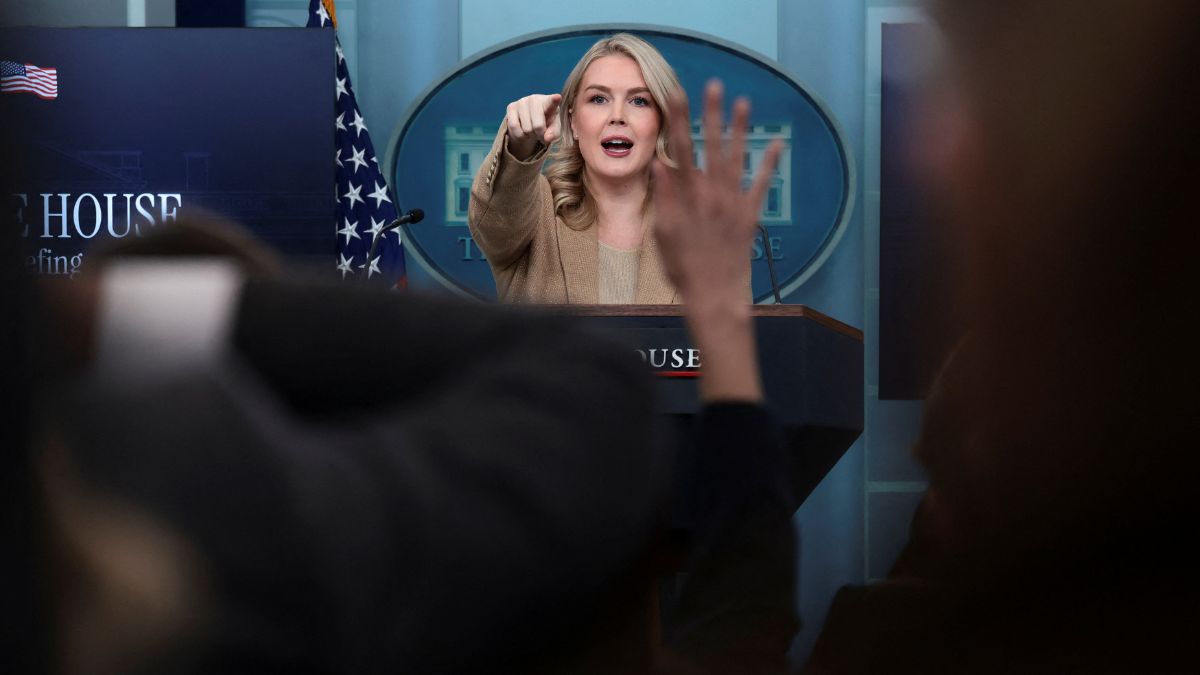
President Donald Trump said on Sunday that he would not have supported a second strike and stated that Hegseth denied issuing such an order. However, White House spokeswoman Karoline Leavitt said on Monday that Hegseth had authorised Admiral Frank Bradley to conduct the 2 September operation.
Leavitt said, “Secretary Hegseth authorised Admiral Bradley to conduct these kinetic strikes. Admiral Bradley worked well within his authority and the law, directing the engagement to ensure the boat was destroyed and the threat to the United States of America was eliminated.”
She added that the strike was carried out in “self defence”, occurred in international waters and complied with the law of armed conflict. She also noted that the administration has designated these “narco terrorists” as foreign terrorist organisations.
Beginning in September, the US military has conducted at least 19 strikes against suspected drug-smuggling vessels in the Caribbean and off the Pacific coasts of Latin America, resulting in at least 80 deaths.
Quick Reads
View AllLawmakers and experts raise concerns over legality of second strike
Critics have questioned the legality of these operations, and both Republican and Democratic lawmakers have pledged to investigate. International humanitarian law prohibits attacks on incapacitated combatants, and the Defence Department’s Law of War Manual states that shipwrecked individuals cannot be knowingly attacked and must receive medical care unless they show hostility or attempt escape.
George Washington University law professor Laura Dickinson said most legal experts do not consider the boat strikes to fall under armed conflict, meaning lethal force would only be permissible as a last resort. “It would be murder outside of armed conflict,” she said. She added that even in wartime, killing survivors “would likely be a war crime.”
A group of former military lawyers known as the JAGs Working Group described the alleged order as “patently illegal”, saying service members have a duty to disobey it and that anyone who complies should face prosecution for war crimes.
On X, Hegseth defended Bradley, calling him “an American hero” and expressing his “100% support”, adding that he stands by Bradley’s combat decisions “on the September 2 mission and all others since.”
A senior US official said Trump on Monday discussed the pressure campaign against Venezuela with top advisers.
US weighs next steps in Venezuela strategy
Trump has raised the possibility of US military intervention in Venezuela. On Saturday, he said the airspace above and around the country should be regarded as “closed in its entirety”, though he did not elaborate, causing anxiety and confusion in Caracas. On Sunday, he confirmed that he had spoken to Venezuelan President Nicolas Maduro, whom the US considers an illegitimate leader, but did not disclose details of the conversation.
The administration has been evaluating options to address what it says is Maduro’s role in supplying illegal drugs that have killed Americans. Maduro has denied any links to the illegal drug trade. Reuters has reported that US options under consideration include an attempt to remove Maduro and that the US military is preparing for a new phase of operations after a major buildup in the Caribbean and nearly three months of strikes on suspected drug vessels off Venezuela’s coast. Trump has also authorised covert CIA operations in the country.


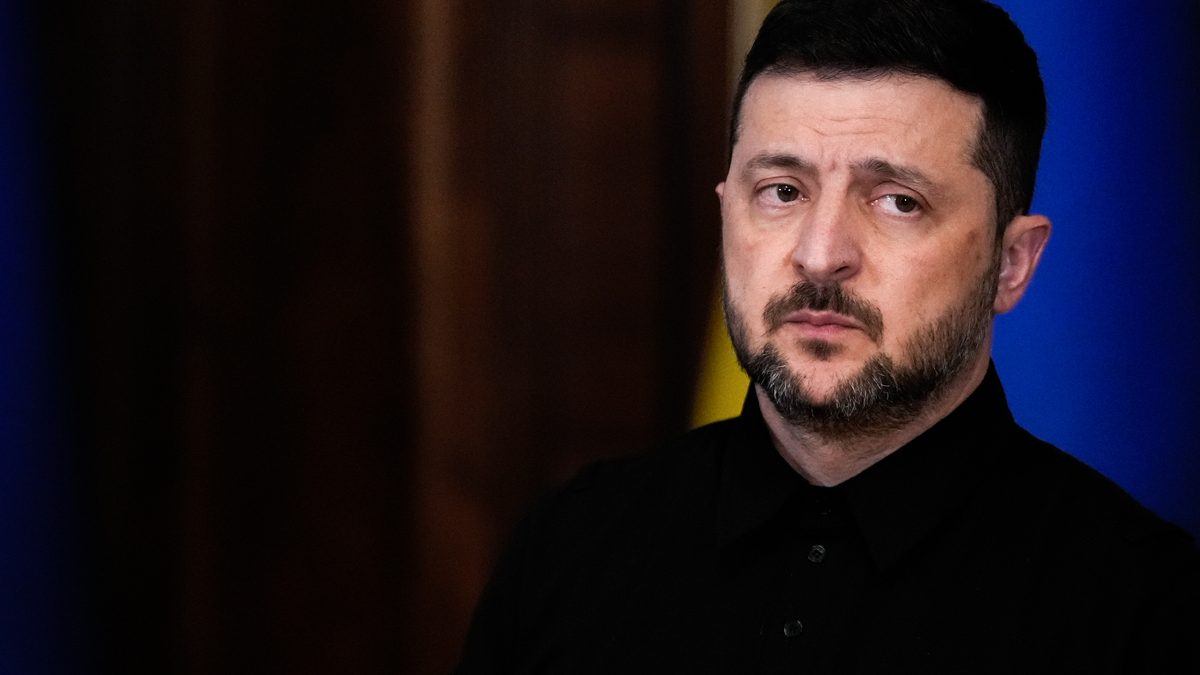 "Zelenskyy says Ukraine territory is 'most difficult' issue in US peace deal ahead of his meeting with Witkoff")
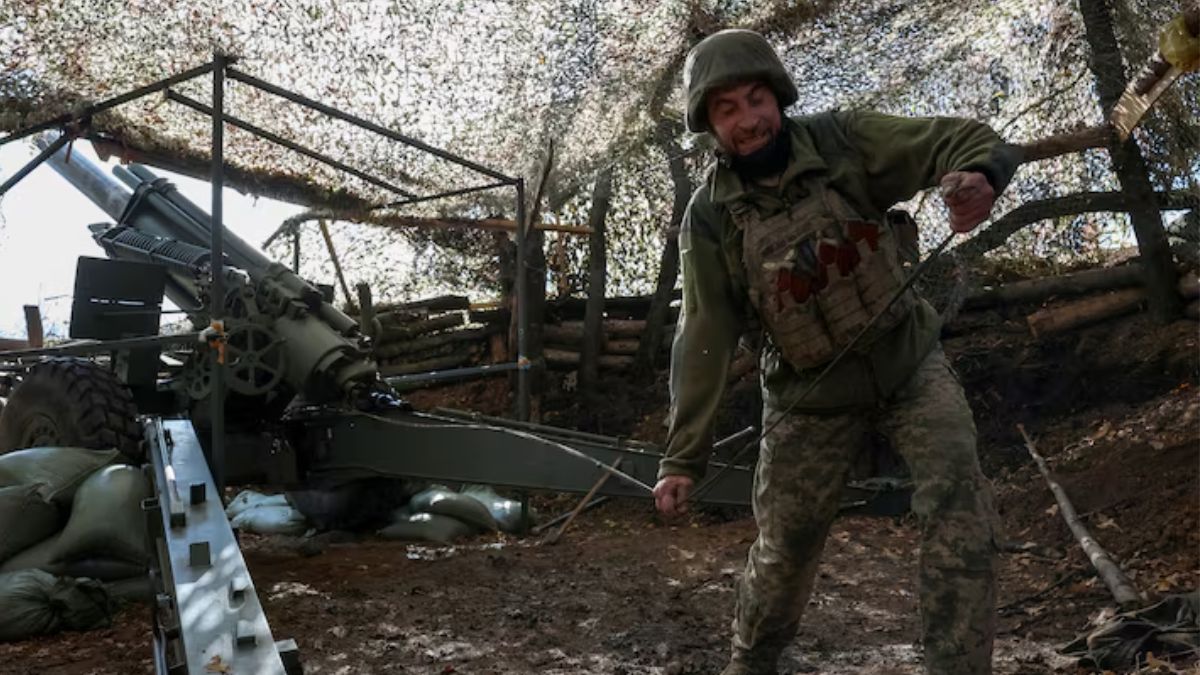 "Russia claims capture of key Ukrainian city of Pokrovsk; Kyiv dismisses Moscow's 'loud statements'")
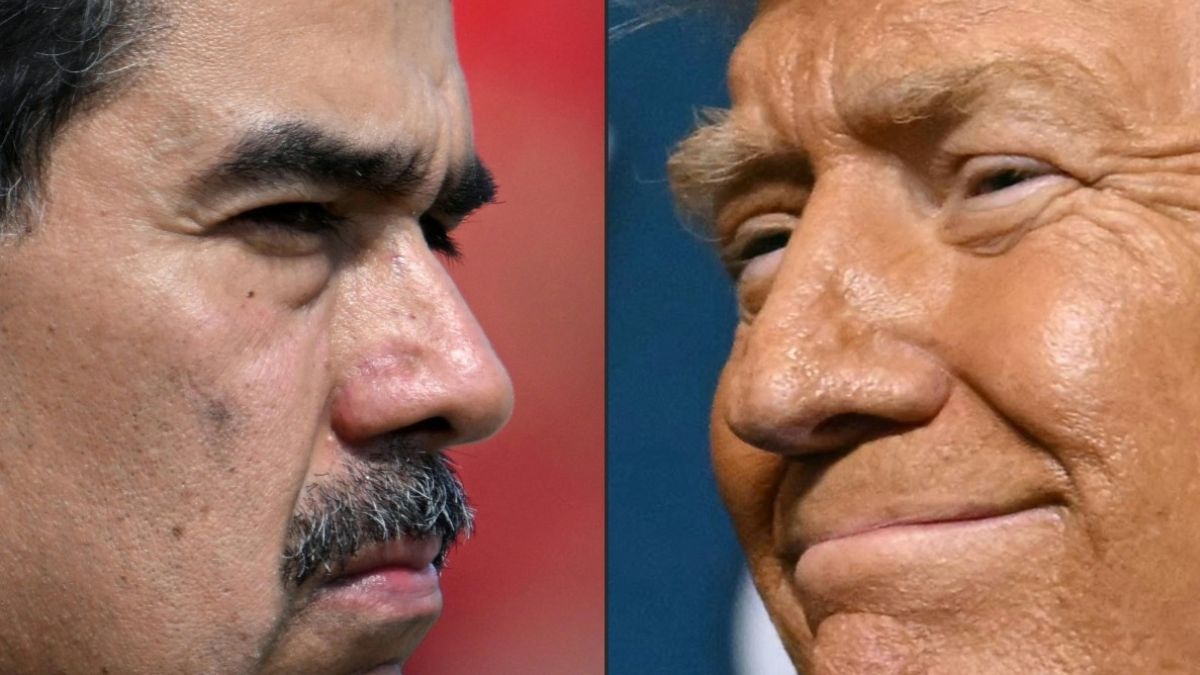 "Trump holds special meetings on Venezuela as his govt faces scrutiny over military action")
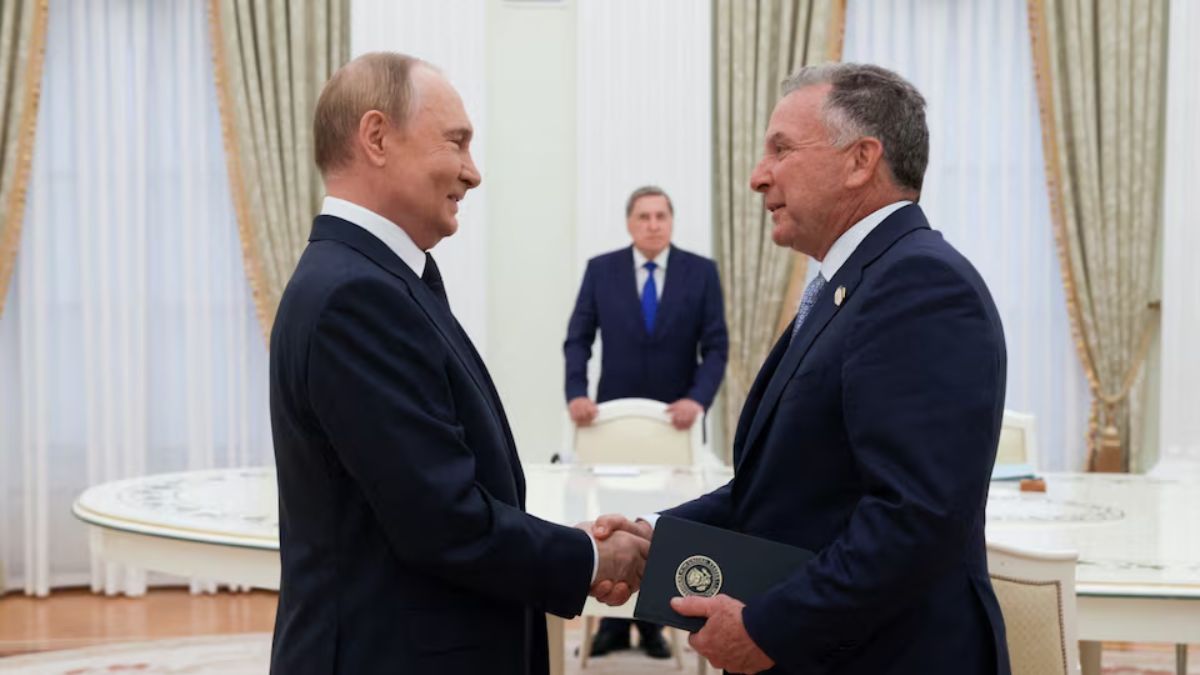 "FirstUp: Putin to meet US envoy Steve Witkoff and the other big headlines of the day")
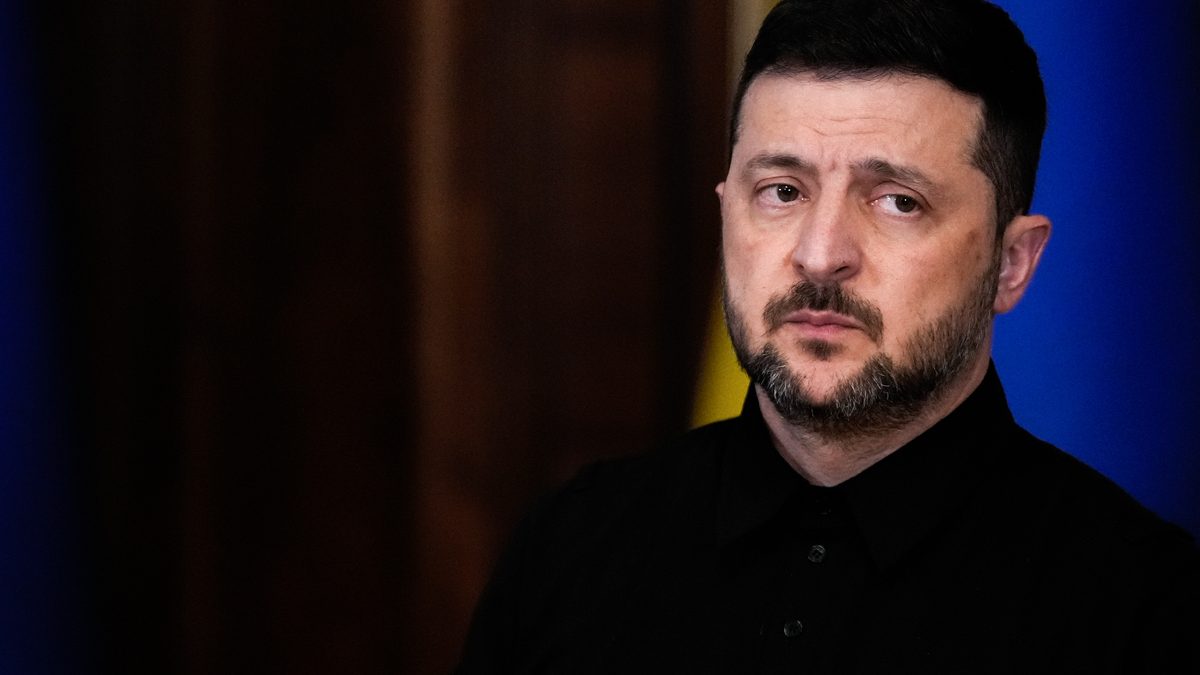 "Zelenskyy says Ukraine territory is 'most difficult' issue in US peace deal ahead of his meeting with Witkoff")
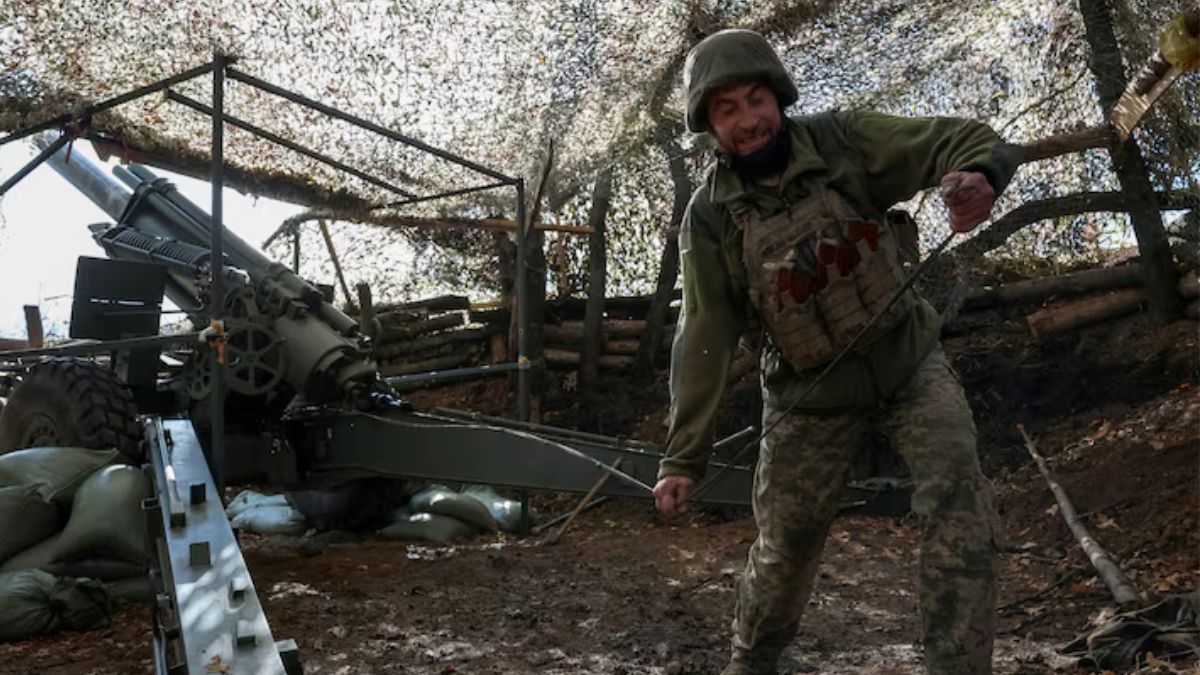 "Russia claims capture of key Ukrainian city of Pokrovsk; Kyiv dismisses Moscow's 'loud statements'")
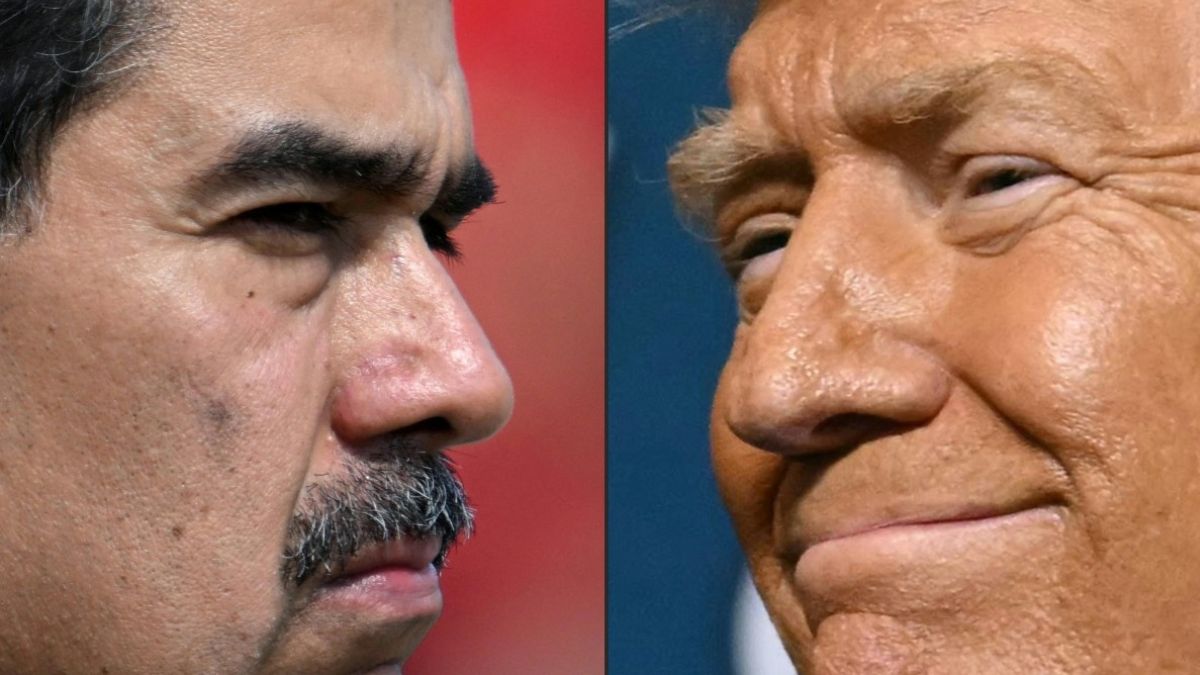 "Trump holds special meetings on Venezuela as his govt faces scrutiny over military action")
 "FirstUp: Putin to meet US envoy Steve Witkoff and the other big headlines of the day")



