

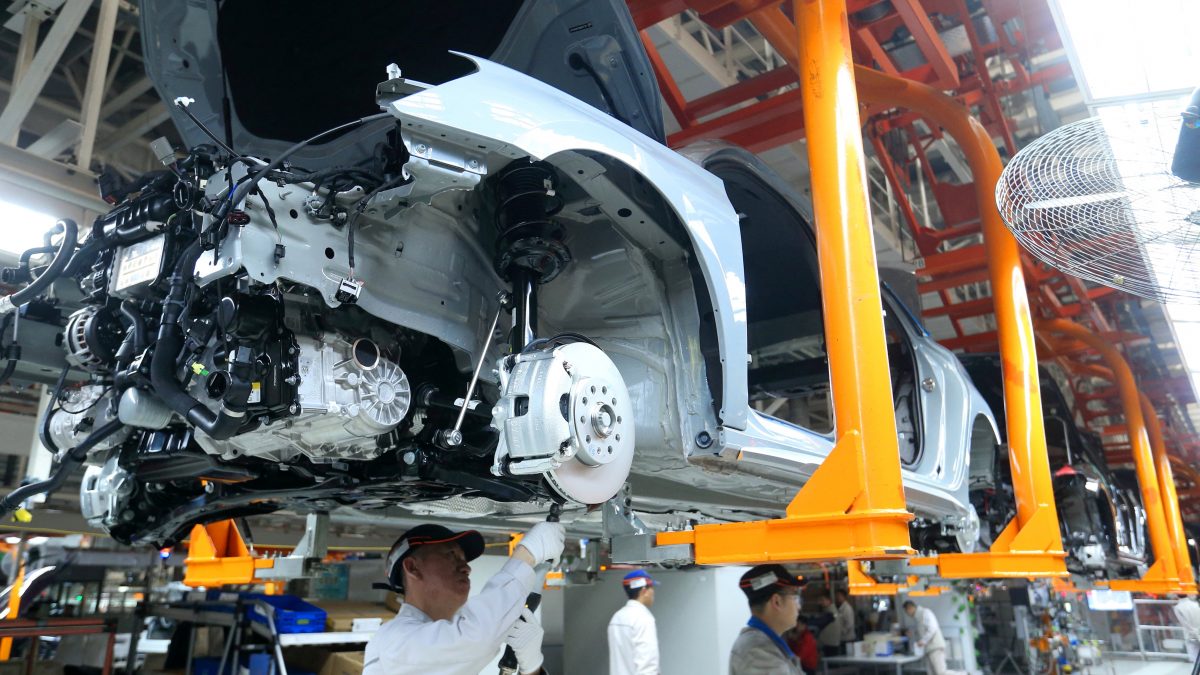
 "In a first, Volkswagen shutters plant in Germany: Last vehicle rolls out of Dresden factory")
Volkswagen (VW) will stop vehicle production at its Dresden plant this week, marking the first time in the company’s 88-year history that it is closing a production facility in Germany, as reported by the Financial Times (FT). The announcement has sent ripples through the automotive world.
The Dresden factory, opened in 2002 as a showcase site for high-end models and later electrified vehicles like the ID.3, will officially halt production on Tuesday. Over its lifetime, the location produced fewer than 200,000 vehicles, far below the output of larger VW factories like the flagship Wolfsburg plant.
Why production is ending
VW’s decision didn’t come out of the blue. It stems from mounting financial and market pressures that the company has struggled with in recent years, as reported by auto industry publisher, Automotive World. Sales have been weaker than expected in some of Volkswagen’s most crucial markets, especially in China, where competition from domestic brands has intensified.
At the same time, demand in Europe has softened, and US tariffs have weighed on export sales, making it harder for the company to sustain all of its German production lines.
Industry analysts say these market challenges have put serious pressure on VW’s cash flow, forcing the company to find ways to reduce costs and improve profitability.
“There’s certainly pressure on the cash flow in 2026,” Bernstein analyst Stephen Reitman told FT, noting that Volkswagen is looking for ways to trim spending while protecting its core operations.
Quick Reads
View AllThe closure is part of a broader restructuring strategy agreed with unions that also includes cutting up to 35,000 jobs in Germany by 2030 and reducing production capacity. VW brand chief Thomas Schäfer said the decision to close the Dresden site was not taken “lightly,” but it was necessary “from an economic perspective,” as quoted by FT.
Although production is ending, the site isn’t being abandoned entirely. Volkswagen plans to lease the facility to the Technical University of Dresden, which will develop a research campus focused on artificial intelligence, robotics and microchips.

 "Bondi Beach shooting: How an elderly couple tried to stop a gunman, dashcam footage reveals")
 "Bondi beach shooting suspect father migrated from Hyderabad to Australia 27 years ago: Telangana govt")
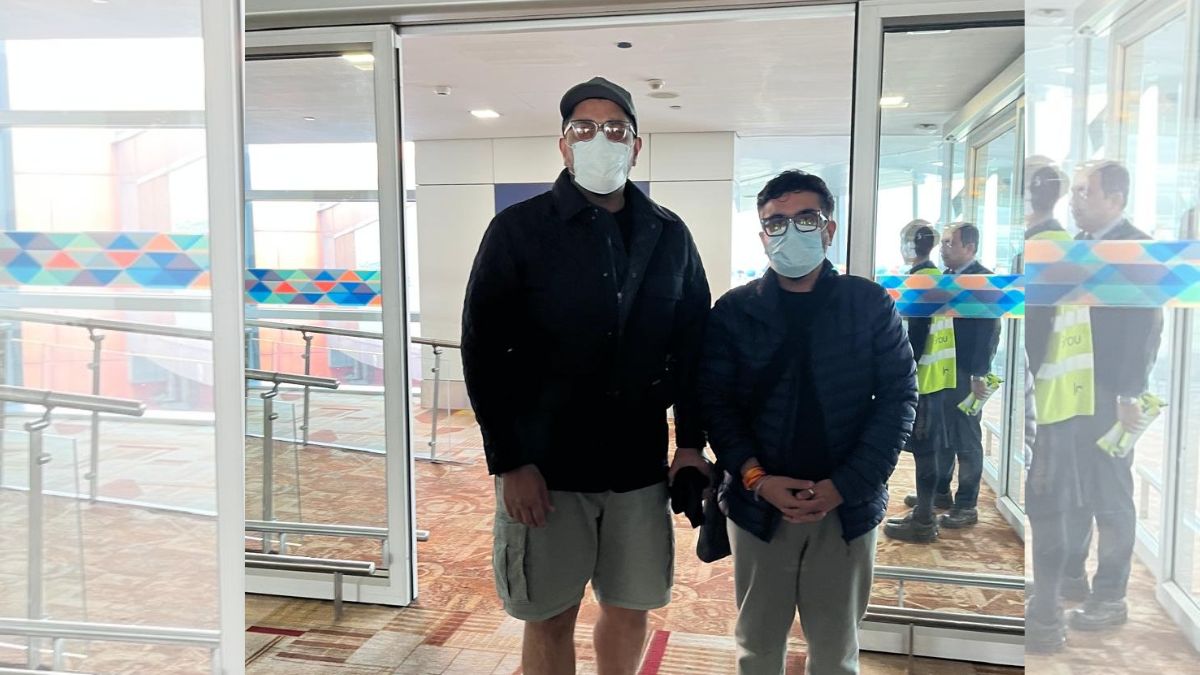 "Delhi court allows Goa Police to take Luthra brothers on transit remand for 48 hours")
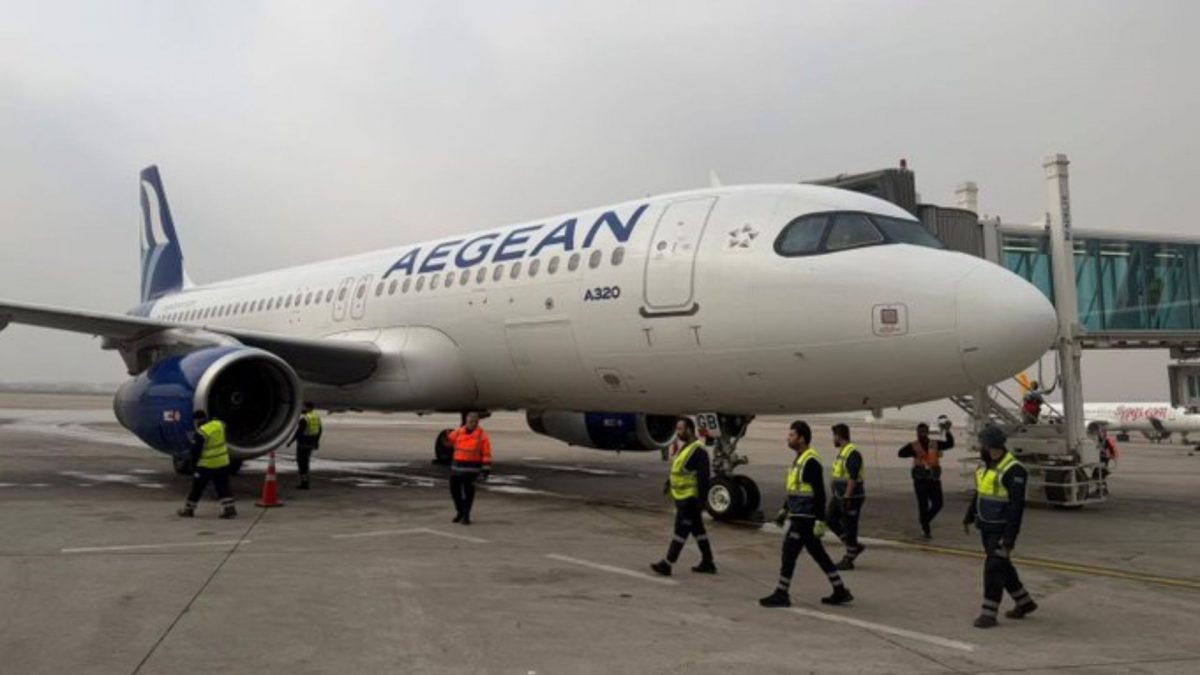 "Europe flies back to Baghdad after 35 years")
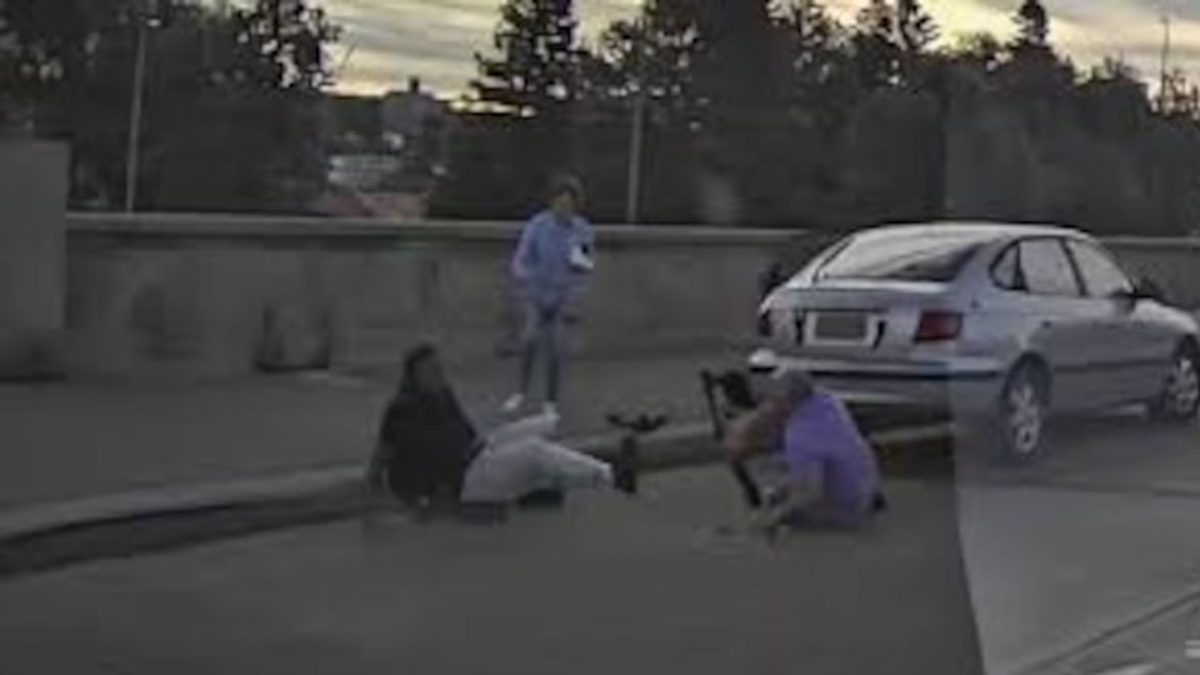 "Bondi Beach shooting: How an elderly couple tried to stop a gunman, dashcam footage reveals")
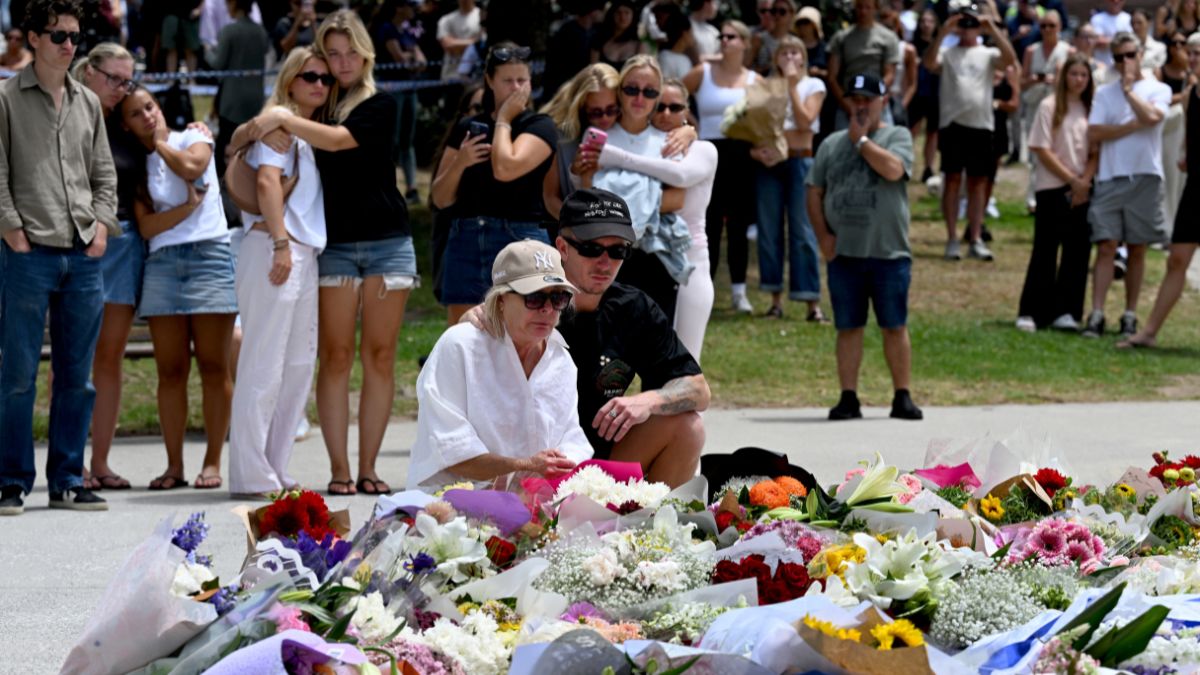 "Bondi beach shooting suspect father migrated from Hyderabad to Australia 27 years ago: Telangana govt")
 "Delhi court allows Goa Police to take Luthra brothers on transit remand for 48 hours")
 "Europe flies back to Baghdad after 35 years")



