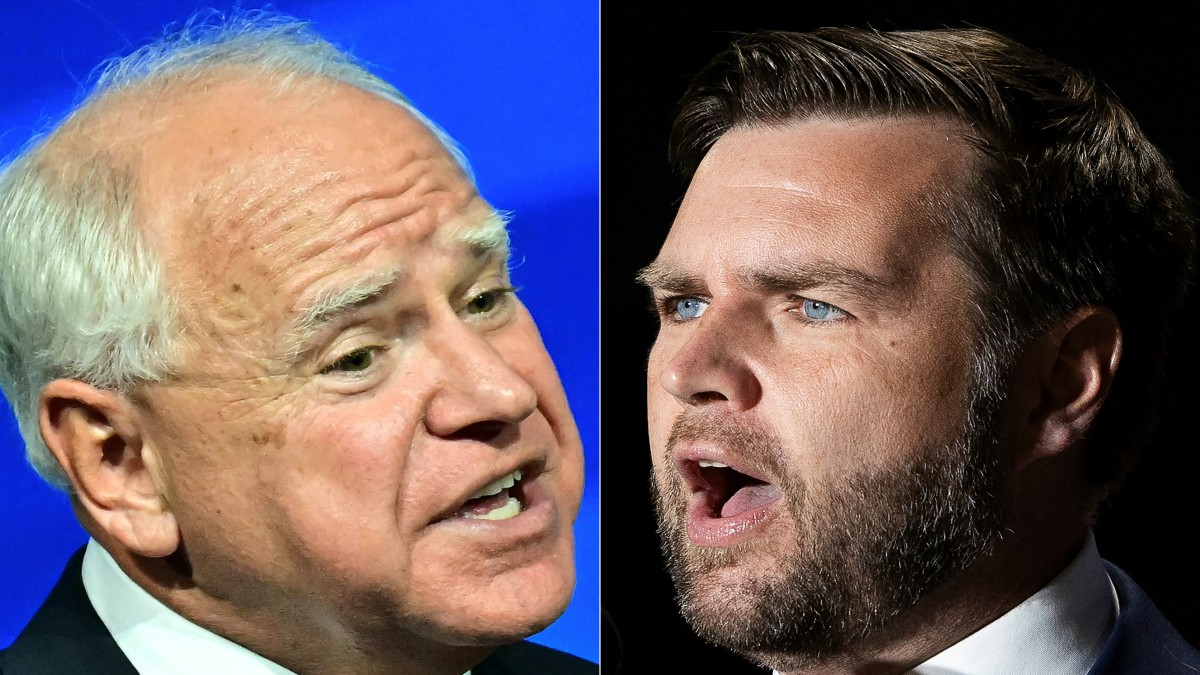
 "Minnesota Governor and Democratic vice presidential candidate Tim Walz (L) speaking and US Senator and Republican vice presidential candidate JD Vance are set to face off in a debate on October 1. AFP")
US vice presidential candidates Tim Walz and JD Vance are set to face off in a highly anticipated debate on October 1, 9 pm (ET).
In this 90-minute debate, believed to be the last one ahead of the November 5 elections, the focus is likely to be on the Midwest.
Both contenders, Walz, the Democratic governor of Minnesota, and Vance, the Republican senator from Ohio, hail from the heartland. Each has deep ties to the region’s blue-collar communities and would like to showcase that they understand the unique issues facing Midwestern voters.
Swing state showdown
The midwest, which includes key swing states like Michigan, Wisconsin, and Ohio, could be important to the outcome of the 2024 election.
In 2016, Donald Trump’s victory in Michigan and Wisconsin helped propel him to the presidency.
Joe Biden’s narrow wins in the same states in 2020 played a role in his victory.
As the 2024 race remains on a knife-edge, the candidates’ ability to connect with voters in these critical states could once again determine the next president.
Different appeals
Vance, who is Trump’s running mate, will aim to shore up support in Ohio, a state that has trended Republican in recent years but remains a vital part of any GOP strategy.
His memoir, Hillbilly Elegy, has resonated with many Rust Belt voters who feel left behind by economic and social changes.
However, his controversial statements, including false claims about immigrants, could alienate some moderate voters.
Quick Reads
View AllWalz, meanwhile, will try to appeal to Midwestern voters by emphasising his experience as a former teacher, football coach, and military veteran. He is seen as a steady, folksy figure who understands the concerns of working-class families.
The Democratic ticket, led by Kamala Harris after President Joe Biden’s exit from the race, hopes that Walz can energise voters in key Midwestern states and retain the support that helped Democrats in 2020.
Economic concerns at the forefront
Both candidates will need to address the economic concerns facing the region. Manufacturing, agriculture, and healthcare remain top issues for Midwestern voters, many of whom are concerned about the impacts of inflation, trade policies, and job losses in traditional industries.
Vance and Trump have capitalised on populist messaging, framing themselves as defenders of American jobs against globalisation.
Walz is expected to counter with a more progressive economic vision that spotlights union protections, investments in green energy, and support for struggling rural communities.
The Importance of rural and suburban voters
While urban areas in the Midwest tend to lean Democratic, rural and suburban voters are often the deciding factor in close races.
In 2020, Biden was able to narrow Trump’s margins in rural areas and expand his support in the suburbs, particularly among women and college-educated voters.
For Walz, his Midwestern roots and moderate image could help him resonate with suburban voters who might be put off by Vance’s more controversial statements.
For Vance, maintaining Trump’s rural base will be essential, but he will also need to soften his rhetoric to avoid alienating suburban moderates who could swing the race.