

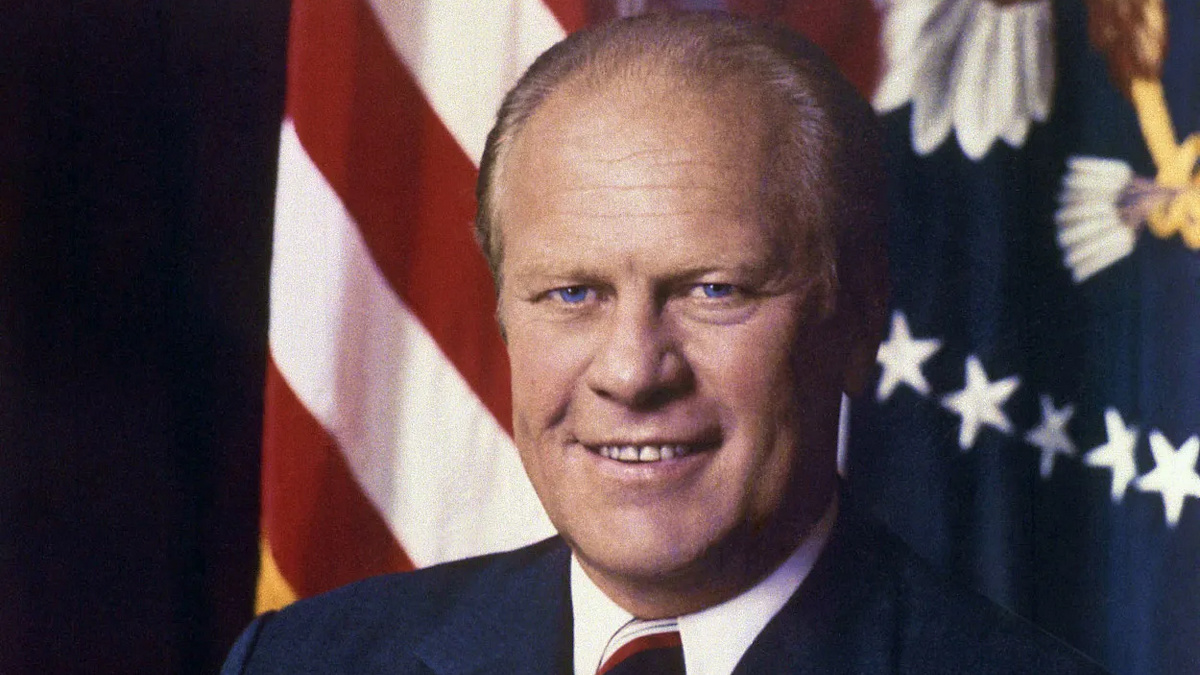
 "Presidents of the United States: Gerald Ford, the man who was never meant to be president")
Editor’s Note: This is a series of profiles taking a closer look at US presidents ahead of the 2024 presidential election between Donald Trump and Kamala Harris.
Gerald Ford was never meant to be president.
He remains the only person who became commander-in-chief without being elected either president or vice-president.
Calling his elevation to the highest office in the US unusual would be an understatement.
Ford also made perhaps one of the most consequential decisions any US president can make – pardoning his predecessor Richard Nixon.
He also, much like another more recent president, survived two assassination attempts.
But all that came later.
Let’s take a closer look at Ford – the 38th President of the United States.
Early life
Ford was born Leslie Lynch King Jr on July 14, 1913, in Nebraska’s Omaha.
His parents Leslie Lynch King and Dorothy Ayer Gardner, who had married in September 1912, split just weeks after his birth.
Dorothy divorced her husband and later married a Michigan businessman named Gerald Ford Sr.
That was where the future president would be called Gerald Ford Jr – the name the world knows him by.
Ford was the epitome of an all-American boy – an excellent student and a member of the honour society as well as a top-notch athlete (making the city and state football teams). He was also an Eagle Scout.
He went to the University of Michigan where he played on championship football teams and got a BA degree.
He had offers to turn professional, but rejected them in favour of taking up coaching duties at Yale – from which he eventually got a law degree.
Quick Reads
View AllFord joined the US Naval Reserve in 1942 after the United States finally entered World War II.
He was assigned to the USS Monterey which witnessed combat in the South Pacific. Ford, who was aboard the ship in the Philippines, nearly died after a typhoon hit the sea. He was later discharged from the navy in 1947.
Political career
Ford actually got his start in politics back in 1940 – when he worked on Wendell Willkie’s presidential campaign.
Upon returning from the war a changed man, Ford decided to run for the US House of Representatives in 1948.
Ford was challenging an incumbent, notoriously hard to unseat, but achieved success on his very first try.
Ford would remain a member of Congress for the next decade and a half – where he would serve on the powerful House Appropriation Committee and become widely popular with both parties.
In the meantime, he married Elizabeth Anne Bloomer Warren and had four children.
He famously referred to himself as “a moderate in domestic affairs, an internationalist in foreign affairs, and a conservative in fiscal policy.”
Ford also served on the Warren Commission – which was looking into the assassination of president John F Kennedy and later authored a book on his experiences.
Ford’s highest political ambition was to become Speaker of the House.
He was also a staunch supporter of then president Richard Nixon – whom he also considered a good friend.
Ford’s ascent to the Oval Office began with the resignation of then vice-president Spiro Agnew who became engulfed in a scandal.
Nixon, looking around for a vice-president, turned to a man he knew to be squeaky clean.
Ford was sworn in as vice-president on December 6, 1973. But as we now know, that wouldn’t be the end of his political journey.
Time as president
Ford became US president in 1974 after Nixon, facing impeachment and humiliation over the Watergate scandal, resigned as Commander-in-Chief.
Ford himself recognised the tenuous situation for the country in which he took power.
“I assume the Presidency under extraordinary circumstances…This is an hour of history that troubles our minds and hurts our hearts,” he said in his inaugural address.
Ford declared an end to “the long national nightmare.” “Our Constitution works," he added.
But shortly after he became president, Ford knew he had a problem.
America needed to move on from Nixon.
So, he did what he thought was right. The only thing he thought he could do.
He granted Nixon a “full and unconditional pardon for all offenses against the United States.”
Ford as president inherited inflation from Nixon – which quickly turned into a recession despite his best efforts.
In 1975, Ford also survived two assassination attempts in 19 days.
Ford lost his re-election bid to then Georgia governor Jimmy Carter.
Carter, in his inauguration address, thanked Ford for healing the nation’s wounds.
Legacy
Ford is still most famous for having pardoned Nixon.
Was it the right thing to do?
Some would say it set an unhealthy precedent for what a US president – who after all, is supposed to be a man and not a king – could get away with as a result of blatantly illegal acts while in office.

 "17 years of 26/11: 9 terrorists killed, one hanged; 2 acquitted, justice waits for 6")
 "Georgia drops landmark case accusing Trump, allies of 2020 election meddling")
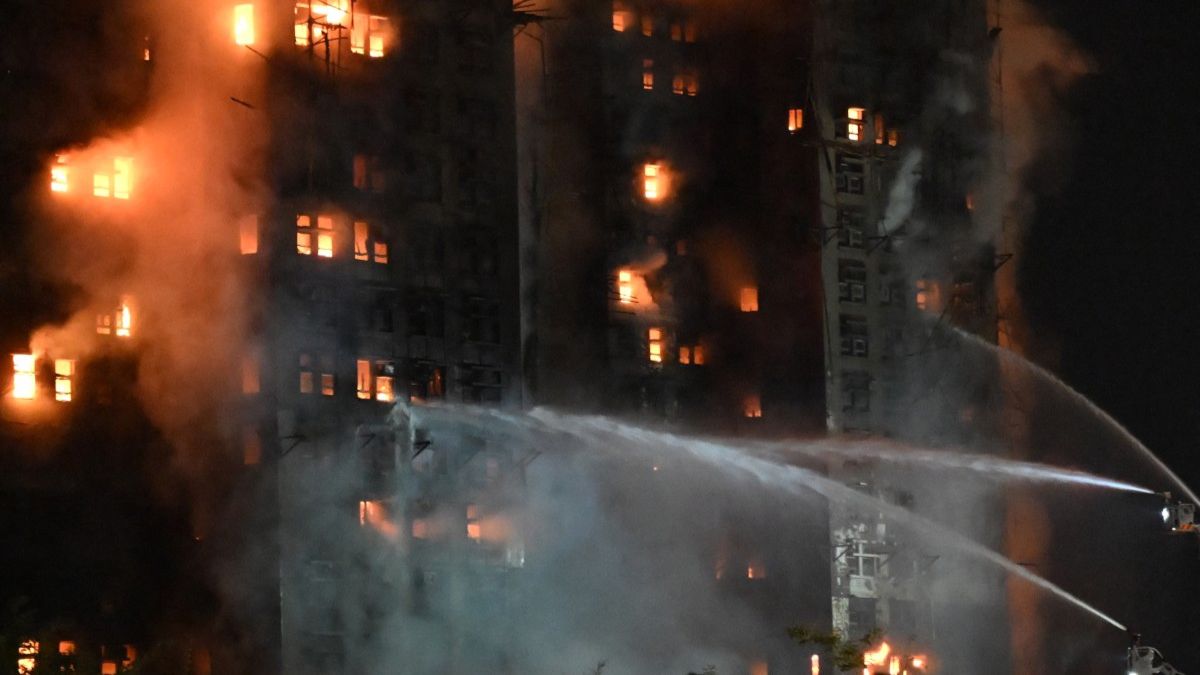 "At least 36 killed, hundreds missing after fire engulfs high-rise buildings in Hong Kong")
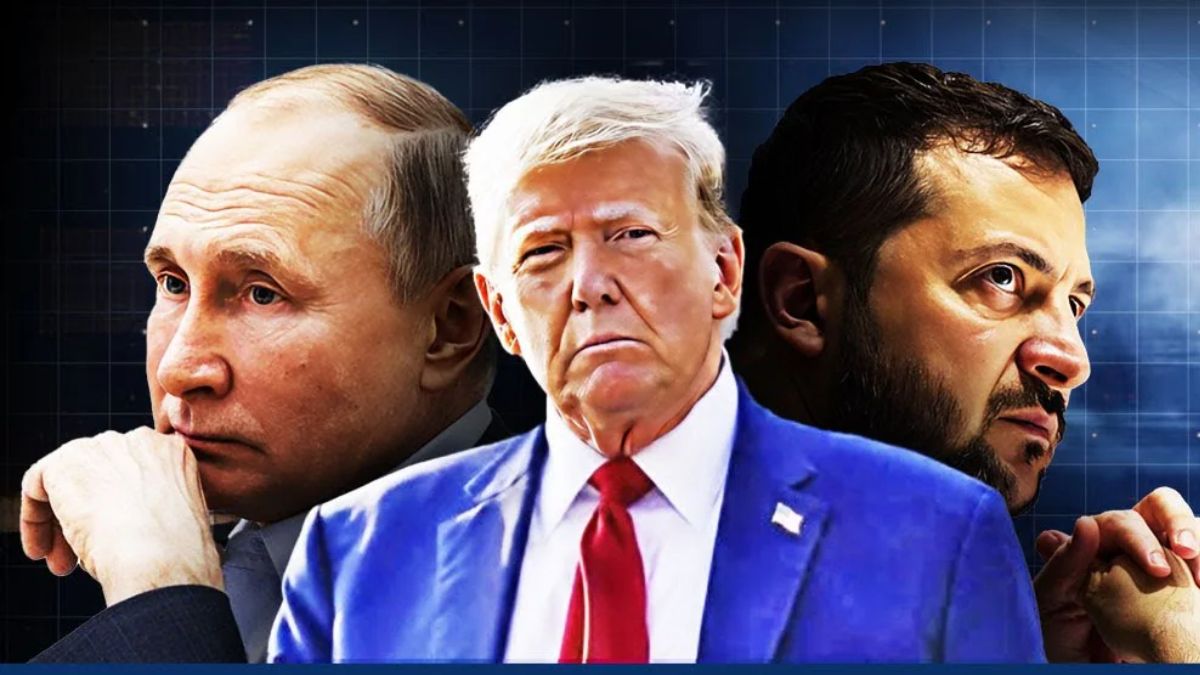 "Deadline diplomacy: Trump’s Gaza-style playbook faces a tougher test in Ukraine truce push")
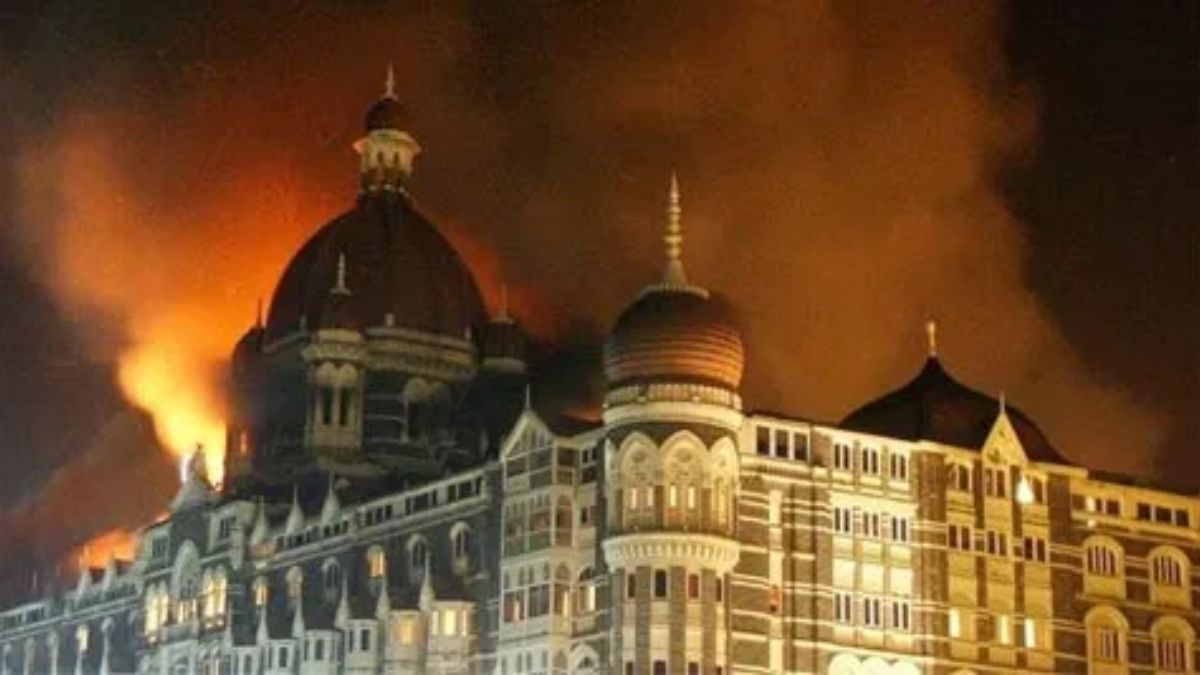 "17 years of 26/11: 9 terrorists killed, one hanged; 2 acquitted, justice waits for 6")
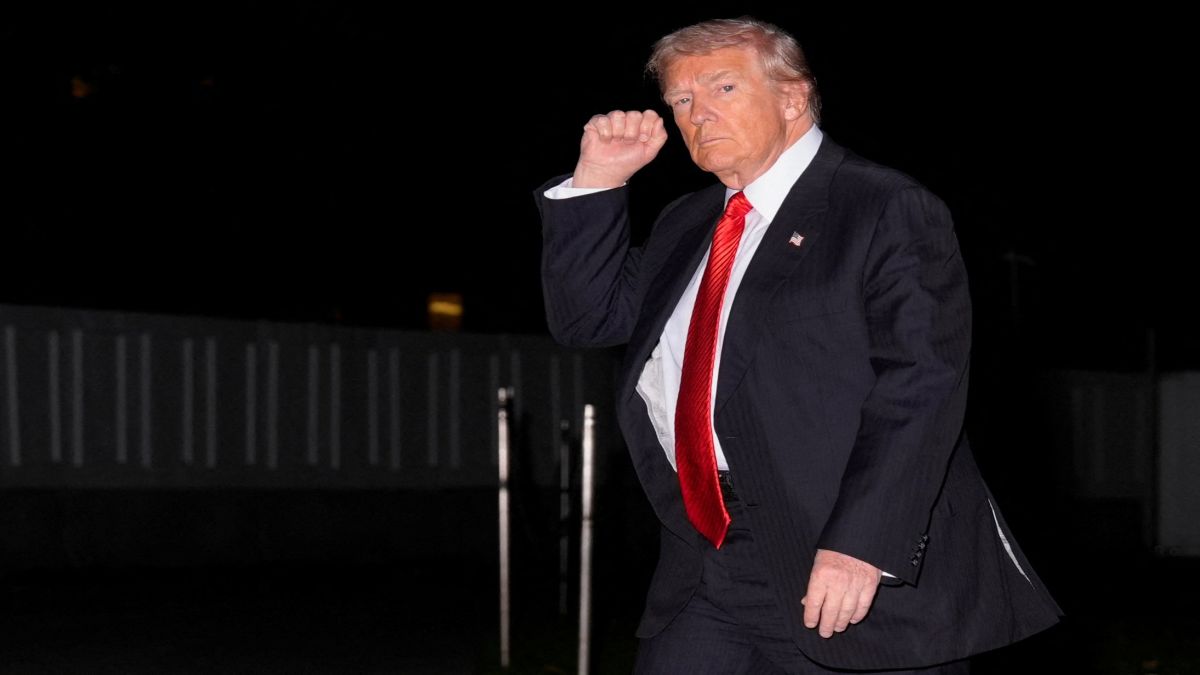 "Georgia drops landmark case accusing Trump, allies of 2020 election meddling")
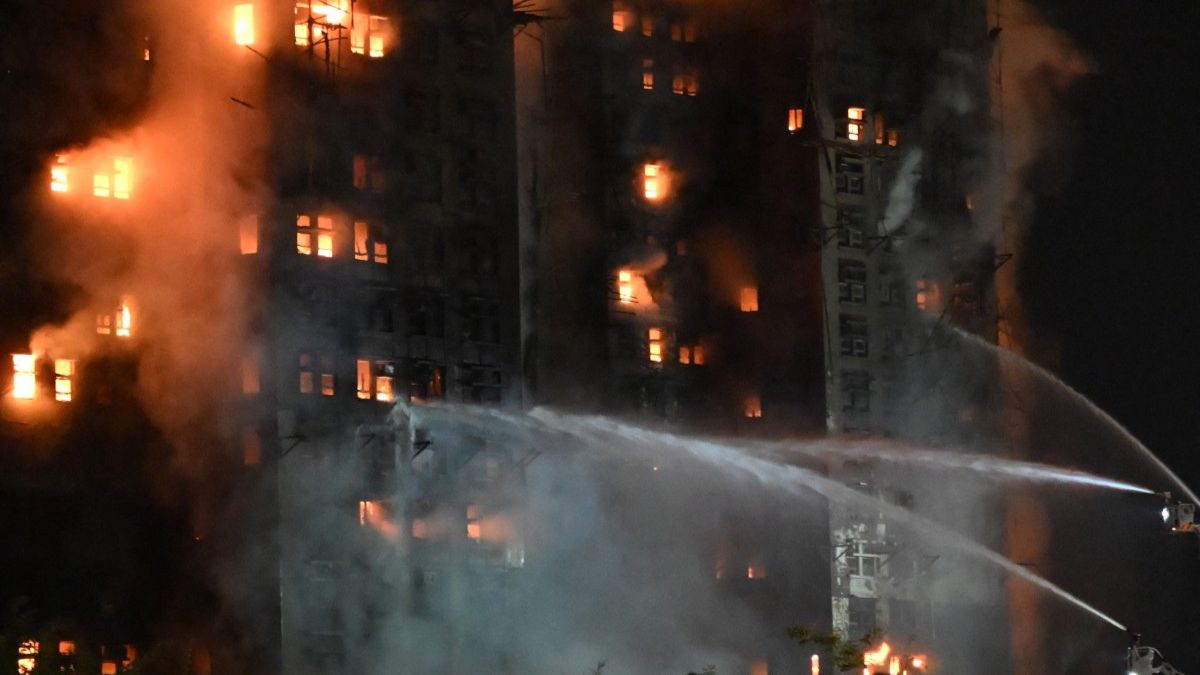 "At least 36 killed, hundreds missing after fire engulfs high-rise buildings in Hong Kong")
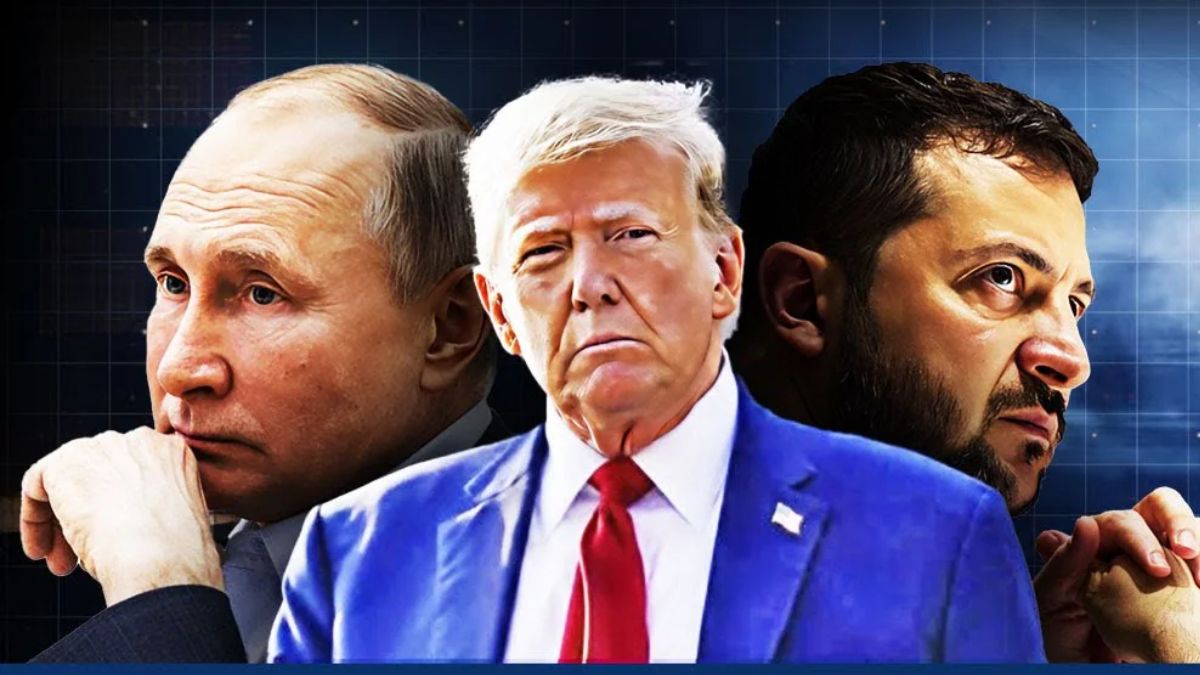 "Deadline diplomacy: Trump’s Gaza-style playbook faces a tougher test in Ukraine truce push")



