

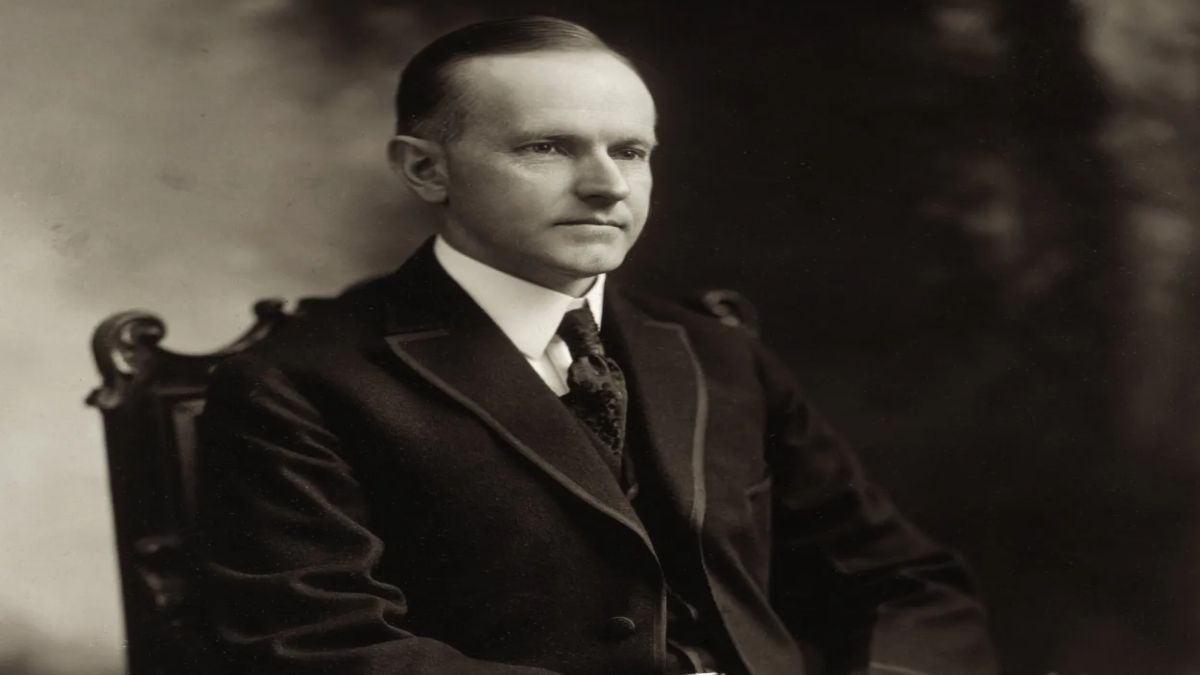
 "Presidents of the United States: Calvin Coolidge, the dry wit and consummate politician who history has judged harshly")
Editor’s Note: This profile is part of a series taking a closer look at US presidents ahead of the 2024 presidential election between Donald Trump and Kamala Harris.
John Calvin Coolidge came to the presidency after the sudden death in 1923 of then President Warren G Harding.
Coolidge’s inauguration was perhaps the most unusual – with his father swearing him in by the light of a kerosene lamp in his parlour. Afterwards, he went back to bed.
Coolidge was not a typical, gregarious politician as evidenced by his nickname ‘Silent Cal.’
Let’s take a closer look at the 30th president of the United States.
Early years
Coolidge was born on July 4, 1872, in Virginia’s Plymouth Notch. His parents were John Calvin Coolidge – a shopkeeper – and Victoria Moor Coolidge.
Though he was named after his father, his family soon dropped John and began calling him by middle name Calvin.
Perhaps, Coolidge was always destined for politics.
His father won a seat in the Virginia legislature just weeks after he was born. Coolidge also had a front row seat to observe his father carrying out duties as the town’s sheriff. The youth would also frequently attend town hall meetings.
Impact Shorts
More Shorts“Country life does not always have breadth, but it has depth. It is neither artificial nor superficial, but is kept close to the realities,” Coolidge wrote about his childhood.
Coolidge went to school at the Black River Academy and attended Amherst College.
He decided to pursue law and procured an internship at the firm of two Amherst graduates John C Hammond and Henry P Field.
He also met Grace Anna Goodhue, a teacher at the Clarke School for the Deaf, who he would woo and wed.
Politics
Though Coolidge was always interested in politics growing up, his active involvement began in 1895 when he assisted Field in his campaign for mayor.
His first experience with party politics was being an alternative delegate at a local party convention.
Coolidge stood for office over a dozen times and won almost every election.
Though he was not an extrovert, he was an excellent politician and skilled campaigner.
He served as city councilman, mayor, senator, lieutenant governor and finally governor, developing a reputation as an honest politician. Queried if he had any hobbies, Coolidge replied, “Holding office.
Coolidge gained national attention after police in Boston went on strike for better work conditions.
He called in the National Guard to quell riots and refused to reinstate those that had been fired. “There is no right to strike against the public safety by anybody, anywhere, anytime,” Coolidge famously said.
It was that statement that made him a contender – and ultimately the pick for vice-president at the 1920 Republican National Convention.
Time in office
Coolidge had the experience typical of any US vice president – not much to do and a lot of free time on his hands.
Coolidge and his wife rented a suite at the Willard Hotel and spent their time attending social events – though he was far from a social butterfly.
Asked why this was the case, Coolidge replied, “Got to eat somewhere.”
The most famous story about Coolidge came at a Washington dinner party in an exchange with a hostess.
“Mr Vice President, I made a bet with my friends that I could get you to say at least three words this evening,” the woman said.
“You lose,’ Coolidge replied.
Coolidge was called to serve as president after Harding’s passing.
Asked about his first thought on doing the job of president, Coolidge replied, “I thought I could swing it.”
As president, Coolidge devoted himself to trying to give business a fillip. “The chief business of the American people is business,” he said. Coolidge also massively reduced income and estate taxes.
Coolidge surprised many by choosing not to run for re-election.
Vacationing in South Dakota’s Black Hills at the time, Coolidge made a simple statement to the press, “I do not choose to run for president in 1928.”
By 1932, Coolidge had spent years in retirement and America was in the throes of the Great Depression.
Though Coolidge had retained his popularity, with some in the Republican party even wanting to nominate him for president, the man’s health was failing and thought his time had passed.
“We are in a new era to which I do not belong, and it would not be possible for me to adjust to it," Coolidge said.
He died of a heart attack just a month later.
Legacy
Coolidge was popular at the time of his passing.
But the Great Depression changed that.
Coolidge’s administration was later viewed as complacent in the roaring 1920s and, even worse, inactive in the face of the looming disaster of the Great Depression.

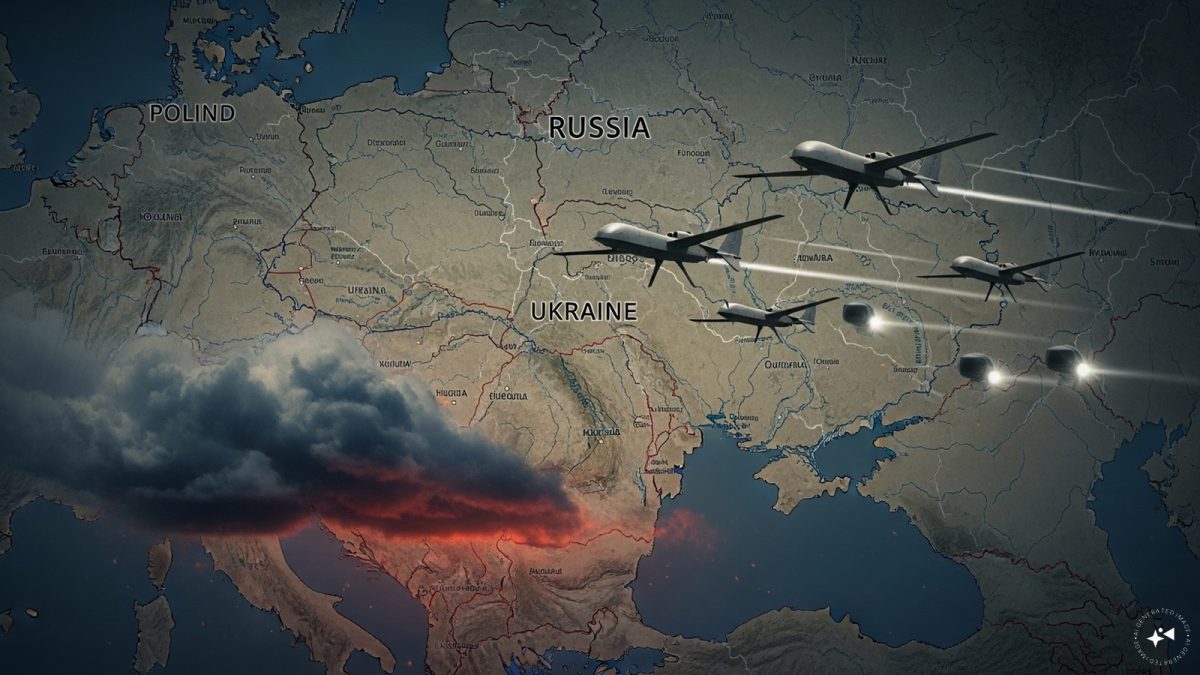 "Russian drones over Poland: Trump’s tepid reaction a wake-up call for Nato?")
 "As Russia pushes east, Ukraine faces mounting pressure to defend its heartland")
 "Why Mossad was not on board with Israel’s strike on Hamas in Qatar")
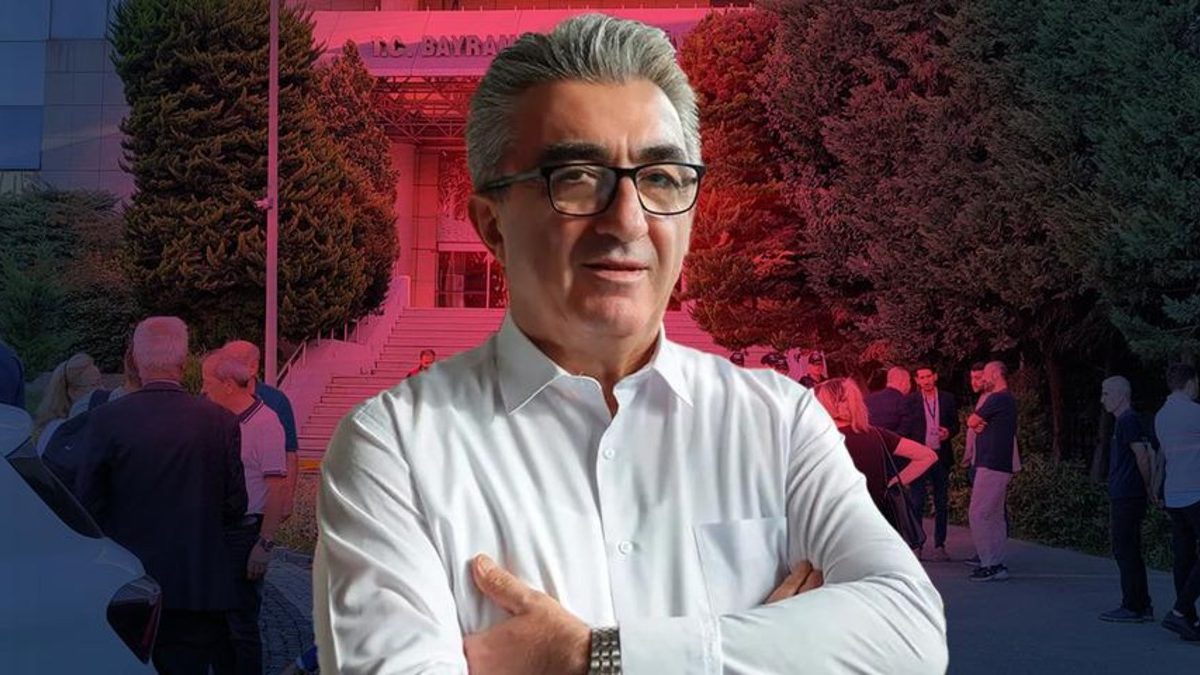 "Turkey: Erdogan's police arrest opposition mayor Hasan Mutlu, dozens officials in corruption probe")
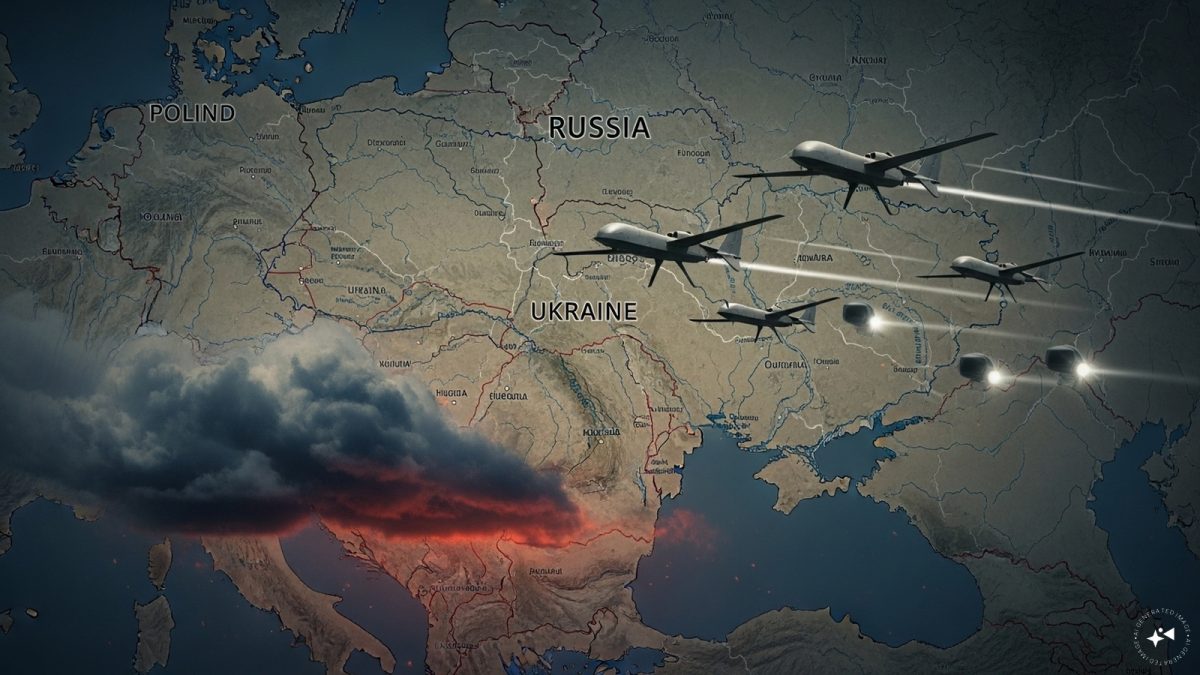 "Russian drones over Poland: Trump’s tepid reaction a wake-up call for Nato?")
 "As Russia pushes east, Ukraine faces mounting pressure to defend its heartland")
 "Why Mossad was not on board with Israel’s strike on Hamas in Qatar")
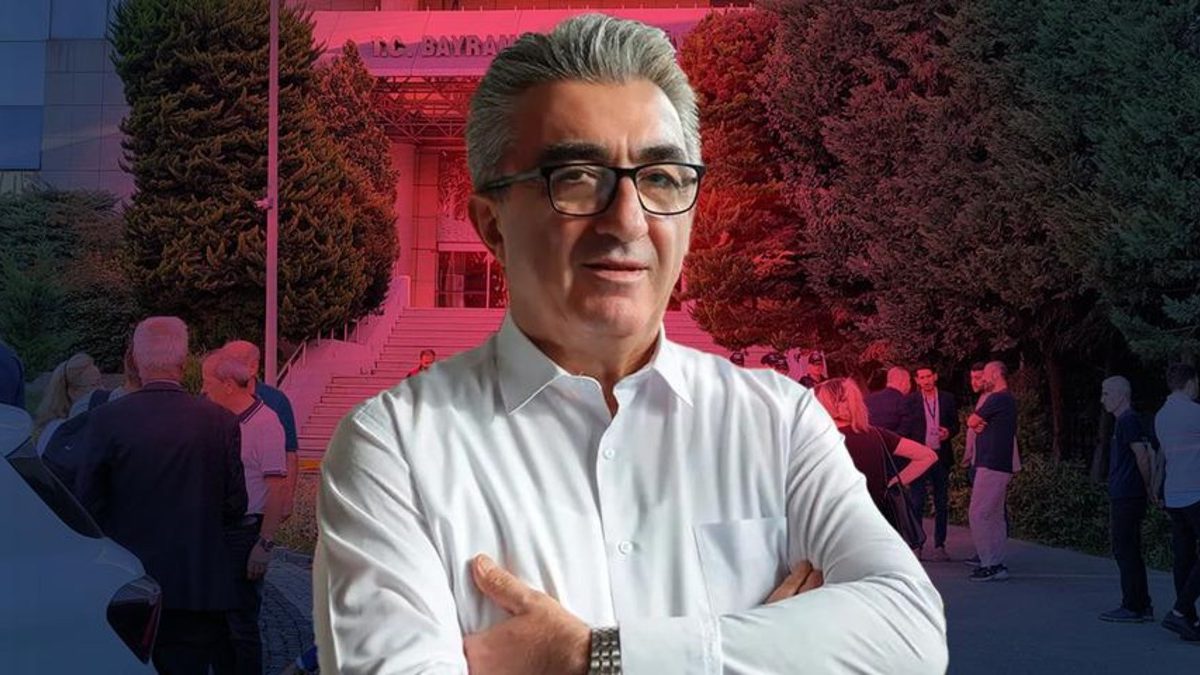 "Turkey: Erdogan's police arrest opposition mayor Hasan Mutlu, dozens officials in corruption probe")



