

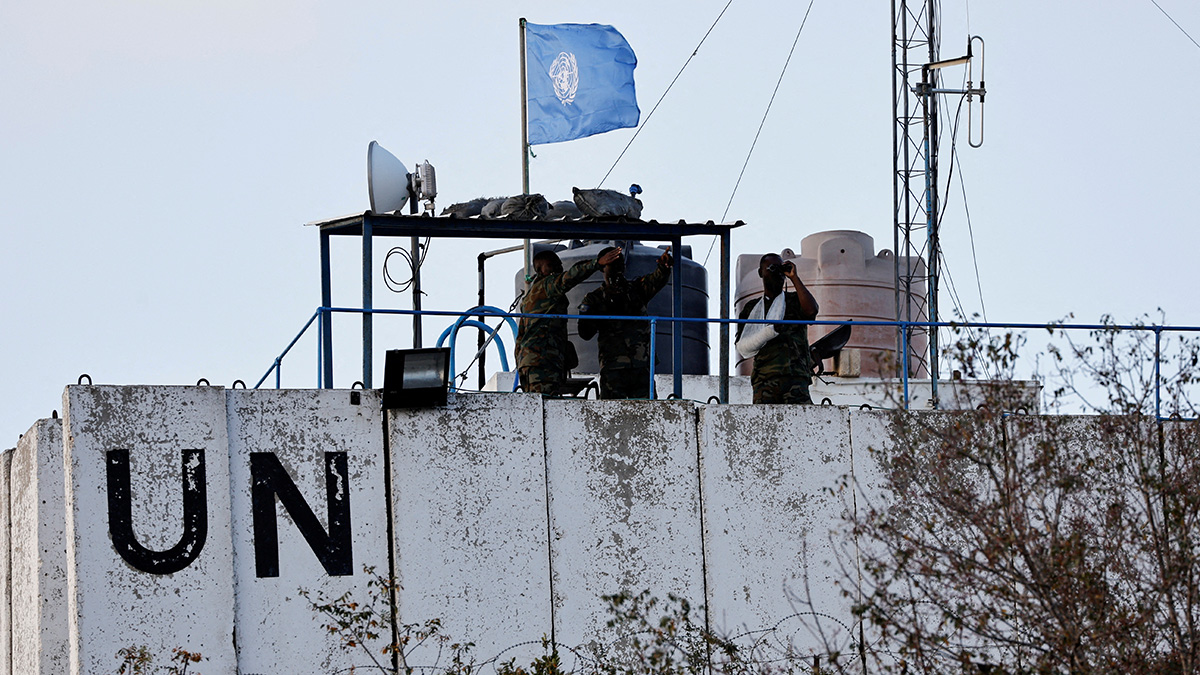
 "Amid Israel-Hezbollah war, where is UNIFIL? The story of a peacekeeping force lost in Lebanon")
Far from achieving its objectives, UNIFIL’s role has evolved into one of limited oversight, its effectiveness hamstrung by the increasing dominance of Hezbollah and the Lebanese Armed Forces’ inability to act independently. Despite its original mandate to ensure a buffer zone free of unauthorised militias, United Nations Interim Force in Lebanon (UNIFIL) has struggled to curb Hezbollah’s growing influence and military presence in the region. As Hezbollah continues to expand its arsenal and tighten its grip on Lebanon’s south, the once hopeful mission appears to be facing the limits of its relevance.
UNIFIL: A legacy of ineffectiveness
UNIFIL was created in 1978 with the mission to oversee the withdrawal of Israeli forces from southern Lebanon and restore international peace and security. Over four decades later, the peacekeeping mission finds itself entangled in a web of geopolitical complexities, sectarian strife and growing tensions between Israel and Hezbollah. UNIFIL was established with the aim of maintaining peace and disarming non-state militias in southern Lebanon. UNIFIL’s 40-year-long presence has largely failed to fulfill its mandate, particularly in curbing Hezbollah’s military activities. The multinational force of 10,000 peacekeepers, working in coordination with the Lebanese Armed Forces (LAF), was tasked with preventing Hezbollah from operating in the region south of the Litani River. However, Hezbollah’s operations not only persist but have thrived, with tens of thousands of missiles stationed within civilian areas—actions that constitute war crimes.
Both Iran and Hezbollah have disregarded UNSC Resolution 1559, which calls for the strict respect of Lebanon’s sovereignty, territorial integrity, unity, and political independence under the exclusive authority of the Government of Lebanon, while also demanding the disbandment of all Lebanese and non-Lebanese militias.
One of the most significant challenges faced by UNIFIL has been its limited authority over Hezbollah. The mission’s mandate restricts its ability to confront the militant group directly, which has led to criticism regarding its failure to prevent Hezbollah from rearming and maintaining its military presence in southern Lebanon. This inability to disarm non-state actors undermines UNIFIL’s role in restoring the Lebanese state’s authority over the region. Additionally, despite UNIFIL’s presence, ceasefire violations by both Hezbollah and the Israel Defence Forces (IDF) continue to occur frequently. The mission’s inability to prevent cross-border skirmishes raises doubts about its effectiveness in maintaining long-term peace and security.
Furthermore, UNIFIL has been perceived as biased, facing criticism from both sides. Israel accuses the force of turning a blind eye to Hezbollah’s activities, while some Lebanese view it as overly aligned with Israeli interests. This perception of bias has hampered the mission’s legitimacy in the eyes of local populations and further complicated its efforts to operate effectively in a volatile environment.
Quick Reads
View AllThe United Nations Security Council (UNSC) resolutions, including Resolution 1701 (passed after the Second Lebanon War in 2006), have mandated a “zone free of unauthorized personnel and weapons” along Lebanon’s southern border.
US Ambassador to the United Nations Linda Thomas-Greenfield has highlighted that UNIFIL has been “unable to access a range of troubling sites across the Blue Line,” including rocket launch sites and tunnels utilised by Hezbollah to support its operations. Since the conclusion of the Second Lebanon War in 2006, UNIFIL has failed to halt any missile transfers from Iran to Hezbollah. Despite Israel publicly notifying UNIFIL about the six border tunnel openings excavated by Hezbollah into Israeli territory, the force has remained too timid to expose these threats.
In 2010, Robert Gates, serving as the US Defence Secretary, indicated that Hezbollah’s rocket and missile capabilities exceeded those of many governments across the world. As noted by Bradley Bowman and Cameron McMillan in Long War Journal, Hezbollah’s arsenal has evolved significantly. Today, Hezbollah’s stockpile resembles that of a mid-sized European army, featuring thousands of drones and mortars, along with at least 150,000 rockets and missiles. While Hezbollah fired approximately 4,000 of its estimated 15,000 rockets and missiles at Israel during the month-long conflict in 2006, the group’s arsenal has since expanded tenfold by 2024.
Further, according to Sky News Australia, the UNs’ failure to enforce its resolutions has fuelled criticism from Israel, particularly when Hezbollah blatantly uses LAF and UNIFIL positions to shield its missile attacks. This ineffectiveness is compounded by Hezbollah’s ability to intimidate and control the movements of UNIFIL personnel, which severely limits the force’s capacity to fulfill its security objectives.
UNIFIL has encountered heightened obstacles and assaults, notably a December 2023 attack on its forces in Taybeh and a March 2024 explosion in the Rmeish area that injured four peacekeepers.
The LAF: Hezbollah’s proxy enabler
Lebanon’s national military, the LAF, while ostensibly a sovereign force, has long been compromised by Hezbollah’s shadowy influence. The LAF has essentially become subservient to Hezbollah’s directives facilitating the group’s free movement and military fortifications across southern Lebanon. Hezbollah has created “no-go” zones, further inhibiting UNIFIL’s access to Hezbollah’s weapons caches and the LAF routinely coordinates patrols with Hezbollah to ensure that no critical sites are exposed.
As noted in a study by the Alma Research and Education Center, Hezbollah has embedded itself deeply within the Lebanese state and military apparatus, operating under the guise of environmental organisations like “Green without Borders.” This allows Hezbollah to station operatives and fortifications right along the Blue Line, gathering intelligence and building strategic positions overlooking Israeli communities—activities that UNIFIL has failed to confront head-on.
The LAF’s compliance with Hezbollah stems from a survival instinct deeply embedded within the Lebanese political landscape. Limited resources and internal divisions hinder the LAF from acting independently and any attempt to oppose Hezbollah incurs severe repercussions, further entrenching the latter’s dominance along with its Iranian allies.
Hezbollah’s audacity is evident in its direct intimidation of UNIFIL personnel, effectively obstructing the LAF’s collaboration with UNIFIL to monitor activities that threaten Israel. Even proposals to enhance UNIFIL’s oversight of the Blue Line through new surveillance cameras have been vetoed by Hezbollah.
Future of UNIFIL: A mission on borrowed time?
The question now remains: can UNIFIL continue to serve any functional purpose in Lebanon? UNIFIL has become a symbolic presence, rather than an effective force, shackled by Hezbollah’s growing power.
Ironically, risks are always mounting for UNIFIL personnel, who are increasingly caught in the crossfire between Hezbollah and Israel. Incidents such as Hezbollah’s missile strikes from UNIFIL positions underline how peacekeepers are being used as pawns in a larger conflict. This raises the critical question of whether the international community, including major UNIFIL contributors like the United States, should continue to fund a mission that has been unable to protect either Lebanon or Israel.
With Hezbollah’s arsenal ever-growing and the Lebanese government paralysed, the UNSC must consider whether continuing the current mandate is merely a bureaucratic exercise in futility. As tensions escalate—fuelled in part by the fractured UNSC, the future of peacekeeping in Lebanon looks increasingly precarious.
Rich Goldberg, a former member of then-President Trump’s National Security Council, told Fox News Digital that the situation represented a bipartisan American failure as much as a UN failure. He pointed out that the Bush administration had agreed to Resolution 1701, which contained a clear poison pill: UNIFIL could only act at the request of the LAF. According to him, no such request was ever made, and consequently, no enforcement occurred, even as the US invested hundreds of millions of dollars into both UNIFIL and the LAF.
The situation in Lebanon is nothing but a classic example of larger geopolitical failure. UNIFIL’s mission is at a crossroads, caught between Hezbollah’s unchecked military operations, a powerless Lebanese government and a UN mandate that is poorly suited to the realities on the ground.

 "17 years of 26/11: 9 terrorists killed, one hanged; 2 acquitted, justice waits for 6")
 "Georgia drops landmark case accusing Trump, allies of 2020 election meddling")
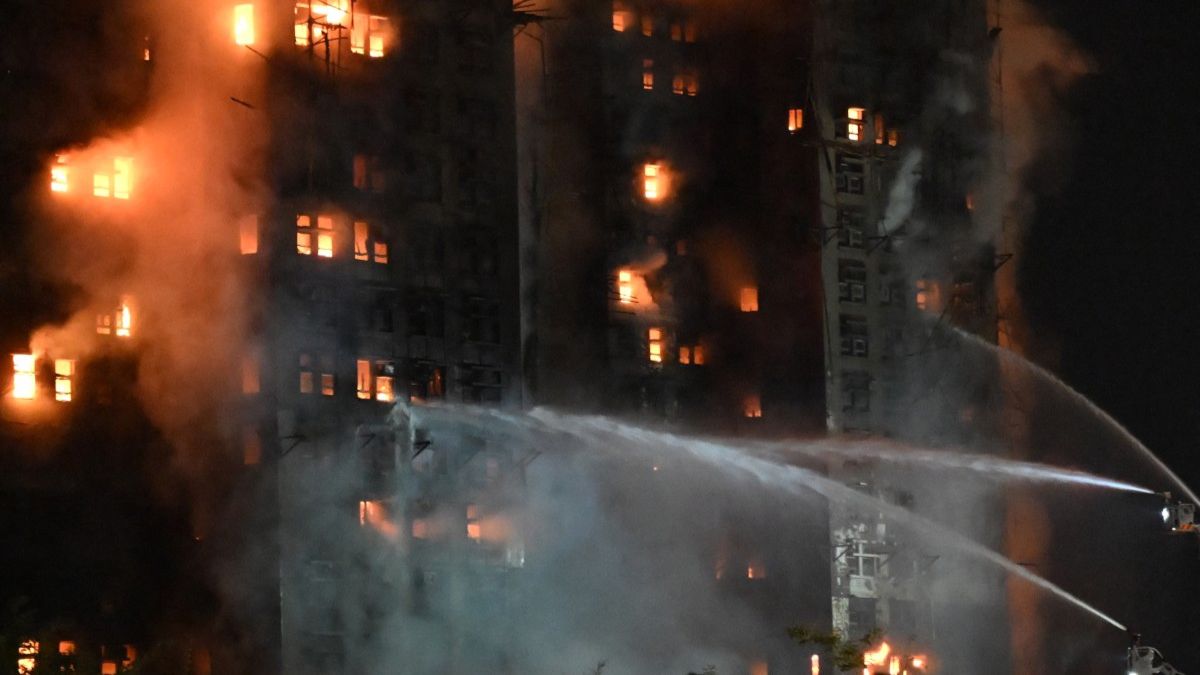 "At least 36 killed, hundreds missing after fire engulfs high-rise buildings in Hong Kong")
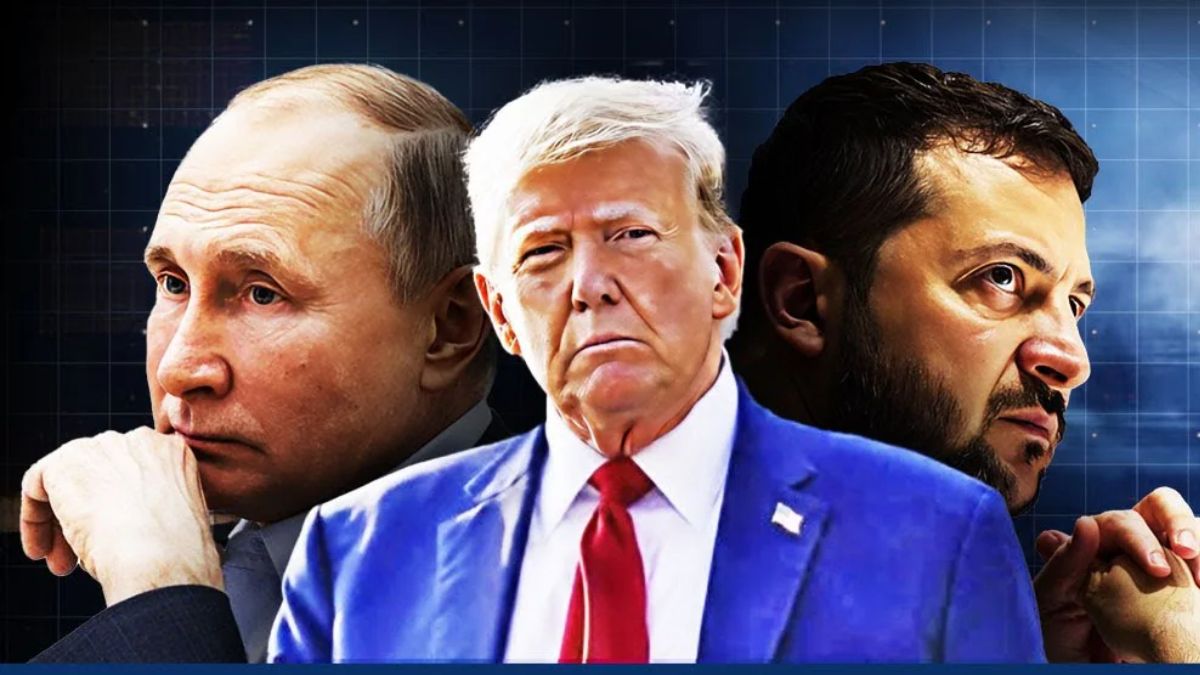 "Deadline diplomacy: Trump’s Gaza-style playbook faces a tougher test in Ukraine truce push")
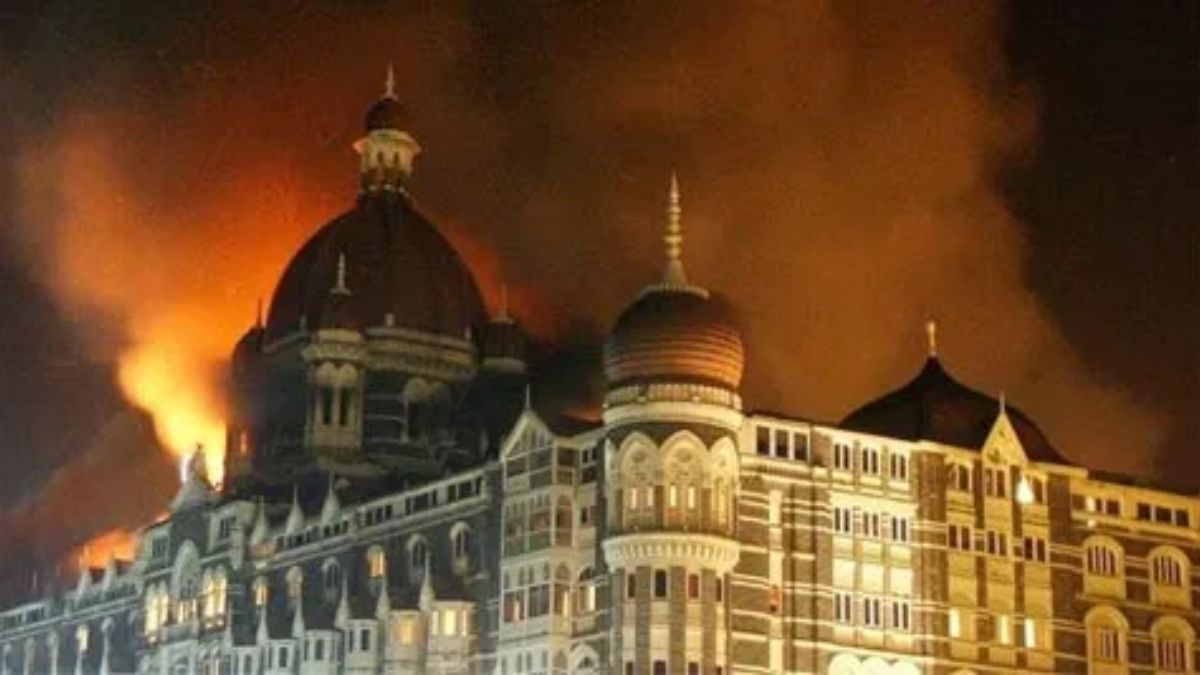 "17 years of 26/11: 9 terrorists killed, one hanged; 2 acquitted, justice waits for 6")
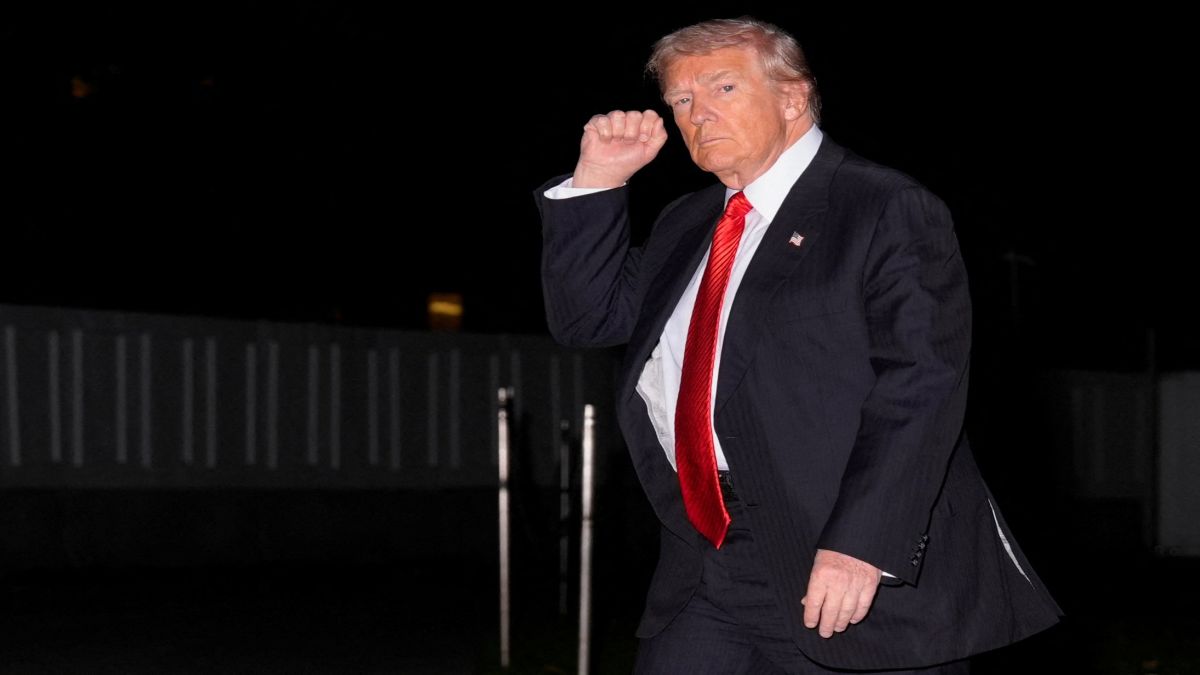 "Georgia drops landmark case accusing Trump, allies of 2020 election meddling")
 "At least 36 killed, hundreds missing after fire engulfs high-rise buildings in Hong Kong")
 "Deadline diplomacy: Trump’s Gaza-style playbook faces a tougher test in Ukraine truce push")



