

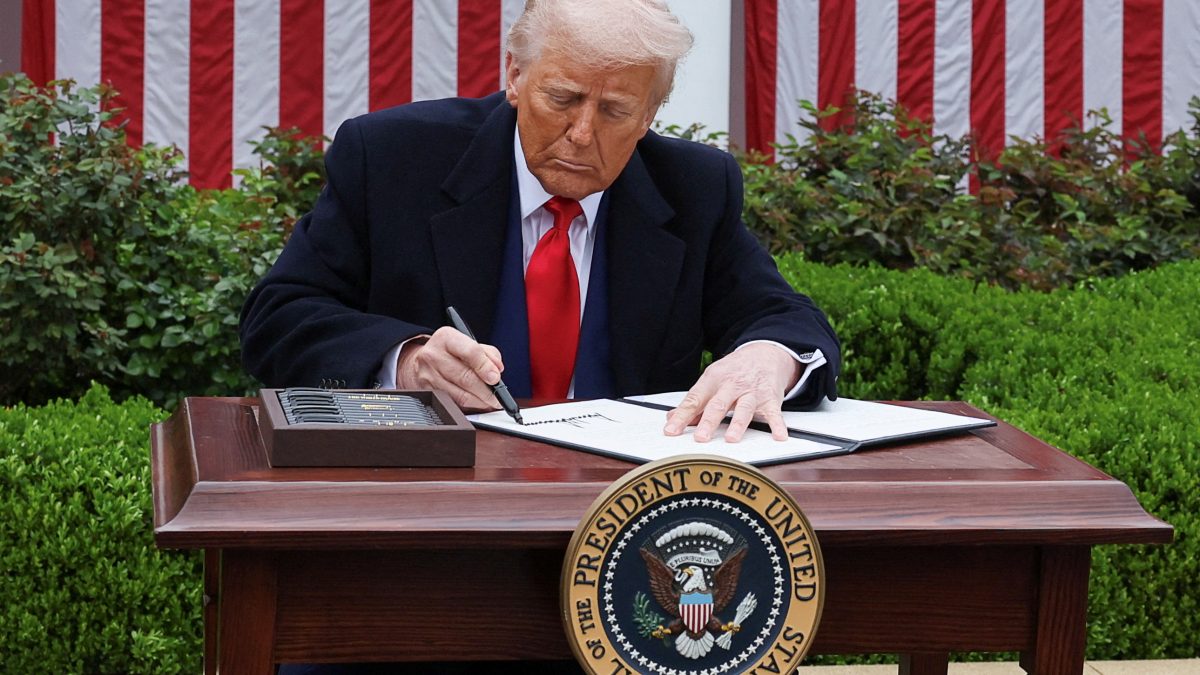
 "Trump signs law providing billions of dollars for drug addiction recovery")
US President Donald Trump on Monday signed into law a measure authorising billions of dollars in federal funding to help prevent drug overdoses and support patients recovering from addiction, according to the White House.
The measure effectively renews a public health program first created under Trump in 2018 that later expired after five years. It includes a range of services aimed at combating drug addiction and addressing mental health needs, along with initiatives to strengthen research and provide loan repayment for professionals treating substance abuse. Funding will still depend on future congressional appropriations.
Trump’s ‘war on drugs’
The legislation represents Washington’s latest push to confront the public health crisis of drug addiction and overdose deaths, particularly those linked to fentanyl, a powerful painkiller. Trump has leaned heavily on the issue, citing it to justify imposing tariffs on China to restrict fentanyl and precursor chemical flows, increasing border security, and launching attacks on suspected drug-trafficking vessels near Venezuela.
The US has carried out more than two dozen strikes on alleged drug boats, and Trump has threatened to expand the campaign to targets on Venezuelan territory as his administration faces questions about the legality of the operations.
How does the law help?
The new law also includes changes to speed up the delivery of certain controlled substances, including when they are self-administered in a doctor’s presence. It directs federal agencies to establish a special registration process allowing doctors and other medical professionals to prescribe controlled substances via telemedicine, a step Congress first ordered in 2008.
The initiative has won bipartisan support on Capitol Hill and backing from health advocates, who say it will strengthen resources for people in need amid an opioid crisis that contributed to most of the country’s fatal drug overdoses last year.

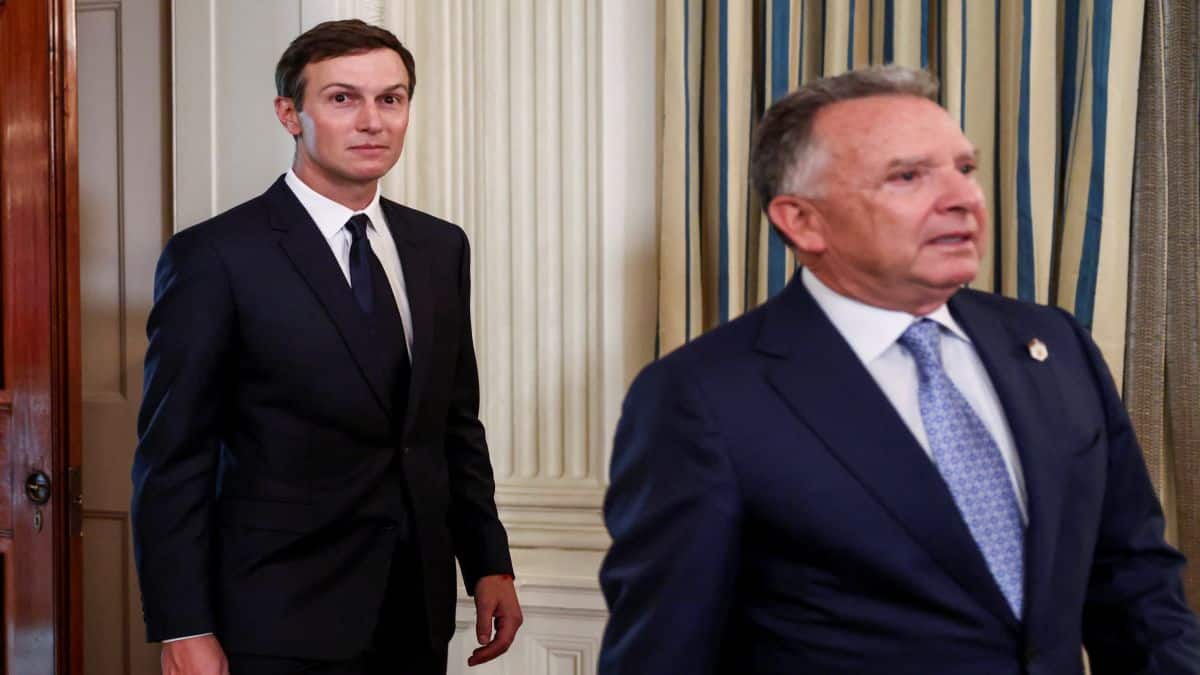
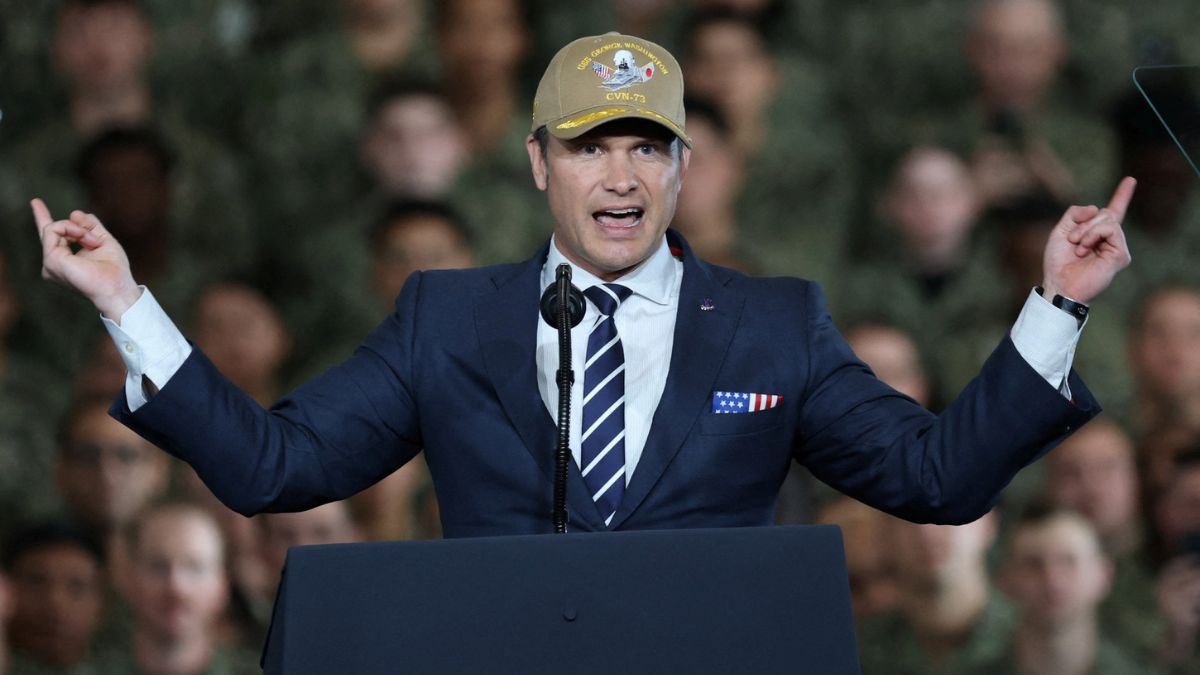 "'Kill everybody': Did US Defence Secretary Hegseth's order to re-strike Venezuelan boat constitute a war crime?")
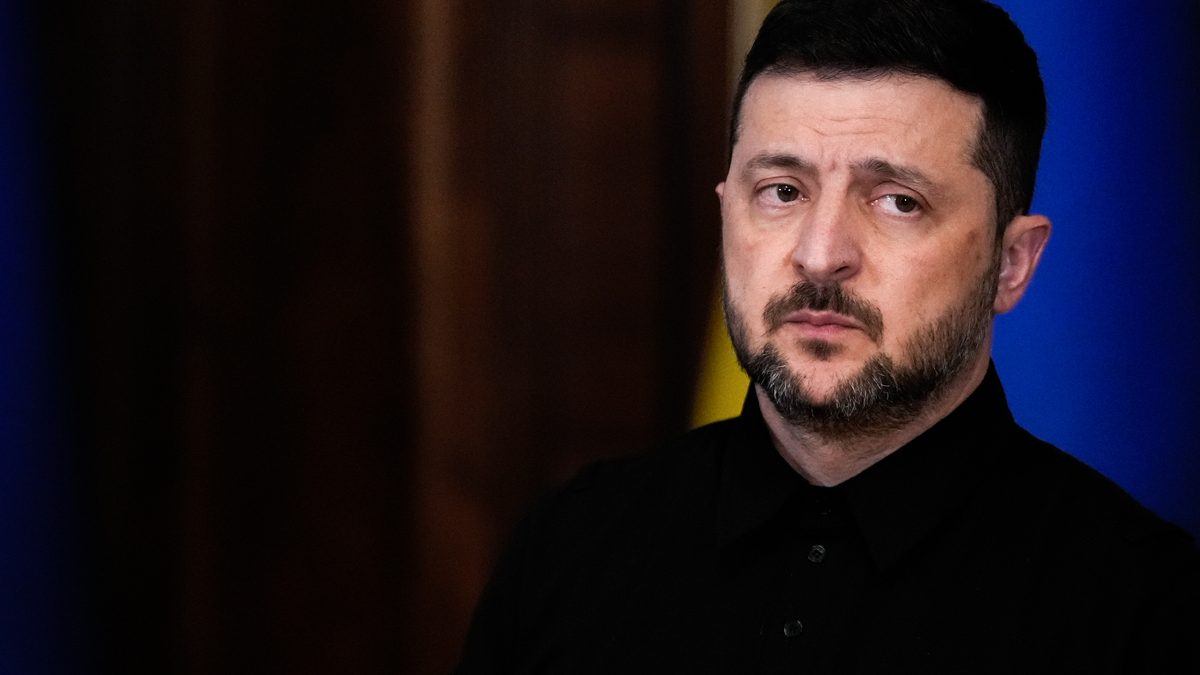 "Zelenskyy says Ukraine territory is 'most difficult' issue in US peace deal ahead of his meeting with Witkoff")
 "IndiGo flight diverted to Mumbai after bomb threat prompts emergency landing")
 "Why Indian govt wants smartphone makers to pre-install an app on all devices")
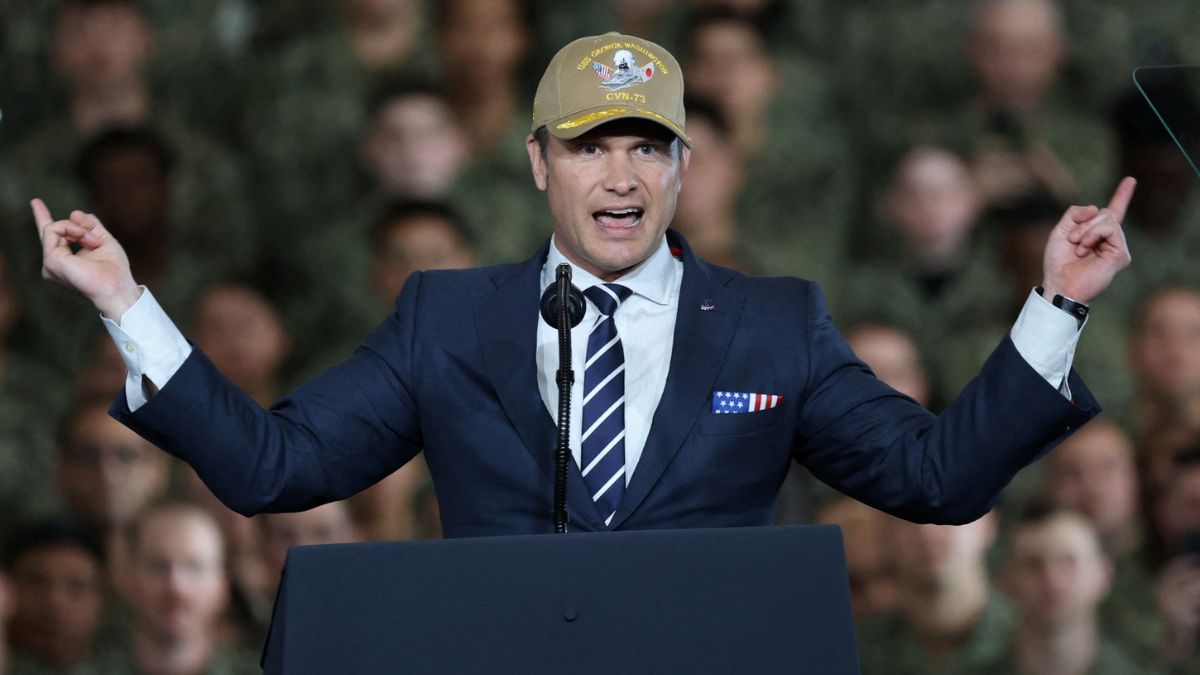 "'Kill everybody': Did US Defence Secretary Hegseth's order to re-strike Venezuelan boat constitute a war crime?")
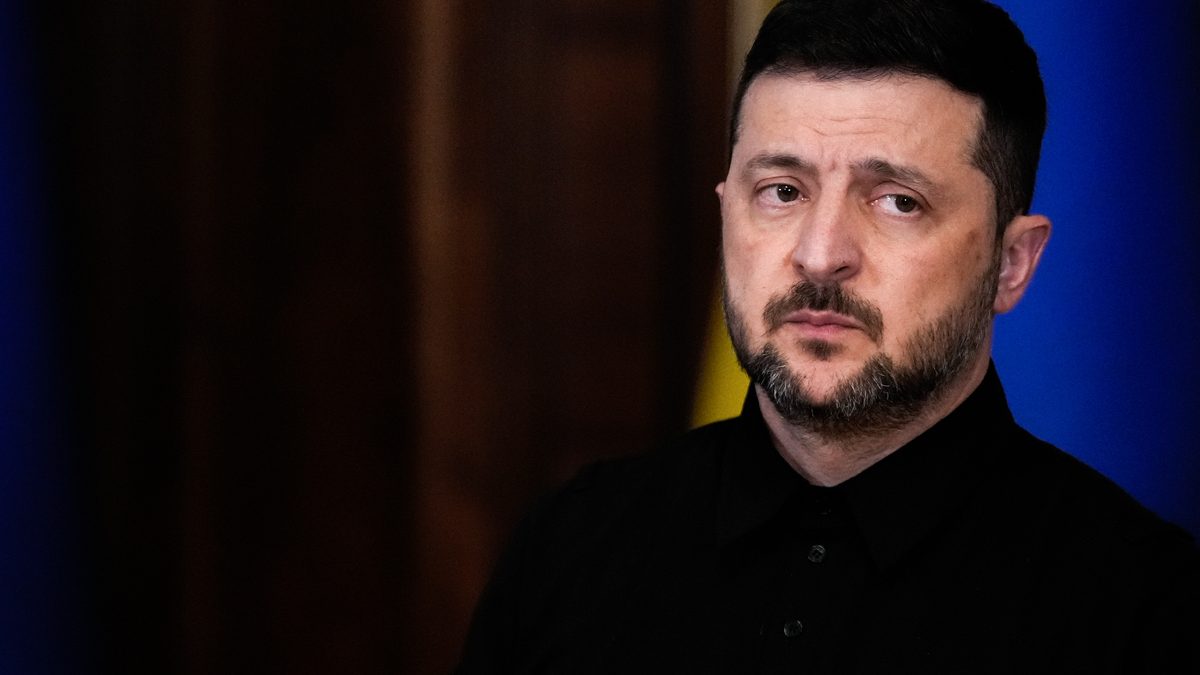 "Zelenskyy says Ukraine territory is 'most difficult' issue in US peace deal ahead of his meeting with Witkoff")
 "IndiGo flight diverted to Mumbai after bomb threat prompts emergency landing")
 "Why Indian govt wants smartphone makers to pre-install an app on all devices")



