 "Trump signals readiness to end Iran war without reopening Hormuz: Report")
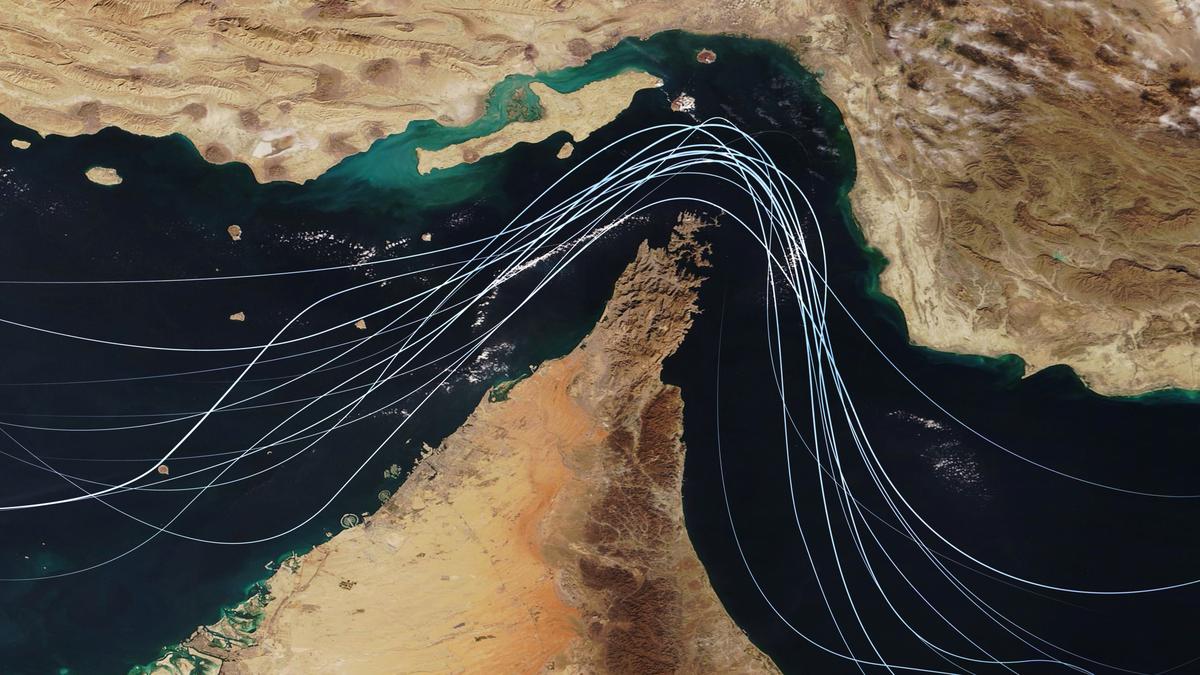
US President Donald Trump has reportedly told aides that he is willing to end the Iran war even if Tehran does not open the Strait of Hormuz, a stark contrast to what he has been demanding in the past couple of weeks.
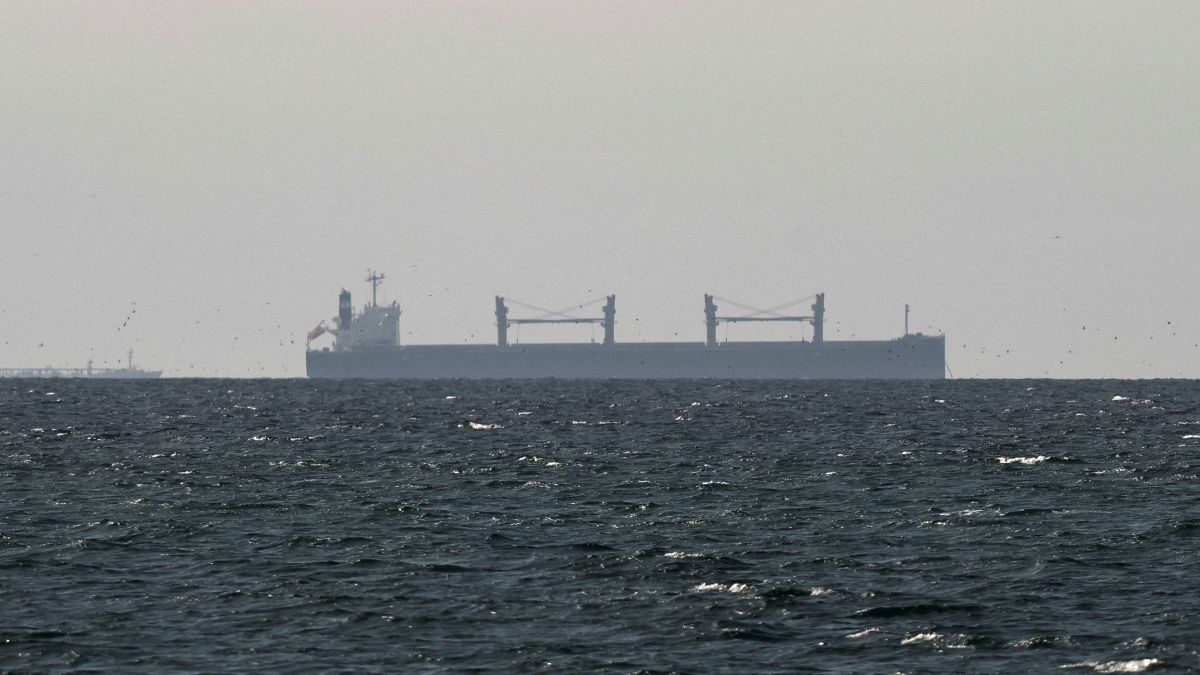
The Strait of Hormuz, a key waterway that facilitates global shipping, has become a point of contention in the Iran war as Trump continues to threaten Tehran with intensified military operations if the shipping passage is not reopened.
More recently, Trump said that if a deal were not struck – including to reopen the vital Strait of Hormuz shipping lane – US forces would destroy “all of their Electric Generating Plants, Oil Wells and Kharg Island (and possibly all desalinisation plants!).”
Why does US want to give up the Hormuz issue?
In recent days, Trump and his advisers concluded that a military effort to reopen the chokepoint would likely extend the conflict beyond his preferred four- to six-week timeline. Instead, he opted to focus on core objectives, weakening Iran’s navy and missile capabilities, while scaling back active hostilities and increasing diplomatic pressure on Tehran to restore the free flow of trade. If those efforts fail, Washington plans to urge European and Gulf allies to take the lead in reopening the strait.
On Monday, White House press secretary Karoline Leavitt said the US was “working towards” restoring normal operations in the strait, but she did not include it among the administration’s primary military objectives, which remain focused on Iran’s navy, missile systems, defence industry, and nuclear capabilities.
Aides have also highlighted to Trump that the Strait matters much more to Europe, West Asia and Asia than to the US.
Iran to impose toll on the Strait
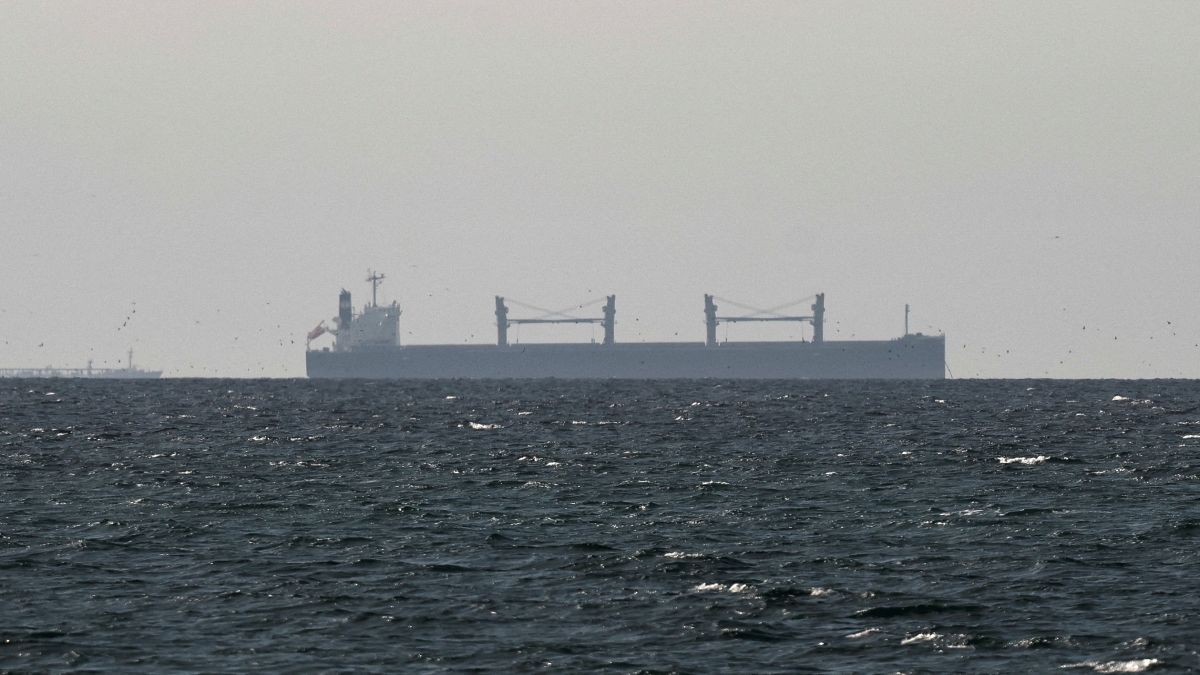
Iran’s Parliamentary Security Commission has passed a plan to impose a toll on ships passing through the Strait of Hormuz, as the key waterway continues to be blocked due to the war.
The plan aims to increase Iran’s sovereignty over the strait, including “security arrangements to safeguard the waterway, measures to ensure maritime navigation safety and financial regulations and rial-denominated tolls for vessels passing through and the prohibition of passage for vessels belonging to the United States and Israel,” Iran’s state-run Islamic Republic of Iran Broadcasting (IRIB) said.
Quick Reads
View AllIran’s threats and attacks on shipping in the Strait have effectively halted the movement of around 15 million barrels of crude per day from the Persian Gulf, triggering sharp volatility in global oil markets.

 "Iran War Live Updates: 4 soldiers killed in southern Lebanon, Israeli army says")
 "Hormuz choke: Iran doesn’t need to win the war, it just needs to make it too expensive to finish")
 "Iran approves plan to impose toll on ships passing through Strait of Hormuz")
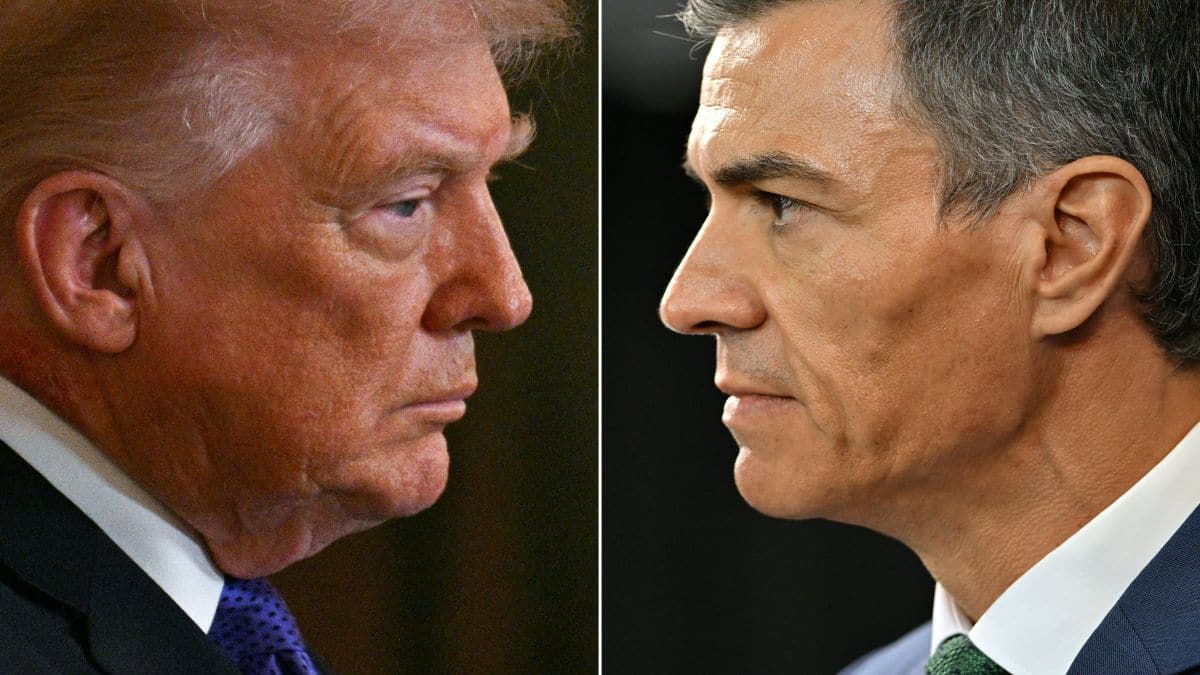
 "Why has Spain closed its airspace to US planes amid the Iran war?")
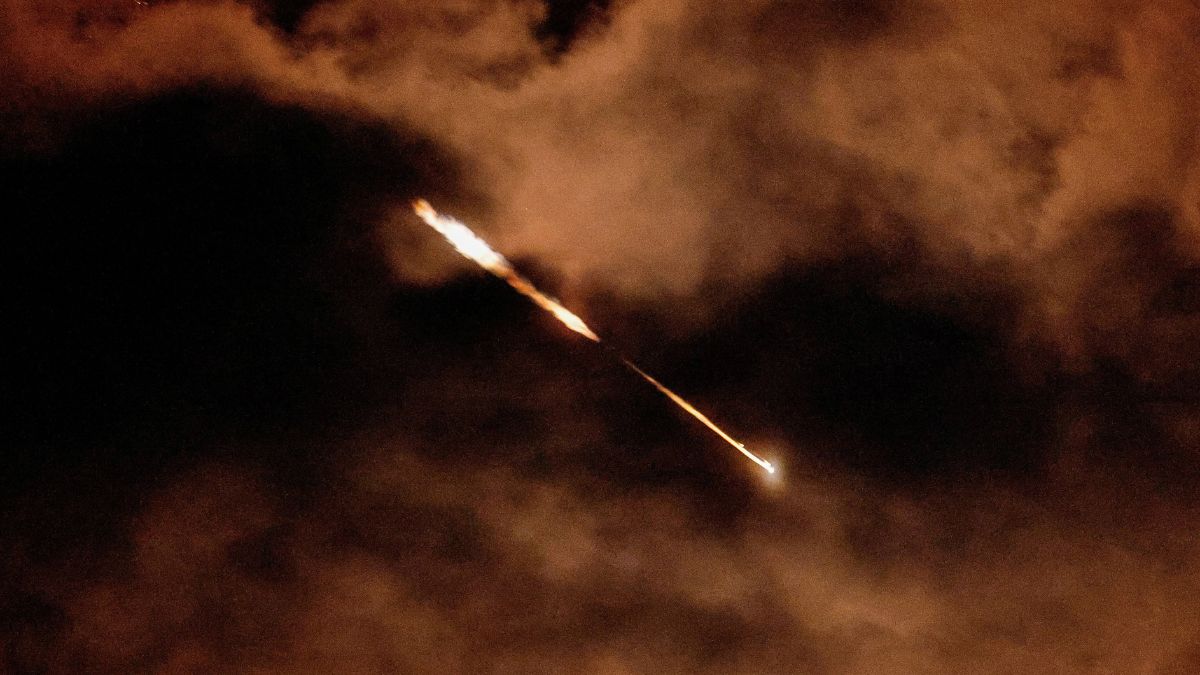
 "Iran War Live Updates: 4 soldiers killed in southern Lebanon, Israeli army says")
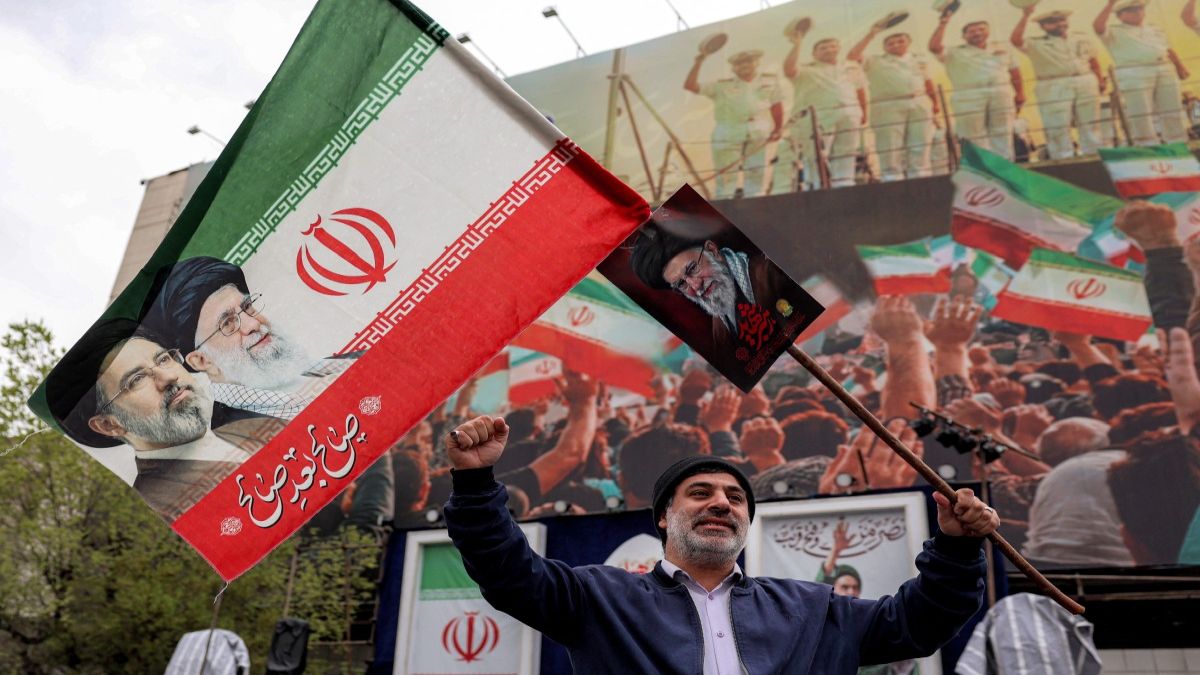
 "Hormuz choke: Iran doesn’t need to win the war, it just needs to make it too expensive to finish")
 "Iran approves plan to impose toll on ships passing through Strait of Hormuz")
 "Why has Spain closed its airspace to US planes amid the Iran war?")