

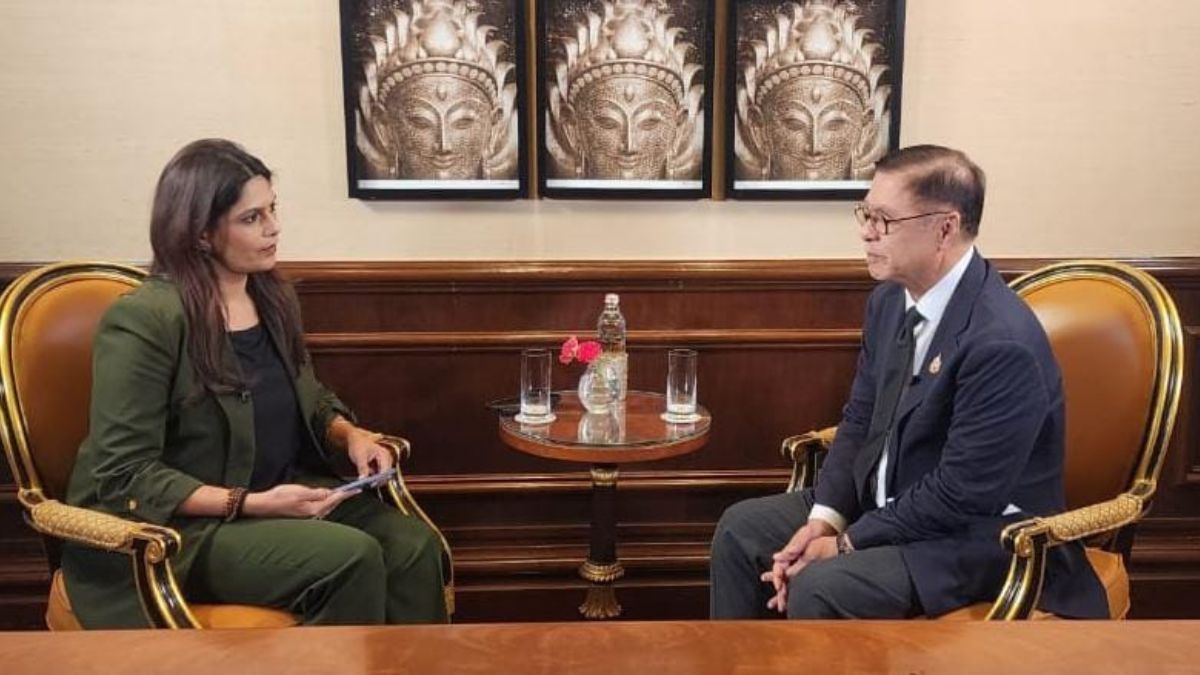
 "Thailand open to more Indian imports, seeks removal of tariff barriers, FM Sihasak tells Firstpost")
Thailand is ready to import more from India and wants both sides to address obstacles such as removing tariffs and non-tariff barriers to ensure smooth trade, said Foreign Minister Sihasak Phuangketkeow.
In an interview with Firstpost Managing Editor Palki Sharma, Sihasak said the strong rise in bilateral trade reflects India’s expanding economy and the growing purchasing power of Indian consumers.
“Trade follows the market,” he said, adding that tariff and non-tariff barriers must be examined to ensure a smoother exchange of goods. He said that if any hurdles were restricting free trade, both countries should work to address them.
He said similar concerns have emerged within ASEAN, where discussions on managing trade deficits and advancing regional free-trade talks began earlier this year. Those negotiations were initially expected to conclude by October but have been delayed.
When asked whether the process risked collapsing, he said the global multilateral trading system including the WTO was weakening, which made stronger regional cooperation even more important.
The Foreign Minister said Asean continues to move toward deeper economic integration, including the goal of creating a single market and production base and is promoting trade under the RCEP. He said the bloc hopes India will eventually join such arrangements, stressing that all countries benefit from increased trade. When asked whom that message was directed at, he declined to specify.
Balancing big powers
Sihasak also discussed Thailand’s ties with China following the Thai king’s rare visit to Beijing, the only country he has travelled to apart from Bhutan since becoming monarch in 2016. He said the trip marked the 50th anniversary of diplomatic relations, though the countries share historical links going back centuries.
Quick Reads
View AllOn Chinese President Xi Jinping’s comment that China and Thailand are “one family,” Sihasak said such phrasing has long been used to describe the relationship. He highlighted the deep cultural and ancestral connections, noting that many Thais have Chinese roots and that Thai Chinese, Thai Indians and other communities coexist harmoniously.
Asked whether Washington, Thailand’s oldest treaty ally — was concerned about Thailand’s growing engagement with China, Sihasak said Bangkok aims for balanced ties with all major partners. He stressed that closer relations with Beijing do not come at the expense of its long-standing ties with the United States.
On whether the US’s transactional approach under Donald Trump had been difficult, he said those tendencies were visible early in Trump’s presidency. Thailand responds to such policies pragmatically but firmly, focusing on mutual benefit rather than pressure. He added that even smaller countries play a meaningful role in a region whose geopolitical importance is rising.
On defence procurement, he was asked whether Thailand’s recent acquisition of Chinese weapons suggested China was gaining ground over Western suppliers. He said Thailand’s decisions were not politically motivated, and that it would continue to choose systems that are the most effective and most economical, regardless of their origin.
A strategic, growing India–Thailand partnership
On India–Thailand relations, Sihasak described the partnership as strategic, going beyond bilateral ties. He praised India’s economic success and technological leadership, noting Thailand’s efforts to transition to a digital, green and innovation-driven economy. He highlighted the importance of tourism, with over two million Indians visiting Thailand annually and Thai pilgrims traveling to India’s Buddhist sites and expressed hope for increased flows in both directions.
Sihasak also said that Thailand was now in the recovery phase after unprecedented floods claimed over 140 lives. He attributed the disaster to climate change, rejecting any notion that it is a “hoax” and stressing that scientific evidence is clear. He called for greater political will and climate finance, especially for countries with limited capacity, and criticised major powers for not showing the necessary commitment.
Sihasak emphasised the need to connect South and Southeast Asia through frameworks like BIMSTEC and the Mekong–Ganga Cooperation, with India and Thailand playing a pivotal role. Maritime security was a key theme, with Sihasak highlighting the importance of keeping sea lanes connecting the Indian and Pacific Oceans free, open and secure. He pointed to joint naval exercises like SITMEX as evidence of India’s active engagement in the region.
The minister identified cybercrime, particularly scam canters along Thailand’s borders with Myanmar and Cambodia, as a pressing shared challenge. He announced that Thailand will host a ministerial-level international conference on December 17 to address online scams, calling for global cooperation to combat this transnational threat. India and Thailand already have a joint security task force for information sharing and coordinated crackdowns.
On defence corporation, Sihasak confirmed Thailand’s interest in both acquiring Indian weapons and, more importantly, in joint production and development. He stressed that the goal is to build Thailand’s own capacity to produce certain weapons and munitions.

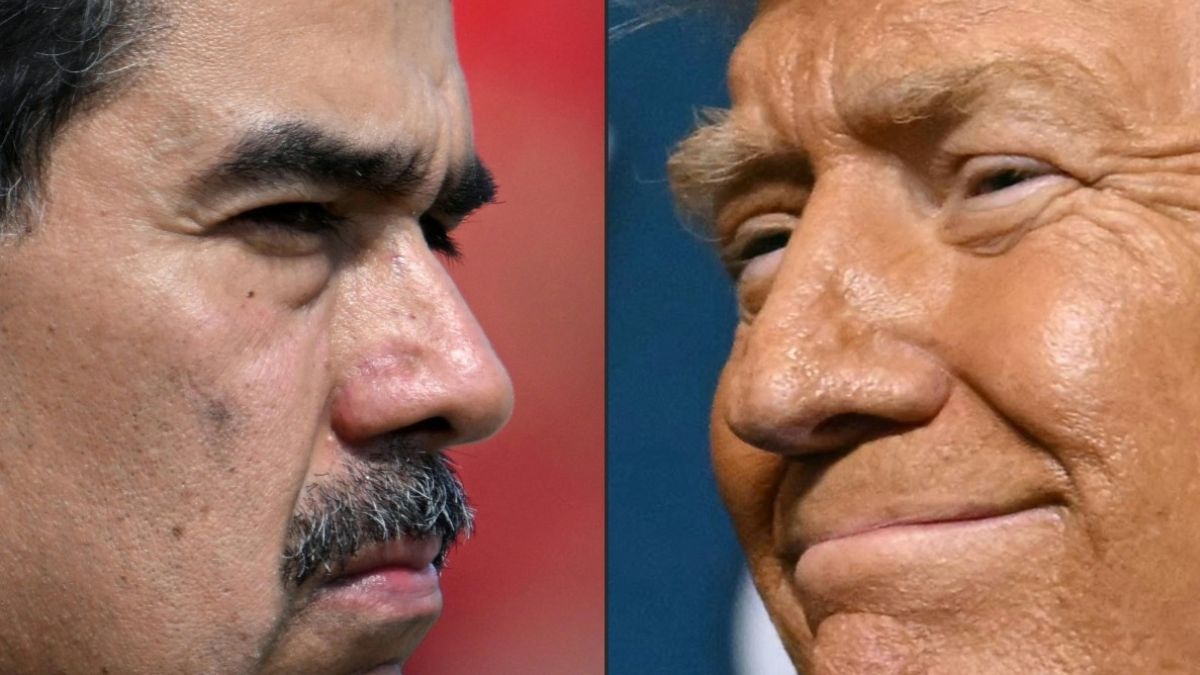 "'Wouldn’t say it went well...': Trump confirms call with Maduro amid escalating US–Venezuela tensions")
 "US envoy Witkoff heads to Moscow as Washington pushes for breakthrough in Russia–Ukraine talks")
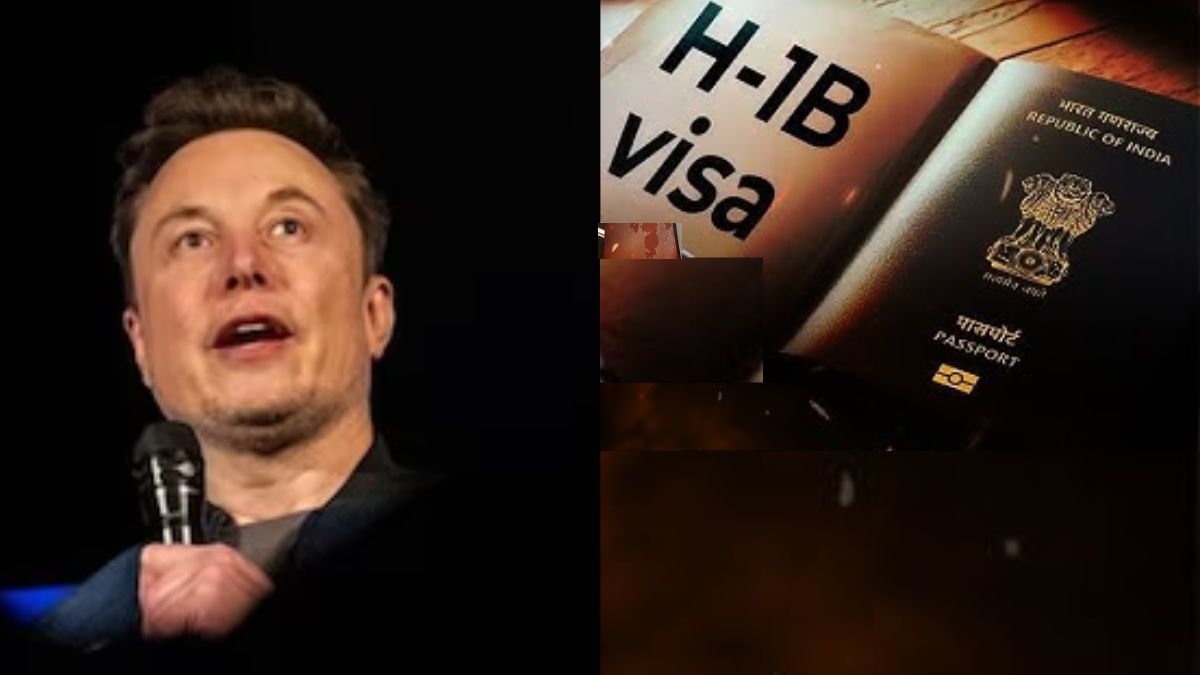 "US has greatly benefited from talented Indians over the years, says Musk on H-1B visa row")
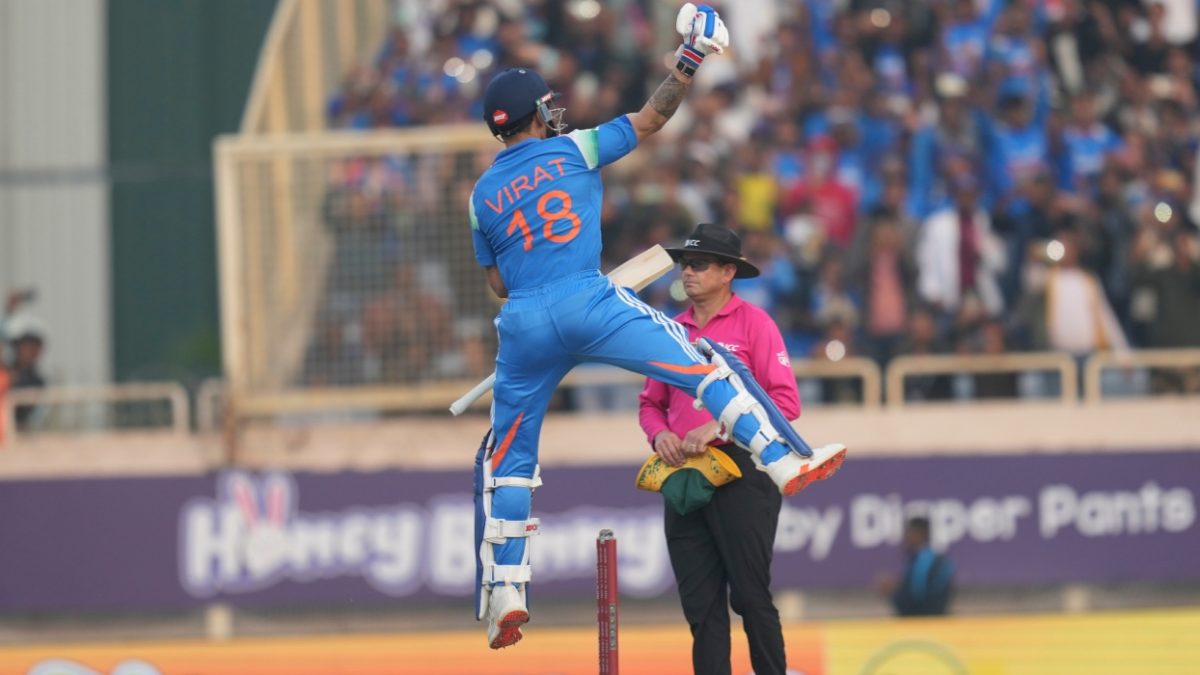 "Kohli's leap of faith: How a little change in approach took the ODI GOAT to century No 52")
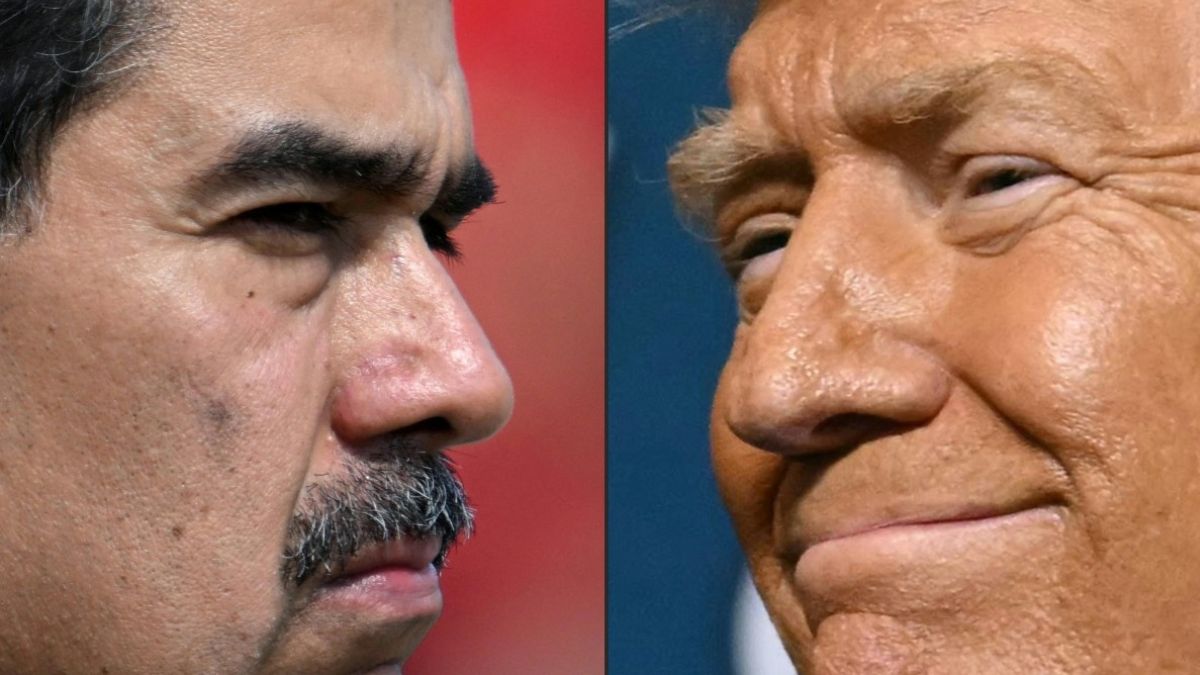 "'Wouldn’t say it went well...': Trump confirms call with Maduro amid escalating US–Venezuela tensions")
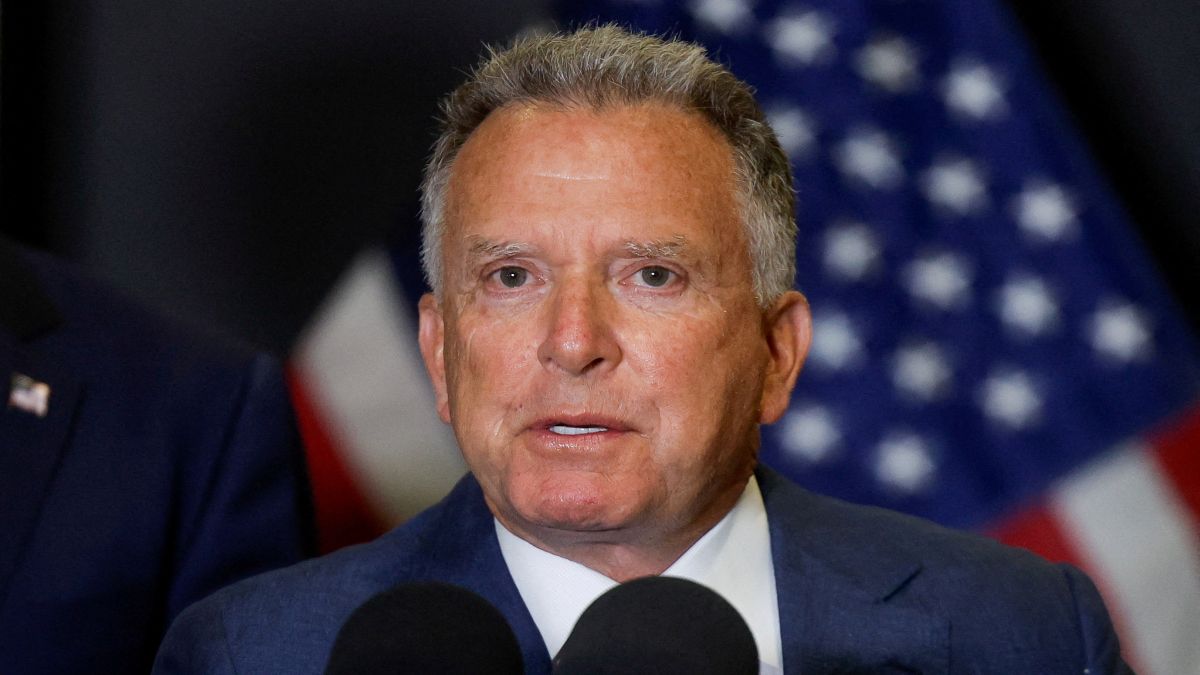 "US envoy Witkoff heads to Moscow as Washington pushes for breakthrough in Russia–Ukraine talks")
 "US has greatly benefited from talented Indians over the years, says Musk on H-1B visa row")
 "Kohli's leap of faith: How a little change in approach took the ODI GOAT to century No 52")



