

 "Syrian opposition feels 'let down' by US-Russia deal on chemical weapons")
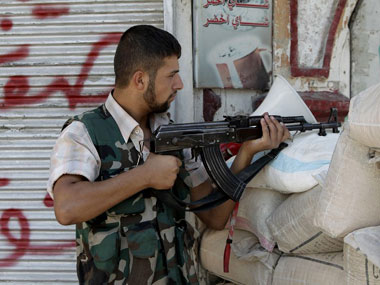
Amman: The Syrian opposition feels badly let down by Washington’s decision to do a deal with Moscow to eliminate Bashar al-Assad’s chemical weapons but diplomats are warning the Syrian National Coalition that it risks losing Western support if it cannot adapt to new realities. [caption id=“attachment_1122605” align=“alignleft” width=“380”] 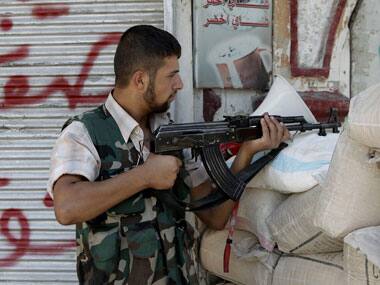 Representational image of a Syrian rebel. AFP image[/caption] The rift that has alienated the Syrian opposition from the United States threatens to derail international efforts to end the two and a half year civil war, diplomatic and opposition sources said. It comes as the war has turned into a something of a stalemate on the battlefield and the rebels had been looking to the United States to tilt the balance in their favour by intervening militarily to punish Assad for using chemical weapons. The behind the scenes dispute, in which Saudi Arabia and Turkey appear to be siding with the opposition, developed last week as the United States and Russia made their deal to destroy Assad’s chemical arsenal following a nerve gas attack on rebel areas of Damascus that killed hundreds, the sources said. The agreement, from which the United States hopes a wider political settlement can emerge, has reduced the likelihood of a U.S. strike on Assad’s forces that the opposition had hoped would weaken him militarily and force him to attend a planned new peace conference. The opposition is therefore furious that Washington suddenly and without its knowledge changed course a week after informing leaders of the main Syrian National Coalition that a strike was imminent, according to coalition members. In the opposition’s view, the deal with Russia contains a de facto admission of the legitimacy of the Assad government, undermining the goal of Syrian uprising and the likelihood that any peace talks will result in Assad’s removal. U.S. President Barack Obama said this week that while it was still his goal to “transition” Assad out of power, dealing with his chemical weapons would come first. Diplomats who monitored a major opposition meeting in Istanbul at the weekend said a lack of flexibility by the coalition in the way it deals with the changing diplomatic priorities, as spelled out by Obama, could rob the opposition of Western support. The Arab- and Western-backed Free Syrian Army needs what friends it can get as it struggles to deal with mounting chaos in rebel areas. Al Qaeda-linked groups, ostensibly opposed to the Assad government, are also fighting against the mainstream Syrian rebels and have even defeated FSA units. The worsening outlook for the opposition, and the rift with Washington, became clear at its meeting in Istanbul, when U.S. diplomats did not show up. Western diplomats who were there criticised the opposition’s clumsily negative reaction to the chemical weapons deal, which has been largely supported by the international community. “The coalition just has to make the right noises and realise that there is a big powers game going on,” one diplomat said. “They cannot ignore that the removal of Assad’s chemical weapons is a good thing and the people in Ghouta are probably sleeping better now,” the diplomat said, referring to the site of the August 21 chemical attack. “Otherwise our parliaments will not keep giving us the mandate to support the Syrian opposition forever. We’re already having to convince lawmakers that not every other Syrian is an al Qaeda member.” A senior opposition official acknowledged that the coalition’s meeting, which concluded on Monday, did not come up with any new strategy. The opposition was still reeling from the U.S.-Russian deal, which he described as “slap in the face” for the coalition. “The Americans did not even bother to send a single diplomat to inform us what they were doing with the Russians,” the opposition official said. “The Gulf States cannot say it openly but there is a tendency developing to ignore the Americans and a big gap now between the Americans on one side and the Saudis, the Turks and the Emiratis. Even Qatar is not pleased with the deal, as if the problem was chemical weapons, not the Assad regime,” he added. Gulf countries have been the main financial backers of the opposition, providing weapons to rebel brigades via Turkey. In a further sign of difficulties with Washington, the coalition elected moderate Islamist Ahmad Tumeh as provisional prime minister, shortly after U.S. Secretary of State John Kerry called coalition president Ahmad Jarba and asked him not to pursue the issue for now, coalition sources said. Under Tumeh, a 48-year-old dentist who has served time in Assad’s jails for defending human rights, a provisional government set up by the opposition would clash with the big powers’ plans for a transitional administration. On Sunday, the coalition issued a declaration all but denouncing the Russian-U.S deal, saying it had already encouraged Assad to order massive bombing of rebel areas. The deal undermined the proposed Geneva peace talks because it “gave the regime an opportunity to regroup militarily”, the statement said. With the opposition increasingly reluctant to go to Geneva, Russian Foreign Minister Sergei Lavrov said it was time to force them to attend. But senior coalition member Anas Al-Abdah said the opposition cannot go to Geneva without Assad honouring an earlier plan brokered by former U.N. envoy Kofi Annan. This includes releasing political prisoners, withdrawing heavy weapons from cities and allowing peaceful protests – conditions diplomats say could bring down Assad. In early sign of difficulties ahead, Assad’s foreign minister, Walid Moualem, said in June the authorities were ready to form a government of national unity but would not “head to Geneva to hand over power to another side”, in an indication that Assad was not planning to give up control. Western diplomats based in the Middle East said while the West shared the opposition’s concern that Assad was not serious about a political settlement, the coalition could not ignore the United States and just depend on the Gulf for support. “The opposition needs to realise that the United States is ready to strike at the first sign of Assad reneging. They need to develop a strategy. They cannot just think they are the only game in town and the United States cannot move without them,” a Western official said. Fawaz Tello, a veteran opposition campaigner, said that if it is to be credible, the opposition needs to answer the big questions: What would a Syria without Assad look like, how should it handle the humanitarian crisis, and how can it unite the military struggle against Assad. “The opposition is behaving like a husband reacting to being cheated on by his wife. This is not strategy,” Tello said. Reuters
The Syrian opposition feels badly let down by Washington’s decision to do a deal with Moscow to eliminate Bashar al-Assad’s chemical weapons but diplomats are warning the Syrian National Coalition that it risks losing Western support if it cannot adapt to new realities
Advertisement
End of Article
Written by FP Archives
see more


 "Russian drones over Poland: Trump’s tepid reaction a wake-up call for Nato?")
 "As Russia pushes east, Ukraine faces mounting pressure to defend its heartland")
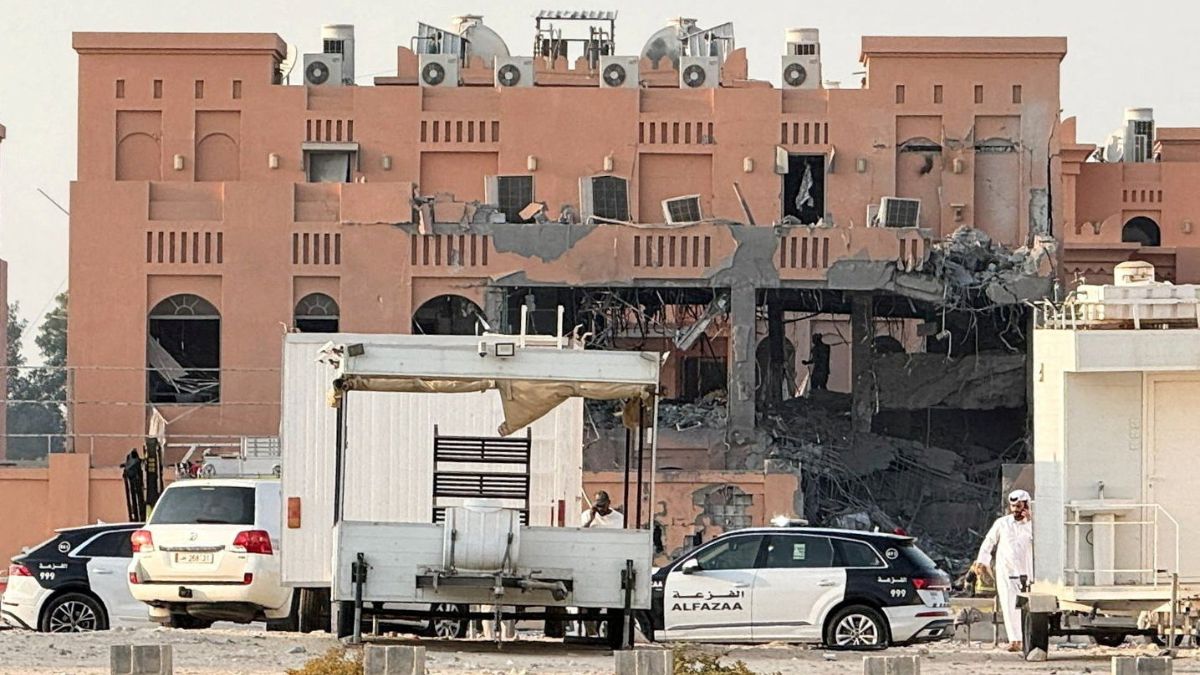 "Why Mossad was not on board with Israel’s strike on Hamas in Qatar")
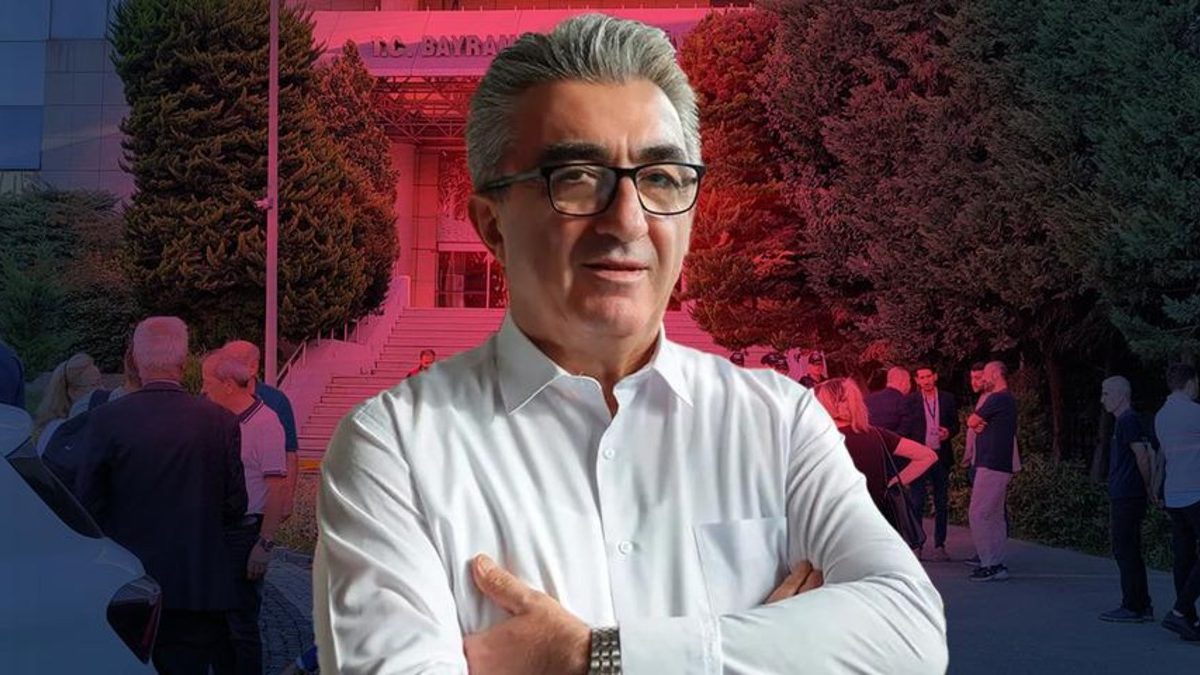 "Turkey: Erdogan's police arrest opposition mayor Hasan Mutlu, dozens officials in corruption probe")
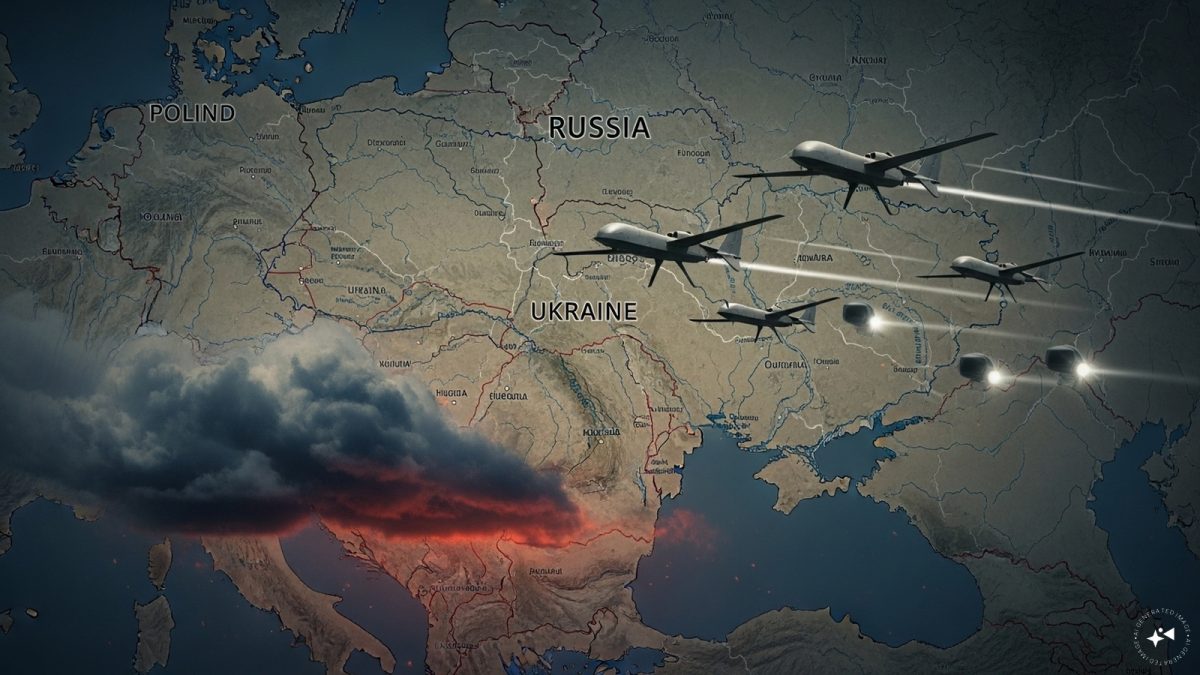 "Russian drones over Poland: Trump’s tepid reaction a wake-up call for Nato?")
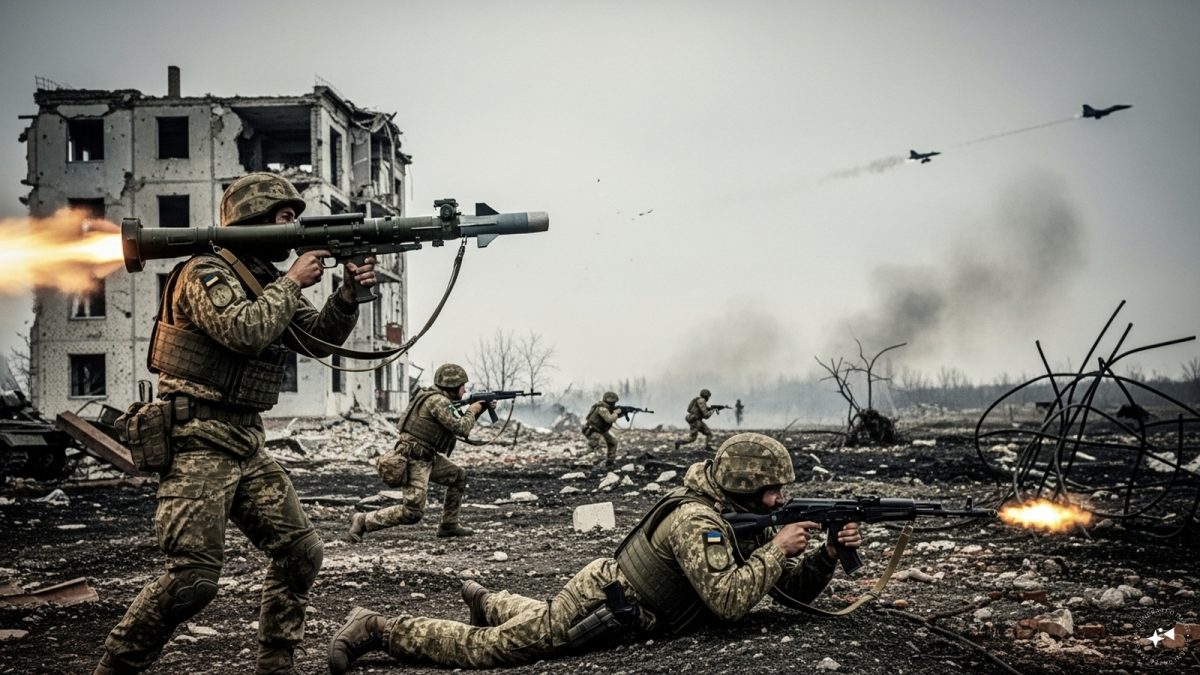 "As Russia pushes east, Ukraine faces mounting pressure to defend its heartland")
 "Why Mossad was not on board with Israel’s strike on Hamas in Qatar")
 "Turkey: Erdogan's police arrest opposition mayor Hasan Mutlu, dozens officials in corruption probe")



](https://images.firstpost.com/wp-content/uploads/2013/09/syrian-rebel-arms_AFP8.jpg)