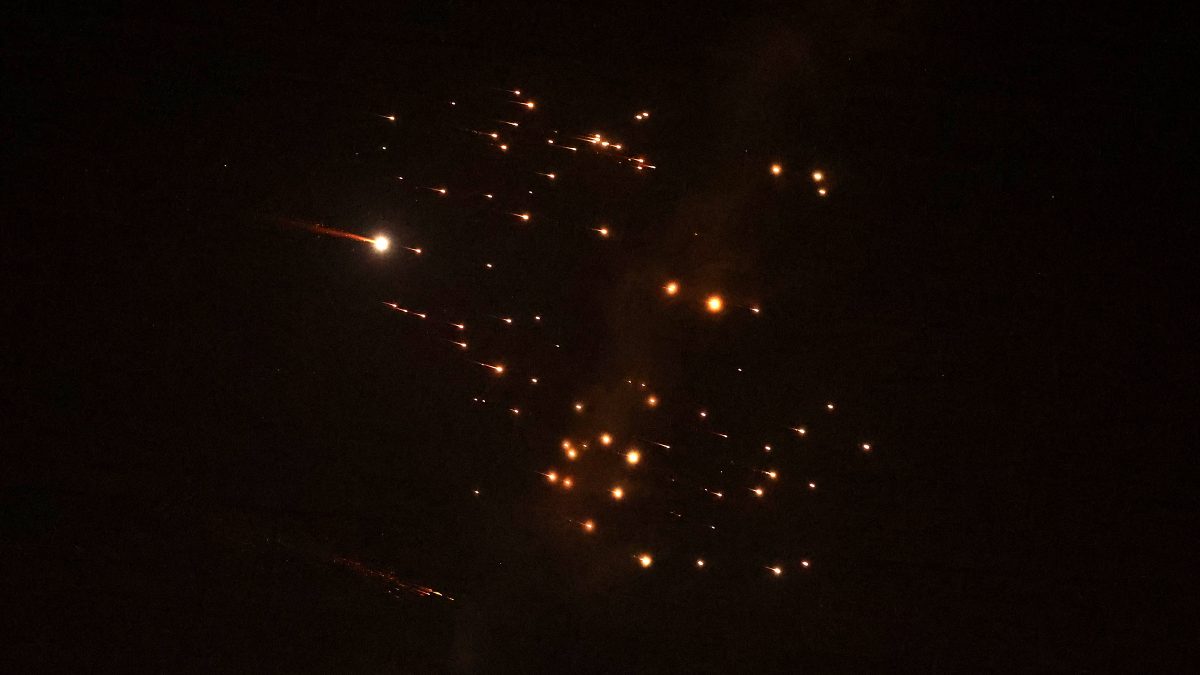
 "Strikes from Beirut to Bekaa intensify crisis as war enters 19th day")
As the conflict in West Asia deepens, Israeli air strikes hit multiple locations across Lebanon, including a central neighbourhood in Beirut, following evacuation warnings.
Lebanon’s National News Agency reported that a building in Bashoura, in the heart of Beirut, was struck, with smoke rising shortly after residents were told to leave the area.
The attack formed part of a wider wave of strikes across the country on Wednesday, which killed at least 20 people and wounded 24, according to Lebanon’s Ministry of Public Health.
At least six people were killed in Beirut alone, with dozens more injured.
In eastern Lebanon’s Bekaa Valley, at least four people were killed after four houses in the town of Sahmar were targeted.
Lebanon’s state media also reported strikes in Tyre and nearby Al-Burj Al-Shamali during the early hours.
Widespread destruction in residential areas
Al Jazeera correspondent Zeina Khodr reported heavy bombardment across several regions, including central Beirut.
Standing near a 15-storey building that had been hit, she said the lower floors had been targeted earlier, but the latest strike completely destroyed the structure.
“You can see the widespread damage across this whole neighbourhood,” she said.
Israel’s military claimed the building had been used by Hezbollah to store cash.
Ground operations and evacuation warnings
Israel said it had launched what it described as limited ground operations in southern Lebanon, alongside issuing evacuation notices for residents in four towns near the Zahrani River and the Tyre area, urging them to move north immediately.
Since the offensive began on March 2, at least 912 people have been killed in Lebanon, including 111 children, and more than 2,200 have been wounded, according to official figures.
Quick Reads
View AllMore than one million people have been displaced from their homes.
The United Nations warned that attacks on residential buildings and civilian infrastructure may constitute war crimes under international humanitarian law.
A spokesperson for the UN human rights office said deliberately targeting civilians or civilian objects “amounts to a war crime”, adding that large-scale displacement orders could also violate international law.
Hezbollah response and conditions
Hezbollah’s secretary general, Naim Qassem, outlined conditions for ending the conflict, including a halt to Israeli attacks, the return of displaced people, the release of detainees held over the past two years and a withdrawal of Israeli forces.
Khodr said Hezbollah remained active in southern Lebanon, attempting to repel Israeli advances and prevent further territorial gains.
Conflict rooted in wider escalation
The conflict was triggered on February 28 after US and Israeli forces killed Iran’s Supreme Leader Ali Khamenei in Tehran, prompting Hezbollah to launch rockets into northern Israel on March 2.
Since then, Israeli strikes have killed more than 2,000 people across Iran and Lebanon.
German Chancellor Friedrich Merz warned that Israel’s ground offensive in Lebanon was an “error” that could worsen an already severe humanitarian situation.

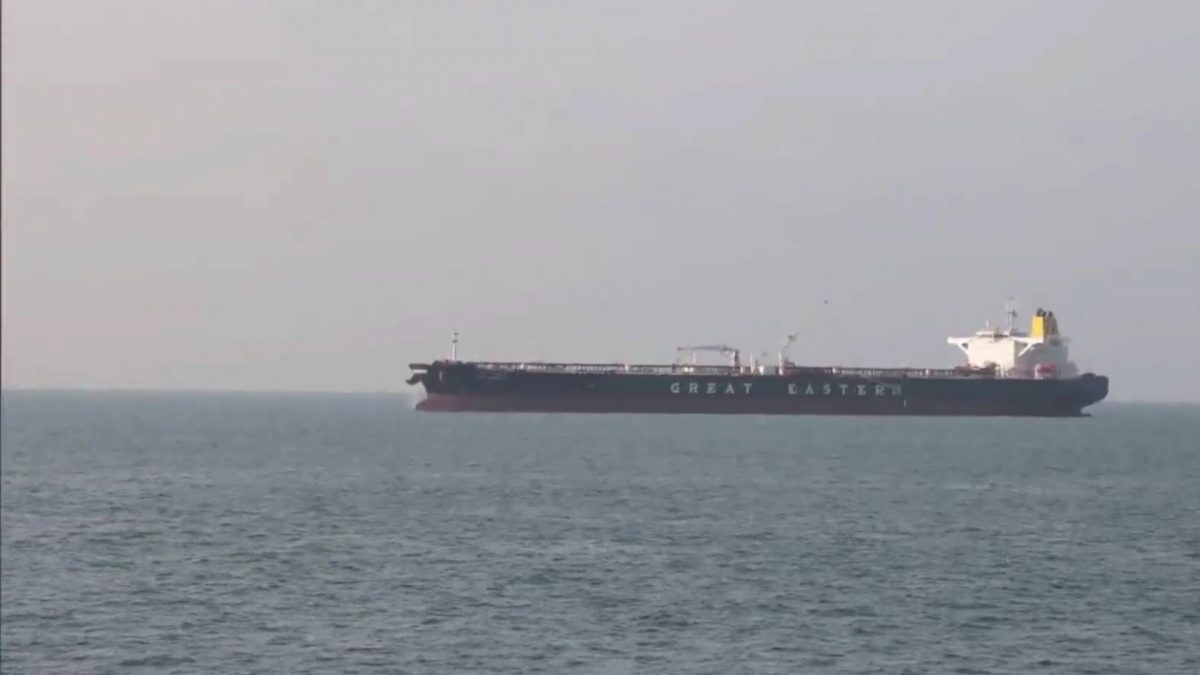 "Iran War Live Updates: Indian-flagged crude oil tanker 'Jag Laadki' arrives at Mundra port")
 "'Not our war': Why Europe refuses to join Trump in Iran conflict")
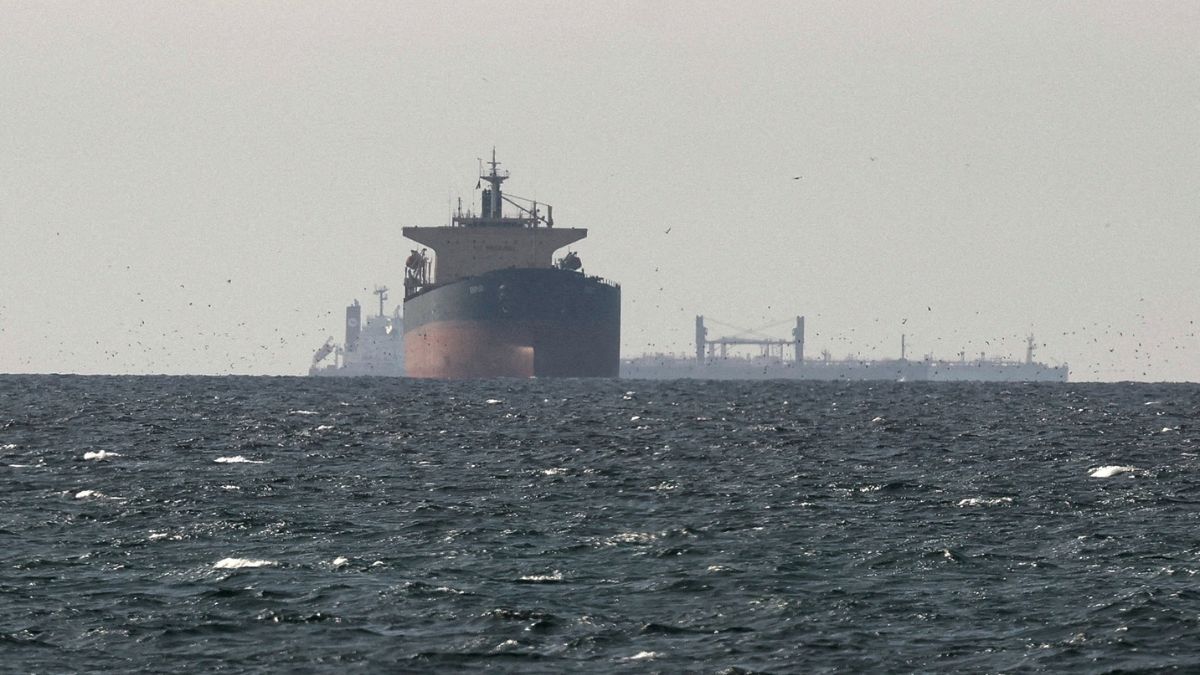 "Iran allowing more ships through Strait of Hormuz, including Indian, data shows")
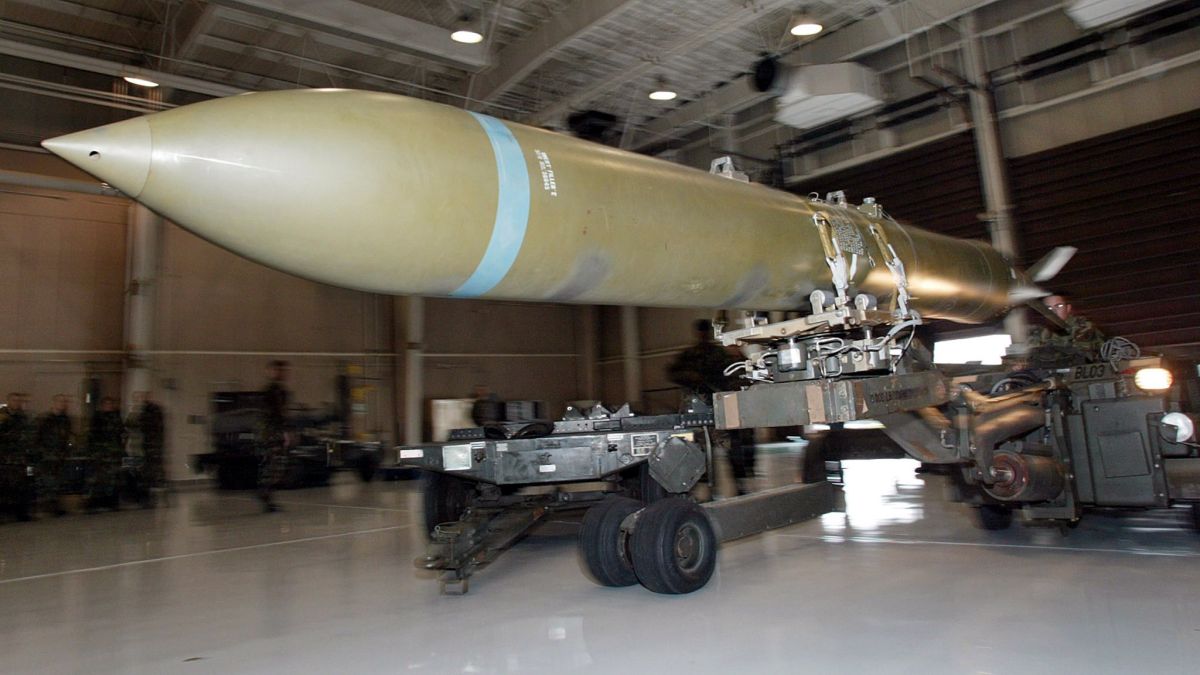 "How deadly are the 5,000-pound bunker-busting bombs that US fired near Strait of Hormuz?")
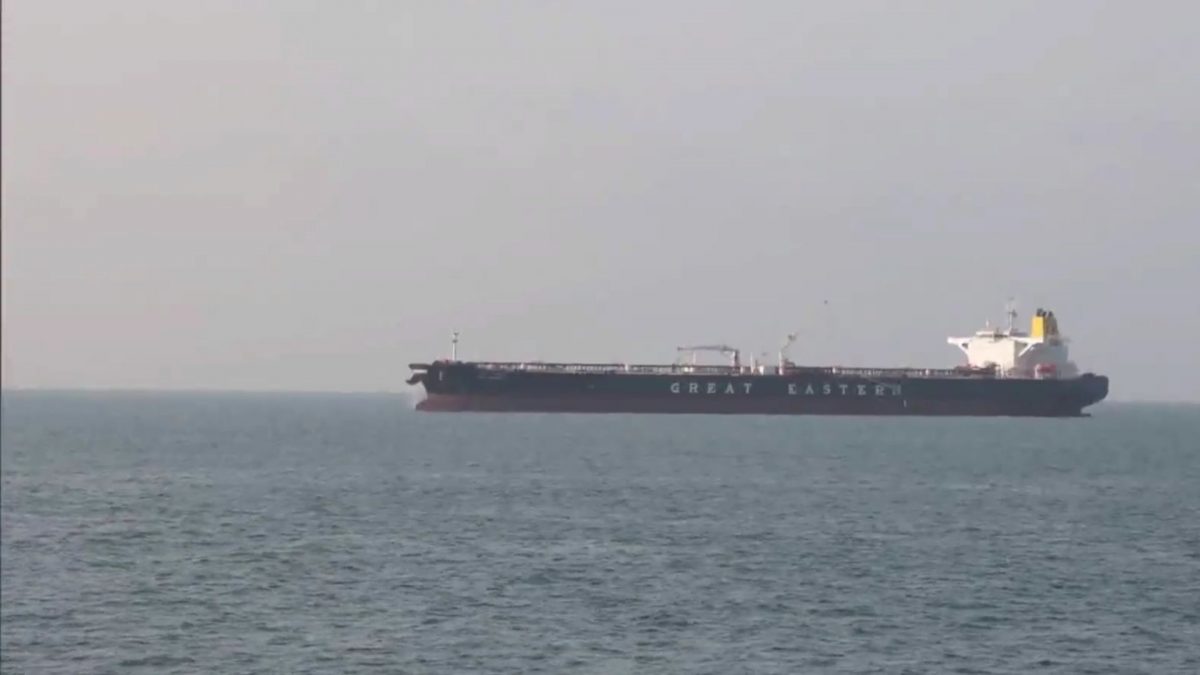 "Iran War Live Updates: Indian-flagged crude oil tanker 'Jag Laadki' arrives at Mundra port")
 "'Not our war': Why Europe refuses to join Trump in Iran conflict")
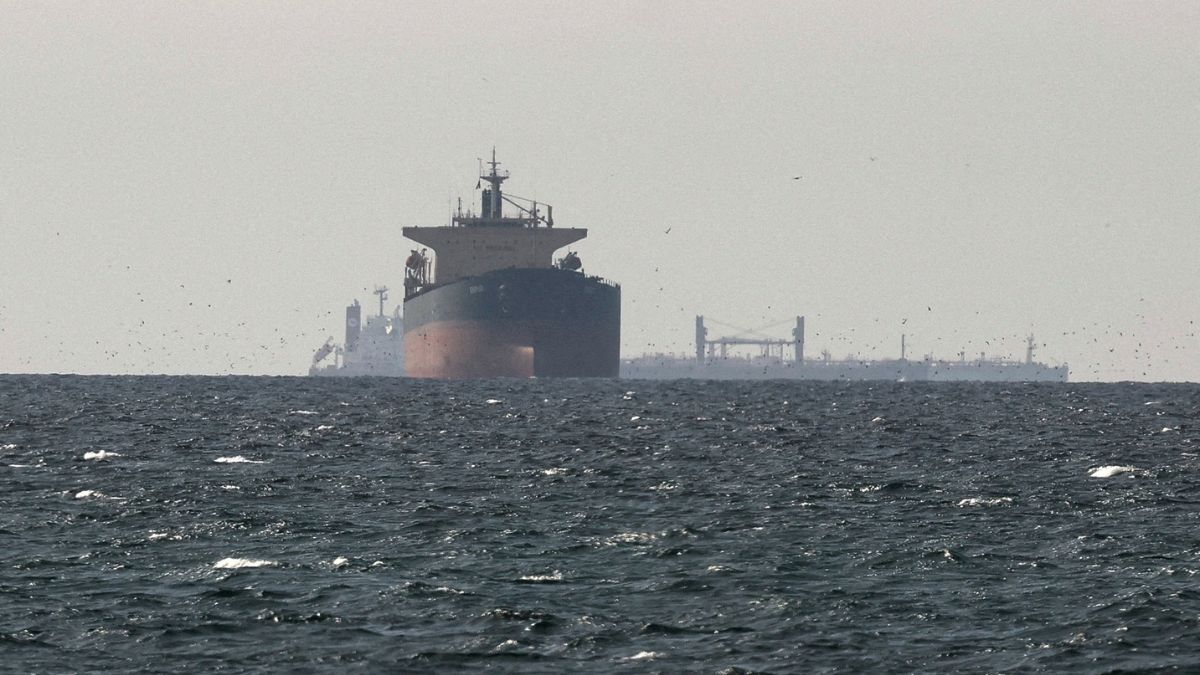 "Iran allowing more ships through Strait of Hormuz, including Indian, data shows")
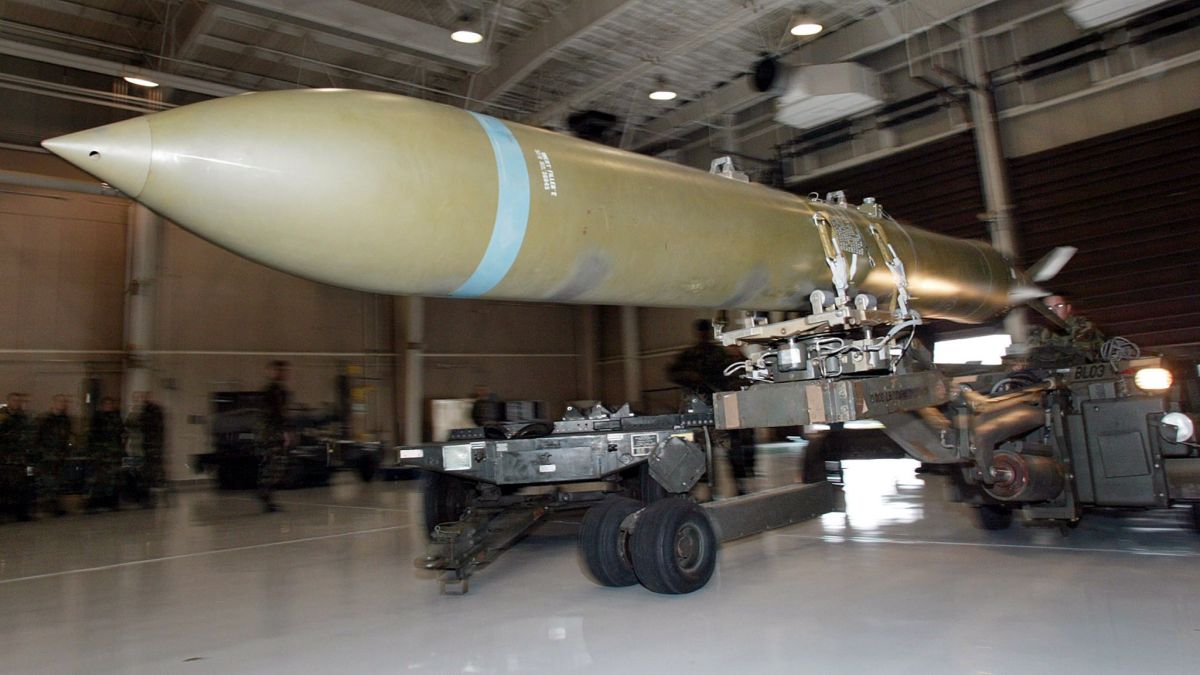 "How deadly are the 5,000-pound bunker-busting bombs that US fired near Strait of Hormuz?")