

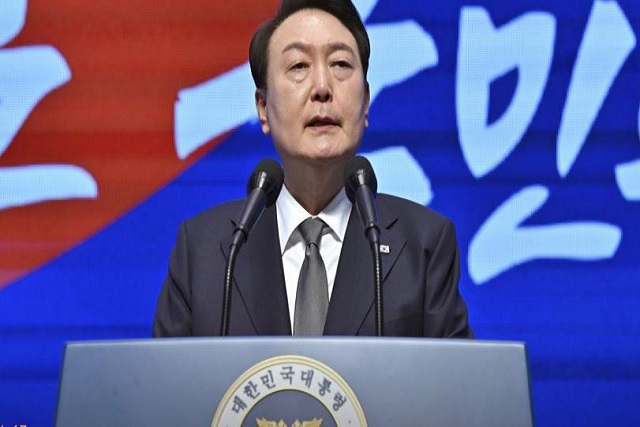
 "South Korea President Yoon Suk Yeol rails against domestic critics as ‘communists’")
South Korean President Yoon Suk Yeol’s labelling of critics as “communist totalitarian and anti-state forces” may rouse his conservative base and divert attention away from concerns about some of his policies, but it risks dividing and alienating other people. With the continued threat from apparently communist North Korea and Cold War-era legislation that effectively restricts actions believed connected to communism, the designation of communist has larger risks in South Korea than in many Western democracies. Yoon’s words and the heightened public debate on communism come as his support ratings are falling and political tensions are building ahead of an April general election. They also come at a time of a noticeable shift in Seoul’s foreign policy as Yoon pushes for trilateral cooperation with the US and Japan despite lingering public unease with Tokyo over historical issues, said Kevin Gray, a professor at the University of Sussex. “There is a legitimacy problem for Yoon in the sense that the gap between popular opinion in South Korea and what is being pursued internationally is increasing," Gray said. “He has decided to take an approach not of trying to convince people but to label the opposition as being somehow an anti-state, communist totalitarian force.” In a speech earlier this month, Yoon said South Korea’s freedom is “under constant threat” from “communist totalitarian and anti-state forces” who are critical of South Korea’s deepening ties with the US and Japan. “The forces of communist totalitarianism have disguised themselves as democracy activists, human rights advocates and progressive activists,” Yoon said in another speech for Liberation Day last month. The liberal opposition party, which controls the National Assembly but is in disarray amid corruption charges against its leader, has criticised Yoon for wasting his term on an “ideological war” that deepens political divides and does nothing to address real problems. “The president keeps emphasizing the threat from communist forces which don’t exist,” a spokesperson for the Democratic Party said at a briefing last week. The presidential office declined to comment on Yoon’s description of critics of his policies as “communists”. Sinking approval ratings Yoon’s disapproval ratings stood at 59%, according to a Gallup poll released on Friday, up from 37% when elected last year. Foreign policy, the government’s economic management and stance on Japan’s Fukushima wastewater release were the leading issues. Given his low approval ratings, analysts say labelling his opponents as communists may still be useful for Yoon to hold onto his party’s conservative base. Andrew Yeo, a senior fellow at the Brookings Institution, said the legacy of the Korean War and North Korean infiltration into the South means “red-baiting” is still effective in demonising opponents. Earlier this year, four former officials at the Korean Confederation of Trade Unions, the biggest umbrella union in the country, were charged over links to North Korean spies and violating the National Security Act. “Unfortunately, such tactics only deepen political divides, contributing to nationalist polarisation,” Yeo said. Benjamin Engel, a research professor at Seoul National University, said Yoon’s approach risks alienating some more moderate voters. “During his campaign, Yoon often used the phrase ‘uniting the people.’ But his recent policies, rhetoric, and appointments suggest he is moving away from uniting the people. The result will be some people who may have voted for him last year now feel alienated,” Engel said. The ‘New Right’ movement Yoon has aligned himself with the ‘New Right’ movement which offers a more “charitable” view of the country’s authoritarian past and its link to the Japanese colonial period, Yeo said. Rhee Jong-hoon, a Seoul-based political commentator, sees Yoon’s more right-wing approach as being influenced in part by his late father who studied in Japan and once took part in a signature campaign linked to the New Right movement. “Yoon has perhaps always warmed to and sympathised with the figures who his father had hung out with and are associated with the New Right movement,” Rhee said. “It would be difficult to imagine (his move) being driven without his own deeply rooted conviction,” Rhee said.
In a speech earlier this month, Yoon said South Korea’s freedom is ‘under constant threat’ from ‘communist totalitarian and anti-state forces’ who are critical of South Korea’s deepening ties with the US and Japan
Advertisement
End of Article


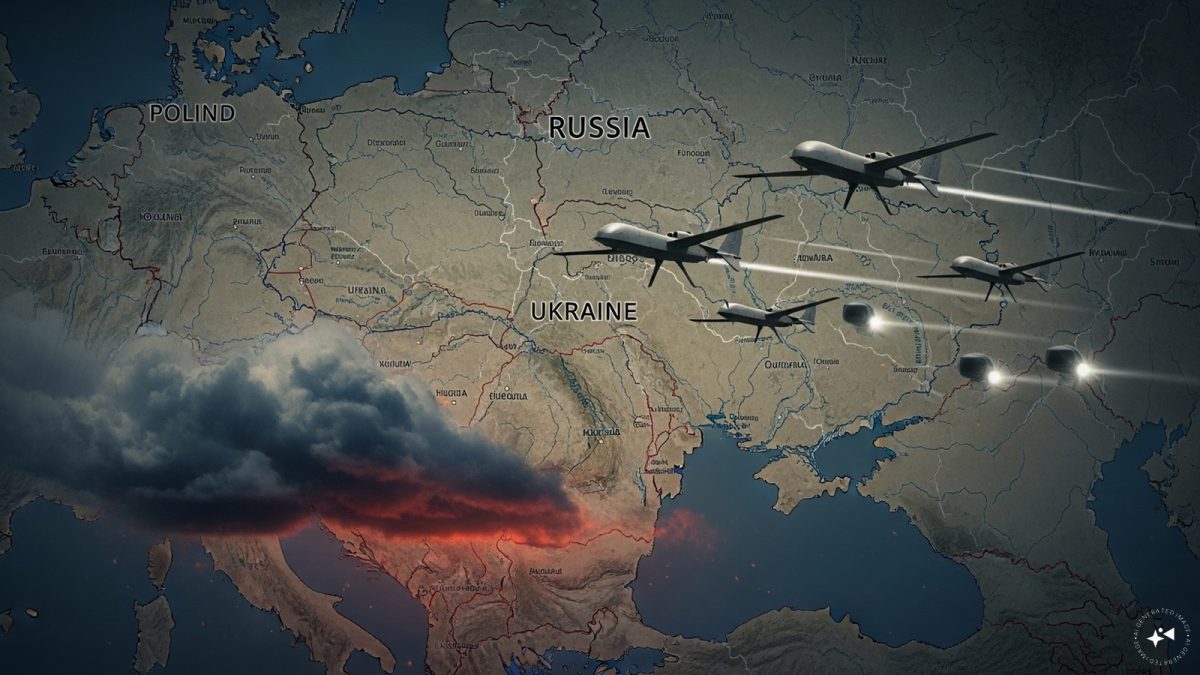 "Russian drones over Poland: Trump’s tepid reaction a wake-up call for Nato?")
 "As Russia pushes east, Ukraine faces mounting pressure to defend its heartland")
 "Why Mossad was not on board with Israel’s strike on Hamas in Qatar")
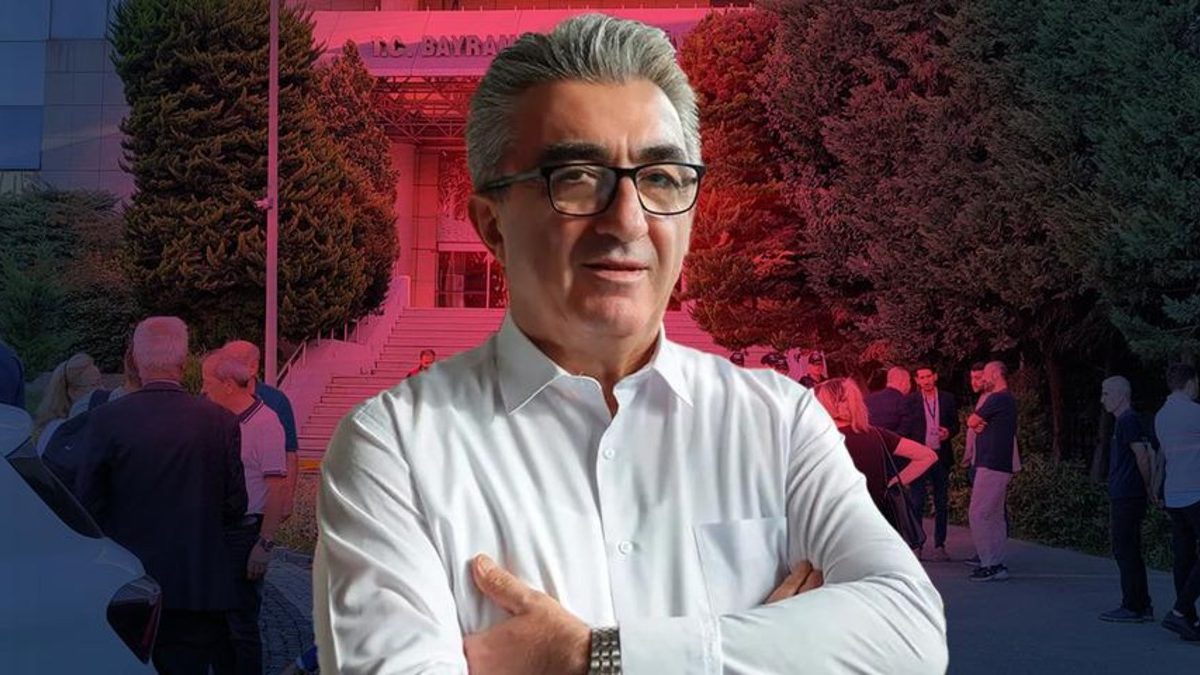 "Turkey: Erdogan's police arrest opposition mayor Hasan Mutlu, dozens officials in corruption probe")
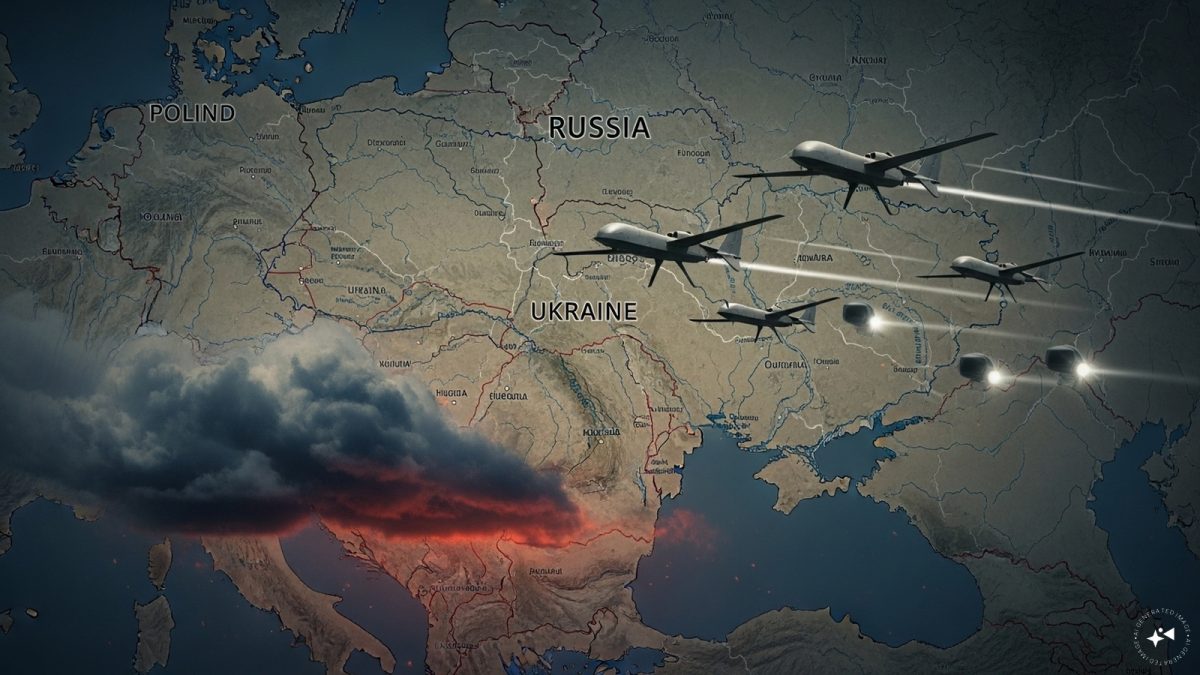 "Russian drones over Poland: Trump’s tepid reaction a wake-up call for Nato?")
 "As Russia pushes east, Ukraine faces mounting pressure to defend its heartland")
 "Why Mossad was not on board with Israel’s strike on Hamas in Qatar")
 "Turkey: Erdogan's police arrest opposition mayor Hasan Mutlu, dozens officials in corruption probe")



