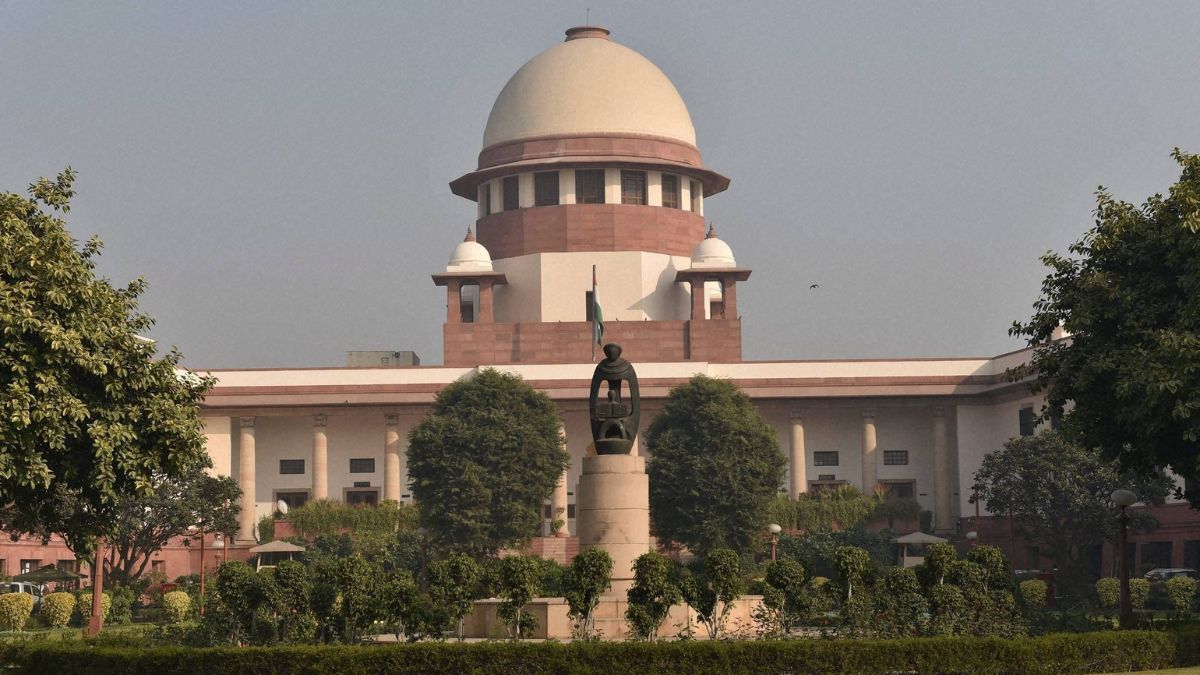
 "A view of Supreme Court of India building in New Delhi. (Photo: PTI)")
The Supreme Court collegium has set a record by interviewing at least 50 candidates in just two days this week – the highest number of face-to-face interactions ever held at one time for high court appointments. This marks a clear shift toward assessing candidates’ personalities rather than relying only on their paper records.
The interviews took place even though the Supreme Court is officially in its summer recess, making the scale of this effort particularly significant.
Top 3 justice helds ono-on-one meet
On Tuesday and Wednesday, Chief Justice of India (CJI) Bhushan R Gavai, along with Justices Surya Kant and Vikram Nath — the top three judges of the court — held detailed one-on-one meetings with judicial officers and lawyers recommended for appointments to high courts in states including Madhya Pradesh, Punjab and Haryana, Patna, and Rajasthan.
According to people familiar with the matter, the collegium chose to conduct these personal interviews in addition to the usual vetting process, which includes reviewing candidates’ judicial work, getting inputs from the Intelligence Bureau, and considering the opinions of the chief minister, governor, and the law ministry.
“These interactions go beyond looking at records on paper and help the collegium understand a candidate’s personality, temperament, and overall suitability,” one person involved told the Hindustan Times.
A change amid criticism for the process
Though the top court has occasionally faced criticism for bias and nepotism in appointments — with allegations that children of justices often find places in the judiciary — the new emphasis on interviews aims to bring a more holistic assessment to the process.
The collegium system has long been criticised for being opaque and lacking transparency, as its decisions are made behind closed doors without publicly disclosed reasons. Critics argue that the absence of clear, written criteria allows subjectivity and potential bias to influence selections, raising concerns about favouritism and lack of accountability. The system has also been blamed for delays and prolonged vacancies in the judiciary, affecting the timely delivery of justice.
The move fits with CJI Gavai’s push to keep the court partially functioning even during vacation periods. In the past few weeks, two or three benches have continued working five days a week to handle urgent matters. Judges have also used the summer break to write judgments and prepare for future cases.
Impact Shorts
More ShortsNow, administrative tasks like collegium work are also being carried out during the recess. “The message is that work in the Supreme Court doesn’t stop just because of the court calendar. The institution wants to maintain momentum even during breaks,” said another source.
The current push for interviews follows a practice revived late last year under then CJI Sanjiv Khanna, who began personally interviewing candidates for high court positions. The revival came amid concerns about judicial conduct, especially after Justice Shekhar Kumar Yadav of the Allahabad High Court made controversial comments targeting the Muslim community in December 2024, sparking widespread criticism.
At that time, the collegium — including Justices Gavai and Kant — realised the need for a deeper understanding of a candidate’s temperament and views beyond written records.
This latest round of interviews is larger and shows that personal interviews are now becoming a core part of how the collegium evaluates potential judges. It also comes after controversy involving Justice Yashwant Varma of the Delhi High Court, who faced allegations of large sums of cash found in his home after a fire in March. Following the incident, then CJI Khanna started proceedings for Justice Varma’s removal, citing the seriousness of the charges.
Importantly, the judges leading these interviews — CJI Gavai, and Justices Surya Kant and Vikram Nath — are not only current leaders but also the next two CJIs in line, ensuring consistency in the court’s approach to appointments in the years ahead.
During the interviews, candidates were reportedly asked questions about constitutional principles, their views on legal issues, and their sense of ethics and responsibility.
Collegium lacks transparency, a better approach needed: critics
The collegium system has often been criticised for being secretive and lacking transparency because its decisions are made behind closed doors without publicly explained reasons.
Critics say that without clear, written rules, the process can be influenced by personal opinions and bias, raising concerns about favouritism and lack of accountability.
The system has also been blamed for delays and leaving many judicial posts vacant, which affects how quickly justice is delivered. There are also worries about limited diversity among judges and the absence of external oversight, which gives too much power to the judiciary and often creates friction with the executive branch.