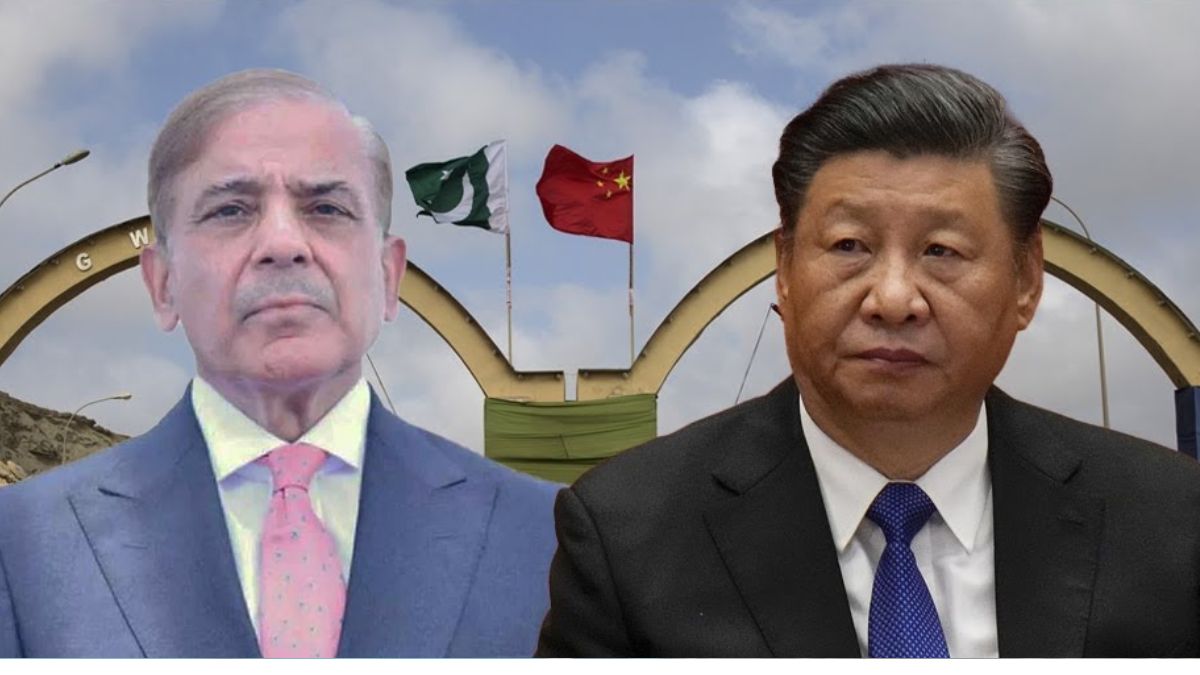
 "'All-weather' allies Pakistan and China are looking to create a separate grouping. File image")
China and Pakistan are in advanced talks to create a new regional grouping aimed at replacing the long-defunct South Asian Association for Regional Cooperation (Saarc), in what diplomats and analysts see as a strategic effort to reshape South Asia’s geopolitical landscape and reduce India’s centrality in the region.
According to a report in Pakistan’s Express Tribune, discussions between Beijing and Islamabad have moved forward significantly in recent months. Both sides are reportedly convinced that a new platform is needed to promote regional integration, connectivity, and trade, amid the continued paralysis of Saarc due to the India-Pakistan conflict.
What is the proposal?
Express Tribune cited sources as saying that the idea is to form an alternative regional organisation by bringing together former Saarc members such as Bangladesh, Sri Lanka, the Maldives, Nepal, Bhutan and Afghanistan, but under new leadership, with China playing a key role and India relegated to the periphery.
A recent trilateral meeting in Kunming between China, Pakistan and Bangladesh was described as part of the diplomatic groundwork for this initiative. While Bangladesh publicly denied that any alliance was in the making, calling the meeting “not political”, the move has raised eyebrows in New Delhi and other Saarc capitals.
“We are not forming any alliance,” Bangladesh’s foreign affairs adviser M Touhid Hossain said following the meeting, though diplomatic sources cited by the newspaper suggested otherwise.
The proposed bloc, while still in the planning stages, would focus on improving regional trade corridors, infrastructure connectivity, and economic cooperation — themes that align with China’s Belt and Road Initiative (BRI), in which Pakistan is a key participant through the China-Pakistan Economic Corridor (CPEC).
Why now?
Saarc, founded in 1985, has been effectively dormant since 2014, when the last summit was held in Kathmandu. The 2016 summit, scheduled to be held in Islamabad, was cancelled after India pulled out in response to the terror attack on an army camp in Uri, which it blamed on Pakistan-based militants. Several other members — Bangladesh, Bhutan and Afghanistan — also withdrew support, citing the “prevailing circumstances,” making it impossible for the summit to proceed.
Since then, Saarc’s relevance has sharply declined. India has increasingly turned to other platforms like BIMSTEC (Bay of Bengal Initiative for Multi-Sectoral Technical and Economic Cooperation), which excludes Pakistan, to engage with its eastern neighbours. Meanwhile, Pakistan and China have deepened bilateral and multilateral cooperation to counterbalance India’s growing clout in Indo-Pacific groupings like the Quad.
Impact Shorts
More ShortsWill India be invited?
According to Express Tribune, India may be formally invited to join the new grouping. However, analysts view this as a diplomatic gesture unlikely to translate into meaningful participation, given the forum’s likely alignment with China and Pakistan’s strategic priorities.
Countries like Sri Lanka, Maldives and Afghanistan are expected to be more amenable to the new bloc, particularly if it offers economic incentives or infrastructure support.
While the initiative has yet to be officially announced, Indian officials are likely to view it as a bid to create a China-led counterweight to India’s influence in the region– a reversal of Saarc’s original vision, where India played a dominant role.
The move adds a new layer of complexity to South Asian geopolitics, coming at a time when India is expanding its strategic partnerships in the Indo-Pacific and pushing back against China’s assertiveness on its borders and beyond.
With inputs from agencies