

 "Russian women speak up for soldiers' return in growing grassroot protests")
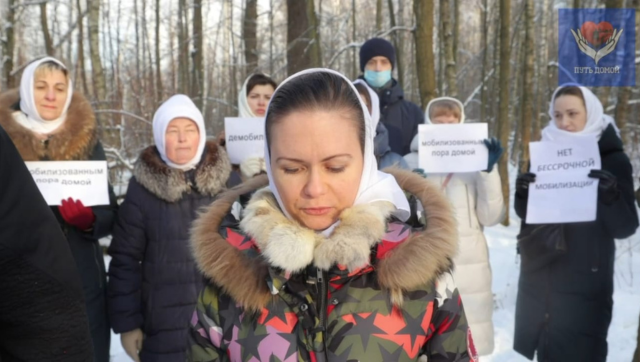
In snowy Russia, a group of women wearing white headscarves is raising their voices against Vladimir Putin’s choices in the Ukraine conflict. Led by Maria Andreeva, these women, mostly wives and mothers of 300,000 Russian men sent in September 2022, are getting stronger in a growing people’s movement. According to a BBC report, Andreeva, a key figure in this emerging movement, argues for “total demobilisation” and questions the government’s decision to send men who led peaceful lives to Ukraine. This grassroots initiative gained momentum after officials announced no troop rotation, prompting these women to voice their concerns through open letters and public demonstrations. In a shift reminiscent of past female-led protests in Russia, these wives and mothers are organising through platforms like Telegram. The movement, primarily coordinated on the channel “Put Domoy” (The Way Home), has garnered over 35,000 members since its inception in September. The Kremlin faces a delicate situation as these women, not aligned with the traditional anti-Kremlin movement, raise concerns within Putin’s core support base. Despite their grievances, the authorities have refrained from harsh measures, opting to ignore their pleas in state media and rejecting rally permits. While Putin engaged with mothers of soldiers in a carefully orchestrated meeting, some in the movement dismiss it as a “political show.” Offers of money to silence louder voices within the group were rejected, emphasizing the depth of their commitment. Initially avoiding direct criticism of Putin, the movement’s language has hardened over time, expressing a sense of betrayal and challenging the official narrative on the war. As the conflict’s second anniversary approaches, the movement reflects the growing unease in the country about the war’s handling. The women’s dissatisfaction extends beyond the war itself; they feel ignored not only by the Kremlin but also by society. As Russia indulges in holiday preparations, these women grapple with the hardships of having loved ones on the frontlines. The movement poses a challenge for the Russian leadership as the option of a new mobilization, potentially bringing soldiers home, remains unpopular. The Kremlin’s past actions during the conflict have strained the social contract with the Russian people, leading to public discontent and unrest. While it’s too early to gauge the movement’s impact on a regime known for suppressing dissent, the women’s anger highlights the underlying discontent within the country and challenges Putin’s portrayal of a united society supporting the war effort. Andreeva and others remain determined to continue their protests, signaling a shift from compliance to resistance.
Wives and mothers are organising these protests through platforms like Telegram. The movement, primarily coordinated on the channel “Put Domoy” (The Way Home), has garnered over 35,000 members since its inception in September
Advertisement
End of Article


 "Russian drones over Poland: Trump’s tepid reaction a wake-up call for Nato?")
 "As Russia pushes east, Ukraine faces mounting pressure to defend its heartland")
 "Why Mossad was not on board with Israel’s strike on Hamas in Qatar")
 "Turkey: Erdogan's police arrest opposition mayor Hasan Mutlu, dozens officials in corruption probe")
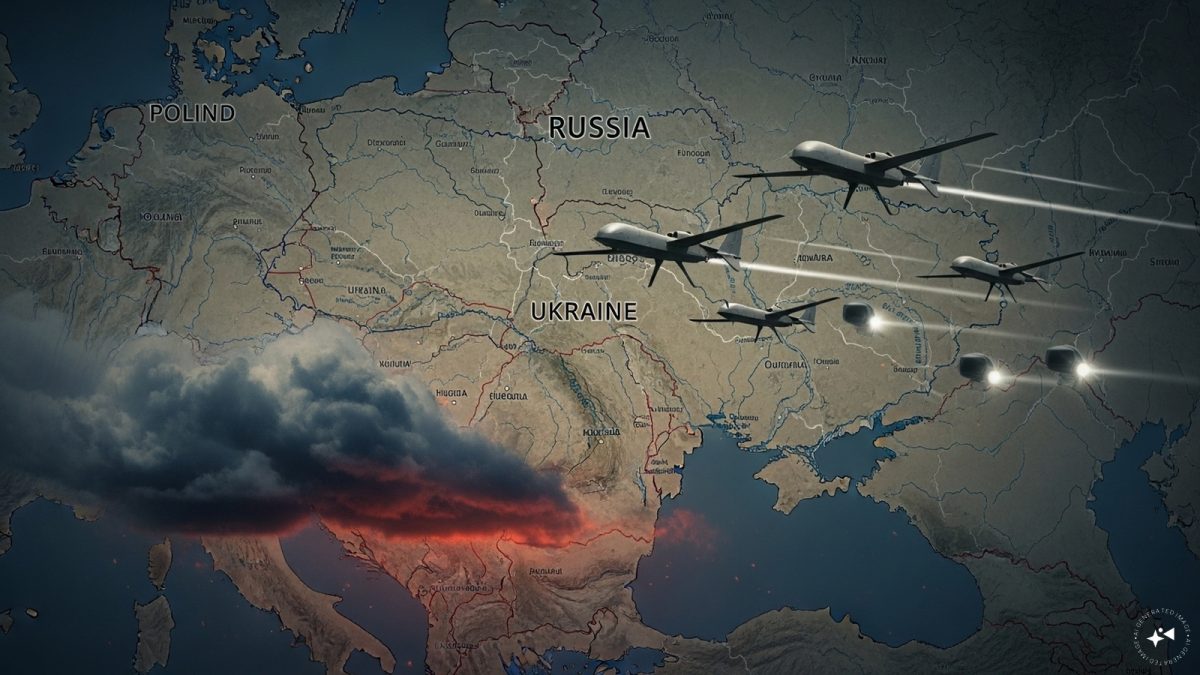 "Russian drones over Poland: Trump’s tepid reaction a wake-up call for Nato?")
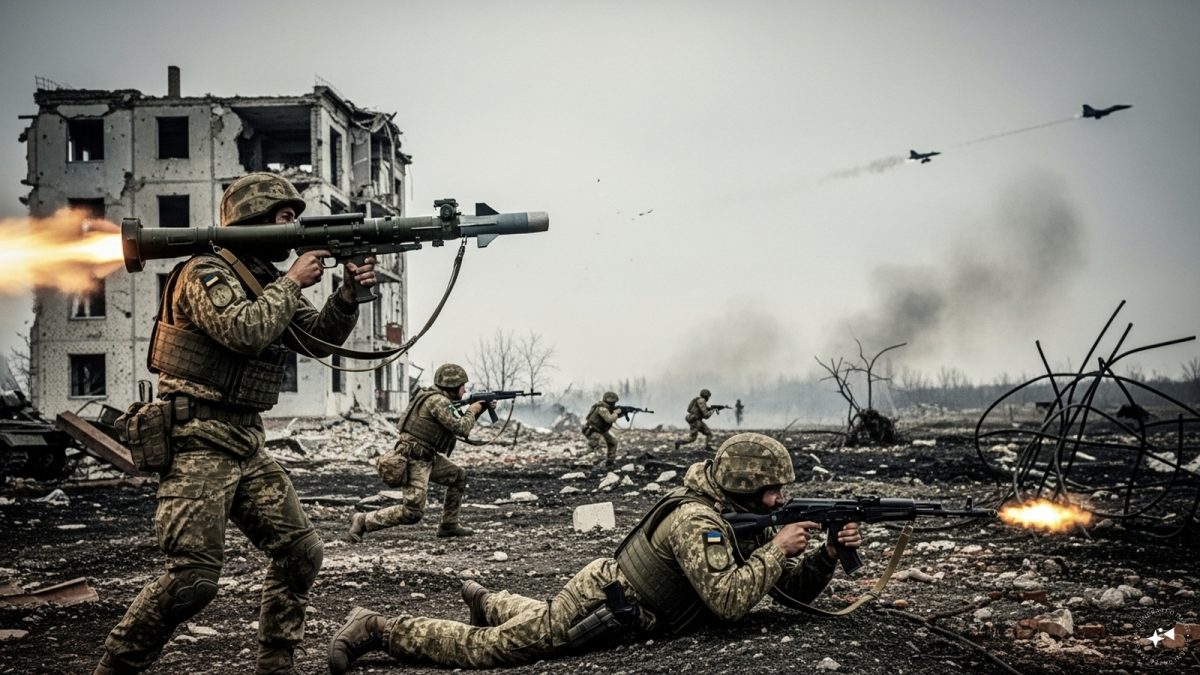 "As Russia pushes east, Ukraine faces mounting pressure to defend its heartland")
 "Why Mossad was not on board with Israel’s strike on Hamas in Qatar")
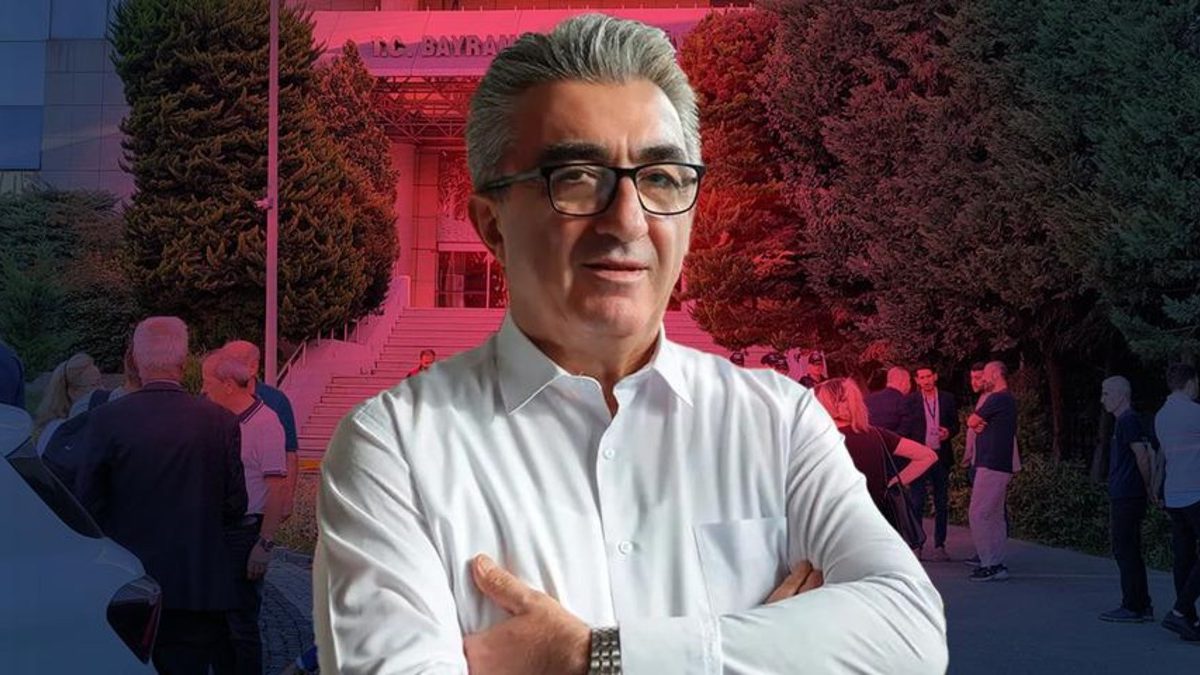 "Turkey: Erdogan's police arrest opposition mayor Hasan Mutlu, dozens officials in corruption probe")



