

 "'Ritual without much substance': India on UNSC annual report debate")
India on Wednesday said that the debate on the United Nations Security Council (UNSC) annual report has become a “ritual without much substance” as the report merely contains details of the meetings, briefers, and outcome documents.
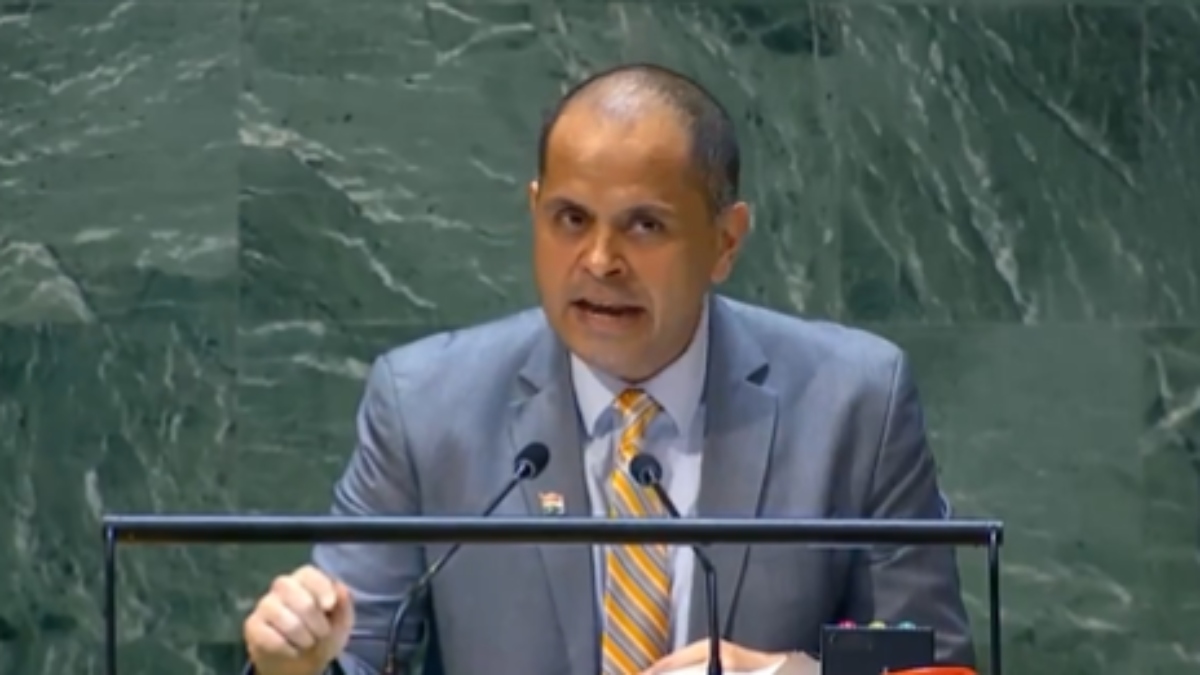
Addressing the UN General Assembly, Pratik Mathur, the Minister at India’s Permanent Mission to the United Nations, said the annual report of the Security Council must inform, highlight and analyse the measures that it has decided upon or taken to maintain international peace and security during the reporting period.
“However, the debate on the annual report has become a ritual without much substance. The annual reports have become compendium containing details of the meetings, briefers, and outcome documents. Last year, only six monthly reports were compiled - reflecting lack of interest among the members about this ritual,” he added.
New York: Pratik Mathur, Minister, India's Permanent Mission to the UN, delivers India's statement at the UNGA Debate on the Annual Report of the UNSC today.
— ANI (@ANI) June 25, 2024
Source: Permanent Mission of India to the United Nations pic.twitter.com/eD1vlYpgw2
He also stressed the need for a comprehensive reform of the Security Council with expansion of both permanent and non-permanent members.
The Indian diplomat pointed out that the UN Charter bestows on the report a profound seriousness, as is evident from the fact that there exists a separate provision mandating such a report, rather than clubbing it with the provision for reports from other UN bodies.
Mathur also stated that the annual report is also meant to be an analysis on the UN peacekeeping operations, but in reality there is little information on how peacekeeping operations.
He also said there should be a definite timeline for completing the report, circulating to wider General Assembly members and holding the debate.
“The annual report, in its truest form, is also meant to be an analysis on the UN peacekeeping operations, the flagship tool for the maintenance of international peace and security. However, in reality, we find there is little information on how peacekeeping operations are run, on the problems they face, on why certain mandates are set or changed, or on when and why they are strengthened, scaled down or ended. As most peacekeepers are contributed by non-Council members, who put the lives of their troops at risk to serve the cause of international peace, a better partnership between the Security Council and the Troop Contributing Countries (TCCs) is needed,” Mathur said.
Mathur stressed the need to bring the Council in line with its Charter responsibility to act on behalf of the entire membership, adding that the only remedy is a “comprehensive reform of the Security Council,” involving expansion in its permanent and non-permanent categories.
“It is high time to bring the Council in line with its Charter responsibility to act on behalf of the entire Membership. This will not be achieved without enhancing the membership in both the categories - permanent and non-permanent members,” the Indian diplomat said.
“We remain convinced that the only remedy is a comprehensive reform of the Security Council, involving expansion in its permanent and non-permanent categories. Only this will enable the Council to manage effectively today’s conflicts around the globe as well as the increasingly complex and interconnected global challenges it faces today,” he added.
He added that the Security Council too needs to prove its credibility and improve its performance, at a time when performance assessment has become one of the focus areas at the United Nations.
“Since performance assessment has become one of the focus areas at the United Nations, the Security Council too needs to prove its credibility and improve its performance. We hope that the views and comments expressed by the Member States are given serious consideration,” he stated.
With inputs from agencies


 "Russian drones over Poland: Trump’s tepid reaction a wake-up call for Nato?")
 "As Russia pushes east, Ukraine faces mounting pressure to defend its heartland")
 "Why Mossad was not on board with Israel’s strike on Hamas in Qatar")
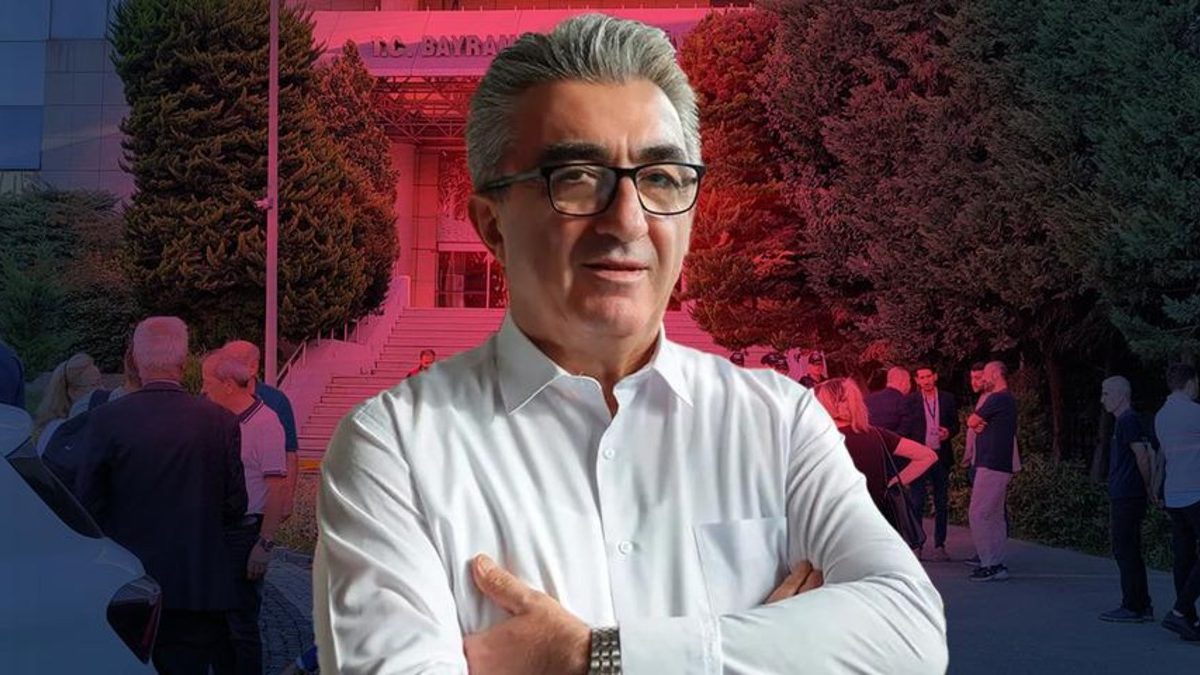 "Turkey: Erdogan's police arrest opposition mayor Hasan Mutlu, dozens officials in corruption probe")
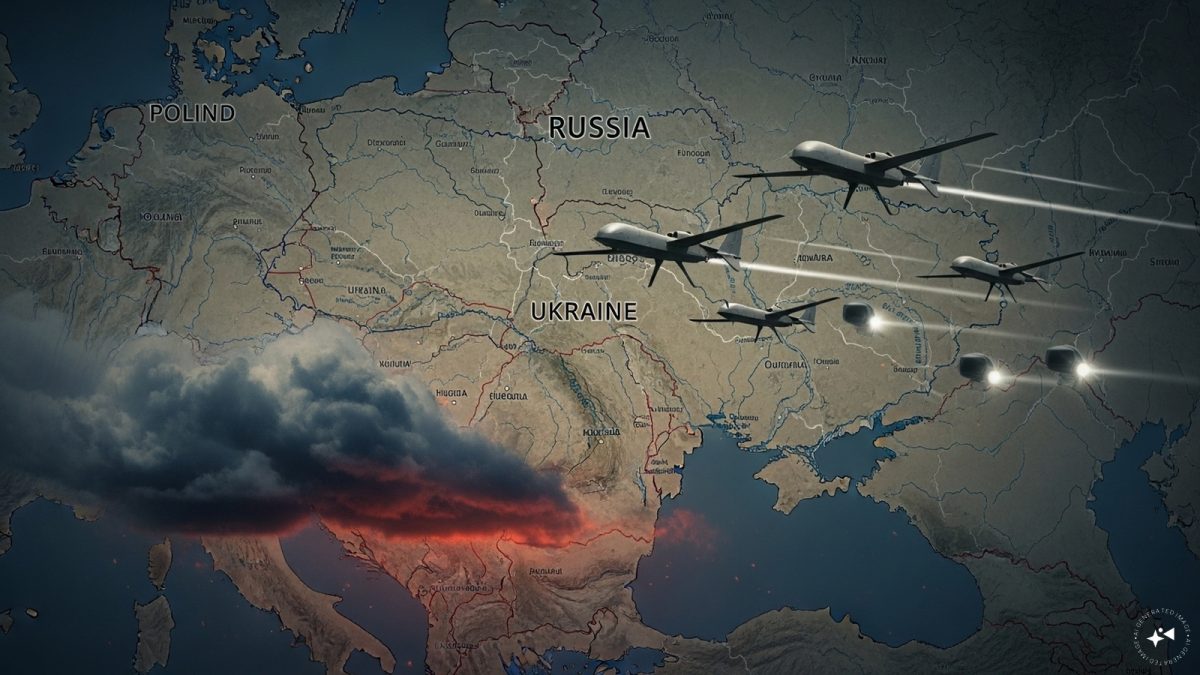 "Russian drones over Poland: Trump’s tepid reaction a wake-up call for Nato?")
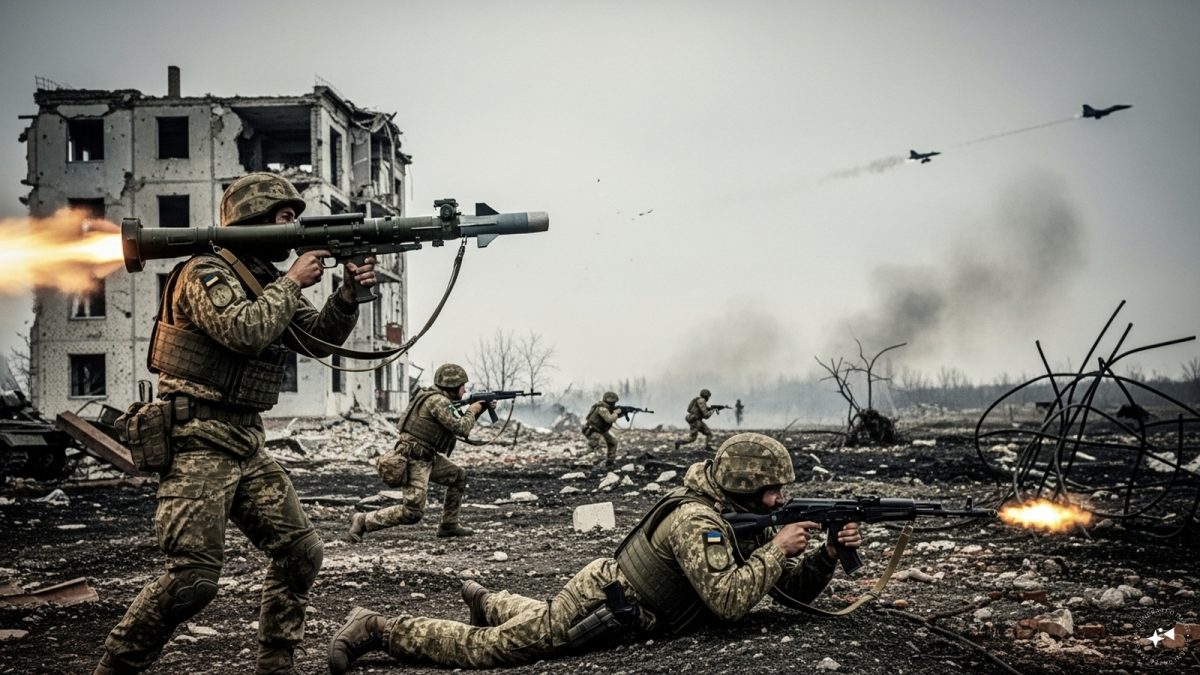 "As Russia pushes east, Ukraine faces mounting pressure to defend its heartland")
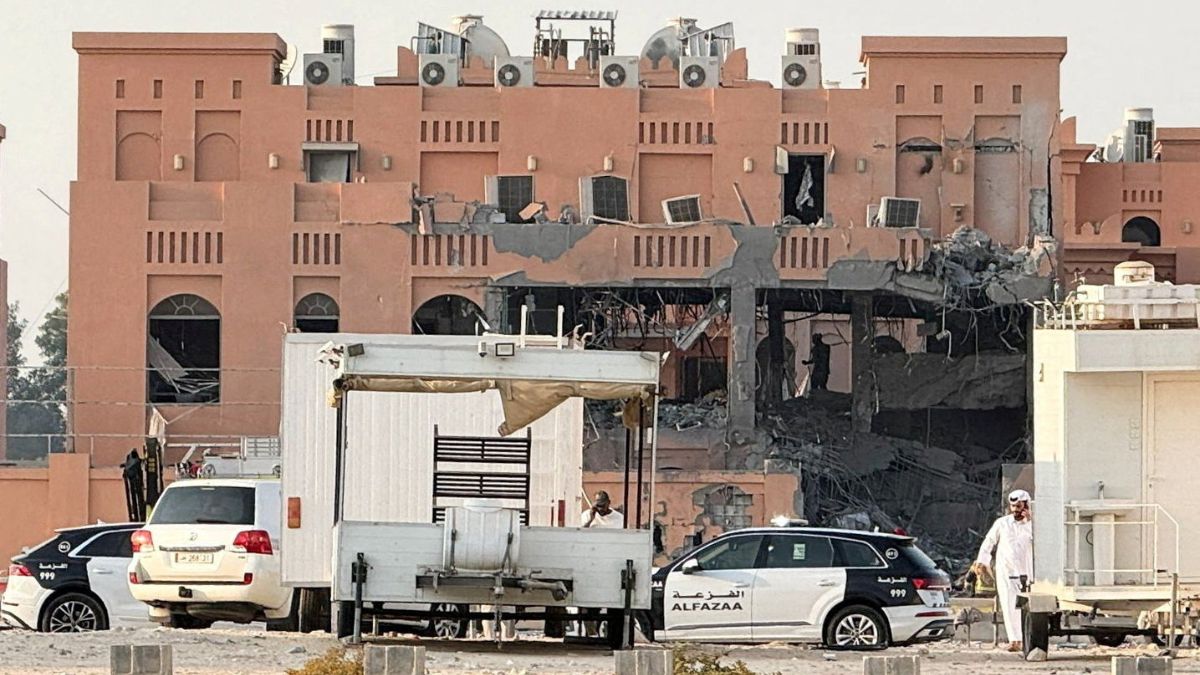 "Why Mossad was not on board with Israel’s strike on Hamas in Qatar")
 "Turkey: Erdogan's police arrest opposition mayor Hasan Mutlu, dozens officials in corruption probe")



