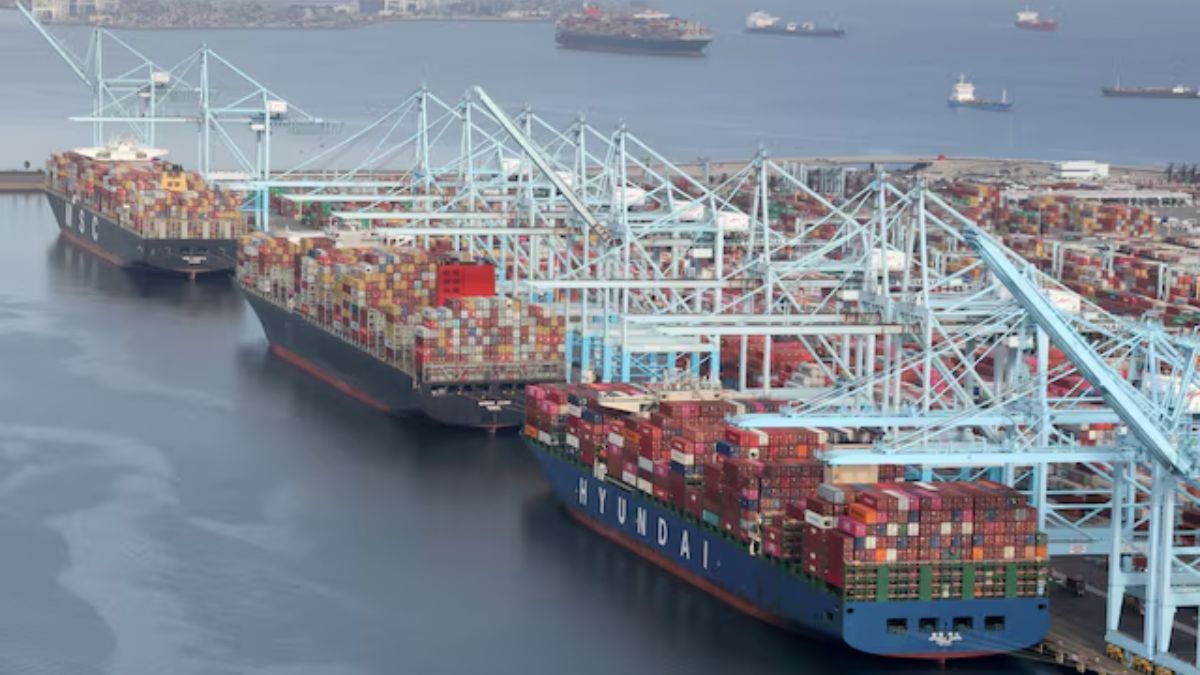
 "Representative Photo, Credit: Reuters")
Industry groups have called for urgent action to address the rising attacks on merchant shipping in the Red Sea by Yemen’s Houthi rebels. This appeal comes after the sinking of a second vessel in recent weeks, intensifying concerns over the safety of this critical trade route.
Since November, Houthi militants, aligned with Iran, have launched over 70 drone and missile strikes in the Red Sea. The Houthis claim these attacks are a show of solidarity with Palestinians in Gaza. In addition to these assaults, they have seized one ship and its crew, resulting in the deaths of at least three seafarers.
The ongoing conflict in the Red Sea threatens the security of global maritime traffic, as this region is essential for the movement of goods between Asia, Europe, and other parts of the world. The attacks have caused significant disruption and heightened risks for vessels navigating these waters.
A recent report by the US Defense Intelligence Agency acknowledged container shipping through Red Sea has declined by 90% since December over the attacks. As much as 15% of the world’s maritime traffic flows through that corridor.
The Greek-owned Tutor coal carrier attacked by Yemen’s Houthi militants in the Red Sea last week has sunk, salvagers confirmed on Wednesday. The vessel was struck with missiles and an explosive-laden remote-controlled boat, according to sources.
International naval forces have been deployed to provide mainly defensive support for ships still sailing through the Red Sea, but the attacks have increased significantly.
There have been 10 Houthi strikes so far in June compared with five in May, said Munro Anderson, head of operations at marine war risk and insurance specialist Vessel Protect, part of Pen Underwriting. Ships must divert around southern Africa, which is the best way to protect seafarers, said Stephen Cotton, General Secretary with the International Transport Workers’ Federation, the leading seafarer’s union.
Impact Shorts
More ShortsThe Houthis have launched more than 60 attacks targeting specific vessels and fired off other missiles and drones in their campaign that has killed a total of four sailors. They’ve seized one vessel and sunk two since November. A U.S.-led airstrike campaign has targeted the Houthis since January, with a series of strikes May 30 killing at least 16 people and wounding 42 others, the rebels say.
In March, the Belize-flagged Rubymar carried a load of fertilizer sank in the Red Sea after taking on water for days following a rebel attack.
According to UN Trade & Development, security threats in the Red Sea have caused a significant redirection of ship arrivals and transits culminating in far-reaching global trade and transport repercussions.
The current rerouting of ships from the Asia-Europe and Asia-Atlantic trade lanes around Africa’s Cape of Good Hope is significantly altering global shipping patterns. This shift has led to longer travel distances and increased operational costs for vessels, creating substantial supply chain pressures. For example, a ship traveling from Shanghai to Rotterdam now faces an additional 12 days of sailing time, which not only drives up costs but also contributes to extended delays.
The Red Sea crisis has exacerbated these issues, impacting African ports by causing congestion and operational challenges. The rerouting means more vessels are now calling at these ports, particularly for bunkering services. However, many African ports are not fully equipped to handle the increased volume of ship calls or accommodate larger vessels efficiently, leading to further delays and logistical challenges.
This disruption highlights the urgent need for African countries and ports to scale up their efforts in implementing trade facilitation measures. There is a pressing need to embrace digitalization and integrate green processes to alleviate port congestion and streamline the clearance of goods. These steps are crucial to managing the growing shipping traffic and ensuring that ports can handle the increased demands placed on them by the changing global shipping routes.
As the shipping industry navigates these challenges, the focus must be on enhancing the infrastructure and capabilities of African ports. This includes upgrading facilities to accommodate larger vessels and increasing efficiency through technological advancements. By doing so, African ports can better manage the influx of ships and reduce the operational disruptions caused by the current rerouting patterns.
With inputs from agencies.