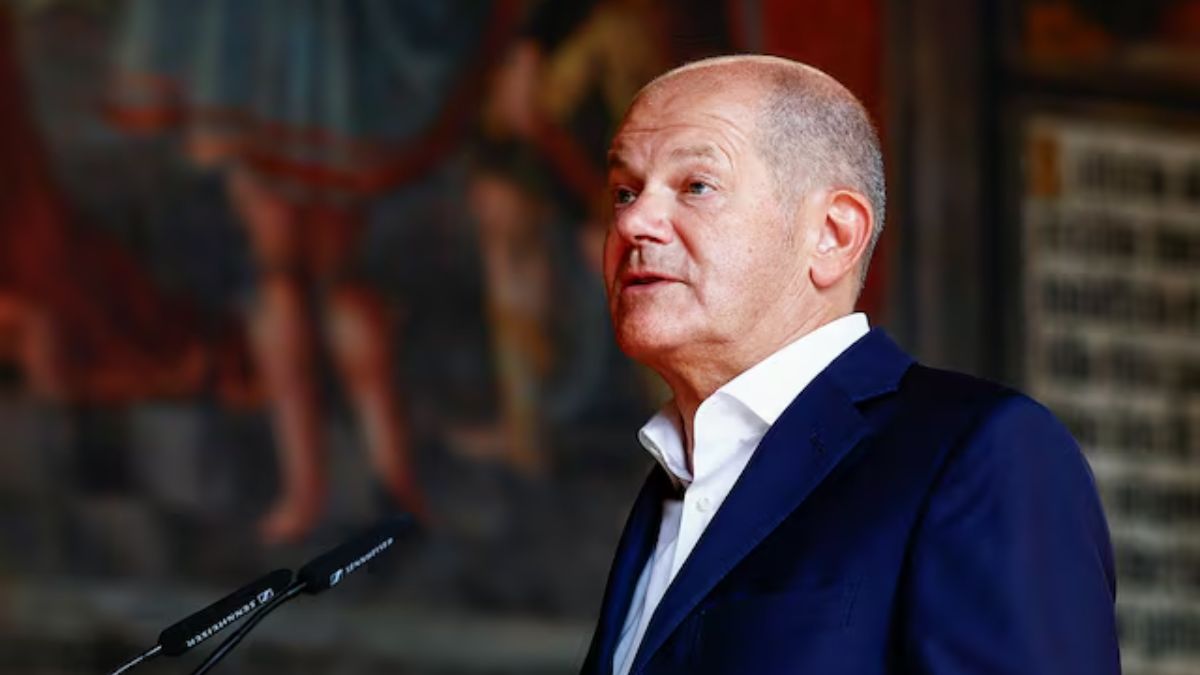
 "German Chancellor Olaf Scholz. REUTERS/File Photo")
German Chancellor Olaf Scholz is facing mounting pressure to expedite a parliamentary vote of confidence, which could trigger snap elections following the collapse of his governing coalition. This comes after two prominent Green party members urged for the confidence vote to take place in December, rather than January as initially planned by Scholz.
The Green party, which shares power with Scholz’s Social Democrats (SPD) in a minority government, made their demands known through Bild newspaper. This development has thrown Europe’s largest economy into turmoil, particularly after Scholz’s three-way coalition dissolved due to disagreements on government spending to stimulate growth and support Ukraine.
As the situation unfolds, Scholz’s leadership is under intense scrutiny. His government’s collapse significantly affects Germany’s economic and political landscape. With pressure building, how Scholz will respond to the calls for an earlier confidence vote remains to be seen.
Greens Anton Hofreiter and Irene Mihalic are the most prominent voices so far from the two parties still in power to back an earlier vote. A confidence vote is a necessary precursor to an election.
Scholz has suggested holding a vote of confidence in his government on Jan. 15, with a snap election in March, but the conservative opposition led by Friedrich Merz wants an election in January.
”Olaf Scholz should call a vote of confidence in December so that everything can be clarified before Christmas and the New Year,” Hofreiter told Bild.
Spokespeople for Scholz and the SPD did not immediately respond to a request for comment. Scholz was scheduled to speak in a nationally televised interview later on Sunday.
Impact Shorts
More ShortsScholz on Friday demanded a calm debate among Germany’s squabbling factions on setting a date for a snap election to pull the country out of its political crisis.
Scholz called on parties to first agree on what legislation could be passed in what remained of the current parliament but denied trying to ram through his own policy agenda by delaying an election.
With inputs from agencies.