

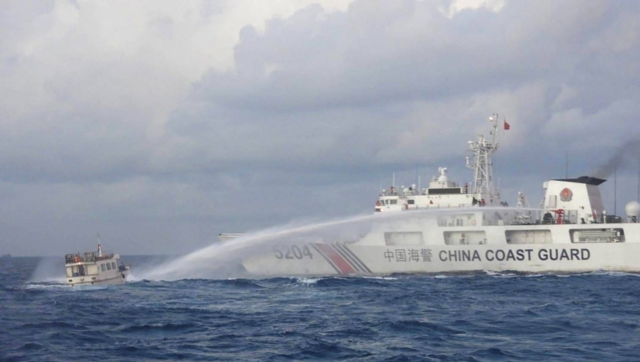
 "Philippines says military chief was aboard ship attacked by Chinese vessels")
The Philippines on Monday denounced as a “serious escalation” the activities of Chinese vessels against its boats that were conducting resupply missions in the South China Sea over the weekend, one of which had a senior military official from the Philippines. Manila said that the resupply boats were being frequently targeted by water cannon fire by the Chinese coast guard and maritime militia, resulting in “serious engine damage” to one and “deliberately” ramming another. Romeo Brawner, the chief of staff of the armed forces in the Philippines, stated that he was on a ship that was struck by a ram and doused with water from a cannon. At a press conference where officials displayed pictures and recordings, Jonathan Malaya, a spokesman for the National Security Council, declared, “This is a serious escalation on the part of the agents of the People’s Republic of China.” In response to what it claimed to be a collision on Sunday, China’s foreign ministry stated on Monday that it had issued the Philippine side serious protests and representations. Speaking at a news briefing, ministry spokesperson Mao Ning stated that China’s operation was “professional, reasonable, and legal” and that the Philippine warships “ignored Chinese coast guard’s warnings and insisted on rushing into” seas around the Second Thomas Shoal. The Philippine ships were trying to replenish the supplies of soldiers stationed on a cruiser that had been run aground in order to serve as a military base. The Philippine side, according to Mao, “refused to tow away the illegally beached warships and attempted to reinforce them to achieve permanent occupation,” which is why there are “current repeated emergencies” at the disputed shoal. China had previously deployed water cannons to target Philippine ships carrying out troop replenishment missions on South China Sea features that Manila controls; in August, the Philippines postponed a resupply mission for two weeks after its boats were doused. Less than a month has passed since the presidents of the two countries convened to discuss future steps in the South China Sea on the fringes of an economic conference in San Francisco. This weekend saw a maritime conflict between the Philippines and China. As a result of China’s “aggressive” actions, Philippine President Ferdinand Marcos Jr. has become more vocal in his criticism of the country and has pushed for stronger ties with the US, an ally by treaty. China points to a line on its maps that crosses the exclusive economic zones of Vietnam, the Philippines, Malaysia, Brunei, and Indonesia to support its claims of sovereignty over almost the whole South China Sea. China claims Taiwan as part of its land, while Taiwan has said that Beijing’s maps are unacceptable. In 2016, the Permanent Court of Arbitration rendered a verdict that Beijing rejects but which the US supports: the line on China’s maps has no legal validity. (With agency inputs)
China points to a line on its maps that crosses the exclusive economic zones of Vietnam, the Philippines, Malaysia, Brunei, and Indonesia to support its claims of sovereignty over almost the whole South China Sea. China claims Taiwan as part of its land, while Taiwan has rejected Beijing’s maps
Advertisement
End of Article


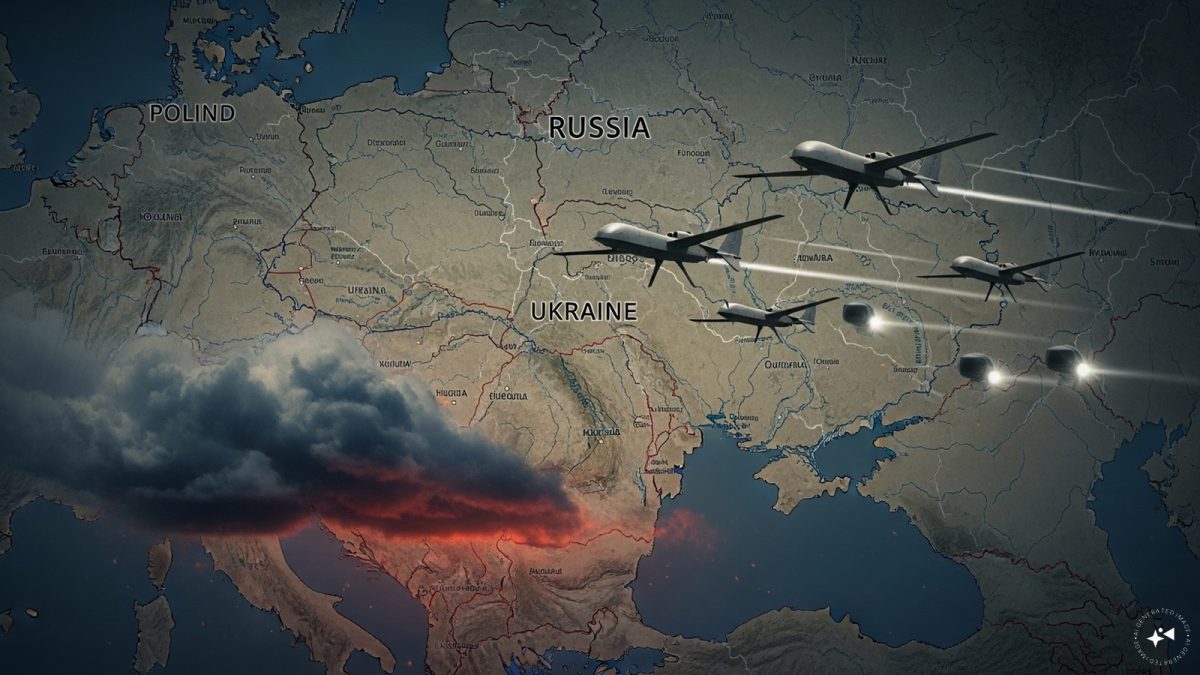 "Russian drones over Poland: Trump’s tepid reaction a wake-up call for Nato?")
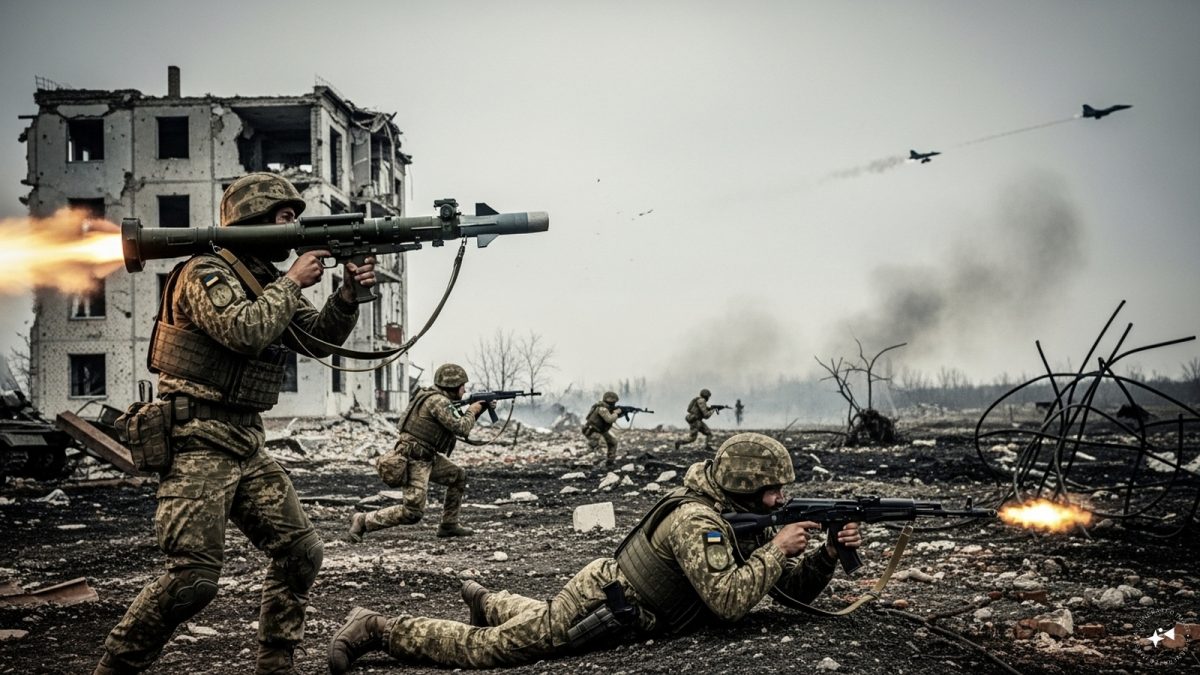 "As Russia pushes east, Ukraine faces mounting pressure to defend its heartland")
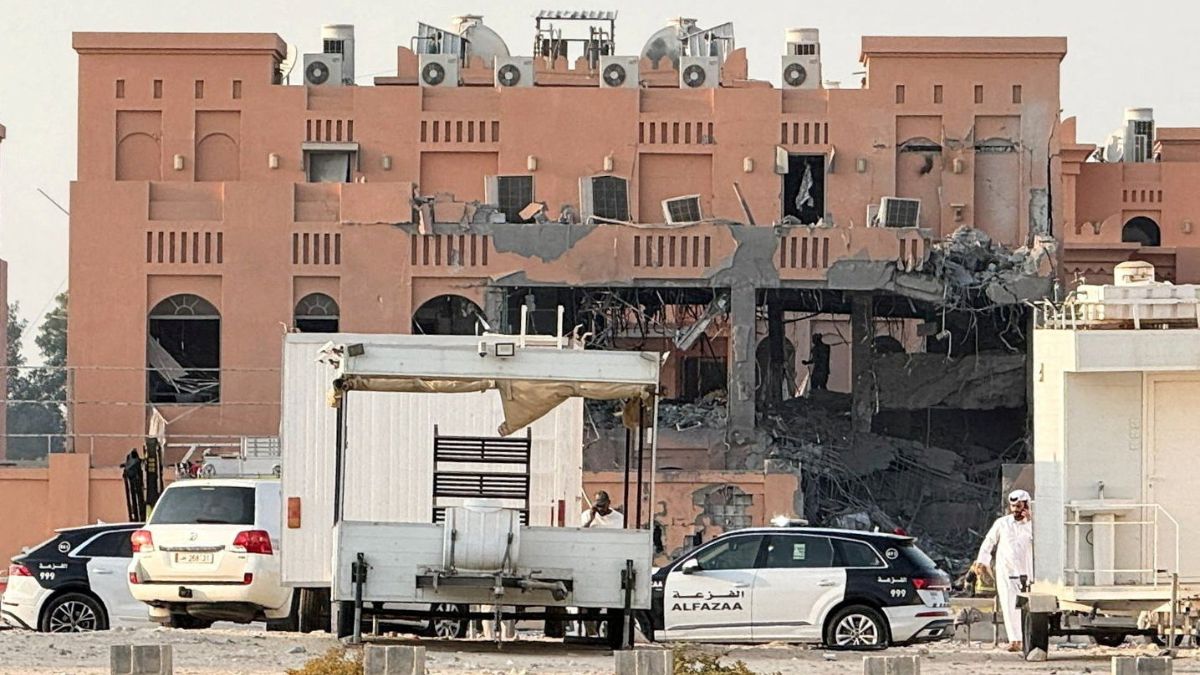 "Why Mossad was not on board with Israel’s strike on Hamas in Qatar")
 "Turkey: Erdogan's police arrest opposition mayor Hasan Mutlu, dozens officials in corruption probe")
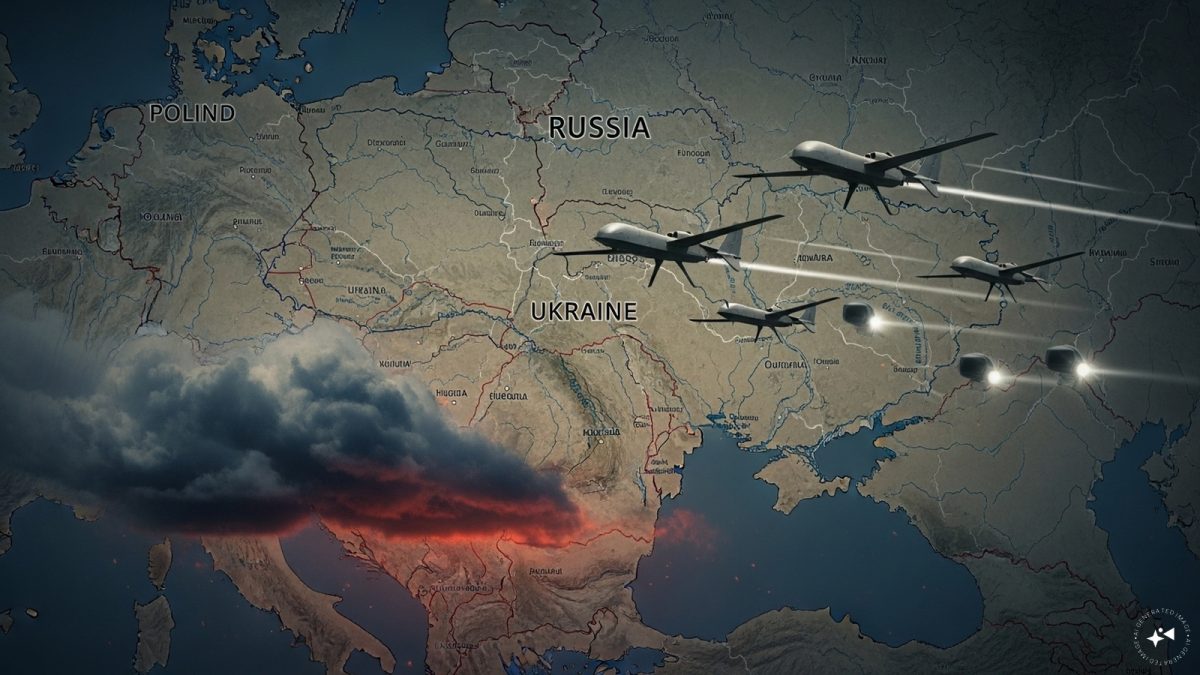 "Russian drones over Poland: Trump’s tepid reaction a wake-up call for Nato?")
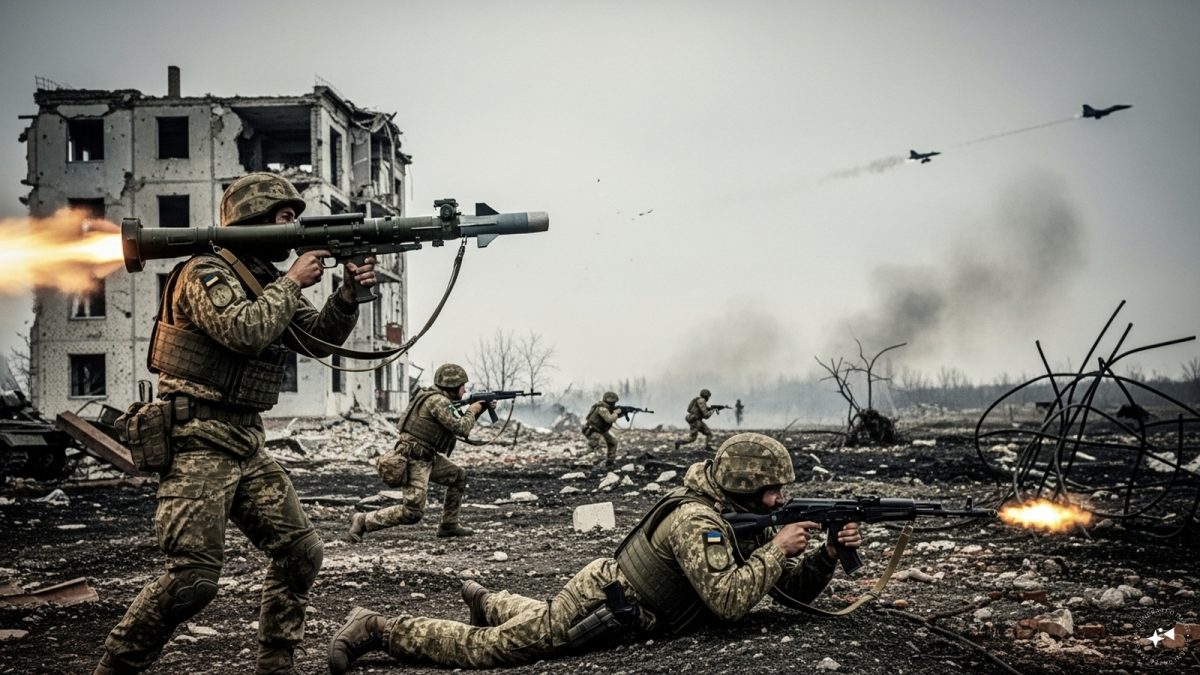 "As Russia pushes east, Ukraine faces mounting pressure to defend its heartland")
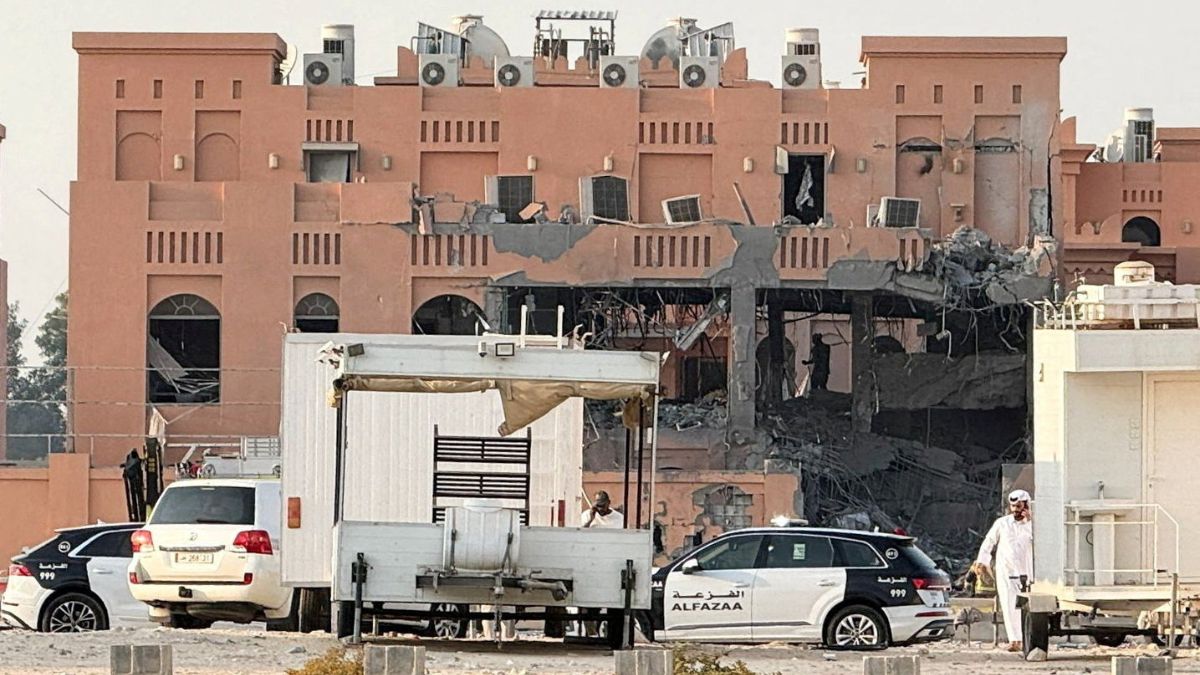 "Why Mossad was not on board with Israel’s strike on Hamas in Qatar")
 "Turkey: Erdogan's police arrest opposition mayor Hasan Mutlu, dozens officials in corruption probe")



